Kerala / South India · Indian
Kerala Rasam (Pepper-Tamarind Broth)
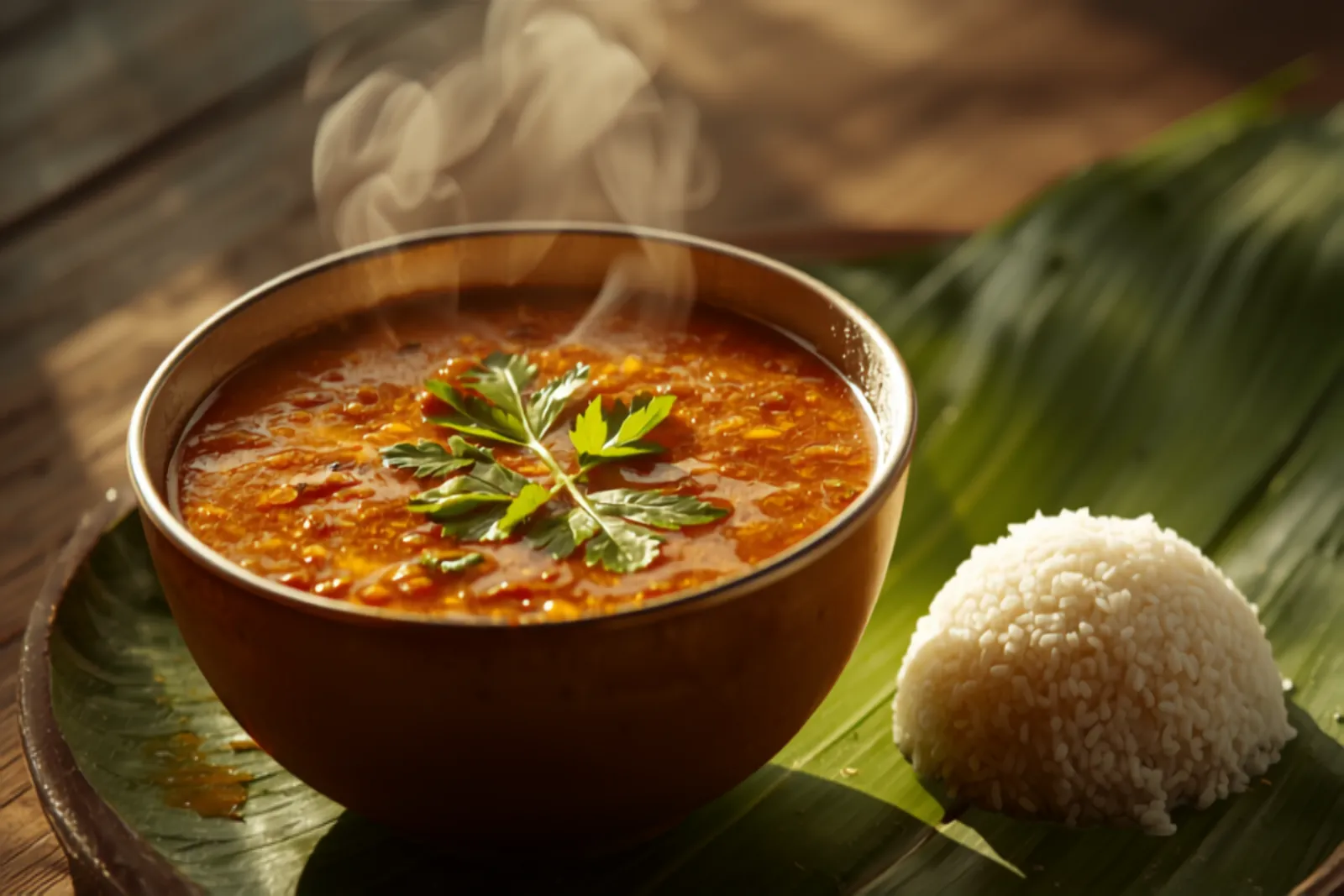
The thin, fragrant, peppery broth that follows the sambar course on the sadya: tamarind and tomato sharpened with a freshly pounded rasam powder and finished with curry leaves. Restorative on its own, perfect poured over rice.
Published June 22, 2026
Cultural context
Rasam is the thin, peppery tamarind broth of the South Indian meal and the sadya — taken after the heartier sambar course to aid digestion. Its soul is a freshly ground rasam powder of pepper, cumin, and coriander, and it's deliberately light and aromatic rather than thick.
Rasam is the thin, peppery, fragrant broth that follows the sambar course on the sadya — light, sharp, and restorative, taken to round off the heavier dishes and aid digestion. It’s poured over rice or sipped straight from the leaf.
Fresh rasam powder is everything
The soul of rasam is a rasam powder pounded fresh: black pepper, cumin, coriander, dried chili, and a clove or two of garlic, crushed coarsely just before cooking. That fresh, coarse pepper is what makes rasam warming and alive — a pre-ground mix never quite matches it.
Stop at the froth
Simmer the tamarind water with tomato and the pounded powder, and pull it off the heat the moment it froths at the surface. Never let rasam boil hard — a long boil flattens its aroma. A tempering of mustard seeds and curry leaves in ghee, plus fresh coriander, finishes it.
Serve it after sambar, with rice and a pappadam; see the order of the feast in our Onam sadya guide.
Ingredients
For the broth
- 1 small ball tamarind, soaked in 3 cups warm water
- 1 tomato, chopped
- 1/2 tsp turmeric
- salt
- 2 tbsp cooked toor dal water (optional) A little dal water gives a softer, fuller rasam; leave out for a clear, sharp one.
For the rasam powder
- 1 tsp black peppercorns
- 1 tsp cumin seeds
- 1 tsp coriander seeds
- 2 dried red chilies
- 2 cloves garlic (optional)
For the tempering
- 1 tbsp ghee or coconut oil
- 1/2 tsp mustard seeds
- 1 dried red chili
- 1 sprig curry leaves
To finish
- 2 tbsp fresh coriander, chopped
Method
Tap a step’s number to check it off as you go.
-
Coarsely pound the peppercorns, cumin, coriander, dried chilies, and garlic to a fresh rasam powder.
Why: Freshly pounded rasam powder is the soul of the dish — far more aromatic than a pre-ground mix, and the coarse pepper is what makes rasam warming.
-
Simmer the strained tamarind water with tomato, turmeric, salt, and the pounded powder (and dal water if using) on medium.
Why: A gentle simmer lets the tomato soften and the spices infuse without boiling the aromatics flat.
-
Bring it just to a frothy near-boil, then take it off — do not let it boil hard.
Why: Rasam is finished the moment it froths at the surface; a hard, long boil dulls its fresh, sharp aroma.
-
Temper mustard seeds, dried chili, and curry leaves in ghee and pour over; finish with fresh coriander.
Why: The hot tempering and coriander added at the end keep rasam bright and fragrant.
A quick, anonymous tap — no review needed.
Variations
- Pepper rasam (under the weather)
Up the black pepper and cumin and skip the tomato for a clear, restorative pepper rasam — the classic cold remedy.
- Tomato rasam
Use more tomato and less tamarind for a softer, milder, more crowd-friendly rasam.
- Vegan
Temper in coconut oil instead of ghee.
Serving & Storage
On the sadya, rasam follows the sambar course — sipped from the leaf or mixed with rice. Wonderful poured over plain rice with a pappadam, or drunk warm on its own.
Pairs with: Steamed rice, Pappadam, Sambar.
Storage: Keeps 2 days refrigerated; reheat just to a froth, never a rolling boil, to preserve the aroma.
Nutrition
Per serving (about 1 cup)
- Calories
- 60
- Protein
- 2 g
- Carbs
- 8 g
- Fat
- 3 g
- Fiber
- 1 g
- Sugar
- 3 g
- Sodium
- 320 mg
Notable micronutrients: Vitamin C, Iron
Estimated using standard ingredient data. Values vary with brands and substitutions.
Frequently Asked Questions
Why shouldn't rasam be boiled hard?
Rasam is all about fresh, sharp aroma. Once it froths at the surface it's done — a long, hard boil flattens the pepper and coriander and makes it taste dull. Take it off at the first froth.
Do I need fresh rasam powder?
It makes a real difference. Coarsely pounding peppercorns, cumin, coriander, and chili just before cooking gives rasam its lively, warming character. A stored mix works but tastes noticeably flatter.
Is rasam the same as sambar?
No — sambar is a thicker lentil-and-vegetable stew, while rasam is a thin, peppery tamarind broth taken after it. On a sadya both appear, in that order.
What to drink with this
All drinks →Hand-picked pours to match this dish.
North & West India (peak-summer drink across the subcontinent) · Indian
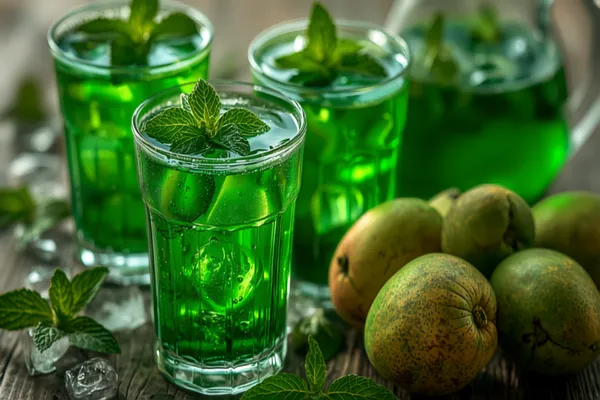
Aam Panna (Raw Green Mango Summer Cooler)
India's tangy, jade-green raw-mango cooler — roasted or boiled green mangoes blended with cumin, black salt and mint. The traditional heat-stroke remedy that tastes like summer.
Pan-Indian (North & West India) · Indian
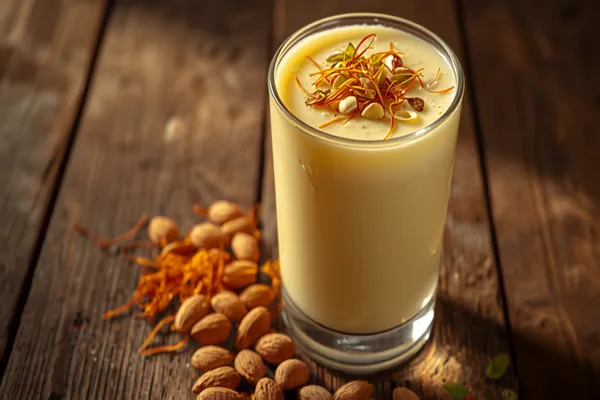
Badam Milk (Saffron Almond Milk)
Milk simmered with a paste of soaked almonds, saffron, cardamom and a whisper of nutmeg — India's rich, fragrant almond drink. Comforting served warm in winter, reviving served chilled in summer, festive any time.
Pan-Indian (Gujarat & West India especially) · Indian
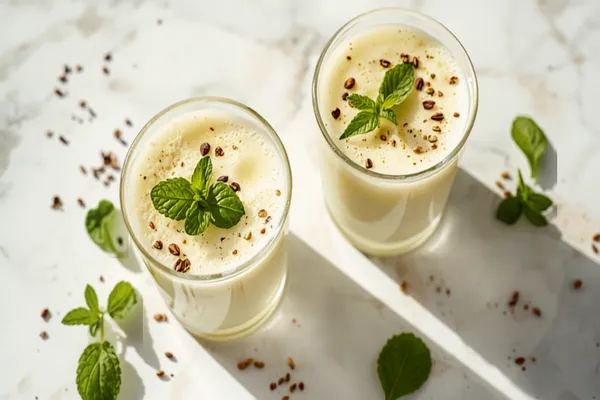
Chaas (Spiced Indian Buttermilk / Masala Chaas)
Whisked yogurt thinned with water and seasoned with cumin, green chilli, ginger and curry leaves — India's cooling, savoury buttermilk. A salty-tangy digestive that beats the heat and settles a heavy meal in two minutes.
From our kitchen community
Ratings & Reviews
My Rating
Tap a star to rate — no sign-in, no form needed.
My Review
0 Ratings
🥣 0 home cooks made it!
Be the first to rate Kerala Rasam (Pepper-Tamarind Broth).
Related Recipes
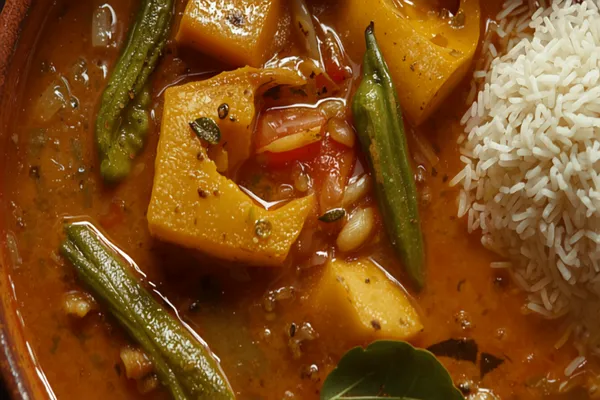
Tamil Nadu / South India · Indian
Sambar (South Indian Lentil and Vegetable Stew)
The everyday backbone of a South Indian meal: toor dal simmered with vegetables and tamarind, seasoned with a freshly ground sambar powder and a sizzling tempering. Tangy, savory, and endlessly comforting.
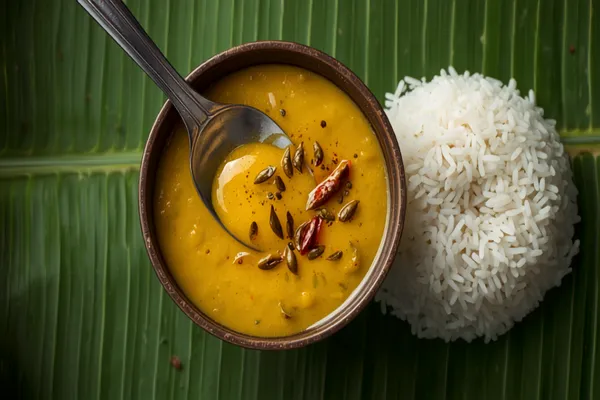
Kerala / South India · Indian
Parippu (Kerala Moong Dal with Ghee)
The opening course of the Kerala sadya: soft cooked moong dal tempered lightly and served with a spoon of ghee over the first mound of rice. Simple, soothing, and the dish the feast begins with.
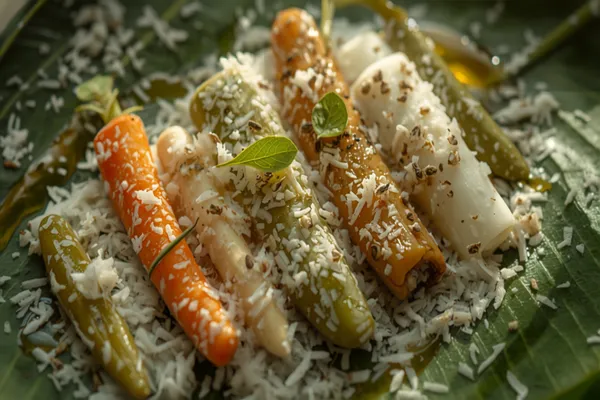
Kerala / South India · Indian
Avial (Kerala Mixed Vegetables in Coconut and Yogurt)
A cornerstone of the Kerala sadya: a medley of vegetables simmered until tender and bound in a coconut-cumin paste with tangy yogurt, finished with raw coconut oil and curry leaves. Wholesome, gentle, and quietly addictive.
Further reading
- Cultural Story · South IndiaA Complete Guide to South Indian CookingSouth India isn't one cuisine but many — Tamil, Kerala, Karnataka, Andhra and Telangana, each with its own grains, spices, and rituals. A guide to the building blocks, the regional differences, and where to start cooking.
- Festival & Seasonal · KeralaThe Onam Sadya: Kerala's Feast on a Banana LeafOnce a year, Kerala lays out one of the world's great vegetarian feasts — two dozen-plus dishes served on a banana leaf in a precise order, eaten with the hands. A guide to the Onam sadya: what's on the leaf, where it goes, and why it matters.