Spain (Andalusia & the wine country) · Spanish
Spanish Sangria (Red Wine Punch with Fruit)
The real Spanish sangria — red wine, brandy, fresh fruit and a little citrus, chilled until the flavours marry. The right wine to use, why it needs time, and how to keep it from going sweet and flat.
Published June 21, 2026
Cultural context
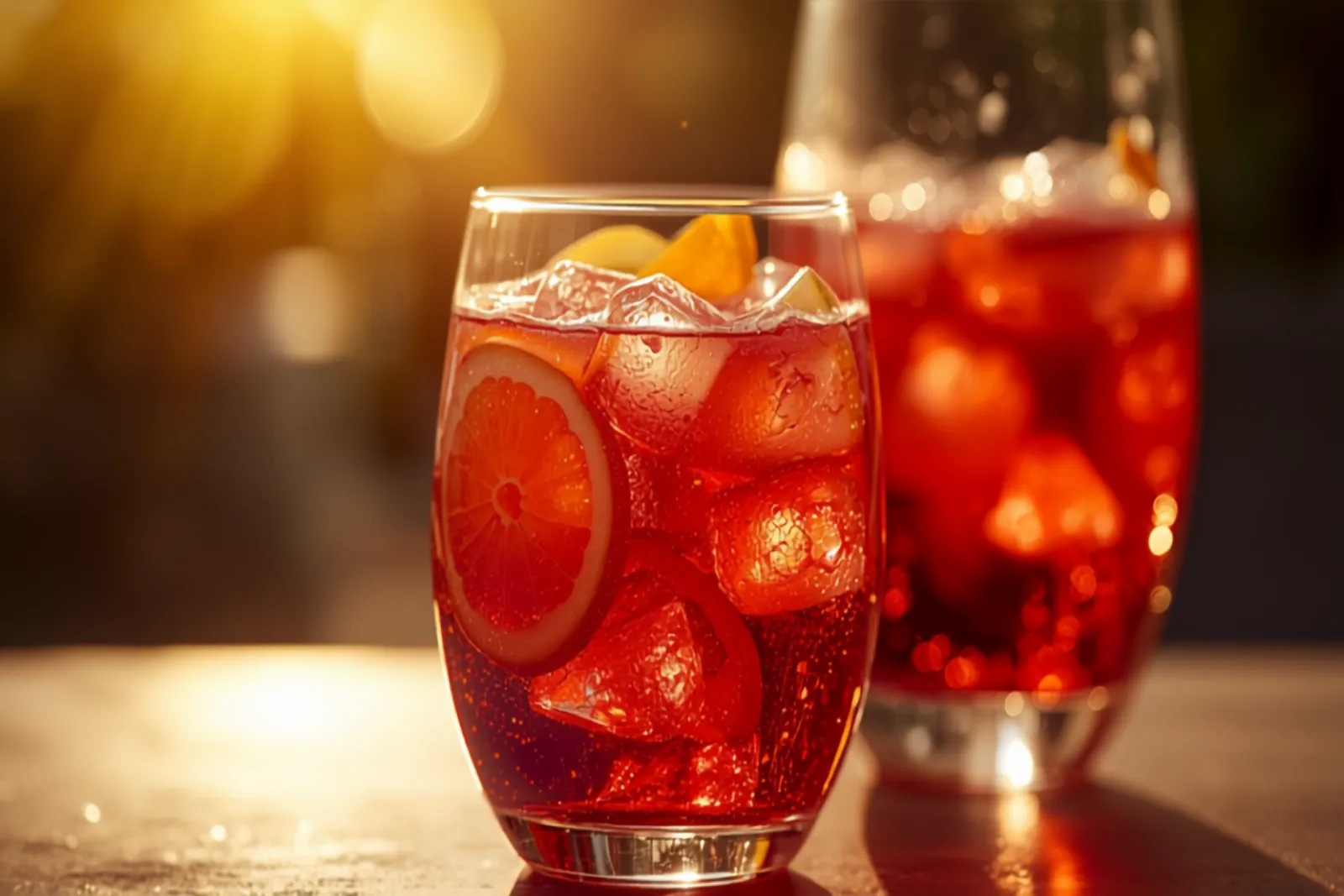
Sangria — from 'sangre', blood, for its deep red colour — is Spain's great communal pitcher, poured at long lunches, fiestas and summer terraces. At heart it's a way to stretch and brighten everyday red wine with brandy, fruit and citrus. Made with a decent wine and given time to chill and meld, it's far better than the sugary tourist version.
Real Spanish sangria is the great communal pitcher — red wine brightened with brandy, fresh fruit and citrus, chilled until everything marries. Made with a decent wine and given time, it’s a world away from the sugary tourist version.
Start with a wine you’d drink
A dry, fruity Spanish red — Garnacha or Tempranillo — that you’d happily pour on its own. Not tannic, not ‘cooking wine’. It doesn’t need to be expensive, just genuinely drinkable.
Macerate, then wait
Soak the sliced fruit with brandy and a little sugar first to draw out its juices, then add the wine and chill for at least two hours, ideally four. That time is what makes it sangria rather than spiked juice — the fruit perfumes the wine and the edges soften.
Keep it from going sweet
Go light on the sugar; ripe fruit and brandy bring plenty. Top each glass with plain soda water at the table if you want it lighter and fizzier. Bring the pitcher out with paella. More in the Drinks guide.
Ingredients
- 1 bottle (750 ml) dry Spanish red wine (Garnacha or Tempranillo) Use a wine you'd drink on its own — fruity and not too tannic. No need to spend a lot, but skip 'cooking wine'.
- 60 ml (2 oz) Spanish brandy (or orange liqueur)
- 1 orange, sliced into half-moons
- 1 lemon, sliced
- 1 apple, cored and diced
- 1–2 tbsp sugar or honey, to taste
- to top (optional) soda water or lemon-lime soda
- ice, to serve
Method
Tap a step’s number to check it off as you go.
-
Add the chopped and sliced fruit, sugar and brandy to a large pitcher and stir; let it sit 5 minutes.
Why: Macerating the fruit in brandy and sugar first draws out its juices and infuses the spirit with citrus oils — the flavour base of the whole pitcher.
-
Pour in the red wine, stir, and refrigerate at least 2 hours (ideally 4) so the flavours marry.
Why: Time in the fridge is what turns wine-plus-fruit into sangria — the fruit perfumes the wine and the harsh edges soften. Rushing it gives you spiked juice, not sangria.
-
To serve, pour over ice and top each glass with a splash of soda if you like a lighter, fizzier drink.
Why: Adding soda at the glass (not the pitcher) keeps it fizzy and lets each person choose how light they want it; ice keeps it cold without diluting the whole batch early.
A quick, anonymous tap — no review needed.
Variations
- Sangria blanca
Use a dry white wine (Verdejo or Albariño) with peach, green apple and citrus for a lighter white sangria.
- Cava sangria
Top with Spanish cava instead of soda for a sparkling, celebratory pitcher.
- Non-alcoholic
Use a good alcohol-free red and skip the brandy, leaning on the fruit, citrus and a splash of pomegranate juice.
Serving & Storage
Serve cold over ice with a few pieces of the soaked fruit in each glass. It's a sharing drink — bring the pitcher to the table for a long, slow lunch.
Pairs with: Paella, Patatas bravas, Manchego & olives, Jamón.
Storage: Best within 24 hours. The wine and fruit keep well overnight in the fridge (the flavour even improves), but the fruit softens and the wine flattens after a day. Add soda only when serving.
Nutrition
Per serving (1 glass (~180 ml))
- Calories
- 165
- Protein
- 0 g
- Carbs
- 14 g
- Fat
- 0 g
- Fiber
- 1 g
- Sugar
- 10 g
- Sodium
- 10 mg
Estimated using standard ingredient data. Values vary with brands and substitutions.
Frequently Asked Questions
What wine should I use for sangria?
A dry, fruity Spanish red like Garnacha (Grenache) or Tempranillo — something you'd happily drink on its own. Avoid heavy, tannic wines (too astringent once fruit and sugar go in) and never use 'cooking wine'. It doesn't need to be expensive.
How long does it need to sit?
At least 2 hours, ideally 4, in the fridge. This is non-negotiable — the time is what lets the fruit perfume the wine and the flavours marry into actual sangria rather than wine with fruit floating in it. Overnight is even better.
Why is mine too sweet?
Tourist sangria is loaded with sugar and sugary soda. Start with little or no added sugar — ripe fruit and brandy bring plenty — taste after it chills, and add sweetness only if needed. Top with plain soda water rather than sweet soda.
From our kitchen community
Ratings & Reviews
My Rating
Tap a star to rate — no sign-in, no form needed.
My Review
0 Ratings
🥣 0 home cooks made it!
Be the first to rate Spanish Sangria (Red Wine Punch with Fruit).
Related Recipes

Valencia · Spanish
Paella Valenciana (Authentic Valencian Paella)
The original paella from Valencia — not a seafood free-for-all, but chicken, rabbit, and green beans cooked with bomba rice, saffron, and a prized layer of toasted crust called the socarrat. Cooked in a wide pan over a wide flame, it's a Sunday ritual as much as a recipe.

Veneto, Northern Italy (Venice & Padua) · Italian
Aperol Spritz (The Italian Sunset Aperitivo)
Italy's golden-hour spritz: Aperol, Prosecco and soda over ice with an orange slice. The 3-2-1 ratio, why the order you pour matters, and the lightest world-famous aperitivo.
Andalusia · Spanish
Gazpacho Andaluz (Spanish Chilled Tomato Soup)
Andalusia's answer to summer heat: ripe raw tomatoes, peppers, cucumber, garlic, and good olive oil blended silky-smooth and served ice-cold. No cooking, just a blender and the best tomatoes you can find.