Valencia · Spanish
Paella Valenciana (Authentic Valencian Paella)
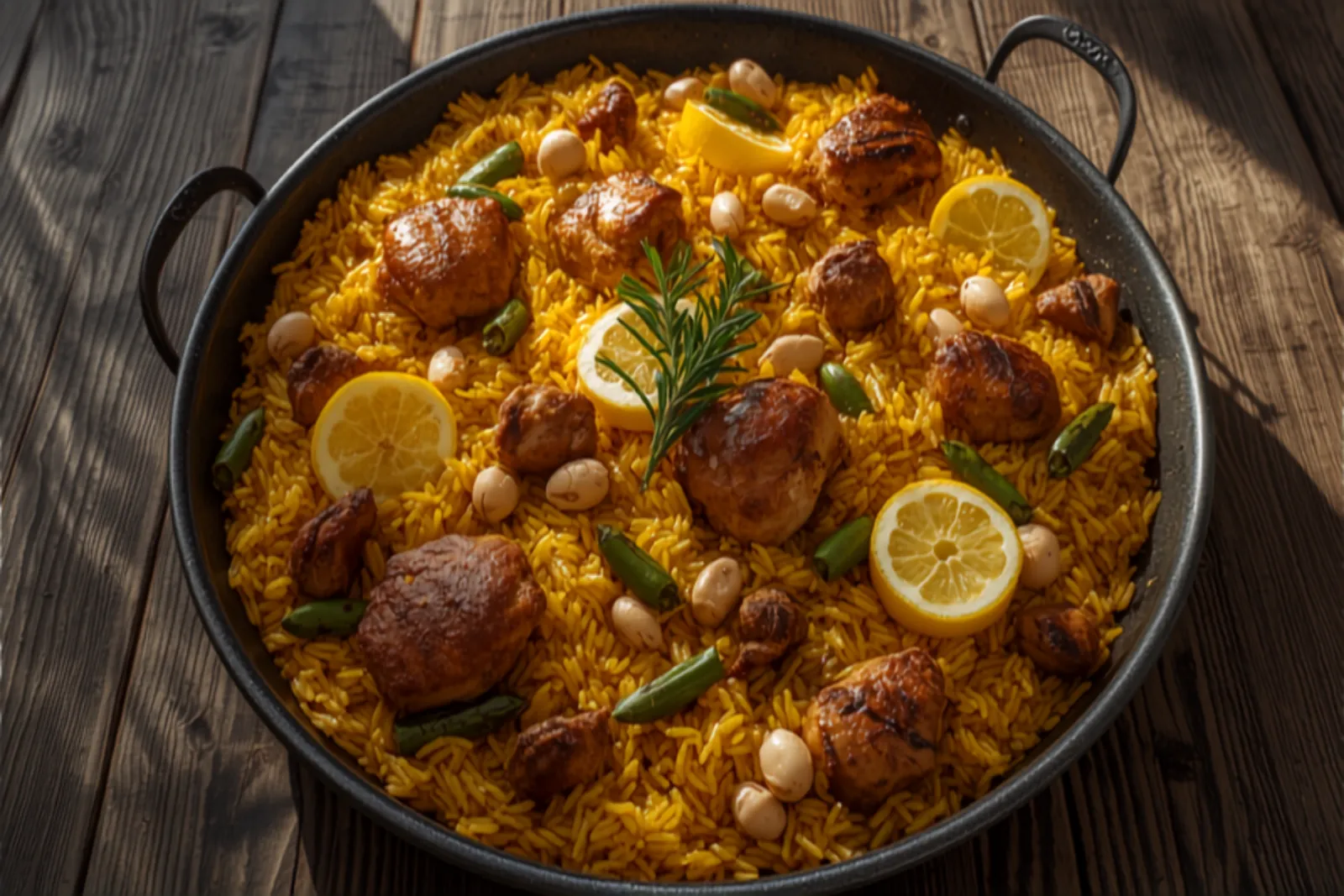
The original paella from Valencia — not a seafood free-for-all, but chicken, rabbit, and green beans cooked with bomba rice, saffron, and a prized layer of toasted crust called the socarrat. Cooked in a wide pan over a wide flame, it's a Sunday ritual as much as a recipe.
Published June 20, 2026
Cultural context
Paella was born in the rice paddies and orchards around Valencia, in eastern Spain, as a midday meal cooked over an open fire of orange-tree wood. The authentic Valencian version uses chicken, rabbit, and local beans — not seafood, which belongs to other regional paellas. Valencians are fiercely protective of the original, and the dish is a communal centrepiece, eaten straight from the pan.
Say “paella” outside Spain and most people picture a saffron-yellow rice pan bristling with prawns and mussels. Say it in Valencia, where the dish was born, and you’ll get a correction: real paella valenciana is made with chicken, rabbit, and beans — no seafood at all. It grew up in the rice fields and orange groves around the city, cooked over open wood fires for the midday meal, and Valencians guard the original recipe with real passion.
What makes it special isn’t a long ingredient list. It’s technique: building flavour in a wide pan, getting the rice-to-liquid ratio right, and chasing the socarrat, the toasted crust on the bottom that everyone fights over.
The right rice, the right pan
Two things are non-negotiable. The rice must be a Spanish short-grain — bomba or Calasparra — which drinks up around three times its volume in stock while keeping each grain distinct. Risotto rice turns it creamy; long-grain won’t absorb enough. And the pan should be wide and shallow, so the rice cooks in a thin layer and the bottom can crisp. The classic ratio is roughly three parts liquid to one part rice.
Season the broth, then don’t touch it
The order of operations matters. You build a sofrito of browned meat, grated tomato, and smoked paprika, add hot saffron stock, and taste it for salt before the rice goes in — because once it does, you never stir again. Stirring is what makes risotto creamy and would ruin paella, where the grains should stay separate and the base should toast. Scatter the rice evenly, give one gentle pass to distribute it, and then leave it completely alone.
Chasing the socarrat
The reward at the end is the socarrat: the caramelised, faintly crackling layer of rice stuck to the bottom of the pan. You coax it out by turning the heat up for the last minute or two, listening for a gentle crackle and smelling the rice toast — then stopping before it burns. A short rest under a clean cloth lets everything firm up, and then the pan goes straight to the table.
Looking for more one-pan feasts? Browse the full recipe collection, or read more cultural stories on the traditions behind the food.
Ingredients
For the sofrito and meat
- 4 tbsp olive oil
- 400 g bone-in chicken thighs and drumsticks Cut into smaller pieces through the bone, or ask your butcher to.
- 400 g rabbit, cut into pieces Traditional and worth seeking out; substitute more chicken or pork ribs if unavailable.
- 1 ripe tomato, grated Halve and grate on a box grater; discard the skin.
For the rice
- 400 g bomba or Calasparra rice Short-grain Spanish rice that absorbs lots of liquid without going mushy. Don't substitute risotto or long-grain rice.
- 200 g flat green beans (ferradura/bajoqueta) Or use green beans cut into lengths.
- 150 g butter beans or large white beans (garrofó) Cooked or canned, drained.
- 1 tbsp sweet smoked paprika (pimentón)
- 1 pinch saffron threads The real colour and aroma of paella. Steep in a little warm stock.
- 1.2 litres hot chicken stock Roughly 3 times the volume of rice. Keep it hot in a separate pan.
- salt
To finish
- 1 lemon, cut into wedges
- 1 sprig fresh rosemary Optional but traditional.
Method
Tap a step’s number to check it off as you go.
-
Season the chicken and rabbit, then brown them well in olive oil in a wide paella pan over medium-high heat, pushing them to the edges once coloured.
Why: Browning the meat builds the deep savoury base of the whole dish and flavours the oil the rice will cook in.
-
Add the green beans and fry briefly, then make a clear space in the centre, add the grated tomato and paprika, and cook for a few minutes until darkened and jammy.
Why: This is the sofrito — cooking the tomato and paprika down concentrates them. Stir the paprika off direct heat for a moment so it doesn't scorch and turn bitter.
-
Pour in the hot stock with the steeped saffron and the butter beans. Bring to a strong boil and simmer 5 minutes, tasting and adjusting the salt — the broth should taste well-seasoned now.
Why: You season the broth, not the rice. Once the rice goes in you won't stir again, so this is your last chance to get the salt right.
-
Scatter the rice evenly across the pan and give it one gentle stir to distribute. From this point, do not stir again.
Why: Stirring releases starch and makes it creamy like risotto — the opposite of paella, where each grain should stay separate and the bottom should crisp.
-
Cook over medium-high heat for 10 minutes, then lower to a gentle simmer for 8–10 minutes more, rotating the pan so it cooks evenly, until the liquid is absorbed and the rice is just tender.
Why: Even heat across a wide pan is the whole challenge; rotating compensates for hot spots on a single burner.
-
For the socarrat, turn the heat up for the final 1–2 minutes until you hear a gentle crackle and smell toasting rice — stop before it burns. Rest the pan, covered with a clean cloth, for 5 minutes.
Why: The socarrat — the caramelised crust on the bottom — is the prized part of paella. Resting lets the rice finish steaming and firm up.
A quick, anonymous tap — no review needed.
Variations
- Seafood paella (paella de marisco)
A different dish, but beloved: swap the meat for prawns, mussels, clams, and squid, use fish stock, and add the shellfish in the last few minutes so it doesn't overcook.
- Mixed (paella mixta)
The tourist-favourite combination of chicken and seafood. Purists frown, but it's tasty — brown the chicken first, add seafood near the end.
- Vegetarian (paella de verduras)
Use artichokes, peppers, green beans, and butter beans with a good vegetable stock and an extra pinch of smoked paprika for depth.
Serving & Storage
Bring the pan to the table and serve straight from it with lemon wedges to squeeze over. In Valencia it's eaten at lunch, never dinner, and traditionally with a spoon, each person eating from their own wedge of the pan.
Pairs with: Crusty bread, Simple green salad, Chilled Spanish rosado or a cold beer, Allioli.
Storage: Best eaten fresh, the day it's made — the socarrat softens on storage. Leftovers keep 2 days refrigerated; reheat in a covered pan with a splash of stock.
Nutrition
Per serving (1 portion (1/5 recipe))
- Calories
- 560
- Protein
- 34 g
- Carbs
- 62 g
- Fat
- 20 g
- Fiber
- 5 g
- Sugar
- 4 g
- Sodium
- 780 mg
Notable micronutrients: Iron, Niacin, Selenium
Estimated using standard ingredient data. Values vary with brands and substitutions.
Frequently Asked Questions
Does real paella have seafood?
Authentic paella valenciana does not — it's chicken, rabbit, and local beans. Seafood paella (paella de marisco) and mixed paella are separate, also-traditional dishes from coastal Spain. Calling any rice dish in a pan 'paella' is common abroad but loose.
What rice should I use?
A short-grain Spanish rice — bomba or Calasparra — which absorbs about three times its volume in liquid while staying separate. Don't use risotto rice (too creamy) or long-grain (won't absorb enough). Bomba is widely available online and in good supermarkets.
What is socarrat and how do I get it?
Socarrat is the caramelised, slightly crisp layer of rice on the bottom of the pan — the most prized part. Get it by raising the heat for the last minute or two once the liquid is absorbed, listening for a gentle crackle and stopping before it burns.
Why can't I stir the rice?
Stirring releases starch and makes the rice creamy, which is what you want in risotto but not paella. Paella rice should be separate and dry-ish, with a crust beneath. Distribute the rice once, then leave it alone.
What to drink with this
All drinks →Hand-picked pours to match this dish. Alcoholic pairings are for adults of legal drinking age (21+ in the US) — please drink responsibly.
 21+
21+ Spain (Andalusia & the wine country) · Spanish
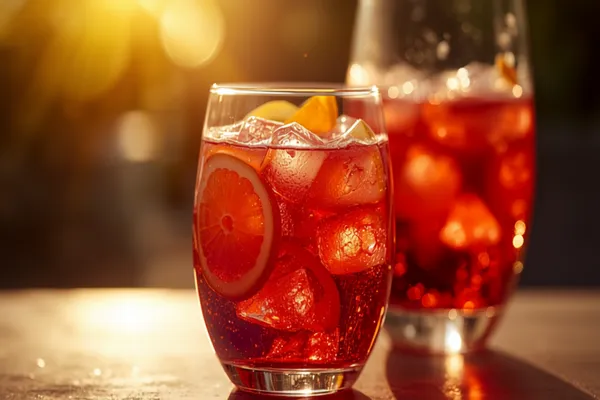
Spanish Sangria (Red Wine Punch with Fruit)
The real Spanish sangria — red wine, brandy, fresh fruit and a little citrus, chilled until the flavours marry. The right wine to use, why it needs time, and how to keep it from going sweet and flat.
 21+
21+ Florence, Italy (Tuscan aperitivo tradition) · Italian
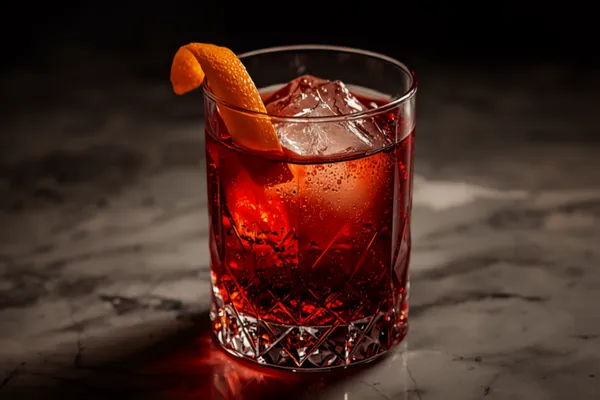
Negroni (The Perfect Three-Part Aperitivo)
Equal parts gin, Campari and sweet vermouth, stirred over ice with an orange peel. Italy's great bitter aperitivo — the easiest world-class cocktail to remember and one of the hardest to improve on.
Jamaica & the Caribbean; England · Caribbean / British
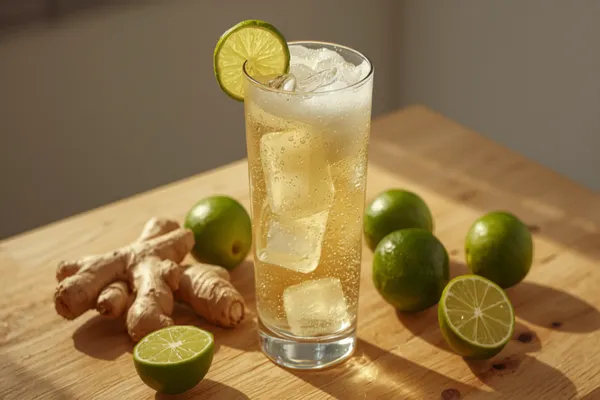
Ginger Beer (Homemade, Fiery & Non-Alcoholic)
Fresh ginger, lime and sugar carbonated into a spicy, bracing brew — the real thing, far hotter than anything bottled. A Caribbean and British favourite that's the backbone of the Moscow Mule and Dark 'n' Stormy, and a sensational soda on its own.
From our kitchen community
Ratings & Reviews
My Rating
Tap a star to rate — no sign-in, no form needed.
My Review
0 Ratings
🥣 0 home cooks made it!
Be the first to rate Paella Valenciana (Authentic Valencian Paella).
Related Recipes
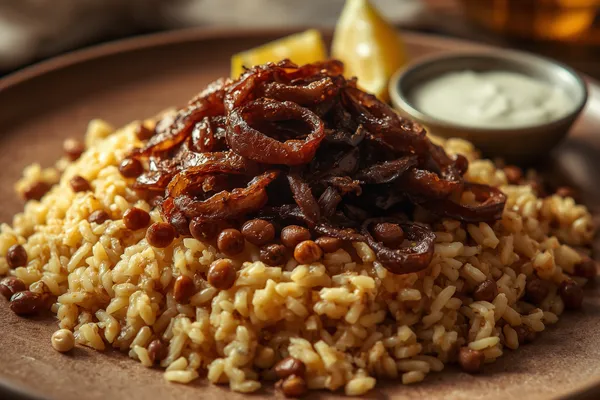
The Levant (Lebanon, Syria, Jordan, Palestine) · Middle Eastern
Mujaddara (Lentils and Rice with Crispy Caramelized Onions)
The Levantine dish of lentils, rice, and deeply caramelized onions — humble, ancient, and quietly luxurious. A handful of ingredients turned into something far greater than their cost, crowned with onions fried until almost black and sweet.
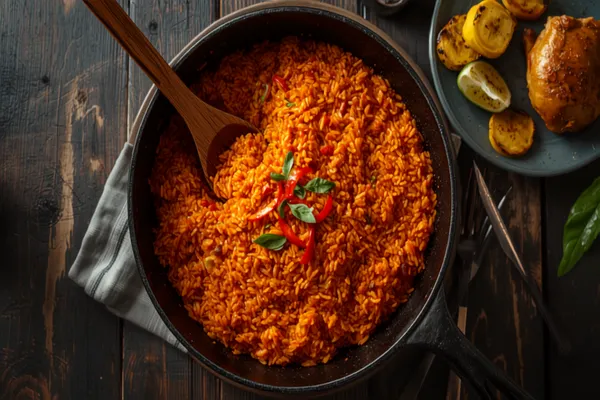
Lagos and south-western Nigeria — part of the wider West African jollof belt · Nigerian
Jollof Rice (Nigerian Party Style)
West Africa's great one-pot rice, cooked the Lagos party way: a long-fried pepper-and-tomato base, parboiled long-grain rice steamed until every grain is stained red, and a deliberately toasted bottom pot for that smoky finish.
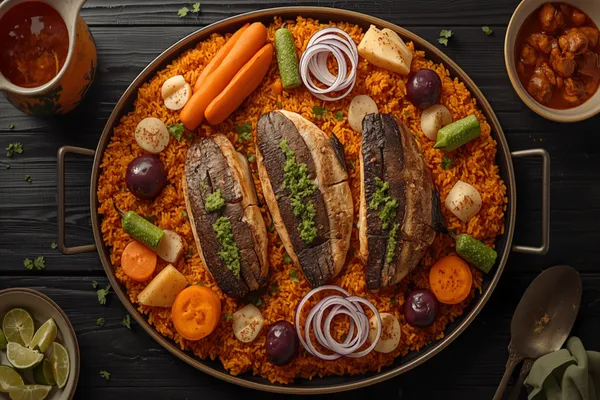
Saint-Louis and the Atlantic coast of Senegal — now cooked nationwide, from Dakar to the Casamance · Senegalese
Thieboudienne (Ceebu Jën) — Senegalese Fish and Broken Rice
Senegal's national dish and UNESCO-listed culinary art: whole fish stuffed with a pounded parsley-and-garlic rof, fried, then simmered with cassava, cabbage and carrot in a long-fried tomato base — and broken rice steamed in that broth until every grain drinks it up.