The Levant (Lebanon, Syria, Jordan, Palestine) · Middle Eastern
Mujaddara (Lentils and Rice with Crispy Caramelized Onions)
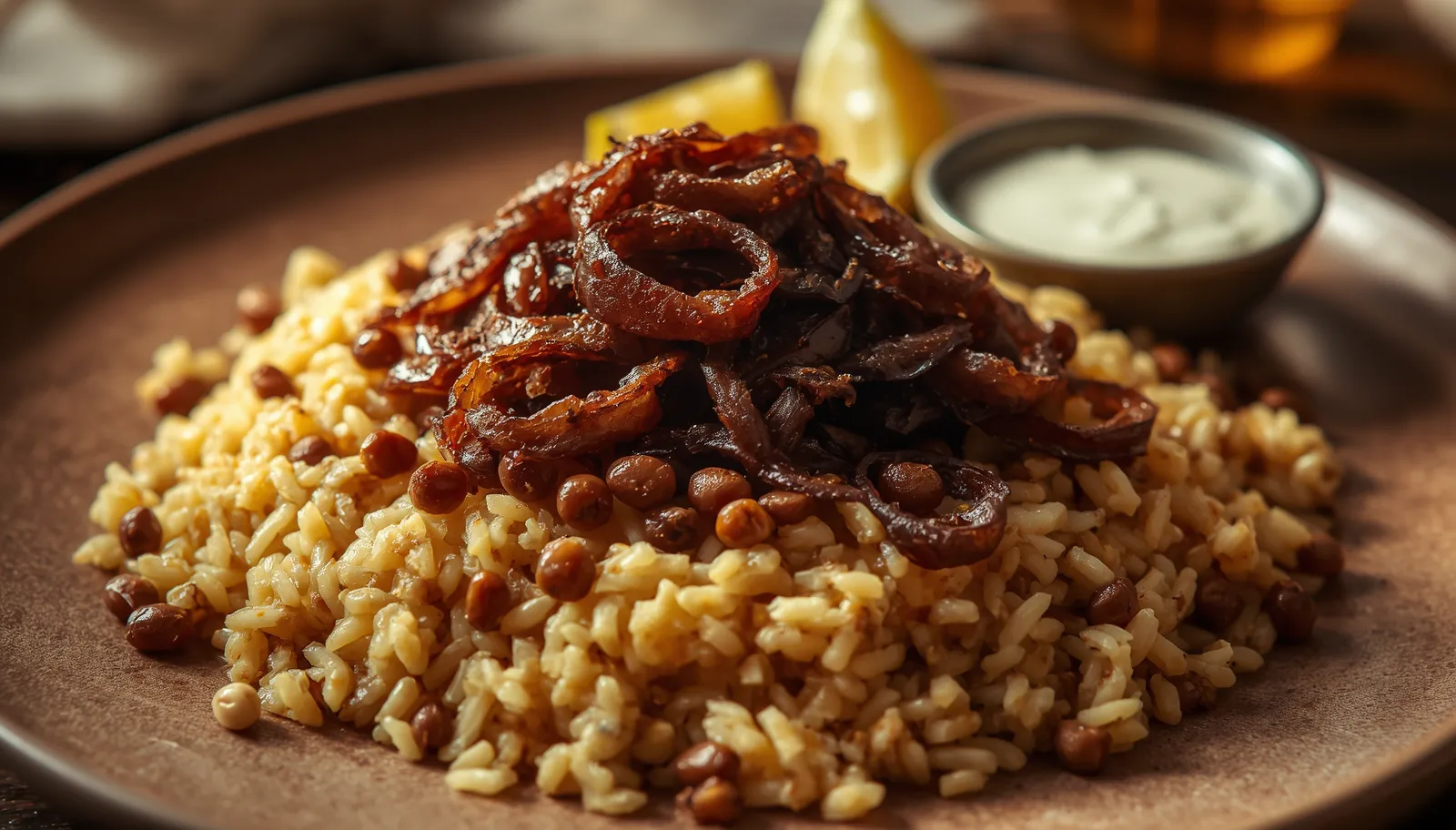
The Levantine dish of lentils, rice, and deeply caramelized onions — humble, ancient, and quietly luxurious. A handful of ingredients turned into something far greater than their cost, crowned with onions fried until almost black and sweet.
Published June 15, 2026
Cultural context
Mujaddara — from the Arabic word for 'pockmarked,' describing the lentils scattered through the rice — is one of the oldest dishes still cooked across the Levant. A version appears in a 13th-century Baghdadi cookbook. It is everyday food and fasting food: cheap, filling, meatless, and beloved enough that there's a Levantine saying that a generous host serves mujaddara to family and stew to strangers.
Mujaddara is proof that the best food isn’t always the most expensive. Lentils, rice, onions, oil, cumin, salt — that’s the entire list, and from it the Levant has built one of its most beloved dishes, eaten everywhere from Lebanese village kitchens to Damascus tables for centuries. A version of it appears in a 13th-century Baghdadi cookbook, which makes it one of the oldest dishes most of us will ever cook.
The name comes from the Arabic for “pockmarked” — a nod to the lentils scattered through the pale rice. It’s humble food, fasting food, the kind of meatless meal that sustained communities long before “plant-based” was a marketing phrase. There’s even an old Levantine saying that a truly generous host serves mujaddara to family and saves the fancy stew for strangers: the simple dish is the one made with love.
The onions are not a garnish
If you take one thing from this recipe, let it be this: the onions are half the dish. Three large onions, sliced thin and fried slowly in generous oil for a full twenty-odd minutes until they’re deep mahogany and crisp at the edges — past golden, right up to the edge of bitter, where the sweetness becomes almost caramel. Reserve some to crown the top crunchy, and let the rest melt into the rice. Rushing this step is the only way to make a disappointing mujaddara.
Cook the lentils first
Lentils and rice cook at different rates, so par-cook the lentils on their own until they’re just tender, then finish them with the rice. Use whole brown or green lentils that hold their shape — red split lentils will dissolve and give you porridge. And save the lentil cooking water to cook the rice in: that earthy liquid is free flavour you’d otherwise pour down the drain.
Eat it warm, cold, or in between
Mujaddara is forgiving and generous. It’s good hot from the pot, good at room temperature an hour later, and good cold from the fridge the next day. Serve it with a dollop of cool yogurt and a squeeze of lemon — that bright tang against the sweet onions and earthy lentils is what makes the whole thing sing.
Hungry for more frugal, satisfying cooking? Browse the full recipe collection, or read more cultural stories on the traditions behind the food.
Ingredients
For the lentils and rice
- 1 cup brown or green lentils Use whole lentils that hold their shape — not red/split lentils, which collapse into mush.
- 1 cup long-grain rice Basmati is common; medium-grain also works. Some cooks use coarse bulgur instead of rice — see the variations.
- 1 tsp ground cumin The defining spice. Some cooks add a pinch of cinnamon or allspice too.
- salt and black pepper
For the caramelized onions
- 3 large yellow onions Yes, three — onions are half the dish, not a garnish. Sliced thin and even.
- 1/3 cup olive oil (or a neutral oil for deeper frying) Generous oil is what lets the onions crisp rather than steam. You'll use the onion-flavoured oil to cook the rice.
To serve
- plain yogurt or a cucumber-yogurt salad, and lemon wedges For vegan, use a plant yogurt or simply lemon. The cool tang against the sweet onions is essential.
Method
Tap a step’s number to check it off as you go.
-
Rinse the lentils and simmer them in plenty of unsalted water for 12–15 minutes, until just tender but not falling apart. Drain, keeping the cooking liquid.
Why: Par-cooking the lentils separately means they finish at the same time as the rice; cooking from raw together would leave one over- and one under-done. Salting now would toughen their skins, so wait.
-
Meanwhile, fry the sliced onions in the oil over medium heat, stirring often, for 20–25 minutes until deep brown and crisp at the edges. Lift half out onto paper towels to stay crunchy; leave the rest in the pan.
Why: Slow, patient frying is the soul of mujaddara. You want them past golden — almost mahogany — where the sugars have caramelized into a near-bitter sweetness. Reserving some crisp onions for the top gives texture; the soft ones flavour the dish.
-
Add the rinsed rice and cumin to the onions and oil in the pan and stir for a minute to coat.
Why: Toasting the rice in the onion oil coats each grain in fat and flavour, helping it cook up separate and fragrant.
-
Add the drained lentils, then pour in the reserved lentil liquid (topped up with water) to about 1.5 cups per cup of rice. Season well with salt and pepper, bring to a boil, then cover and cook on low 15 minutes.
Why: Using the lentil water as the cooking liquid keeps every bit of earthy flavour in the pot.
-
Rest off the heat, covered, for 10 minutes, then fluff. Pile onto a platter and crown with the reserved crispy onions.
Why: Resting lets the steam redistribute so the rice is fluffy, not wet. The crisp onion crown is how mujaddara is meant to arrive at the table.
A quick, anonymous tap — no review needed.
Variations
- Bulgur instead of rice (mujaddara burghul)
Swap the rice for coarse bulgur wheat for a nuttier, more rustic version common in Syria and Lebanon. No longer gluten-free, but traditional and delicious.
- Higher-protein
Serve with a generous bowl of yogurt or labneh, or fold in a handful of toasted nuts. The lentil-rice pairing is already a complete protein.
- Spiced (Palestinian-style)
Add a pinch of cinnamon and allspice with the cumin for a warmer, more aromatic profile.
Serving & Storage
Serve warm or at room temperature — it's good both ways — with a dollop of yogurt and a squeeze of lemon. A chopped salad of tomato, cucumber, and parsley alongside makes it a full meal.
Pairs with: Cucumber-yogurt salad, Fattoush or chopped salad, Pickled turnips, Warm pita.
Storage: Keeps 4 days refrigerated and is excellent cold or at room temperature. Re-crisp a fresh batch of onions when reheating, if you like, since the topping softens over time.
Nutrition
Per serving (1/5 of recipe)
- Calories
- 360
- Protein
- 12 g
- Carbs
- 54 g
- Fat
- 12 g
- Fiber
- 10 g
- Sugar
- 5 g
- Sodium
- 390 mg
Notable micronutrients: Folate, Iron, Manganese
Estimated using standard ingredient data. Values vary with brands and substitutions.
Frequently Asked Questions
What kind of lentils should I use for mujaddara?
Whole brown or green lentils — the ones that hold their shape when cooked. Avoid red or yellow split lentils, which dissolve into a purée and won't give you the distinct lentils that mujaddara is named for.
How do I get the onions really crispy?
Use more oil and more patience than feels reasonable. Slice the onions thin and even, keep the heat at medium, and stir regularly for a full 20–25 minutes until they're deep brown. Drain the ones you want crunchy on paper towels right away so they crisp as they cool.
Is mujaddara healthy?
It's a nutrition workhorse: lentils and rice together form a complete protein, it's high in fiber, naturally vegan, and inexpensive. The main variable is how much oil you use for the onions — you can scale that to taste.
What to drink with this
All drinks →Hand-picked pours to match this dish.

Morocco (the Maghreb) · Moroccan
Moroccan Mint Tea (Atay — Maghrebi Mint Tea)
Morocco's sweet, fragrant green tea poured from a height into a frothy glass. The proper method — washing the tea, layering the mint, and the famous long pour — plus how sweet it really should be.

Turkey (Ottoman coffee tradition) · Turkish
Turkish Coffee (Türk Kahvesi — Unfiltered & Foamy)
Finely ground coffee simmered slowly in a cezve to a rich foam, served unfiltered in tiny cups. The grind, the heat and the foam that make it — plus the ritual of the grounds left behind.

Mexico (agua fresca tradition) · Mexican
Agua de Jamaica (Hibiscus Iced Tea)
Mexico's ruby-red hibiscus cooler: dried jamaica flowers steeped, sweetened and chilled into a tart, refreshing agua fresca. The right steep, how to control the tartness, and why it's so good for you.
From our kitchen community
Ratings & Reviews
My Rating
Tap a star to rate — no sign-in, no form needed.
My Review
0 Ratings
🥣 0 home cooks made it!
Be the first to rate Mujaddara (Lentils and Rice with Crispy Caramelized Onions).
Related Recipes
Catania, Sicily · Italian
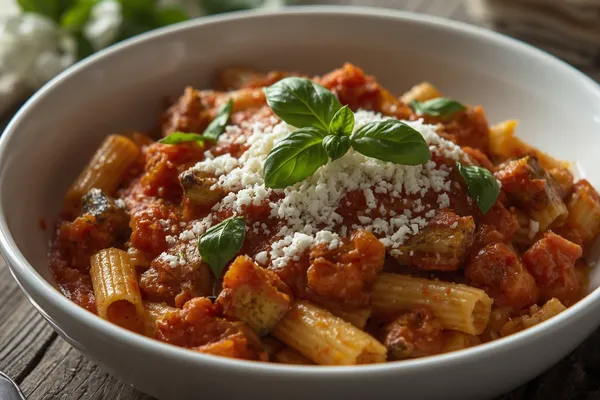
Pasta alla Norma (Sicilian Pasta with Fried Eggplant)
Catania's great eggplant pasta: fried aubergine folded into a bright tomato sauce, tossed with rigatoni, and showered with salty ricotta salata and torn basil. A vegetarian dish that eats like a celebration.
Iran — a national dish cooked from Tehran and Tabriz to Shiraz, with the herb blend shifting from province to province · Persian
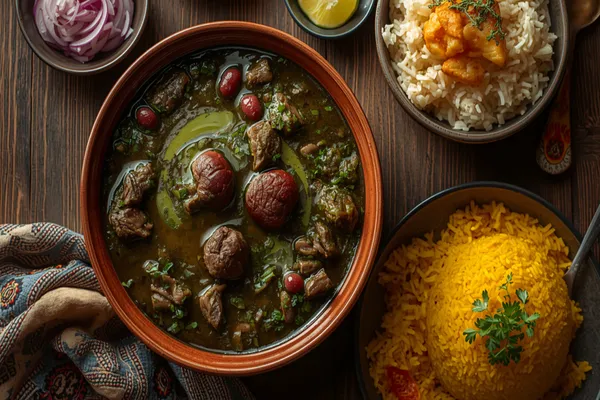
Ghormeh Sabzi (Persian Herb Stew)
Iran's national stew — kilos of parsley, coriander and fenugreek fried down to a near-black green, simmered for hours with lamb, red kidney beans and dried Persian limes until the whole pot turns deep, sour and unmistakably Persian.
Iran — the Caspian rice provinces of Gilan and Mazandaran, refined in the court kitchens of Isfahan and Tehran · Persian
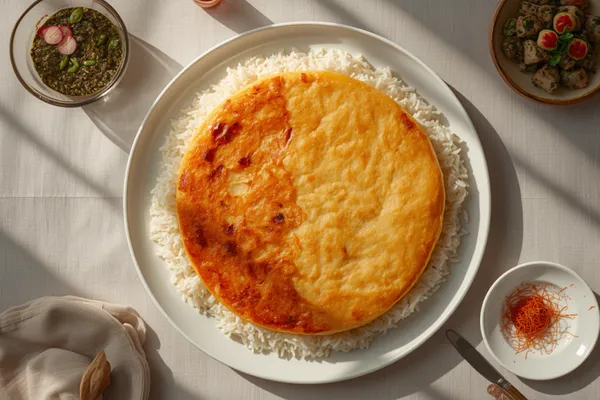
Tahdig (Persian Crispy Rice Crust)
The golden, shattering crust at the bottom of a Persian rice pot — saffron, yogurt and long-grain rice fried slowly into a single lacquered disc, inverted onto the platter and fought over before anyone touches the stew.