Havana, Cuba (early 1900s) · Cuban
Cuba Libre (Rum, Cola & Fresh Lime)
More than a rum and coke — the Cuba Libre is the same drink done right, with a real squeeze of fresh lime that transforms it. The history, the ratio, and why the lime is the whole point.
Published June 26, 2026
Cultural context
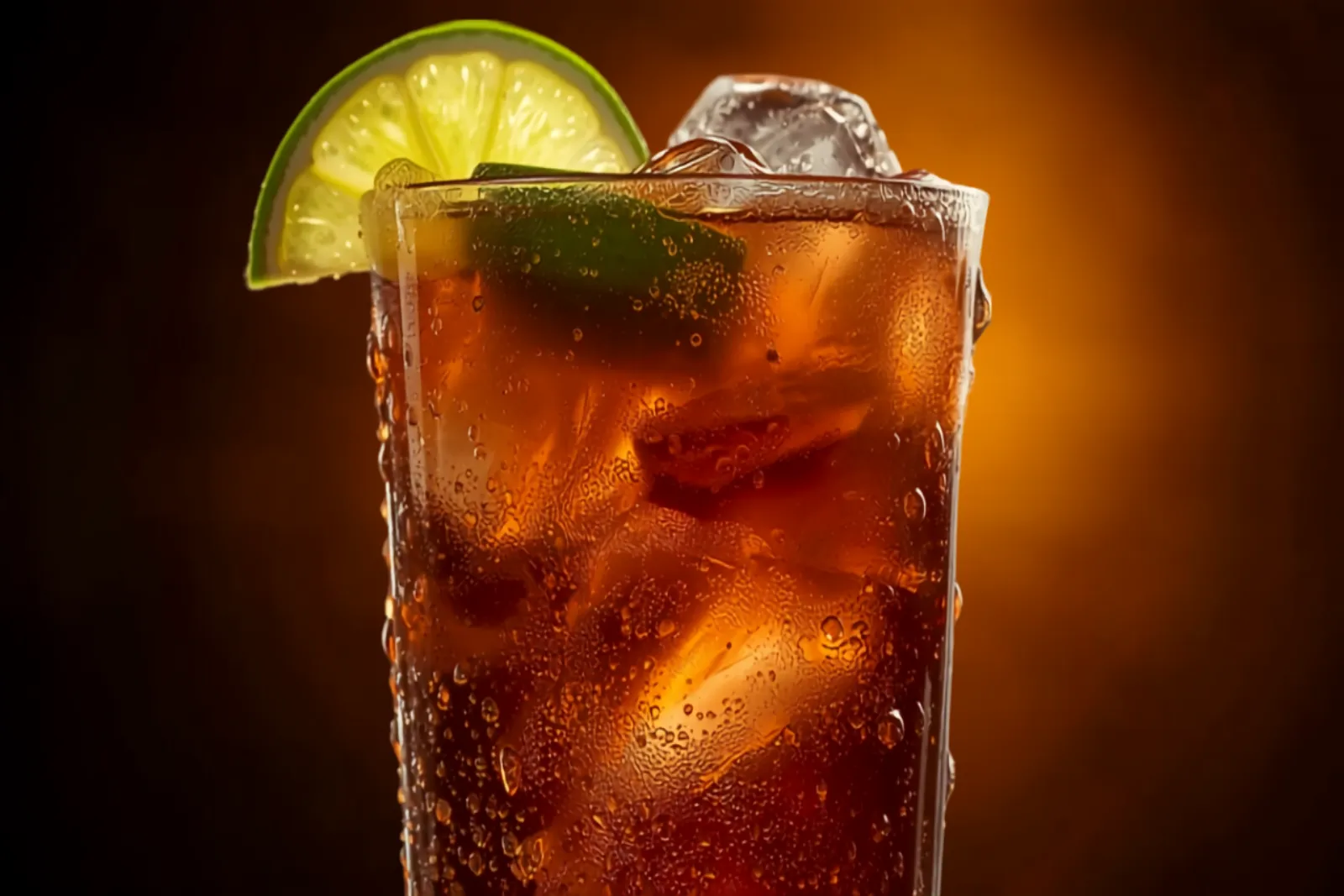
Born in Havana around the turn of the 20th century, when American cola met Cuban rum after the Spanish-American War, the drink took its name — 'Free Cuba' — from the independence rallying cry. What separates a Cuba Libre from a plain rum and coke is the fresh lime: squeezed in and dropped in the glass, it turns a soda into a cocktail.
The Cuba Libre is what a rum and coke becomes when you take it seriously. Same rum, same cola — but a real squeeze of fresh lime, and the spent shell dropped in, turns a fridge-door soda into a balanced Havana classic.
The lime is the whole drink
This is the one rule. Bottled lime or a token wedge on the rim won’t do it: juice half a fresh lime straight into the glass and drop the shell in. That brightness against the sweet cola is the entire difference.
Build it tall and fizzy
Ice, lime, rum, then cola last and gentle to keep the fizz. One soft stir to lift the lime — no more, or you’ll flatten it.
Rum you’d sip
Cola is forgiving but not magic. A decent white or gold rum makes it; a harsh one shows through. For rum’s minty Havana sibling, try the Mojito. More in the Drinks guide.
Ingredients
- 50 ml (1.75 oz) white or gold rum A decent aged or gold rum lifts it from soda to cocktail; white rum keeps it lighter.
- Top, about 120 ml (4 oz) cola
- Half a lime fresh lime, juiced and the spent shell dropped in The defining ingredient — fresh lime is what separates a Cuba Libre from a plain rum and coke.
- lime wedge, to garnish
- ice
Method
Tap a step’s number to check it off as you go.
-
Fill a tall highball glass with ice and squeeze in the juice of half a lime, dropping the spent shell into the glass.
Why: The shell keeps releasing oils and a faint bitterness from the peel as you drink, deepening the lime flavour.
-
Pour in the rum, then top with cold cola.
Why: Adding cola last and gently preserves the fizz — a flat Cuba Libre is a sad one.
-
Give it one gentle stir and garnish with a fresh lime wedge.
Why: A single stir lifts the lime from the bottom without knocking out the carbonation.
A quick, anonymous tap — no review needed.
Variations
- Aged rum
Use a good aged Cuban-style rum for a richer, more sippable drink.
- Diet
Use sugar-free cola for a lighter, drier version — the lime keeps it interesting.
- Spiced
Spiced rum adds vanilla and warm-spice notes that play well with cola.
Serving & Storage
Serve tall and cold over plenty of ice. Best fresh and fizzy — drink it while it's lively.
Pairs with: Cuban sandwich, Plantain chips, Citrus-marinated pork, Black beans and rice.
Storage: Make to order — carbonation doesn't keep. Have rum, cola and limes ready and build per glass.
Nutrition
Per serving (1 cocktail (~200 ml))
- Calories
- 180
- Protein
- 0 g
- Carbs
- 20 g
- Fat
- 0 g
- Fiber
- 0 g
- Sugar
- 19 g
- Sodium
- 10 mg
Estimated using standard ingredient data. Values vary with brands and substitutions.
Frequently Asked Questions
What's the difference between a Cuba Libre and a rum and coke?
The lime. A rum and coke is just two ingredients; a Cuba Libre adds fresh-squeezed lime (and traditionally the spent shell), which brightens and balances the sweetness into a proper cocktail.
What rum is best?
A Cuban-style white or gold rum is traditional. White keeps it light and crisp; a good gold or aged rum makes it richer and more sippable. Avoid harsh, cheap rum — the cola won't hide it.
Why drop the lime shell in?
As you drink, the shell slowly releases oils and a touch of pith bitterness that round out the lime and keep the drink from tasting flatly sweet.
From our kitchen community
Ratings & Reviews
My Rating
Tap a star to rate — no sign-in, no form needed.
My Review
0 Ratings
🥣 0 home cooks made it!
Be the first to rate Cuba Libre (Rum, Cola & Fresh Lime).
Related Recipes
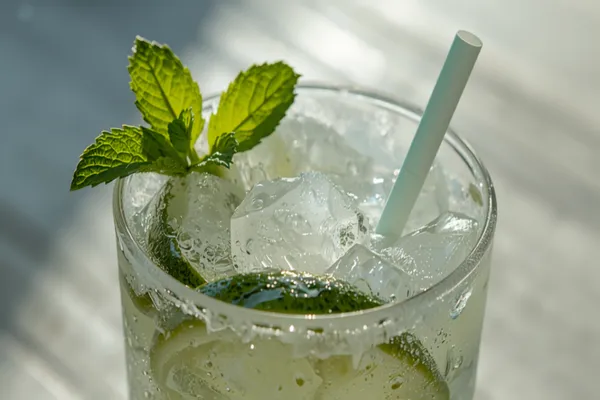
Havana, Cuba · Cuban
Mojito (Cuban Rum, Lime & Mint Highball)
Cuba's bright, minty rum cooler — white rum, fresh lime, sugar, mint and soda. How to muddle mint without making it bitter, and the right way to build a tall, refreshing mojito.
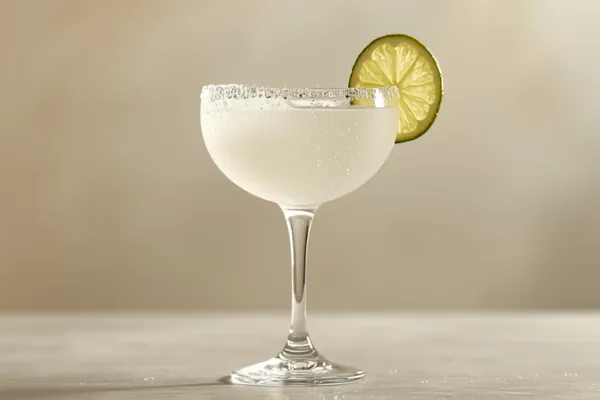
Santiago de Cuba (the Daiquirí beach and mines) · Cuban
Daiquiri (The Classic Rum Sour)
The real daiquiri — white rum, fresh lime and sugar, shaken cold and served up. No blender, no slush. Three ingredients, perfect balance, and the benchmark of a good bartender.
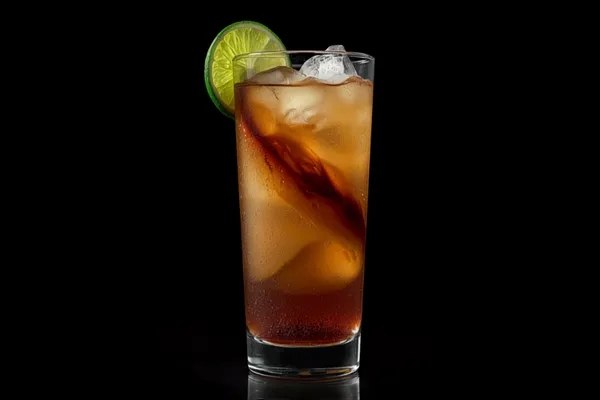
Bermuda · Bermudian
Dark 'n' Stormy (Dark Rum & Ginger Beer)
Bermuda's national drink and a two-ingredient masterclass — spicy ginger beer poured tall, then dark rum floated on top so it rolls through like a storm cloud. Fresh lime, the right rum, and why the float matters.