Paris (1920s) · French
Mimosa (Champagne & Orange Juice)
The brunch classic done properly — cold sparkling wine and fresh orange juice in equal parts, poured in the right order so it stays bright and bubbly. The ratio, the order, and the wine that matters.
Published June 26, 2026
Cultural context
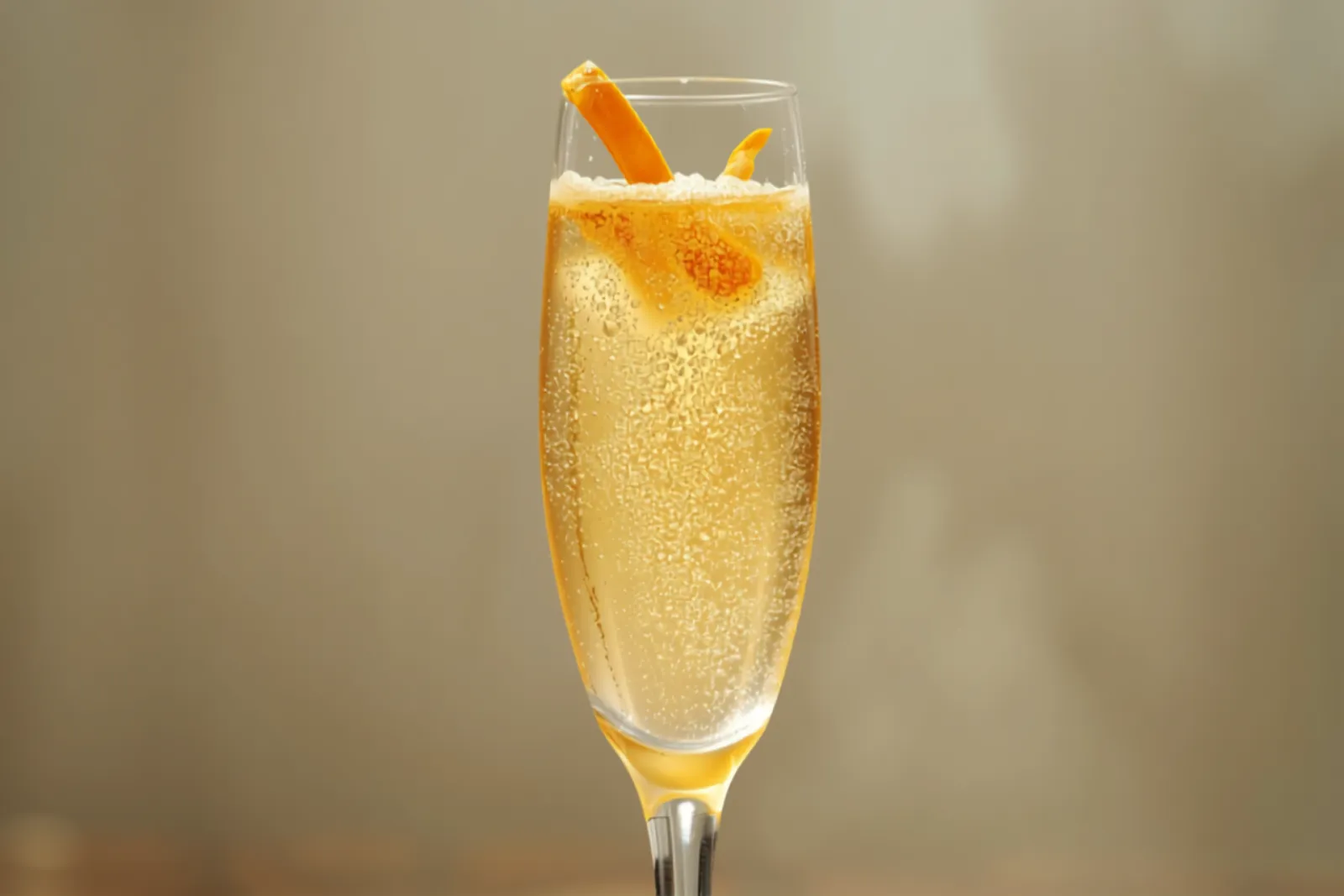
Named for the yellow mimosa flower it resembles, the drink dates to 1920s Paris (the Ritz is often credited) and is a near-twin of the older Buck's Fizz from London's Buck's Club. Two ingredients, equal parts — it became the defining brunch cocktail of the late 20th century.
The Mimosa is the brunch cocktail — cold sparkling wine and fresh orange juice, equal parts, poured to keep the bubbles alive. Two ingredients, but order and temperature make the difference between bright and flat.
Juice first, wine slow
Pour the orange juice into a cold flute, then top slowly with sparkling wine down the side of the glass. That order means you never have to stir, so the bubbles survive. Don’t stir, and serve at once.
Fresh juice, any sparkling wine
You don’t need Champagne — a dry, well-chilled Prosecco or Cava is perfect and cheaper. What you do need is fresh-squeezed orange juice; it’s the whole upgrade from a sweet, dull Mimosa to a bright one.
Build a bar
Set out chilled wine, a few juices and some fruit and let everyone make their own. For the peach version, see the Bellini. More in the Drinks guide.
Ingredients
- 75 ml (2.5 oz) chilled sparkling wine (Prosecco, Cava or Champagne) It doesn't need to be Champagne — a dry, well-chilled Prosecco or Cava makes an excellent, affordable Mimosa.
- 75 ml (2.5 oz) fresh orange juice, cold Fresh-squeezed is the whole difference between a great Mimosa and a sweet, flat one.
- orange twist, optional, to garnish
Method
Tap a step’s number to check it off as you go.
-
Make sure both the wine and the juice are thoroughly chilled. Pour the orange juice into a flute first.
Why: Cold ingredients keep the bubbles lively; juice first means you don't have to stir and knock the fizz out of the wine.
-
Top slowly with the sparkling wine, pouring down the side of the glass.
Why: A slow pour down the side preserves the carbonation — a Mimosa lives and dies on its bubbles.
-
Don't stir; garnish with an orange twist if you like and serve immediately.
Why: Stirring flattens it; serving at once keeps it cold and sparkling.
A quick, anonymous tap — no review needed.
Variations
- Buck's Fizz
Use a 2:1 ratio of wine to juice for the boozier London cousin of the Mimosa.
- Other juices
Swap the orange for grapefruit, pomegranate or peach for a different fruit Mimosa.
- Mimosa bar
Set out chilled sparkling wine with several juices and fruit so guests build their own.
Serving & Storage
Serve ice-cold in a flute, immediately and un-stirred. The classic brunch drink — light, low-strength and bright.
Pairs with: Eggs Benedict, Pastries, Smoked salmon, Fruit salad.
Storage: Make to order — bubbles don't keep. Keep the wine and juice cold and pour fresh.
Nutrition
Per serving (1 cocktail (~150 ml))
- Calories
- 120
- Protein
- 1 g
- Carbs
- 12 g
- Fat
- 0 g
- Fiber
- 0 g
- Sugar
- 9 g
- Sodium
- 5 mg
Estimated using standard ingredient data. Values vary with brands and substitutions.
Frequently Asked Questions
Do I need real Champagne?
No. A dry, well-chilled Prosecco or Cava makes a lovely Mimosa for a fraction of the price. Save the Champagne for sipping; the orange juice will mask its finer points anyway.
Which goes in first, juice or wine?
Juice first, then top slowly with the wine. That way you don't need to stir — which would flatten the bubbles — and the drink mixes gently on its own.
Fresh or carton orange juice?
Fresh-squeezed makes a noticeably brighter, less sweet drink. It's the single biggest upgrade you can make to a Mimosa.
From our kitchen community
Ratings & Reviews
My Rating
Tap a star to rate — no sign-in, no form needed.
My Review
0 Ratings
🥣 0 home cooks made it!
Be the first to rate Mimosa (Champagne & Orange Juice).
Related Recipes
Venice, Italy · Italian
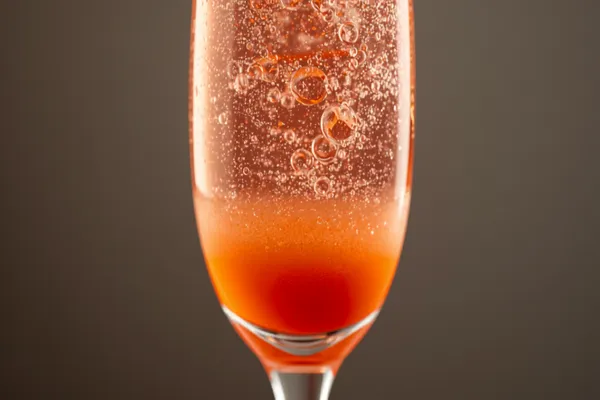
Bellini (Prosecco & White Peach Purée)
Venice's most elegant aperitivo — fresh white peach purée topped with cold Prosecco, soft pink and barely sweet. The Harry's Bar original, why white peaches matter, and the careful pour.
Paris (Harry's New York Bar, c. 1915) · French / American
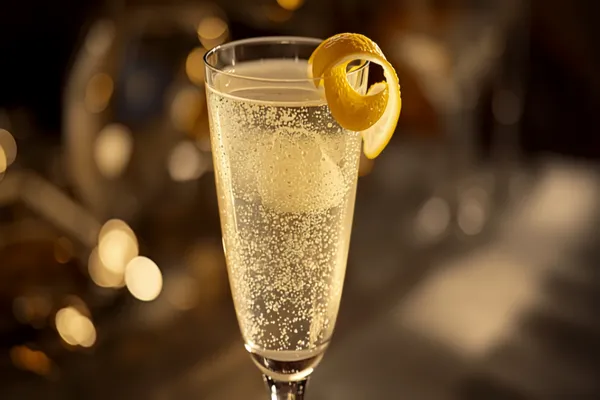
French 75 (Gin, Lemon & Champagne)
Gin and lemon shaken cold, then lengthened with Champagne — a sparkling, celebratory cocktail named for a field gun because it hits with a kick. Bright, elegant and dangerously easy to drink.
Veneto, Northern Italy (Venice & Padua) · Italian
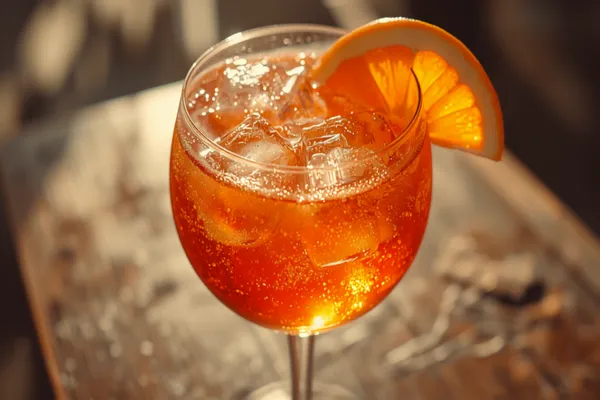
Aperol Spritz (The Italian Sunset Aperitivo)
Italy's golden-hour spritz: Aperol, Prosecco and soda over ice with an orange slice. The 3-2-1 ratio, why the order you pour matters, and the lightest world-famous aperitivo.