Paris (Harry's New York Bar, c. 1915) · French / American
French 75 (Gin, Lemon & Champagne)
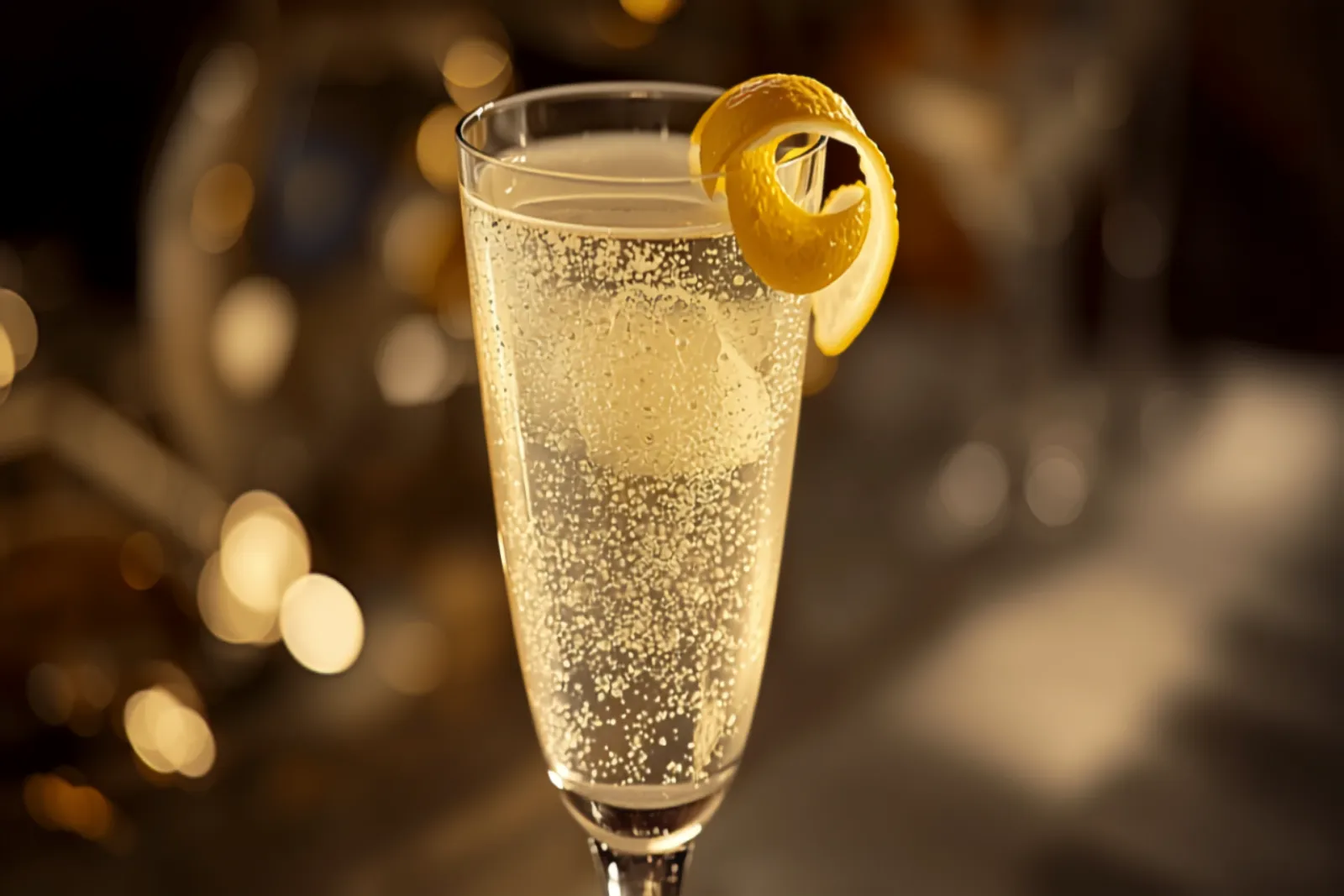
Gin and lemon shaken cold, then lengthened with Champagne — a sparkling, celebratory cocktail named for a field gun because it hits with a kick. Bright, elegant and dangerously easy to drink.
Published June 22, 2026
Cultural context
The French 75 took shape at Harry's New York Bar in Paris around the First World War and was named for the French 75 mm field gun — the joke being that the drink had a comparable kick. Gin, lemon and Champagne make it both a cocktail and a celebration in a glass, a fixture of New Year's and anniversaries ever since.
The French 75 is celebration in a glass: gin and lemon shaken cold, then lengthened with Champagne. It came together at Harry’s New York Bar in Paris around the First World War and was named for a field gun — the joke being that it hits with a comparable kick.
Shake the base, not the bubbles
Shake the gin, lemon and a little syrup with ice until cold, then strain into a chilled flute. You never shake the Champagne — it goes in last, poured gently so the fizz stays bright.
Keep it cold
A pre-chilled glass and freshly opened, well-chilled sparkling wine make all the difference between a lively French 75 and a flat one. The wine doesn’t need to be expensive — a dry brut cava or prosecco is perfect.
Finish with lemon
A long twist of lemon over the top releases citrus oil that lifts the whole drink. Drop the syrup if your wine is sweeter, or use cognac for the warmer, arguably-original version. Compare with the Aperol Spritz. More in the Drinks guide.
Ingredients
- 30 ml (1 oz) gin A London Dry is classic. Cognac is the historic alternative — some argue the original was brandy-based.
- 15 ml (1/2 oz) fresh lemon juice
- 10 ml (1/3 oz) simple syrup (1:1)
- 60 ml (2 oz) Champagne or dry sparkling wine, chilled A dry brut. It doesn't need to be expensive, but it should be cold and freshly opened for the best fizz.
- long lemon twist, to garnish
- ice
Method
Tap a step’s number to check it off as you go.
-
Shake the gin, lemon juice and simple syrup with ice for about 10 seconds until cold.
Why: Shaking chills and combines the gin, citrus and sugar so they're fully integrated before the bubbles go in — you never shake the Champagne itself.
-
Strain into a chilled Champagne flute or coupe.
Why: A pre-chilled glass keeps the drink cold and the bubbles lively; a flute concentrates the aroma and shows off the sparkle.
-
Top gently with cold Champagne and garnish with a long lemon twist.
Why: Pour the bubbles slowly so they don't foam over, and add at the end so the carbonation stays bright. The lemon twist's oil lifts the whole drink.
A quick, anonymous tap — no review needed.
Variations
- French 75 with cognac
Use cognac in place of gin for a warmer, fruitier, arguably-original version — sometimes called a French 76 when made with vodka.
- Less sweet
Drop the simple syrup to 5 ml or skip it if your sparkling wine is on the sweeter side, for a crisper, drier drink.
- Batch for a toast
Pre-mix the gin, lemon and syrup; chill. Pour a measure into each chilled flute and top with Champagne as guests arrive.
Serving & Storage
A celebration and aperitif drink — New Year's, brunch, a toast. Light and bright, it goes with canapés, oysters and anything festive.
Pairs with: Oysters, Canapés, Smoked salmon, Brie.
Storage: Mix the gin-lemon-syrup base ahead and chill; add the Champagne only when serving so it stays sparkling.
Nutrition
Per serving (1 cocktail (~120 ml))
- Calories
- 165
- Protein
- 0 g
- Carbs
- 10 g
- Fat
- 0 g
- Fiber
- 0 g
- Sugar
- 8 g
- Sodium
- 5 mg
Estimated using standard ingredient data. Values vary with brands and substitutions.
Frequently Asked Questions
Gin or cognac — which is correct?
Both have a claim. Many early references point to cognac, and it makes a rounder, fruitier drink; the modern standard is gin, which is crisper and more citrus-friendly. Use whichever you prefer — they're both 'authentic' French 75s depending on which bit of history you trust.
Do I have to use real Champagne?
No — any dry (brut) sparkling wine works beautifully: cava, prosecco or a domestic sparkling. It should be cold and freshly opened for good fizz. Save the vintage Champagne for sipping; a solid, inexpensive brut is perfect here.
Flute or coupe?
Either. A flute keeps the bubbles going longer and looks elegant; a coupe is more old-school and releases more aroma. Chill whichever you use — a cold glass is the difference between a lively French 75 and a flat one.
From our kitchen community
Ratings & Reviews
My Rating
Tap a star to rate — no sign-in, no form needed.
My Review
0 Ratings
🥣 0 home cooks made it!
Be the first to rate French 75 (Gin, Lemon & Champagne).
Related Recipes
Veneto, Northern Italy (Venice & Padua) · Italian
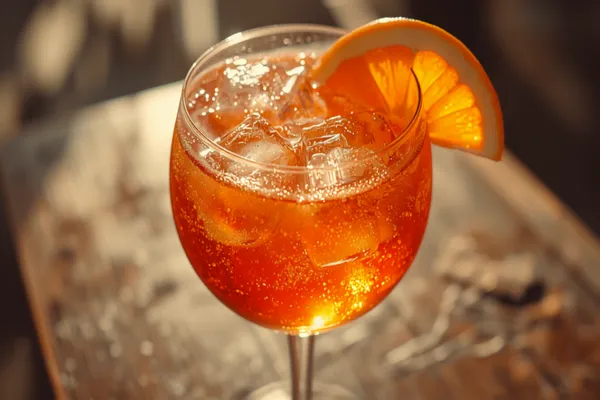
Aperol Spritz (The Italian Sunset Aperitivo)
Italy's golden-hour spritz: Aperol, Prosecco and soda over ice with an orange slice. The 3-2-1 ratio, why the order you pour matters, and the lightest world-famous aperitivo.
British India / United Kingdom (19th century) · British
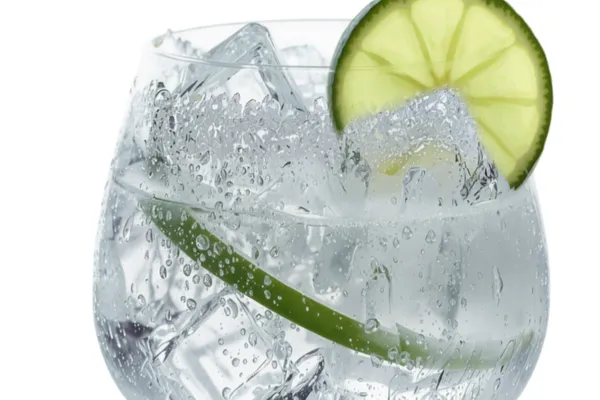
Gin & Tonic (Done Properly)
Good gin, cold tonic, plenty of ice and the right garnish — the most quietly perfect of all the highballs. A two-ingredient drink that rewards every small detail, from a born-of-empire medicine to the world's favourite long drink.
New York / Miami (1980s–90s) · American
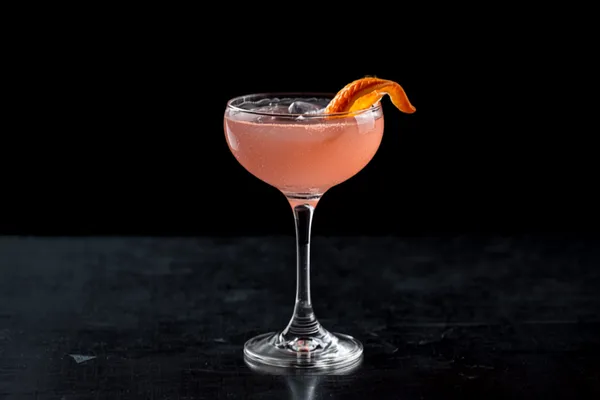
Cosmopolitan (The Modern Classic)
Citrus vodka, Cointreau, lime and a splash of cranberry, shaken hard and served up in a chilled coupe. The 1990s icon done right — tart, not sweet, with a bright pink blush and a flamed orange twist.