British India / United Kingdom (19th century) · British
Gin & Tonic (Done Properly)
Good gin, cold tonic, plenty of ice and the right garnish — the most quietly perfect of all the highballs. A two-ingredient drink that rewards every small detail, from a born-of-empire medicine to the world's favourite long drink.
Published June 22, 2026
Cultural context
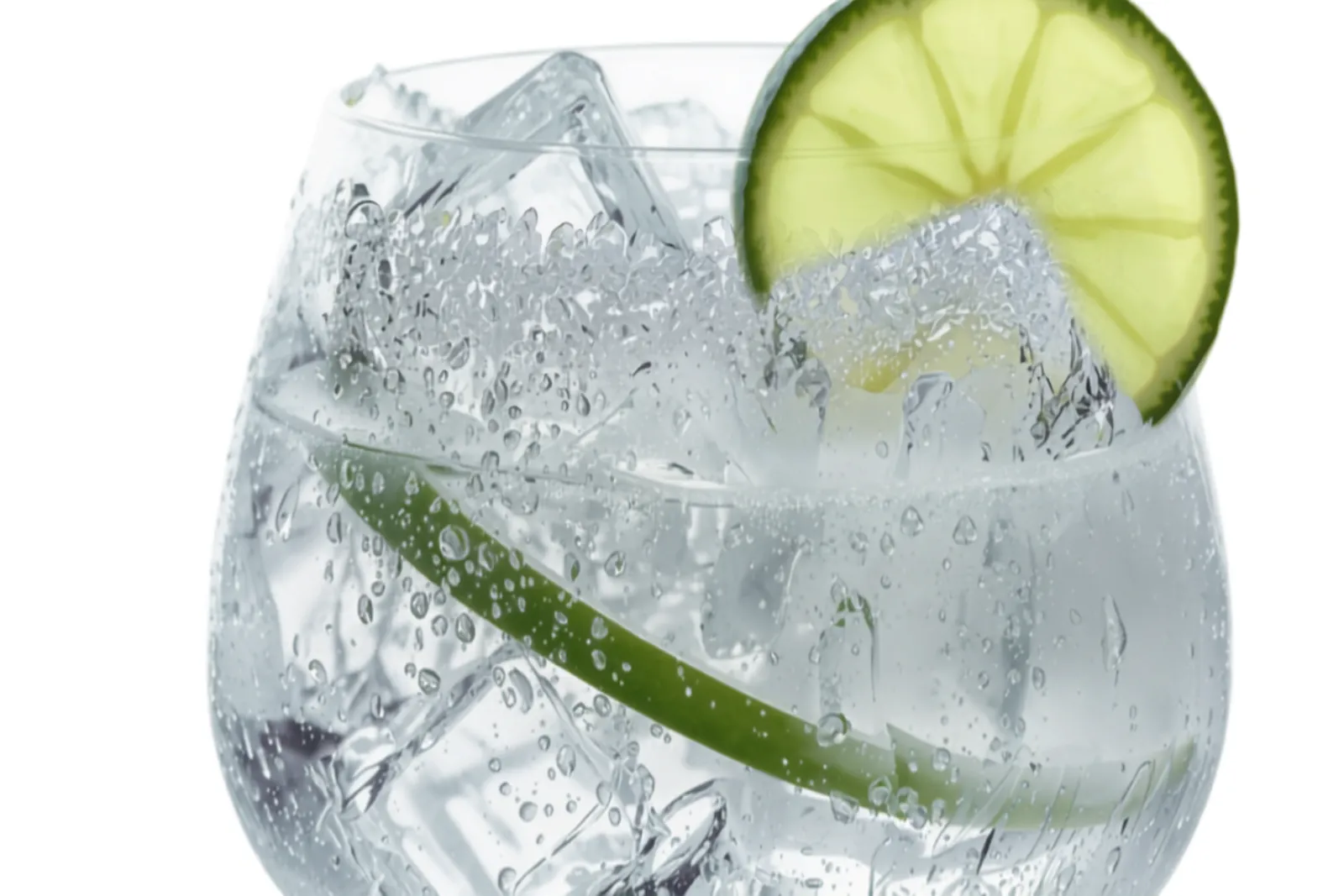
The Gin & Tonic began as practical medicine: British officers in 19th-century India took bitter, quinine-rich tonic to ward off malaria and softened it with gin, sugar and lime. The cure outlived the disease to become the defining British long drink — and, in Spain's balloon-glass 'gin tonic' tradition, a small art form.
The Gin & Tonic looks too simple to get wrong, which is exactly why so many are forgettable. Two ingredients means every detail counts — the gin, the tonic, the ice, the garnish. Get them right and it’s the most quietly perfect long drink there is.
Good gin, fresh tonic
Both ingredients are on full display, so use a gin you like and open the tonic fresh — flat, cheap tonic is the usual culprit behind a dull G&T. Around 1:3 gin to tonic is the classic ratio; adjust to taste.
Ice it properly
Fill the glass right to the top with big cubes. More ice melts slower, so the drink stays cold and crisp instead of warm and watery — under-icing is the single most common mistake.
Pour gently, garnish with intent
Add the tonic softly to keep the fizz, then match the garnish to the gin: lime for a classic London Dry, cucumber for a floral one. One stir, no hard squeeze. Compare with the Negroni and Aperol Spritz. More in the Drinks guide.
Ingredients
- 50 ml (1 2/3 oz) gin A classic London Dry for the textbook version; a citrus- or floral-forward gin if you want to match the garnish. Good gin matters — it's half the drink.
- 150 ml (5 oz) chilled tonic water Use good bottled tonic and open it fresh for maximum fizz. The cheaper, flatter stuff is the usual reason a G&T disappoints.
- 1 garnish — lime wedge, lemon, or cucumber and a few juniper berries
- plenty of ice — large cubes
Method
Tap a step’s number to check it off as you go.
-
Fill a large wine glass or highball right to the top with big ice cubes, then give them a stir and pour off any melt.
Why: More ice melts slower, so the drink stays cold and undiluted longer — under-icing is the classic mistake. Chilling the glass first helps even more.
-
Pour the gin over the ice, then add the cold tonic, pouring gently down the side or over a bar spoon.
Why: A gentle pour preserves the carbonation — the lively fizz carries the gin's aromatics to your nose, which is most of the pleasure.
-
Add the garnish without squeezing too hard, give one short stir, and serve.
Why: The garnish should complement the gin (lime for classic, cucumber for floral); a light touch keeps it aromatic rather than sour. One stir only, to keep the bubbles.
A quick, anonymous tap — no review needed.
Variations
- Spanish gin tonic
Build in a big balloon glass with a matched garnish — citrus peel, juniper, rosemary or pink peppercorns chosen to echo the gin's botanicals.
- Lower-sugar
Use a light or diet tonic, or stretch with a splash of soda, for a drier, less sweet drink that lets the gin lead.
- Mediterranean
A floral gin with cucumber, a basil leaf and a strip of lemon peel — fresh and herbaceous for summer.
Serving & Storage
The ultimate aperitif and warm-evening drink. Light, bitter and dry — it whets the appetite and goes with almost anything salty or fried.
Pairs with: Olives, Salted nuts, Fish and chips, Smoked salmon.
Storage: Build to order — tonic goes flat fast. Keep the gin and an unopened bottle of tonic cold so each drink is as fizzy as possible.
Nutrition
Per serving (1 drink (~200 ml))
- Calories
- 170
- Protein
- 0 g
- Carbs
- 16 g
- Fat
- 0 g
- Fiber
- 0 g
- Sugar
- 16 g
- Sodium
- 15 mg
Estimated using standard ingredient data. Values vary with brands and substitutions.
Frequently Asked Questions
What's the best gin-to-tonic ratio?
Around 1:3 gin to tonic is a good standard — about 50 ml gin to 150 ml tonic. Go to 1:2 if you want the gin to lead, or stretch to 1:4 for a longer, lighter drink. Taste and adjust; the 'right' ratio is the one you enjoy.
Why does my G&T taste flat?
Usually tired tonic or too little ice. Open a fresh bottle of good tonic for every round, fill the glass with plenty of big cubes (more ice melts slower), and pour the tonic gently to keep the fizz. Those three fixes solve almost every dull G&T.
Which garnish should I use?
Match it to the gin. A classic London Dry loves lime or lemon; a floral or cucumber-forward gin shines with a slice of cucumber; citrus-heavy gins take grapefruit or orange peel. The garnish should echo the gin's botanicals, not fight them — and go easy on the squeeze.
From our kitchen community
Ratings & Reviews
My Rating
Tap a star to rate — no sign-in, no form needed.
My Review
0 Ratings
🥣 0 home cooks made it!
Be the first to rate Gin & Tonic (Done Properly).
Related Recipes
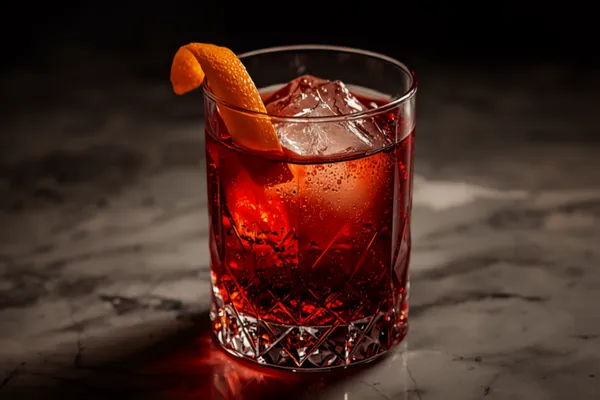
Florence, Italy (Tuscan aperitivo tradition) · Italian
Negroni (The Perfect Three-Part Aperitivo)
Equal parts gin, Campari and sweet vermouth, stirred over ice with an orange peel. Italy's great bitter aperitivo — the easiest world-class cocktail to remember and one of the hardest to improve on.
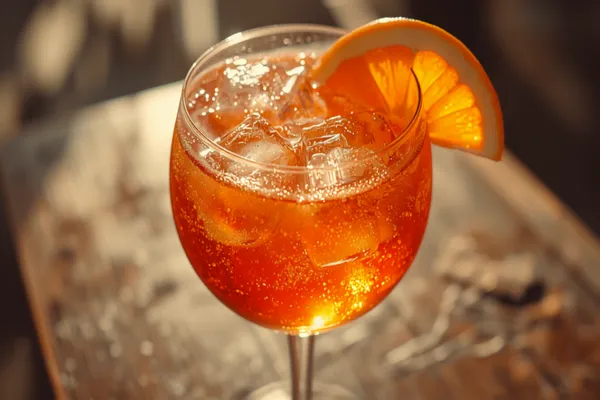
Veneto, Northern Italy (Venice & Padua) · Italian
Aperol Spritz (The Italian Sunset Aperitivo)
Italy's golden-hour spritz: Aperol, Prosecco and soda over ice with an orange slice. The 3-2-1 ratio, why the order you pour matters, and the lightest world-famous aperitivo.
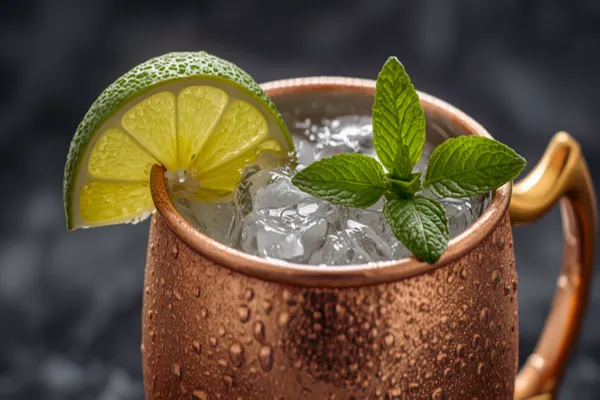
Los Angeles, California (1940s) · American
Moscow Mule (Vodka, Lime & Ginger Beer)
Vodka, fresh lime and spicy ginger beer over ice in a frosty copper mug. Three ingredients, endlessly refreshing — the highball that launched a thousand brunches, built in the glass in under two minutes.
London / United States (mid-19th century) · American / British
Tom Collins (Gin, Lemon & Soda Over Ice)
A gin sour lengthened with soda — the Tom Collins is tall, fizzy and endlessly refreshing. Fresh lemon, good gin, a little sugar and a long pour of soda water, served in its own glass.