Cultural Story · The Lowcountry (coastal South Carolina and Georgia)
The Gullah Geechee Roots of Lowcountry Cooking
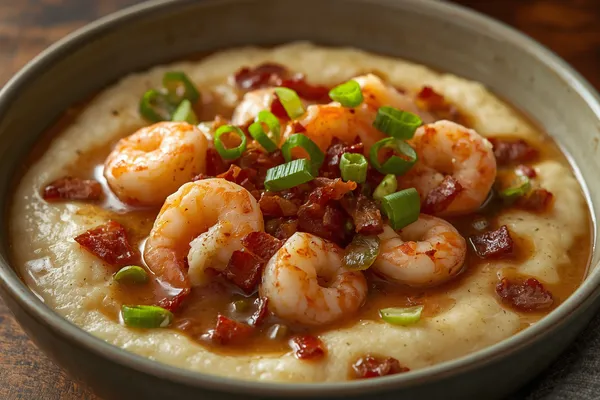
Shrimp and grits, red rice, gumbo, okra stew — the food the world calls 'Southern' was, on the coast, shaped by the Gullah Geechee, descendants of enslaved West Africans who built a distinct culture and cuisine along the Carolina and Georgia shore.
Published June 18, 2026
When a dish like shrimp and grits reaches a glossy restaurant menu in another city, it’s easy to forget where it came from. On the coast of South Carolina and Georgia, it came from the Gullah Geechee — the descendants of enslaved West and Central Africans whose culture, language, and cooking shaped the Lowcountry table more than any other influence. To cook this food well is to know that history, not as a footnote, but as the foundation.
A culture preserved by isolation
The Gullah Geechee lived, and many still live, along the sea islands and tidal coast from the Carolinas down into Georgia and northern Florida. The geography that made the region’s plantations brutal — hot, marshy, malarial lowlands — also kept these communities relatively isolated after emancipation. That isolation had an unexpected consequence: West African language, foodways, crafts like sweetgrass basketry, and spiritual practice survived here with a continuity found almost nowhere else in the United States. The Gullah language itself is a living English-based creole carrying African vocabulary and structure.
Rice was the beginning
You cannot understand Lowcountry cooking without understanding rice. Colonial Carolina grew fabulously wealthy on it, and that wealth rested on the agricultural expertise of enslaved Africans from the rice-growing regions of West Africa — people who knew how to cultivate, irrigate, and process a crop the colonists did not. The knowledge that built the economy also built the cuisine. Rice became the center of the plate: Carolina red rice simmered with tomato and smoked meat, Hoppin’ John with its field peas, and rice as the quiet partner to nearly every coastal stew.
The flavors that crossed the ocean
So much of what reads as “Southern” on the coast is West African in lineage. Okra — ngombo in some West African languages, the likely root of the word gumbo — came across the Atlantic and became central to the region’s stews. Benne, the African word for sesame, turns up in the Lowcountry’s wafers and brittles. Field peas, leafy greens cooked long and slow, the deep use of seafood from the creeks, the one-pot rice dishes: these are threads running back across the Middle Passage, rewoven on a new coast.
Cooking with respect
Honoring this food means a few concrete things. It means naming its origins rather than flattening it into generic “Southern comfort food.” It means understanding that dishes born of scarcity and resourcefulness — making much from little, wasting nothing, coaxing flavor from humble ingredients — carry the ingenuity of the people who created them. And it means recognizing the Gullah Geechee as a living culture, not a historical artifact: communities still fishing the same creeks, still cooking these dishes, still fighting to hold onto coastal land under enormous development pressure.
When you make shrimp and grits, you’re cooking a Gullah Geechee fisherman’s breakfast. That’s not a marketing story. It’s the truth of the dish, and it makes the cooking better to know it.
Ready to cook? Try our Lowcountry shrimp and grits, browse the full recipe collection, or read more cultural stories on the traditions behind the food.
Frequently Asked Questions
Who are the Gullah Geechee?
The Gullah Geechee are descendants of enslaved West and Central Africans who were brought to the coastal Lowcountry of South Carolina, Georgia, and northern Florida. Relative isolation on the sea islands let them preserve African language, foodways, crafts, and spiritual traditions to a degree unmatched elsewhere in the United States.
What foods come from Gullah Geechee cooking?
Many dishes now considered broadly 'Southern' have Gullah Geechee and West African roots: shrimp and grits, Carolina red rice, okra stews and gumbo, Hoppin' John, benne (sesame) wafers, and the rice-centered cooking that defined the coast.
Why is rice so central to Lowcountry food?
The Carolina colony's wealth was built on rice, and that industry depended on the agricultural knowledge of enslaved West Africans from rice-growing regions. Rice became the staple of the table as well as the economy, which is why so much Lowcountry cooking is built around it.