The Lowcountry (coastal South Carolina and Georgia) · American Southern
Lowcountry Shrimp and Grits
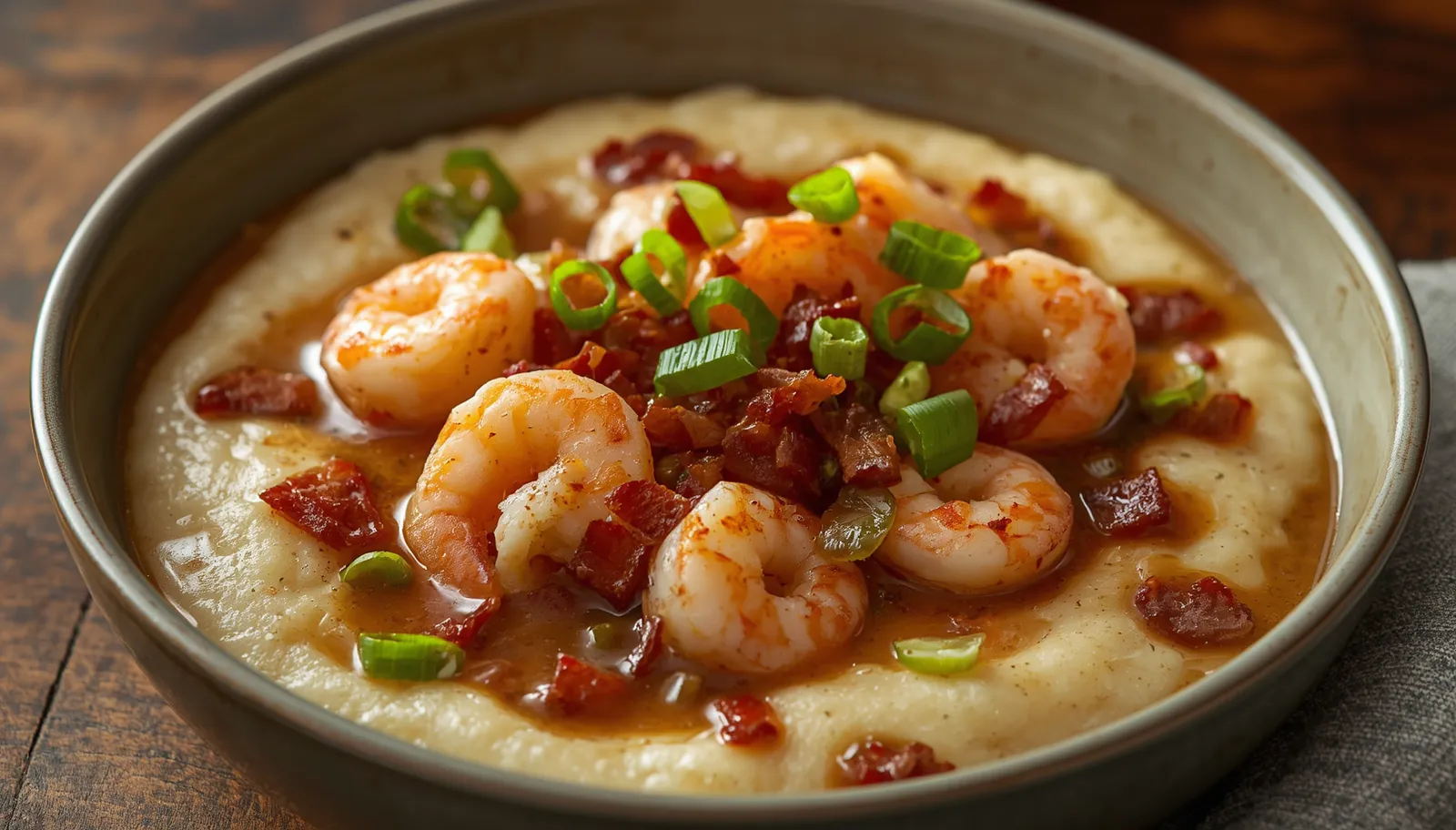
The South Carolina coast in a bowl: sweet shrimp in a savory, peppery gravy spooned over a pot of slow-cooked, properly creamy stone-ground grits. A Gullah Geechee breakfast that became a Southern icon.
Published June 19, 2026
Cultural context
Shrimp and grits began as a Gullah Geechee fisherman's breakfast along the South Carolina and Georgia coast — shrimp caught at dawn, cooked simply, and served over grits, the ground-corn porridge at the center of Lowcountry cooking. Long a humble home dish, it was carried into restaurant fame in the 1980s but remains, at heart, the food of the coastal Black communities who created it.
Shrimp and grits is coastal Carolina in a single bowl: sweet shrimp in a peppery, bacon-laced gravy spooned over a pot of slow-cooked grits. It started as a Gullah Geechee fisherman’s breakfast — shrimp pulled from the tidal creeks at dawn, cooked simply, and served over the ground-corn porridge that anchors Lowcountry cooking. For generations it was plain home food. Then, in the 1980s, a Chapel Hill chef put it on a dinner menu and the wider world discovered what coastal Black communities had known all along.
That history matters, and it’s worth knowing before you cook the dish; we’ve told it in full in the Gullah Geechee roots of Lowcountry cooking. What follows is a version faithful to its origins: real stone-ground grits and a proper shrimp gravy, not a quick stir-together.
Grits are not a side dish here — they’re the foundation
Everything rests on the grits, so use stone-ground, not instant, and give them the forty unhurried minutes they need. Stone-ground grits are dried, coarsely milled corn; they hydrate slowly into something creamy but still toothsome, with real corn sweetness. Keep them loose with extra liquid as they thicken, stir so they don’t catch, and finish with butter. Cheese is a modern, optional flourish — the traditional Lowcountry plate is plain grits letting the shrimp gravy shine.
A gravy built on the coast’s pantry
The gravy is pure Lowcountry economy: render bacon, soften onion and green pepper in the fat, build a light gravy with a spoon of flour and some stock, and let the shrimp cook in it for just a couple of minutes. If you peeled your own shrimp, simmer the shells into the stock first — it’s free, intense flavour. Finish with Worcestershire, lemon, and hot sauce, the three notes that keep the richness bright.
Timing is everything
Shrimp overcook in seconds, and grits stiffen as they cool, so this is a dish you finish and serve at once. Have the grits creamy and ready, make the gravy while they hold on low heat, and add the shrimp last. Spoon the grits into a wide bowl, ladle the shrimp and gravy over so it pools at the edges, and bring the hot sauce to the table.
Want to go deeper on Southern cooking? Browse the full recipe collection, or read more cultural stories on the traditions behind the food.
Ingredients
For the grits
- 1 cup stone-ground grits Stone-ground, not instant or quick — they take longer but give real corn flavour and texture. Anson Mills and Geechie Boy are benchmark brands.
- 4 cups water (plus more as needed)
- 1 cup whole milk Added partway through for creaminess; some cooks use stock for the first half.
- 3 tbsp butter
- 1/2 cup sharp cheddar (optional) Cheese grits are a modern, popular addition; leave it out for a more traditional plain grit.
For the shrimp gravy
- 450 g (1 lb) large shrimp, peeled and deveined Wild-caught Gulf or Atlantic shrimp if you can. Save the shells — see step one.
- 4 strips bacon Cut crosswise into lardons; its rendered fat is the cooking medium.
- 1 small onion, finely diced
- 1 green bell pepper, finely diced
- 2 cloves garlic, minced
- 1 tbsp all-purpose flour To thicken the gravy lightly.
- 1 cup shrimp or chicken stock
- hot sauce, Worcestershire, lemon, salt, black pepper, and sliced scallions to finish
Method
Tap a step’s number to check it off as you go.
-
Start the grits first. Bring the water to a boil, whisk in the grits, drop to a low simmer, and cook 30–40 minutes, stirring often and adding the milk and water as they thicken. Finish with butter, salt, and cheese if using.
Why: Stone-ground grits need time and liquid to turn creamy; the slow simmer hydrates the corn fully. Stirring stops them catching, and the staggered liquid keeps them loose. Rushed grits are gritty grits.
-
If you saved the shrimp shells, simmer them in the stock for 10 minutes while the grits cook, then strain. Toss the peeled shrimp with salt, pepper, and a dash of hot sauce.
Why: A quick shell stock is free, intense shrimp flavour that turns a good gravy into a great one. Seasoning the shrimp directly means they're flavoured through, not just sauced.
-
Render the bacon in a large skillet until crisp; lift it out, leaving the fat. Cook the onion and bell pepper in the bacon fat until soft, 5–6 minutes, then add the garlic for a minute.
Why: Building the gravy on rendered bacon fat and the soft pepper-onion base is the Lowcountry backbone of the dish.
-
Stir in the flour and cook 1 minute, then whisk in the shrimp stock. Simmer until it thickens into a light gravy, 3–4 minutes.
Why: Cooking the flour briefly removes its raw taste; the stock then thickens into a silky, spoonable gravy rather than a paste.
-
Add the shrimp and cook just 2–3 minutes, until pink and curled. Finish with Worcestershire, a squeeze of lemon, the crisp bacon, and scallions. Taste for salt and heat.
Why: Shrimp cook in moments; pull them the instant they turn opaque or they'll go rubbery. The acid and Worcestershire at the end lift the whole gravy.
-
Spoon the creamy grits into bowls and ladle the shrimp and gravy over the top.
Why: Serve immediately — grits firm up as they cool, so the contrast of loose grits and saucy shrimp is best the moment it hits the bowl.
A quick, anonymous tap — no review needed.
Variations
- Gluten-free
Thicken the gravy with a cornstarch slurry instead of flour, or reduce the stock a little longer to thicken naturally. Grits are naturally gluten-free.
- Pork-free
Skip the bacon and start the gravy in olive oil or butter; add a little smoked paprika for the smoky note the bacon would have given.
- Lighter
Make the grits with stock and a smaller amount of butter, skip the cheese, and lean on the shrimp stock for richness instead.
Serving & Storage
Serve in wide, shallow bowls so the gravy pools into the grits. Hot sauce on the table is non-negotiable in the Lowcountry. A side of collard greens or a simple tomato salad rounds it out.
Pairs with: Collard greens, Buttermilk biscuits, Hot sauce, A crisp lager or sweet tea.
Storage: Best fresh. Leftover grits firm up but loosen again with a splash of milk or water over low heat. The shrimp gravy keeps a day; reheat gently so the shrimp don't toughen.
Nutrition
Per serving (1 bowl (1/4 recipe))
- Calories
- 520
- Protein
- 31 g
- Carbs
- 42 g
- Fat
- 25 g
- Fiber
- 3 g
- Sugar
- 5 g
- Sodium
- 980 mg
Notable micronutrients: Selenium, Vitamin B12, Iodine
Estimated using standard ingredient data. Values vary with brands and substitutions.
Frequently Asked Questions
What are the best grits to use?
Stone-ground grits, not instant or quick-cooking. They take 30–40 minutes but deliver real corn flavour and a creamy-yet-textured bite that instant grits can't match. Look for brands like Anson Mills or Geechie Boy if you can find them.
Should shrimp and grits have cheese?
Traditionally, no — the original Lowcountry version is plain grits with a savory shrimp gravy. Cheese grits are a delicious, popular modern addition, so it's your call. We've made it optional.
How do I keep the shrimp from going rubbery?
Cook them only 2–3 minutes, just until they turn pink and curl into a loose C-shape. A tight O-shape means they're overcooked. Add them at the very end and pull the pan the moment they're opaque.
What to drink with this
All drinks →Hand-picked pours to match this dish. Alcoholic pairings are for adults of legal drinking age (21+ in the US) — please drink responsibly.
 21+
21+ Kentucky, American South · American
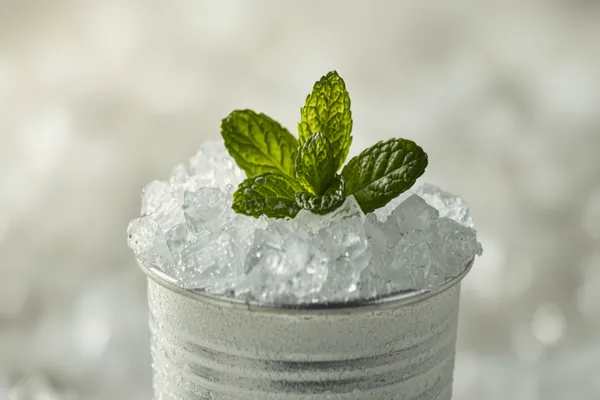
Mint Julep (The Kentucky Derby Classic)
The American South's iconic bourbon cooler: good bourbon, fresh mint and sugar over a mountain of crushed ice. How to muddle the mint gently and frost the cup the proper way.
 21+
21+ United States (turn of the 20th century) · American
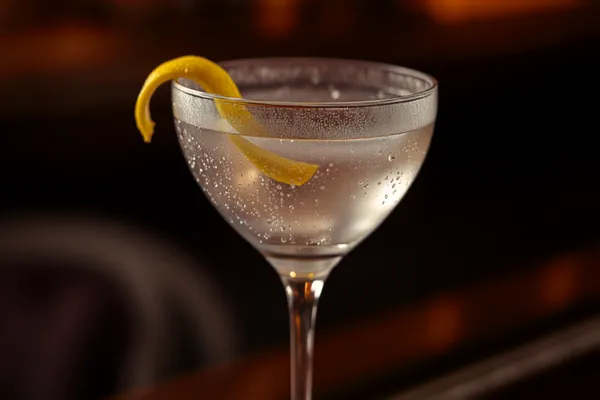
Dry Martini (Gin, Vermouth & a Cold Glass)
The original cocktail of cocktails — good gin, a measure of dry vermouth, stirred long over ice and served brutally cold. The ratios, the stir, and why a Martini is shaken or stirred for a reason.
Mexico (agua fresca tradition) · Mexican
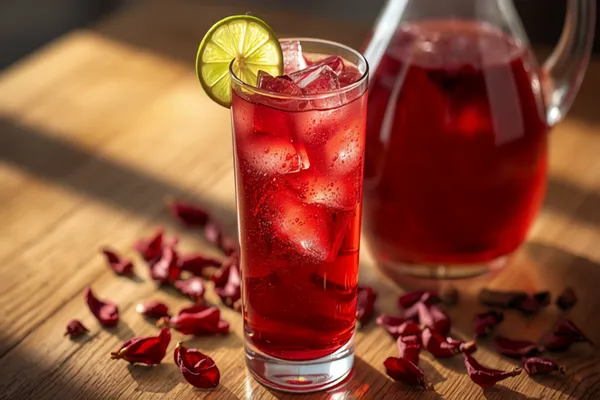
Agua de Jamaica (Hibiscus Iced Tea)
Mexico's ruby-red hibiscus cooler: dried jamaica flowers steeped, sweetened and chilled into a tart, refreshing agua fresca. The right steep, how to control the tartness, and why it's so good for you.
From our kitchen community
Ratings & Reviews
My Rating
Tap a star to rate — no sign-in, no form needed.
My Review
0 Ratings
🥣 0 home cooks made it!
Be the first to rate Lowcountry Shrimp and Grits.
Related Recipes
Further reading
- Cultural Story · The Lowcountry (coastal South Carolina and Georgia)The Gullah Geechee Roots of Lowcountry CookingShrimp and grits, red rice, gumbo, okra stew — the food the world calls 'Southern' was, on the coast, shaped by the Gullah Geechee, descendants of enslaved West Africans who built a distinct culture and cuisine along the Carolina and Georgia shore.
- Cultural Story · InternationalWorld Classics: A Cook's Tour Beyond IndiaTable & Traditions is India-first, but the world has a place at this table too. A guide to our curated international slice — the European, East Asian, Southeast Asian, Middle Eastern and North African, and American dishes worth cooking, and where to begin with each.