Greece · Greek
Greek Moussaka (Layered Eggplant and Lamb Bake)
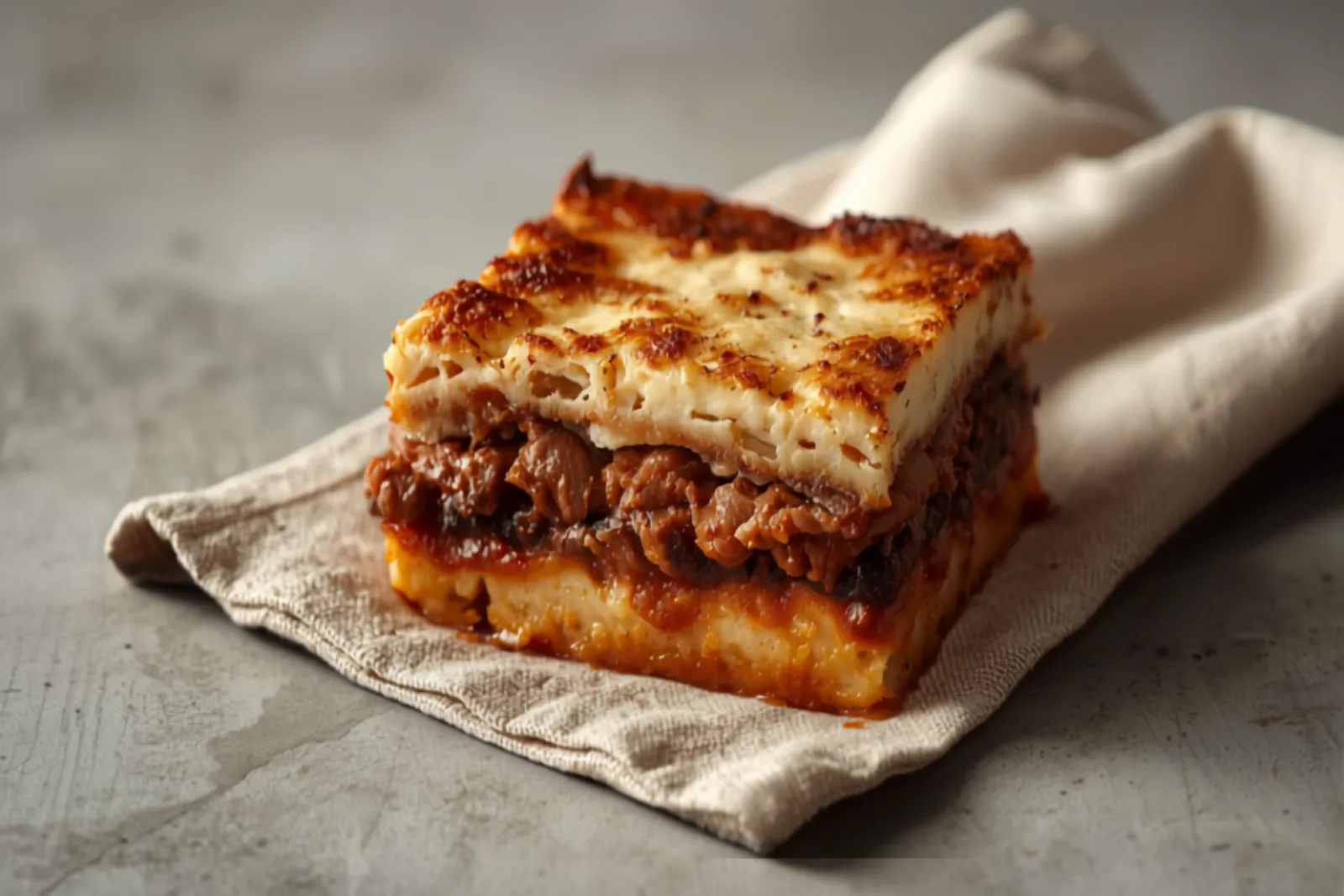
Greece's grand baked casserole: layers of roasted eggplant and potato over a cinnamon-scented lamb ragù, crowned with a thick blanket of béchamel that bakes into a golden, custardy top. A make-ahead showpiece worth every step.
Published June 20, 2026
Cultural context
Moussaka exists across the eastern Mediterranean, but the version the world knows — with its signature béchamel top — was codified in the 1920s by the influential Greek chef Nikolaos Tselementes, who gave the dish its French-inspired crown. It remains a centrepiece of Greek home cooking and tavernas, a dish reserved for Sundays and gatherings because of the work it takes.
Moussaka is the dish a Greek cook makes when there’s something to celebrate — a layered bake of roasted eggplant and potato over a cinnamon-scented lamb ragù, sealed under a thick blanket of béchamel that bakes into a golden, custardy crown. It takes time and uses every burner you own, which is exactly why it carries the weight it does: this is Sunday food, gathering food, the dish you make for people you care about.
Versions of layered eggplant and meat exist all over the eastern Mediterranean, but the béchamel-topped moussaka the world recognises was shaped in 1920s Greece. The custard lid is what sets it apart.
Three components, built for dryness
Moussaka is really three recipes stacked together: roasted vegetables, a meat ragù, and a béchamel. The thing they all have in common is that each needs to be on the drier side. A watery ragù or oil-soaked eggplant makes the finished bake slump and weep. Salt and roast the eggplant rather than frying it in litres of oil, and simmer the meat sauce down until it’s thick and almost dry. The béchamel should be pourable but properly thick — it’s a lid, not a sauce.
The cinnamon is the point
What makes the meat taste Greek rather than Italian is warm spice: a cinnamon stick, a pinch of allspice, a whisper of nutmeg, simmered into the lamb and tomato. It’s subtle — you shouldn’t bite into “cinnamon” — but it’s the difference between moussaka and a generic bolognese under cheese sauce.
Rest it, really
The single most common moussaka disaster is cutting into it the moment it leaves the oven and watching the layers slide apart. It needs at least half an hour — longer is better — to set. Moussaka actually tastes best warm rather than scorching, and even better the next day, which makes it a brilliant make-ahead centrepiece.
Looking for more dishes worth the effort? Browse the full recipe collection, or read more cultural stories on the traditions behind the food.
Ingredients
For the vegetables
- 3 large (about 1 kg) eggplant Sliced lengthways into 1 cm slabs.
- 2 large waxy potatoes Peeled and sliced into 0.5 cm rounds.
- olive oil and salt, for roasting
For the lamb ragù
- 2 tbsp olive oil
- 1 large onion, finely chopped
- 3 cloves garlic, minced
- 700 g ground lamb Or half lamb, half beef for a milder flavour.
- 400 g (1 can) chopped tomatoes
- 2 tbsp tomato paste
- 120 ml red wine
- 1 cinnamon stick (or 1/2 tsp ground) The warm spice that makes moussaka taste Greek. Don't skip it.
- 1 pinch ground allspice and a small pinch of nutmeg
- salt and black pepper
For the béchamel
- 80 g butter
- 80 g plain flour
- 800 ml warm milk
- 2 egg yolks Off the heat — they set the custard top.
- 60 g grated kefalotyri or parmesan
- pinch of nutmeg, salt and white pepper
Method
Tap a step’s number to check it off as you go.
-
Salt the eggplant slices and leave 20 minutes, then pat dry. Brush eggplant and potato with olive oil and roast at 200°C/400°F until golden and tender, about 25 minutes.
Why: Salting draws out moisture so the eggplant doesn't turn watery or bitter; roasting (rather than frying) is lighter and keeps the slabs from collapsing into oil.
-
Make the ragù: soften the onion in oil, add garlic, then brown the lamb hard. Stir in tomato paste, wine, chopped tomatoes, cinnamon, allspice, and nutmeg. Simmer 25–30 minutes until thick and almost dry.
Why: A dry, concentrated ragù is essential — a wet one makes the whole bake sloppy. The warm spices are what distinguish moussaka from a plain meat sauce.
-
Make the béchamel: melt the butter, whisk in the flour and cook 2 minutes, then add the warm milk gradually, whisking until thick and smooth. Off the heat, beat in the cheese, nutmeg, and finally the egg yolks.
Why: Cooking the roux removes the raw-flour taste; adding milk gradually prevents lumps. The yolks go in off the heat so they enrich rather than scramble — they set the top into a custard.
-
Layer in a deep baking dish: potatoes on the bottom, then eggplant, then all the ragù, then a final layer of eggplant. Pour the béchamel over the top and smooth it out.
Why: Potatoes on the bottom soak up juices and give a sturdy base; the eggplant frames the meat, and the béchamel seals it all under a golden lid.
-
Bake at 180°C/350°F for 45–50 minutes until the top is deep golden and set. Rest at least 30 minutes — ideally longer — before cutting.
Why: Resting is the most-skipped, most-important step. Moussaka must set so it slices into clean layers instead of sliding apart. It's arguably better warm than piping hot.
A quick, anonymous tap — no review needed.
Variations
- Vegetarian
Replace the lamb with brown or green lentils and extra mushrooms, keeping the cinnamon and tomato. A genuinely satisfying meat-free version.
- Lighter béchamel
Use a Greek-yoghurt-and-egg topping instead of a full béchamel for a tangier, lower-fat crown — common in modern Greek home kitchens.
- Make-ahead
Assemble fully a day ahead and refrigerate unbaked, or bake and reheat in portions. The flavours deepen overnight.
Serving & Storage
Cut into generous squares and serve warm, not scalding, with a crisp Greek salad (horiatiki) and bread. A glass of Greek red like Agiorgitiko rounds it out.
Pairs with: Greek salad (horiatiki), Crusty bread, Agiorgitiko or another Greek red, Tzatziki.
Storage: Keeps 4 days refrigerated and reheats beautifully — many say it's better the next day. Freezes well for up to 3 months, baked or unbaked.
Nutrition
Per serving (1 square (1/8 recipe))
- Calories
- 480
- Protein
- 24 g
- Carbs
- 28 g
- Fat
- 30 g
- Fiber
- 6 g
- Sugar
- 10 g
- Sodium
- 560 mg
Notable micronutrients: Calcium, Iron, Vitamin A
Estimated using standard ingredient data. Values vary with brands and substitutions.
Frequently Asked Questions
Should I fry or roast the eggplant?
Traditionally it's fried, which is delicious but soaks up enormous amounts of oil. Salting and roasting gives a lighter result that holds its shape just as well, which is why we recommend it. Either way, salt the slices first to draw out moisture.
Why did my moussaka fall apart when I cut it?
Almost always because it wasn't rested. Moussaka needs at least 30 minutes (longer is better) out of the oven so the layers set. Cutting it straight away guarantees a landslide. It slices best warm rather than hot.
What cheese should I use in the béchamel?
Kefalotyri, a hard, salty Greek sheep's-milk cheese, is traditional. Parmesan or pecorino are good stand-ins. The cheese seasons the topping and helps it brown.
Can I make it without the cinnamon?
You can, but warm spice — cinnamon, allspice, a little nutmeg — is what makes the meat sauce taste distinctly Greek rather than like a generic bolognese. Use a light hand if you're unsure, but don't omit it entirely.
What to drink with this
All drinks →Hand-picked pours to match this dish. Alcoholic pairings are for adults of legal drinking age (21+ in the US) — please drink responsibly.
 21+
21+ Florence, Italy (Tuscan aperitivo tradition) · Italian
Negroni (The Perfect Three-Part Aperitivo)
Equal parts gin, Campari and sweet vermouth, stirred over ice with an orange peel. Italy's great bitter aperitivo — the easiest world-class cocktail to remember and one of the hardest to improve on.
 21+
21+ American cocktail bars (via Italian amaretto) · Italian-American
Amaretto Sour (Almond Liqueur, Lemon & a Bourbon Backbone)
The grown-up amaretto sour: nutty almond liqueur balanced with fresh lemon, a splash of bourbon for backbone, and egg white for a silky foam. Sweet-tart, almond-scented and far better than the neon bar version.

Jamaica & the Caribbean; England · Caribbean / British
Ginger Beer (Homemade, Fiery & Non-Alcoholic)
Fresh ginger, lime and sugar carbonated into a spicy, bracing brew — the real thing, far hotter than anything bottled. A Caribbean and British favourite that's the backbone of the Moscow Mule and Dark 'n' Stormy, and a sensational soda on its own.
From our kitchen community
Ratings & Reviews
My Rating
Tap a star to rate — no sign-in, no form needed.
My Review
0 Ratings
🥣 0 home cooks made it!
Be the first to rate Greek Moussaka (Layered Eggplant and Lamb Bake).
Related Recipes
Catania, Sicily · Italian
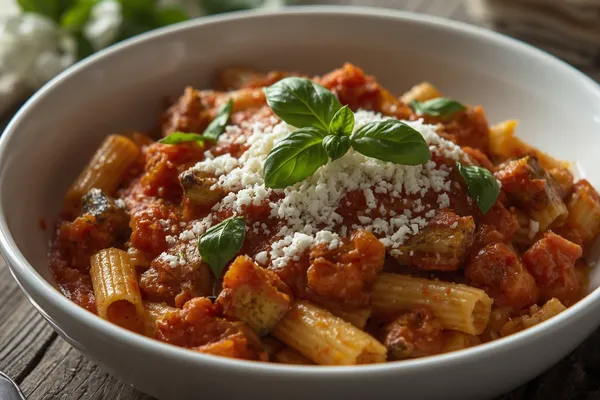
Pasta alla Norma (Sicilian Pasta with Fried Eggplant)
Catania's great eggplant pasta: fried aubergine folded into a bright tomato sauce, tossed with rigatoni, and showered with salty ricotta salata and torn basil. A vegetarian dish that eats like a celebration.
The Levant (Lebanon, Syria, Jordan, Palestine) · Middle Eastern
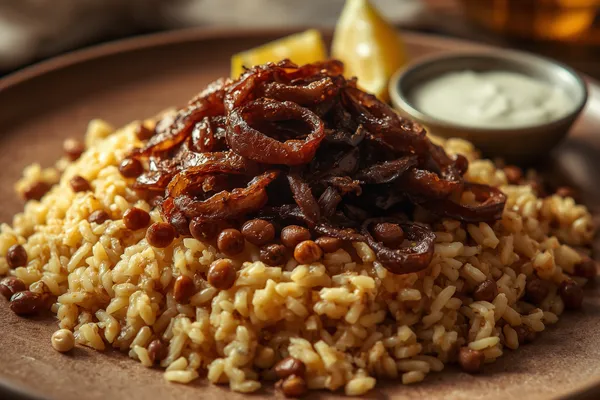
Mujaddara (Lentils and Rice with Crispy Caramelized Onions)
The Levantine dish of lentils, rice, and deeply caramelized onions — humble, ancient, and quietly luxurious. A handful of ingredients turned into something far greater than their cost, crowned with onions fried until almost black and sweet.

Cape Town and the Western Cape — the Cape Malay kitchens of the Bo-Kaap and the wider Cape · South African
Bobotie — Cape Malay Curried Mince with a Golden Egg Custard
South Africa's great baked dish: mildly curried mince sweetened with dried fruit, bound with milk-soaked bread, and finished under a thin turmeric-yellow custard with bay leaves standing in it. The two things that decide the outcome are the soaked bread and a loosely levelled top.