Rome, Lazio · Italian
Cacio e Pepe (Roman Pasta with Pecorino and Black Pepper)
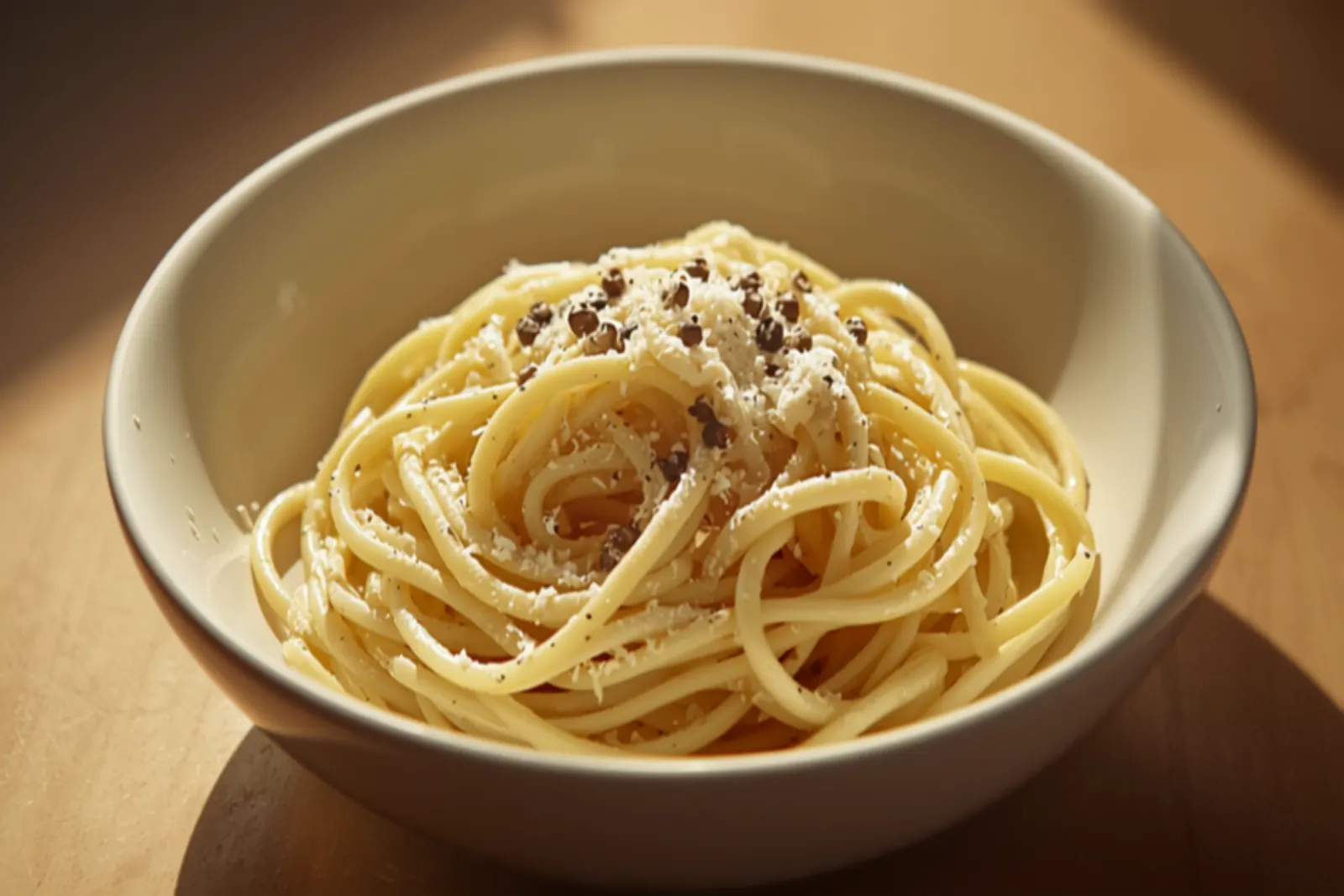
Rome's three-ingredient masterpiece: spaghetti tossed with Pecorino Romano and toasted black pepper into a glossy, clinging sauce — no cream, no butter, just cheese, pepper, pasta, and starchy water. Simple to list, technical to nail.
Published June 20, 2026
Cultural context
Cacio e pepe — 'cheese and pepper' in Roman dialect — is one of the four pillars of Roman pasta, alongside carbonara, amatriciana, and gricia. It was shepherds' food: dried pasta, aged Pecorino Romano, and peppercorns all kept well on long journeys through the Lazio countryside. Its genius is making a luxurious sauce from almost nothing, using only the emulsion of cheese and starchy pasta water.
Cacio e pepe — “cheese and pepper” — is the dish that humbles confident cooks. It has three ingredients (four, if you count the pasta water, which you should), no cream, no butter, and no fat beyond the cheese itself. And yet getting the sauce to turn glossy and creamy instead of seizing into rubbery clumps takes real technique. When it works, it’s one of the most satisfying plates of pasta there is.
It’s one of the four great Roman pastas, and the oldest in spirit: shepherds’ food, made from the few things that travelled well across the Lazio countryside — dried pasta, aged Pecorino Romano, and peppercorns.
The science of the sauce
The creaminess is pure physics. Starchy pasta water emulsifies the fat in the cheese, binding it into a smooth sauce — the same principle behind every great Roman pasta. To make it work, cook the pasta in less water than usual so the water turns thick and starchy, and reserve plenty before draining.
How to beat the clumps
The classic failure is cheese that seizes into a stringy, grainy mess, and it’s almost always caused by heat. Three habits prevent it: grate the Pecorino to a fine powder; mix it with warm — never boiling — pasta water into a smooth paste before it goes anywhere near the pasta; and add that paste to the pasta off the heat, after letting it cool for a few seconds. Then toss hard. The vigorous tossing is what emulsifies everything into a creamy coat.
Don’t skimp on the pepper
The pepper isn’t a garnish here — it’s half the name and half the flavour. Use good peppercorns, grind them coarsely, and toast them in a dry pan first to bloom their aromatic oils into a warm, almost floral heat. Then plate immediately: cacio e pepe waits for no one and stiffens as it cools.
Looking for more deceptively simple pasta? Browse the full recipe collection, or read more cultural stories on the traditions behind the food.
Ingredients
Main
- 200 g spaghetti or tonnarello Tonnarello (a thicker, square-cut spaghetti) is the Roman classic; spaghetti or bucatini work well.
- 100 g Pecorino Romano, very finely grated Aged sheep's-milk cheese — sharp and salty. Grate it to a fine powder so it melts smoothly. Don't substitute parmesan for the authentic flavour, though it does melt more forgivingly.
- 1.5 tsp whole black peppercorns Freshly and coarsely ground — the pepper is half the dish, so use good ones and plenty.
- salt, for the pasta water Use less than usual — the Pecorino is very salty.
Method
Tap a step’s number to check it off as you go.
-
Toast the coarsely ground black pepper in a dry, wide pan over medium heat for about a minute, until fragrant.
Why: Toasting blooms the pepper's aromatic oils, giving the dish its warm, almost floral heat instead of just sharpness.
-
Boil the pasta in a small amount of lightly salted water — less water than usual — until just shy of al dente. The water should end up very starchy.
Why: Using less water concentrates the starch, which is the emulsifier that turns cheese and water into a creamy sauce. Under-cooking slightly lets the pasta finish in the sauce.
-
Ladle some hot pasta water into the pepper pan and let it bubble, then add the pasta and toss, loosening with more starchy water as needed.
Why: Starting the sauce in the pan with starchy water and pepper builds the base the cheese will cling to.
-
Meanwhile, make a paste: in a bowl, mix the grated Pecorino with a few spoonfuls of warm (not boiling) pasta water until it forms a smooth, lump-free cream.
Why: This is the key to avoiding the dreaded clumping. Warm — never boiling — water lets the cheese melt into a paste; boiling water shocks it into rubbery lumps.
-
Take the pasta off the heat, let it cool for a few seconds, then add the Pecorino paste and toss vigorously, adding splashes of pasta water until the sauce turns glossy and coats every strand.
Why: Off the heat and slightly cooled is critical — too much heat breaks the emulsion and the cheese seizes. Vigorous tossing emulsifies the fat, starch, and water into a creamy sauce.
-
Plate immediately, finishing with a little more grated Pecorino and a grind of fresh pepper.
Why: Cacio e pepe stiffens as it cools, so serve it the moment it comes together.
A quick, anonymous tap — no review needed.
Variations
- More forgiving (with a little parmesan)
Blending in a small amount of parmesan with the Pecorino makes the sauce less prone to clumping, at the cost of some authentic sharpness. A good training-wheels approach.
- Gricia (add guanciale)
Add crisped guanciale and you've made pasta alla gricia, cacio e pepe's richer cousin — and the base from which carbonara and amatriciana are built.
- Gluten-free
Use a good bronze-die gluten-free spaghetti; the starch it releases works the same way, though you may need to manage the water more carefully.
Serving & Storage
Serve immediately in warmed bowls — the sauce sets quickly. This is a dish to eat the moment it's plated, with an extra dusting of Pecorino and pepper at the table.
Pairs with: A crisp white like Frascati, Simple green salad, Crusty bread.
Storage: Cacio e pepe does not keep or reheat well — the sauce breaks. Make only what you'll eat right away.
Nutrition
Per serving (1 plate (1/2 recipe))
- Calories
- 520
- Protein
- 22 g
- Carbs
- 72 g
- Fat
- 16 g
- Fiber
- 3 g
- Sugar
- 3 g
- Sodium
- 680 mg
Notable micronutrients: Calcium, Phosphorus
Estimated using standard ingredient data. Values vary with brands and substitutions.
Frequently Asked Questions
Why does my cheese clump into rubbery lumps?
Heat. Pecorino seizes when it hits boiling water or a too-hot pan. The fixes: grate the cheese very finely, make a smooth paste with warm (not boiling) pasta water first, and add it to the pasta off the heat after letting it cool for a few seconds. Toss vigorously to emulsify.
Can I use parmesan instead of Pecorino Romano?
For authentic flavour, no — Pecorino Romano's sharp, salty, sheep's-milk tang is the dish. That said, parmesan melts more forgivingly, so blending a little in can help beginners avoid clumping while you learn the technique.
Why use less pasta water than usual?
Cooking the pasta in less water makes that water much starchier, and the starch is what emulsifies the cheese into a creamy sauce without any cream. Some cooks even start the pasta in a wide pan with just enough water to cover it.
Is there really no cream or butter?
None. Authentic cacio e pepe is just pasta, Pecorino, pepper, and starchy water. The creaminess comes entirely from emulsifying the cheese's fat with the starchy water — that's the whole magic of the dish.
What to drink with this
All drinks →Hand-picked pours to match this dish. Alcoholic pairings are for adults of legal drinking age (21+ in the US) — please drink responsibly.
 21+
21+ Florence, Italy (Tuscan aperitivo tradition) · Italian
Negroni (The Perfect Three-Part Aperitivo)
Equal parts gin, Campari and sweet vermouth, stirred over ice with an orange peel. Italy's great bitter aperitivo — the easiest world-class cocktail to remember and one of the hardest to improve on.
 21+
21+ Veneto, Northern Italy (Venice & Padua) · Italian
Aperol Spritz (The Italian Sunset Aperitivo)
Italy's golden-hour spritz: Aperol, Prosecco and soda over ice with an orange slice. The 3-2-1 ratio, why the order you pour matters, and the lightest world-famous aperitivo.

Jamaica & the Caribbean; England · Caribbean / British
Ginger Beer (Homemade, Fiery & Non-Alcoholic)
Fresh ginger, lime and sugar carbonated into a spicy, bracing brew — the real thing, far hotter than anything bottled. A Caribbean and British favourite that's the backbone of the Moscow Mule and Dark 'n' Stormy, and a sensational soda on its own.
From our kitchen community
Ratings & Reviews
My Rating
Tap a star to rate — no sign-in, no form needed.
My Review
0 Ratings
🥣 0 home cooks made it!
Be the first to rate Cacio e Pepe (Roman Pasta with Pecorino and Black Pepper).
Related Recipes
Catania, Sicily · Italian
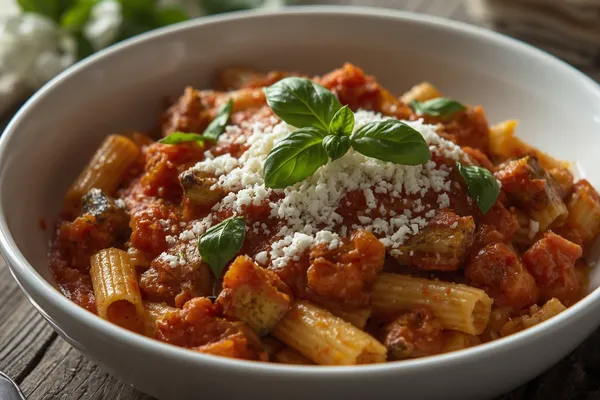
Pasta alla Norma (Sicilian Pasta with Fried Eggplant)
Catania's great eggplant pasta: fried aubergine folded into a bright tomato sauce, tossed with rigatoni, and showered with salty ricotta salata and torn basil. A vegetarian dish that eats like a celebration.
Rome, Lazio · Italian
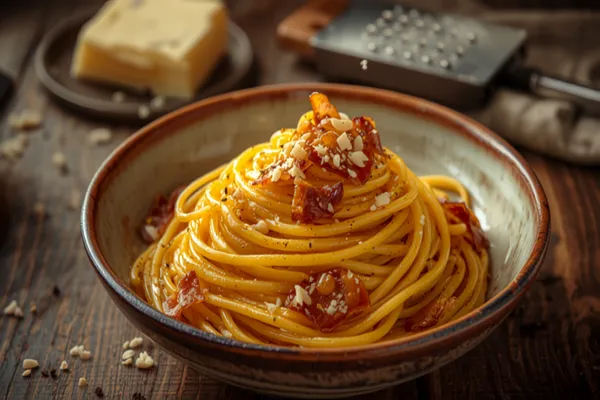
Spaghetti alla Carbonara (The Authentic Roman Recipe)
Rome's four-ingredient masterpiece: spaghetti bound in a glossy sauce of egg, Pecorino Romano and rendered guanciale, finished with a storm of black pepper. No cream, no garlic, no onion — just technique. Silky, salty and deeply savoury.
Bologna, Emilia-Romagna · Italian
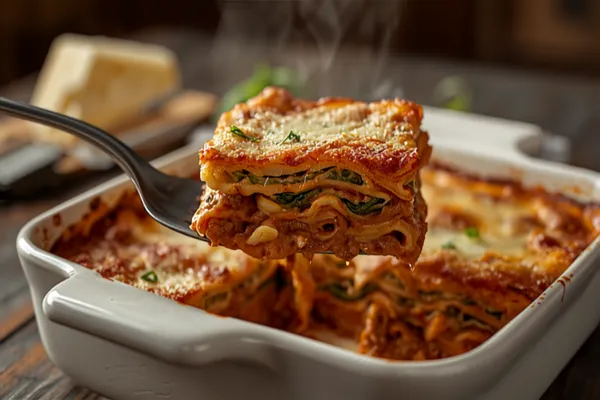
Lasagne alla Bolognese (The Authentic Recipe from Bologna)
Bologna's definitive baked pasta: thin sheets of green spinach egg pasta layered with a long-simmered ragù, silky besciamella and Parmigiano Reggiano. No ricotta, no mozzarella, no shortcuts — just eight patient layers that bake into something greater than their parts.