Rome, Lazio · Italian
Spaghetti alla Carbonara (The Authentic Roman Recipe)
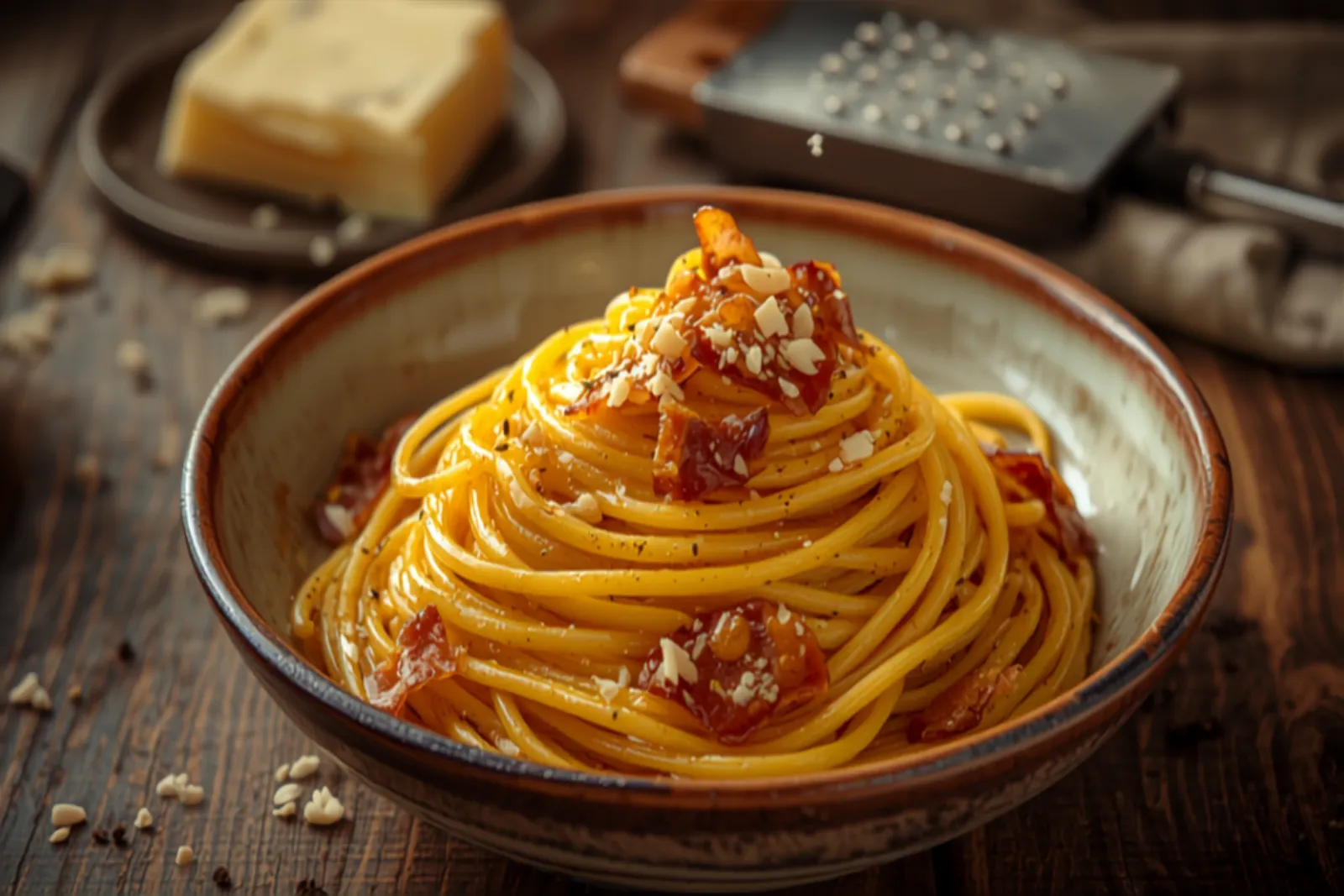
Rome's four-ingredient masterpiece: spaghetti bound in a glossy sauce of egg, Pecorino Romano and rendered guanciale, finished with a storm of black pepper. No cream, no garlic, no onion — just technique. Silky, salty and deeply savoury.
Published July 19, 2026
Cultural context
Carbonara is one of the four pillars of Roman pasta, alongside cacio e pepe, amatriciana and gricia. Despite the myths — American GIs, charcoal-burners (carbonari), a splash of cream — the dish as we know it is a mid-20th-century Roman creation, and the modern canon is fixed: guanciale, Pecorino Romano, egg, black pepper, and starchy pasta water. No cream ever touches an authentic carbonara.
Spaghetti alla carbonara is Rome’s great lesson in restraint: four ingredients — guanciale, Pecorino Romano, egg and black pepper — turned into one of the world’s most beloved plates of pasta. There is no cream, no garlic, no onion, and no room to hide. What makes an authentic carbonara sing is not a secret ingredient but a technique, and it comes down to a single moment: how you handle the eggs.
One of the four Roman pastas
Carbonara belongs to a quartet of Lazio classics built on the same humble larder — cacio e pepe, amatriciana, gricia and carbonara — each ringing a change on Pecorino, cured pork and black pepper. The dish is younger than the myths around it suggest; it took its modern form in mid-20th-century Rome, and Italian cooks guard its canon fiercely. That means guanciale, not bacon; Pecorino, not a generic hard cheese; and never, ever cream.
Guanciale is the base of the sauce
Rendered slowly from a cold pan, cured pork jowl gives up a pool of aromatic fat that becomes the foundation of the dish. That fat coats the pasta first, before any egg touches it, carrying flavour into every strand and giving the sauce something to cling to. Pancetta will do in a pinch, but skip smoked bacon — the smoke pulls carbonara somewhere it was never meant to go.
The egg is everything
The creamy, glossy sauce is an emulsion, not a custard: egg yolks and finely grated Pecorino, loosened with starchy pasta water, tossed through hot pasta off the heat. Residual warmth thickens the eggs just enough to coat the spaghetti in silk; a flame beneath the pan turns them to scramble in seconds. Master that one moment and you have carbonara. Serve it the instant it’s glossy — this is a dish that waits for no one.
Craving more Roman pasta built on the same magic of cheese and starchy water? Try cacio e pepe, or explore the wider World Classics guide.
Ingredients
Main
- 400 g spaghetti Rigatoni is equally traditional in Rome; use a good bronze-die dried pasta for its rougher, sauce-grabbing surface.
- 150 g guanciale Cured pork jowl — fattier and more aromatic than pancetta, which is the acceptable substitute. Never bacon: the smoke is wrong for this dish. Cut into short batons or lardons.
- 4 egg yolks, plus 1 whole egg Room temperature. The extra whole egg loosens the sauce slightly; some Roman cooks use yolks only for a richer bind.
- 50 g Pecorino Romano, very finely grated Aged sheep's-milk cheese — sharp and salty. Grate to a fine powder so it melts smoothly. A little Parmigiano can soften the sharpness, but Pecorino is the Roman standard.
- 1 tsp black pepper, freshly and coarsely ground Plus more to finish. Toasting it in the guanciale fat blooms its aroma.
- salt for the pasta water Salt lightly — the guanciale and Pecorino are already very salty.
Method
Tap a step’s number to check it off as you go.
-
Bring a large pot of water to the boil and salt it lightly. Meanwhile, put the guanciale in a cold, wide, unoiled pan and set it over medium heat.
Why: Starting from cold lets the fat render slowly and evenly, so the guanciale crisps at the edges while leaving a pool of flavoured fat — the base of the sauce — instead of scorching.
-
Cook the guanciale until the fat turns translucent and the edges are golden and crisp, about 6–8 minutes. Add the coarse black pepper for the last minute, then take the pan off the heat and set it aside.
Why: Blooming the pepper in the hot fat releases its oils; pulling the pan off the heat now means it won't be dangerously hot when the eggs go in.
-
In a bowl, whisk the egg yolks, whole egg and grated Pecorino into a thick paste. Loosen it with a spoonful or two of hot pasta water and whisk smooth.
Why: Tempering the eggs with a little hot water warms them gently and pre-melts the cheese, so the sauce emulsifies instead of clumping when it meets the pasta.
-
Cook the spaghetti until al dente, reserving a mugful of the starchy water. Drain and add the pasta to the pan of guanciale (off the heat), tossing to coat in the fat.
Why: The rendered fat clings to every strand first, carrying flavour and giving the egg something to grip. Cooking slightly short keeps the pasta from turning soft as it finishes in the sauce.
-
Pour in the egg-and-cheese mixture and toss vigorously, adding splashes of the hot pasta water until the sauce turns glossy and coats the spaghetti like silk. Keep the pan off direct heat.
Why: This is the make-or-break step: residual heat from the pasta and pan is enough to thicken the eggs into a creamy sauce. Put it over a flame and you get scrambled eggs. The starchy water is what makes the emulsion smooth and clinging.
-
Serve at once in warm bowls, topped with more Pecorino and a final grind of black pepper.
Why: Carbonara waits for no one — it thickens and stiffens as it cools, so it's a dish you plate and eat immediately.
A quick, anonymous tap — no review needed.
Variations
- Yolks only
Use 6 egg yolks and no whole egg for a denser, more custardy sauce — the version many Roman trattorias serve.
- Pancetta
If guanciale is unavailable, pancetta is the accepted stand-in. Avoid smoked bacon, which changes the character of the dish entirely.
- Rigatoni alla carbonara
Swap the spaghetti for rigatoni; the ridged tubes trap the sauce and are just as traditional in Rome.
Serving & Storage
Serve immediately as a primo, with nothing more than a green salad and a glass of crisp Frascati or another Lazio white to cut the richness.
Pairs with: Green salad, Frascati white wine, Crusty bread.
Storage: Best eaten the moment it's made — the egg sauce stiffens and dulls on standing and reheats poorly. If you must, warm leftovers very gently with a splash of water, accepting it won't be as silky.
Nutrition
Per serving (1 serving)
- Calories
- 640
- Protein
- 26 g
- Carbs
- 76 g
- Fat
- 26 g
- Fiber
- 3 g
- Sugar
- 3 g
- Sodium
- 780 mg
Notable micronutrients: Selenium, Calcium, Vitamin B12
Estimated using standard ingredient data. Values vary with brands and substitutions.
Frequently Asked Questions
Why is there no cream in carbonara?
Because there never was. The creaminess comes entirely from an emulsion of egg, grated Pecorino, rendered guanciale fat and starchy pasta water. Cream is a foreign addition that mutes the sauce's savoury edge — authentic Roman carbonara relies on technique, not dairy, for its silk.
How do I stop the eggs from scrambling?
Take the pan off the heat before the egg mixture goes in. The residual warmth of the pasta and pan is enough to thicken the sauce gently; direct heat cooks the eggs into curds. Toss quickly and loosen with hot pasta water, and if the pan feels too hot, wait 30 seconds before adding the eggs.
Guanciale or pancetta — does it matter?
Guanciale (cured pork jowl) is the traditional cut: fattier, more aromatic, and it renders into the glossy fat the sauce is built on. Pancetta is the accepted substitute if you can't find guanciale. Bacon, with its smoke, is a different dish — good, but not carbonara.
What to drink with this
All drinks →Hand-picked pours to match this dish. Alcoholic pairings are for adults of legal drinking age (21+ in the US) — please drink responsibly.
 21+
21+ Florence, Italy (Tuscan aperitivo tradition) · Italian
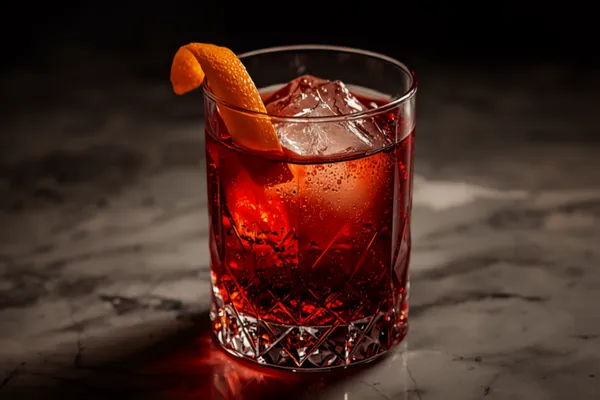
Negroni (The Perfect Three-Part Aperitivo)
Equal parts gin, Campari and sweet vermouth, stirred over ice with an orange peel. Italy's great bitter aperitivo — the easiest world-class cocktail to remember and one of the hardest to improve on.
 21+
21+ Veneto, Northern Italy (Venice & Padua) · Italian
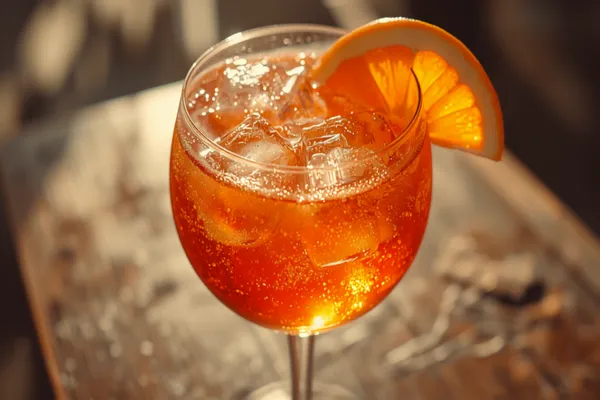
Aperol Spritz (The Italian Sunset Aperitivo)
Italy's golden-hour spritz: Aperol, Prosecco and soda over ice with an orange slice. The 3-2-1 ratio, why the order you pour matters, and the lightest world-famous aperitivo.
Jamaica & the Caribbean; England · Caribbean / British
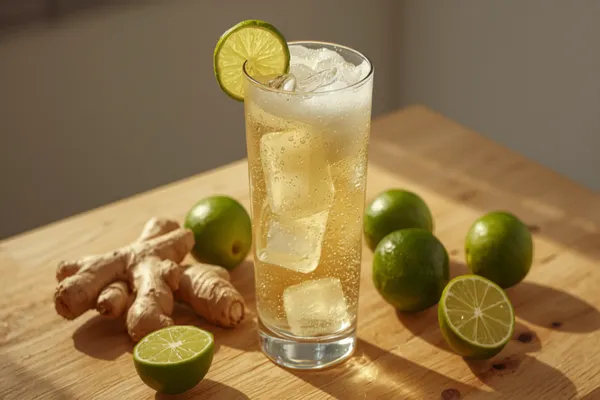
Ginger Beer (Homemade, Fiery & Non-Alcoholic)
Fresh ginger, lime and sugar carbonated into a spicy, bracing brew — the real thing, far hotter than anything bottled. A Caribbean and British favourite that's the backbone of the Moscow Mule and Dark 'n' Stormy, and a sensational soda on its own.
From our kitchen community
Ratings & Reviews
My Rating
Tap a star to rate — no sign-in, no form needed.
My Review
0 Ratings
🥣 0 home cooks made it!
Be the first to rate Spaghetti alla Carbonara (The Authentic Roman Recipe).
Related Recipes
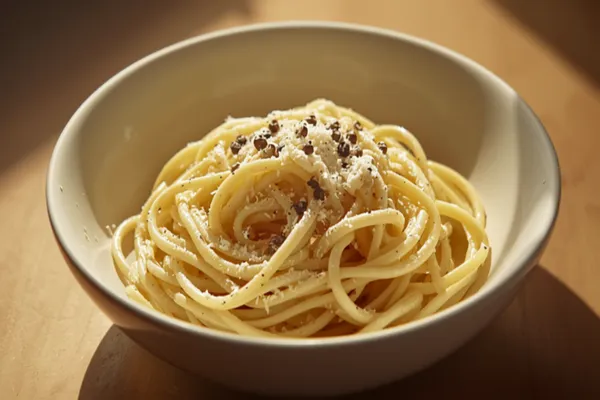
Rome, Lazio · Italian
Cacio e Pepe (Roman Pasta with Pecorino and Black Pepper)
Rome's three-ingredient masterpiece: spaghetti tossed with Pecorino Romano and toasted black pepper into a glossy, clinging sauce — no cream, no butter, just cheese, pepper, pasta, and starchy water. Simple to list, technical to nail.
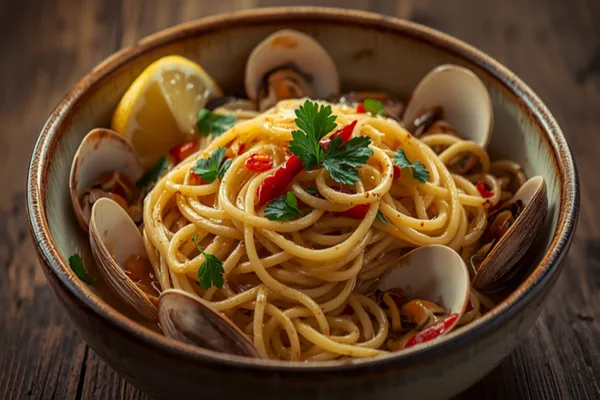
Naples & Campania · Italian
Spaghetti alle Vongole (Spaghetti with Clams)
Naples in a bowl: spaghetti tossed with clams steamed open in white wine, garlic, chilli and olive oil, emulsified with their own briny juices into a glossy sauce. No cheese, no fuss — just the sea, in minutes.
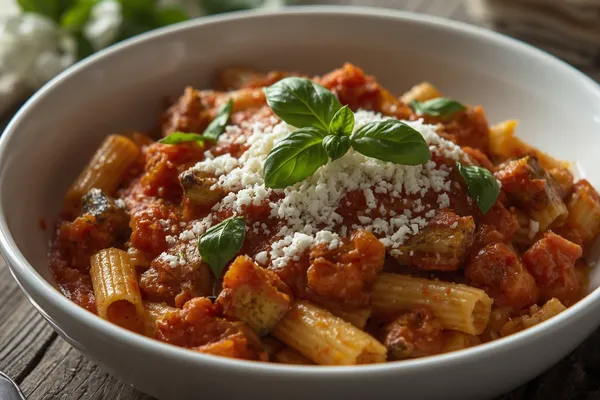
Catania, Sicily · Italian
Pasta alla Norma (Sicilian Pasta with Fried Eggplant)
Catania's great eggplant pasta: fried aubergine folded into a bright tomato sauce, tossed with rigatoni, and showered with salty ricotta salata and torn basil. A vegetarian dish that eats like a celebration.
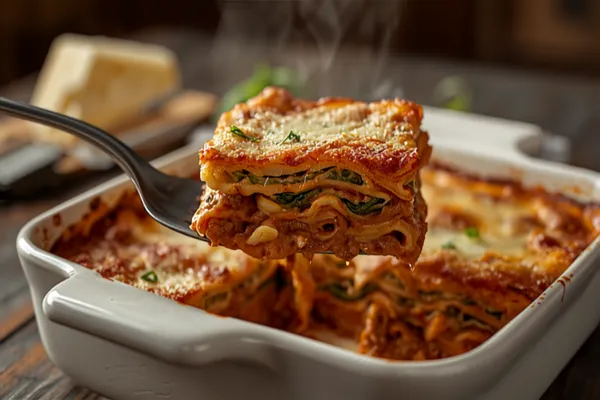
Bologna, Emilia-Romagna · Italian
Lasagne alla Bolognese (The Authentic Recipe from Bologna)
Bologna's definitive baked pasta: thin sheets of green spinach egg pasta layered with a long-simmered ragù, silky besciamella and Parmigiano Reggiano. No ricotta, no mozzarella, no shortcuts — just eight patient layers that bake into something greater than their parts.