Bologna, Emilia-Romagna · Italian
Lasagne alla Bolognese (The Authentic Recipe from Bologna)
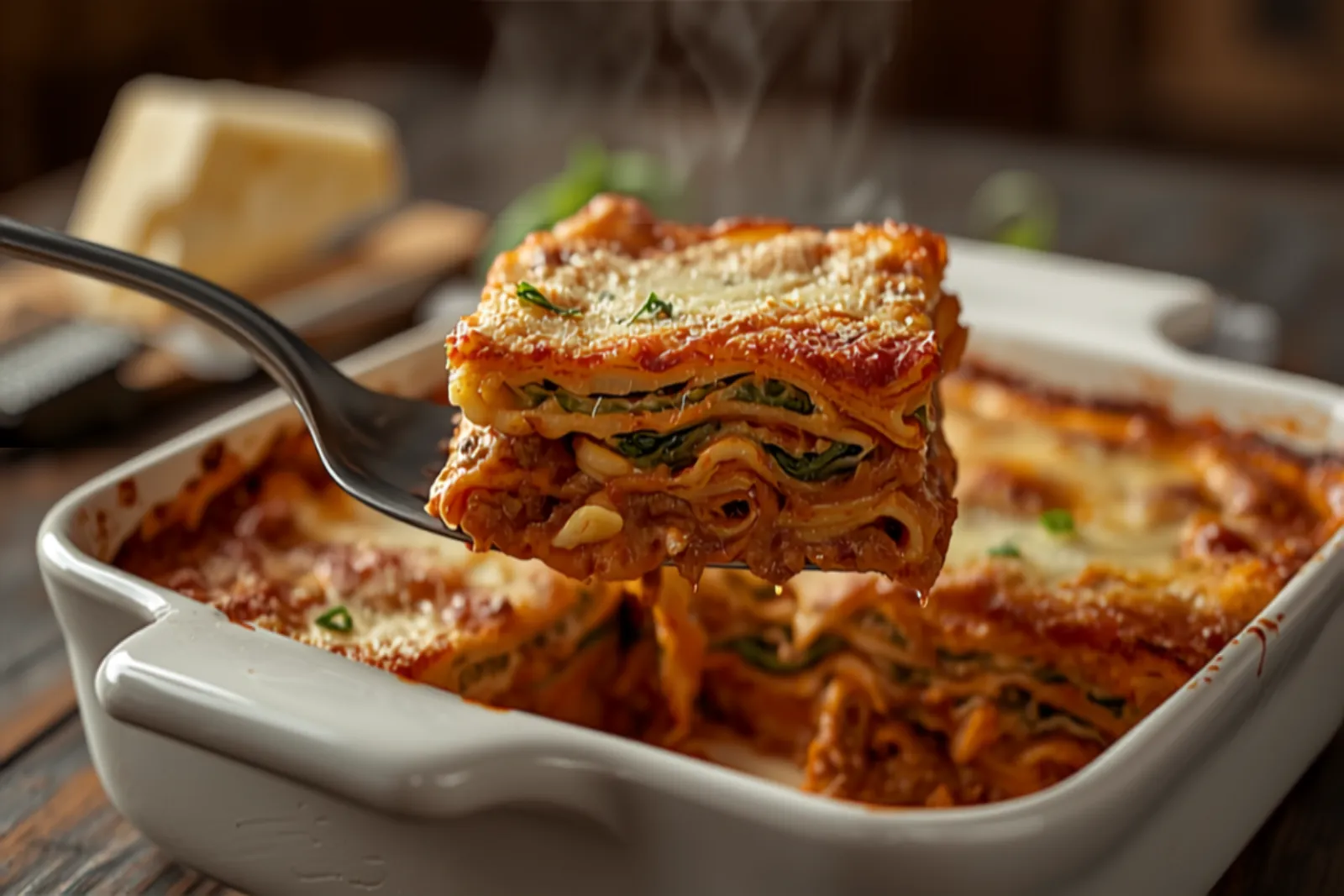
Bologna's definitive baked pasta: thin sheets of green spinach egg pasta layered with a long-simmered ragù, silky besciamella and Parmigiano Reggiano. No ricotta, no mozzarella, no shortcuts — just eight patient layers that bake into something greater than their parts.
Published August 4, 2026
Cultural context
Emilia-Romagna is Italy's sfoglia country — the land of hand-rolled egg pasta, Parmigiano Reggiano and prosciutto di Parma — and lasagne alla bolognese is its grandest expression. The city's canonical version, lasagne verdi al forno, uses spinach-green pasta and was codified alongside the ragù that the Accademia Italiana della Cucina deposited with the Bologna Chamber of Commerce in 1982 and revised in 2023. Neither ricotta nor mozzarella belongs in it: those are southern Italian and Italian-American traditions, delicious in their own right but a different dish.
Lasagne alla bolognese is what happens when a city that has spent five centuries perfecting egg pasta decides to build something in layers. In Bologna it is lasagne verdi al forno: sheets of spinach-green sfoglia rolled thin enough to read through, spread with a ragù that has murmured on the stove for the better part of an afternoon, veiled in besciamella, dusted with Parmigiano Reggiano and baked until the corners crisp. There is no ricotta and no mozzarella. What binds it is milk, butter and patience.
Emilia-Romagna, the land of sfoglia
The region between Bologna, Parma and Modena is Italy’s larder — Parmigiano Reggiano, prosciutto di Parma, aceto balsamico, mortadella — and its cooking is built on rich, quiet abundance rather than the chilli-and-sunshine punch of the south. Bologna’s sfoglina, the women who roll pasta by hand with a metre-long rolling pin, are the guardians of the sheet itself. Their standard is unforgiving: thin, porous, faintly rough, so it drinks up sauce instead of sitting under it. That single quality is why Bolognese lasagne eats light despite everything in it.
The ragù is a braise, not a tomato sauce
The Accademia Italiana della Cucina deposited an official ragù alla bolognese with the Bologna Chamber of Commerce in 1982 and revised it in 2023, and the striking thing about both is how little tomato is in them. Pancetta melted into a soft soffritto, beef, dry wine, a modest amount of passata, and — crucially — milk near the end. Three hours at a bare simmer does the rest. The milk tenderises the meat and blunts the tomato’s acid edge; the long cook concentrates everything into a glossy, brick-coloured sauce that clings rather than runs. If your ragù is red, loose and bright, it is a good tomato sauce, but it isn’t this.
Why milk, and why late
Dairy proteins soften the meat’s texture and round off sharp flavours, but milk added at the start of a long, acidic simmer can curdle and separate. Stirring it in for the last hour, once the tomato has mellowed, gives all of the tenderising and none of the split.
Thin layers, and then a rest
The most common way to ruin a lasagne is generosity. Bolognese assembly is deliberately mean: a thin spread of ragù, a veil of besciamella, a dusting of cheese, then pasta again — six or more times. Cut into a good one and you should see fine strata, not three fat bands sliding apart. And when it comes out of the oven, leave it alone for twenty minutes. That pause is when the starch and besciamella set and a slice learns how to stand up on the plate.
If you like this style of Italian cooking — few ingredients, no shortcuts, technique doing the work — try Rome’s spaghetti alla carbonara next, or browse the wider World Classics guide.
Ingredients
For the ragù alla bolognese
- 150 g pancetta, finely chopped The 1982 Accademia recipe calls for it chopped with a mezzaluna rather than sliced — fine pieces melt into the base instead of staying as chunks. Unsmoked is correct.
- 500 g coarsely minced beef Traditionally cartella (thin skirt), hand-chopped; the 2023 revision accepts good minced beef. A 50/50 mix with minced pork gives a softer, sweeter ragù and is common in Bolognese homes.
- 50 g carrot, finely diced
- 50 g celery, finely diced
- 50 g onion, finely diced
- 125 ml dry white wine Red is also permitted; it must be dry and still. Bolognese cooks lean white, which keeps the ragù from turning heavy.
- 300 g passata, plus 1 tbsp tomato purée Bolognese ragù is a meat sauce lightly tinted by tomato, not a tomato sauce with meat in it. Resist the urge to add more.
- 250 ml whole milk Optional in the 2023 recipe but strongly advised — it tenderises the meat and rounds off the tomato's acidity.
- 250 ml light beef or chicken stock, hot For topping up as the ragù reduces. Water works too.
- 2 tbsp olive oil or butter
- salt and freshly ground black pepper
For the lasagne verdi (fresh spinach pasta)
- 300 g '00' flour Plus extra for dusting. Italian 00 gives the silkiest sheet; plain flour works with a slightly firmer bite.
- 2 eggs
- 125 g spinach, cooked, squeezed very dry and finely puréed This is what makes them lasagne *verdi*. Squeeze out every drop of water or the dough turns sticky and unrollable.
- 1 pinch fine salt
For the besciamella
- 1 litre whole milk
- 80 g butter
- 80 g plain flour
- 1 pinch freshly grated nutmeg A whisper only — nutmeg should be felt rather than tasted.
- salt
To assemble
- 150 g Parmigiano Reggiano, finely grated Aged 24 months if you can. This is the only cheese in the dish — no mozzarella, no ricotta.
- 30 g butter, for the dish and dotting the top
Method
Tap a step’s number to check it off as you go.
-
Start the ragù. Warm the oil in a heavy pot over medium-low heat and cook the pancetta until its fat runs and it turns translucent, 5 minutes. Add the carrot, celery and onion and sweat gently for 10 minutes until soft and sweet, without colouring.
Why: The pancetta fat, not oil, is the flavour base of a true bolognese — melting it first means the soffritto stews in cured pork rather than frying. Letting the vegetables soften without browning keeps the ragù sweet instead of bitter.
-
Raise the heat, add the minced beef and cook, breaking it up, until it loses its raw colour and begins to catch on the bottom of the pot. Season lightly.
Why: You want the meat sealed and lightly caramelised for depth, but not hard-fried — Bolognese ragù is about tenderness, so a deep crust would work against the three hours of slow simmering that follow.
-
Pour in the wine and let it bubble away almost completely, scraping the base of the pot.
Why: The alcohol carries off the meat's rawest notes, and the acid dissolves the browned fond into the sauce. Cooking it off fully prevents a sharp winey edge in the finished ragù.
-
Stir in the passata and tomato purée, bring to a bare simmer, then partially cover and cook on the lowest possible heat for about 2 hours, adding hot stock a ladle at a time whenever it looks dry.
Why: A bare simmer — the occasional lazy blip, not a boil — is what breaks down the connective tissue without seizing the muscle fibres. Adding liquid gradually keeps the meat submerged and silky over the long cook.
-
After 2 hours, pour in the milk and continue cooking uncovered for a final 45–60 minutes, until the ragù is thick, glossy and a deep brick colour with fat glinting at the edges. Taste and season.
Why: Milk added late tenderises the meat and softens the tomato's acidity; added too early it can split. The finished ragù should be loose enough to spread but never watery — a wet ragù makes a soupy lasagne.
-
Make the pasta while the ragù simmers. Mound the flour, make a well, add the eggs, spinach purée and salt, and work into a dough. Knead hard for 10 minutes until smooth and elastic, then wrap and rest for 30 minutes.
Why: Kneading develops the gluten that lets you roll the sheets paper-thin without tearing; the rest lets that gluten relax so the dough stops springing back.
-
Roll the dough as thin as you can — to the second-thinnest setting on a pasta machine — and cut into sheets to fit your dish. Blanch them 30 seconds in boiling salted water, refresh in cold water, and lay flat on clean towels.
Why: Bolognese sfoglia is famously thin so the finished lasagne is delicate rather than doughy. The quick blanch sets the pasta and washes off surface starch, so the layers stay distinct instead of gluing together.
-
Make the besciamella. Melt the butter, whisk in the flour and cook the roux for 2 minutes without colouring, then add the hot milk in stages, whisking smooth after each. Simmer 8–10 minutes until it coats a spoon; season with salt and nutmeg.
Why: Cooking the roux removes the raw-flour taste; adding milk gradually stops lumps forming. Besciamella — not ricotta — is what makes a Bolognese lasagne creamy, and it should pour like thick cream so it can be spread thinly.
-
Assemble. Butter a 20 x 30 cm baking dish and smear the base with a little besciamella. Layer: pasta, a thin spread of ragù, a thin veil of besciamella, a dusting of Parmigiano. Repeat for 6 layers, finishing with pasta, besciamella and a generous shower of Parmigiano. Dot with butter.
Why: Restraint is the whole trick: thin layers let the pasta stay the star and the sauces bind rather than pool. Six to eight modest layers give the fine, striated cross-section Bologna is known for; three fat ones give a stodgy slab.
-
Bake at 180°C (350°F) for 30–40 minutes, until the top is bubbling and mottled brown at the edges. Rest for at least 20 minutes before cutting.
Why: Those crisp, chewy corner edges — the *pizzicati* everyone fights over — are the point of the top layer. The rest is non-negotiable: it lets the layers set so a slice holds its shape instead of sliding apart on the plate.
A quick, anonymous tap — no review needed.
Variations
- Yellow pasta
Skip the spinach for a plain egg sfoglia. Green is the Bolognese standard, but plain lasagne sheets are widely used across Emilia-Romagna and taste every bit as good.
- Dried sheets
Use good bronze-die dried egg lasagne. Choose the no-boil kind and loosen the ragù slightly with extra stock, since the sheets will drink liquid as they bake.
- Mixed meats
Replace half the beef with minced pork, or add 100 g of finely chopped mortadella to the soffritto — both are traditional Emilian moves toward a rounder, sweeter ragù.
- Vegetarian
Swap the ragù for a slow-cooked mushroom and lentil sauce built on the same soffritto, wine and milk. Not traditional, but it holds up beautifully against besciamella and Parmigiano.
Serving & Storage
Serve as a primo in modest squares, with nothing more than a sharply dressed green salad to cut the richness. A glass of Lambrusco di Sorbara — dry, chilled and lightly fizzy — is the Emilian pairing, and its acidity does the same job as the salad.
Pairs with: Lambrusco di Sorbara, Sangiovese di Romagna, Bitter green salad, Grissini.
Storage: Improves overnight. Assemble up to 2 days ahead, refrigerate unbaked and add 10–15 minutes to the bake. Baked lasagne keeps 4 days covered in the fridge and reheats well at 160°C, covered with foil. It freezes for up to 3 months either baked or unbaked — thaw fully in the fridge before reheating so the centre comes up to temperature evenly.
Nutrition
Per serving (1 slice (1/8 of the dish))
- Calories
- 610
- Protein
- 32 g
- Carbs
- 42 g
- Fat
- 33 g
- Fiber
- 3 g
- Sugar
- 9 g
- Sodium
- 690 mg
Notable micronutrients: Calcium, Iron, Vitamin A, Vitamin B12, Zinc
Estimated using standard ingredient data. Values vary with brands and substitutions.
Frequently Asked Questions
Why is there no ricotta or mozzarella in authentic lasagne alla bolognese?
Because Bologna binds its lasagne with besciamella and Parmigiano Reggiano instead. Ricotta and mozzarella belong to southern Italian and Italian-American lasagne, which are a genuinely different — and very good — dish. The Emilian version is drier, finer and more savoury, built on thin sheets of egg pasta rather than a mass of melted cheese.
Do I really need to simmer the ragù for three hours?
For this dish, yes. Bolognese ragù is a slow braise disguised as a sauce: the long, barely-there simmer is what turns coarse mince tender and concentrates the meat, wine and soffritto into something glossy and deep. A one-hour version tastes thin and tomatoey by comparison. Make it a day ahead if that suits you better — it only improves overnight.
Can I use dried lasagne sheets instead of making pasta?
Yes. Good bronze-die dried egg sheets make a very respectable lasagne. Fresh sfoglia is thinner and more delicate, which is the signature of the Bolognese original, but the ragù and besciamella are doing most of the heavy lifting. If you use no-boil sheets, loosen the ragù a little so there's enough moisture for them to soften.
Why did my lasagne collapse when I cut it?
Almost always because it was cut too soon, or the ragù was too wet. Rest the baked dish for at least 20 minutes — 30 is better — so the besciamella and starch set into a structure. And reduce the ragù until it mounds on a spoon rather than running off it.
What to drink with this
All drinks →Hand-picked pours to match this dish. Alcoholic pairings are for adults of legal drinking age (21+ in the US) — please drink responsibly.
 21+
21+ Florence, Italy (Tuscan aperitivo tradition) · Italian
Negroni (The Perfect Three-Part Aperitivo)
Equal parts gin, Campari and sweet vermouth, stirred over ice with an orange peel. Italy's great bitter aperitivo — the easiest world-class cocktail to remember and one of the hardest to improve on.
 21+
21+ Veneto, Northern Italy (Venice & Padua) · Italian
Aperol Spritz (The Italian Sunset Aperitivo)
Italy's golden-hour spritz: Aperol, Prosecco and soda over ice with an orange slice. The 3-2-1 ratio, why the order you pour matters, and the lightest world-famous aperitivo.

Jamaica & the Caribbean; England · Caribbean / British
Ginger Beer (Homemade, Fiery & Non-Alcoholic)
Fresh ginger, lime and sugar carbonated into a spicy, bracing brew — the real thing, far hotter than anything bottled. A Caribbean and British favourite that's the backbone of the Moscow Mule and Dark 'n' Stormy, and a sensational soda on its own.
From our kitchen community
Ratings & Reviews
My Rating
Tap a star to rate — no sign-in, no form needed.
My Review
0 Ratings
🥣 0 home cooks made it!
Be the first to rate Lasagne alla Bolognese (The Authentic Recipe from Bologna).
Related Recipes
Rome, Lazio · Italian
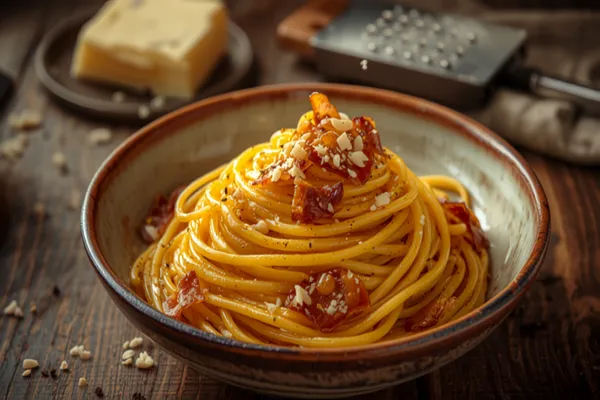
Spaghetti alla Carbonara (The Authentic Roman Recipe)
Rome's four-ingredient masterpiece: spaghetti bound in a glossy sauce of egg, Pecorino Romano and rendered guanciale, finished with a storm of black pepper. No cream, no garlic, no onion — just technique. Silky, salty and deeply savoury.
Catania, Sicily · Italian
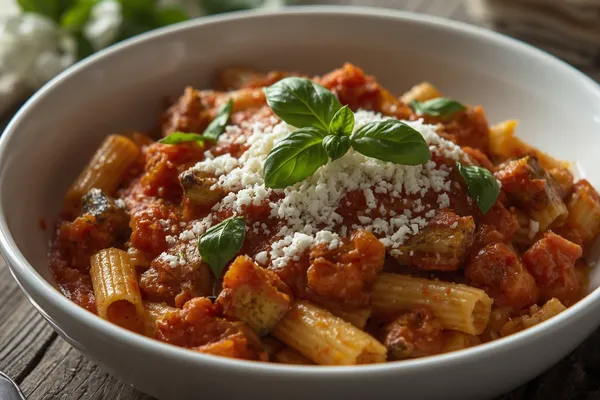
Pasta alla Norma (Sicilian Pasta with Fried Eggplant)
Catania's great eggplant pasta: fried aubergine folded into a bright tomato sauce, tossed with rigatoni, and showered with salty ricotta salata and torn basil. A vegetarian dish that eats like a celebration.
Rome, Lazio · Italian
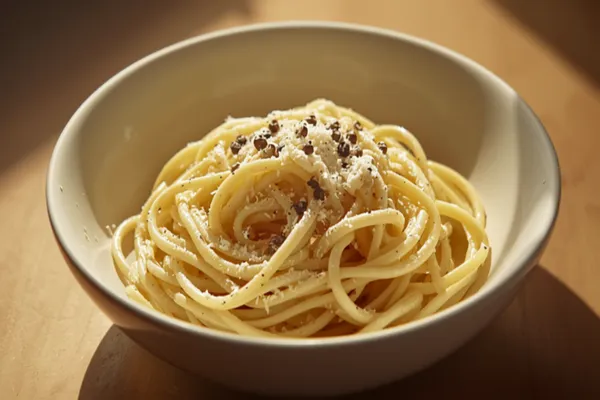
Cacio e Pepe (Roman Pasta with Pecorino and Black Pepper)
Rome's three-ingredient masterpiece: spaghetti tossed with Pecorino Romano and toasted black pepper into a glossy, clinging sauce — no cream, no butter, just cheese, pepper, pasta, and starchy water. Simple to list, technical to nail.
Naples, Campania (Italy) · Italian
Pizza Margherita (Neapolitan)
Naples' defining pizza — a blistered, chewy crust under San Marzano tomato, fresh mozzarella, basil, and good olive oil. Three toppings in the colours of the Italian flag, and a slow-fermented dough that does the heavy lifting.