Naples, Campania (Italy) · Italian
Pizza Margherita (Neapolitan)
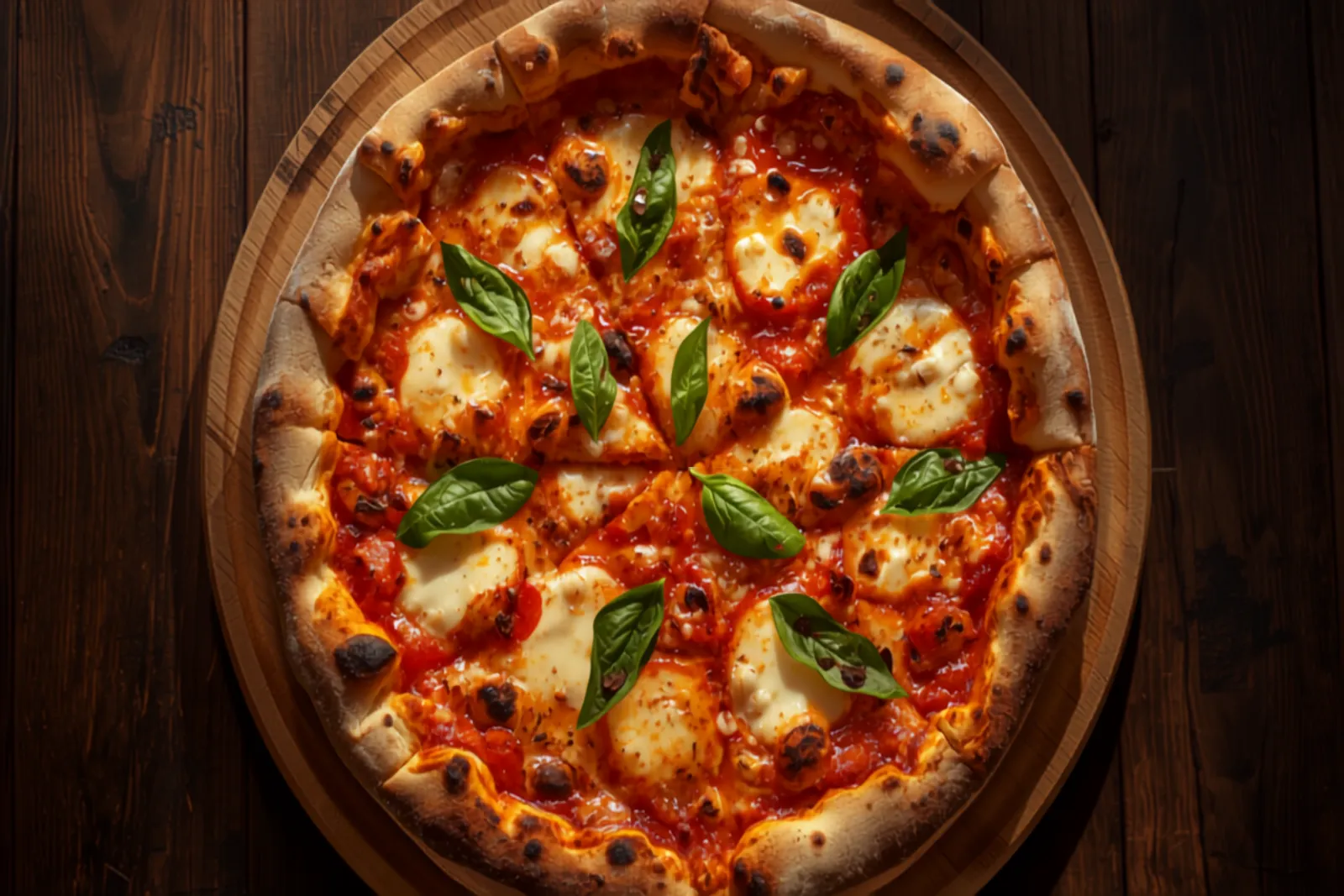
Naples' defining pizza — a blistered, chewy crust under San Marzano tomato, fresh mozzarella, basil, and good olive oil. Three toppings in the colours of the Italian flag, and a slow-fermented dough that does the heavy lifting.
Published June 24, 2026
Cultural context
The Margherita is the archetypal Neapolitan pizza, its tomato-mozzarella-basil trio popularly tied to the colours of the Italian flag and to a visit by Queen Margherita in 1889. True Neapolitan pizza is protected by tradition: a soft, slow-fermented dough, a fierce oven, and a handful of excellent ingredients — nothing more.
Pizza Margherita is the whole argument for restraint in cooking: a blistered, chewy Neapolitan crust under nothing but San Marzano tomato, fresh mozzarella, basil, and good olive oil — the colours of the Italian flag, and not a topping more. With so few ingredients, every one has to be right, and the dough has to carry the day.
The dough is 90% of it
Use very little yeast and a long, cool rise — 8 to 24 hours. That slow fermentation builds the flavour and the light, open, digestible crumb that defines Neapolitan pizza. Stretch the proofed dough by hand, never with a rolling pin, so the rim stays full of air and puffs into a charred cornicione.
Raw tomato, drained cheese
Crush the tinned tomatoes raw with a little salt — they’ll cook on the pizza in the brief, fierce bake. Tear and drain the mozzarella so it doesn’t flood the base with whey. And keep it light: an overloaded Margherita steams instead of crisping.
Maximum heat
Pizza is made by heat. Preheat a steel or stone as hot as your oven goes (and finish under the grill if you can), so the crust blisters and chars before the base dries out. Add the basil and a thread of olive oil the moment it comes out.
For more world classics, browse the full recipe collection or read the World Classics guide.
Ingredients
For the dough
- 500 g '00' flour (or strong bread flour) '00' gives the classic tender, extensible Neapolitan crumb.
- 325 ml water (about 65%)
- 10 g salt
- 2 g fresh yeast (or 0.7 g instant) A tiny amount plus a long, cool rise builds flavour and digestibility.
For the topping
- 1 x 400 g tin San Marzano (or good plum) tomatoes Crush by hand; don't cook them — they cook on the pizza.
- salt, for the tomato
- 250 g fresh mozzarella (fior di latte), torn and drained Drain well and tear so it doesn't flood the pizza with whey.
- a handful fresh basil leaves
- to finish extra-virgin olive oil
Method
Tap a step’s number to check it off as you go.
-
Make the dough: dissolve the yeast in the water, mix in the flour to a shaggy mass, rest 20 minutes, then add salt and knead until smooth and elastic. Cover and leave to rise slowly — ideally 8–24 hours, cool or in the fridge.
Why: A long, cool fermentation with very little yeast develops deep flavour and an open, digestible crumb — the heart of good Neapolitan dough. A fast warm rise can't match it.
-
Divide into 4 balls, then let them proof another 4–6 hours at room temperature until puffy and relaxed.
Why: Relaxed dough balls stretch easily into thin rounds without tearing or springing back.
-
Crush the tomatoes by hand with a little salt — raw. Tear and drain the mozzarella.
Why: Raw tomato keeps its fresh brightness and cooks perfectly in the brief, hot bake; draining the cheese prevents a soggy, watery centre.
-
Stretch a dough ball by hand into a thin round with a slightly thicker rim (don't use a rolling pin). Spread a thin layer of tomato, dot with mozzarella, and drizzle with olive oil.
Why: Hand-stretching preserves the air in the rim that puffs into the airy cornicione; a rolling pin crushes it flat. Go light on toppings so the base crisps.
-
Bake as hot as your oven goes — a pizza steel or stone preheated at maximum (or a pizza oven) — for a few minutes until the crust is blistered and charred in spots. Add the basil and a final drizzle of oil out of the oven.
Why: Ferocious heat is what makes pizza: it puffs and chars the rim before the base dries out. Adding basil after baking keeps it fresh and green rather than scorched.
A quick, anonymous tap — no review needed.
Variations
- Marinara (vegan)
Skip the cheese for the older, cheeseless Neapolitan pizza: tomato, garlic, oregano, and olive oil.
- Bufala
Use mozzarella di bufala instead of fior di latte for a richer, tangier cheese — drain it especially well.
- No pizza oven
Preheat a steel or stone under the grill at full heat, bake on the steel, then finish under the grill to char the top.
Serving & Storage
Serve each pizza whole and hot, eaten straight away — Neapolitan pizza waits for no one. A simple green salad is all it needs alongside.
Pairs with: Rocket salad, Red wine, Chilli oil, Olives.
Storage: Best fresh from the oven. Dough balls keep 2–3 days refrigerated (flavour improves); baked pizza reheats best in a hot dry pan to re-crisp the base.
Nutrition
Per serving (1 pizza)
- Calories
- 590
- Protein
- 22 g
- Carbs
- 92 g
- Fat
- 15 g
- Fiber
- 5 g
- Sugar
- 5 g
- Sodium
- 920 mg
Notable micronutrients: Calcium, Vitamin C, Folate
Estimated using standard ingredient data. Values vary with brands and substitutions.
Frequently Asked Questions
Do I need a pizza oven?
It helps, but no — a pizza steel or stone preheated as hot as a domestic oven goes, ideally finished under the grill, gets you a blistered, puffy crust at home. The key is maximum heat and a preheated surface.
Why is my base soggy?
Usually too much topping or wet mozzarella. Use a thin layer of raw crushed tomato, tear and drain the cheese well, and don't overload it — a Margherita is meant to be restrained.
Can I skip the long rise?
You can make a same-day dough with more yeast, but the long, cool fermentation is what gives Neapolitan pizza its flavour and light, digestible crumb. It's worth planning ahead.
What to drink with this
All drinks →Hand-picked pours to match this dish. Alcoholic pairings are for adults of legal drinking age (21+ in the US) — please drink responsibly.
 21+
21+ Spain (Andalusia & the wine country) · Spanish
Spanish Sangria (Red Wine Punch with Fruit)
The real Spanish sangria — red wine, brandy, fresh fruit and a little citrus, chilled until the flavours marry. The right wine to use, why it needs time, and how to keep it from going sweet and flat.
 21+
21+ American cocktail bars (late-1800s, Chicago/New York) · American
New York Sour (Whiskey Sour with a Red Wine Float)
A whiskey sour with a dramatic float of dry red wine sitting like a sunset on top. Bourbon or rye, fresh lemon and sugar below; tannic red wine above — the same great sour, made striking and a little more complex.
Jamaica & the Caribbean; England · Caribbean / British
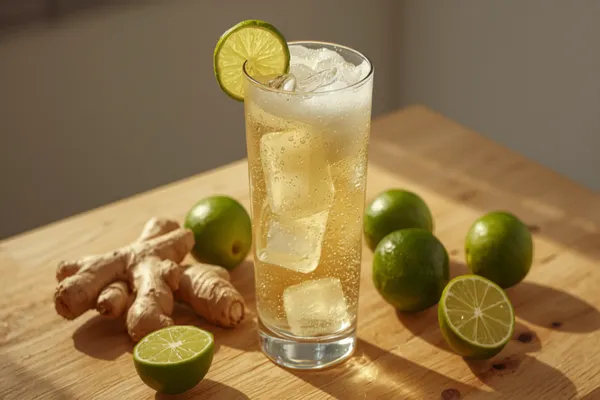
Ginger Beer (Homemade, Fiery & Non-Alcoholic)
Fresh ginger, lime and sugar carbonated into a spicy, bracing brew — the real thing, far hotter than anything bottled. A Caribbean and British favourite that's the backbone of the Moscow Mule and Dark 'n' Stormy, and a sensational soda on its own.
From our kitchen community
Ratings & Reviews
My Rating
Tap a star to rate — no sign-in, no form needed.
My Review
0 Ratings
🥣 0 home cooks made it!
Be the first to rate Pizza Margherita (Neapolitan).
Related Recipes
Catania, Sicily · Italian
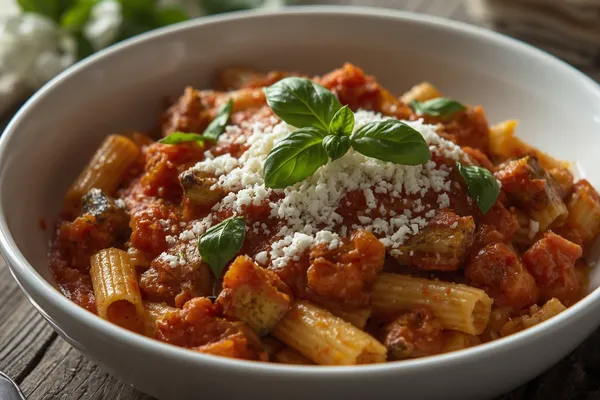
Pasta alla Norma (Sicilian Pasta with Fried Eggplant)
Catania's great eggplant pasta: fried aubergine folded into a bright tomato sauce, tossed with rigatoni, and showered with salty ricotta salata and torn basil. A vegetarian dish that eats like a celebration.
Rome, Lazio · Italian
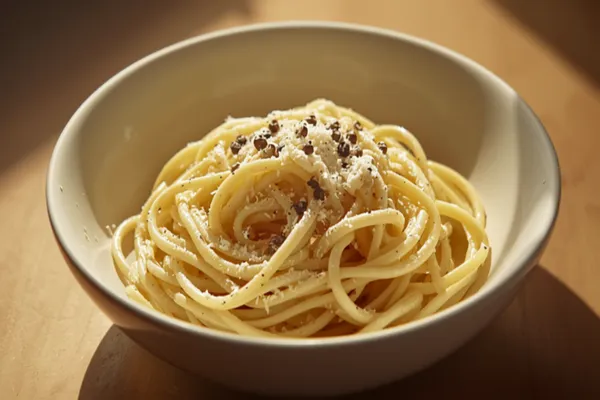
Cacio e Pepe (Roman Pasta with Pecorino and Black Pepper)
Rome's three-ingredient masterpiece: spaghetti tossed with Pecorino Romano and toasted black pepper into a glossy, clinging sauce — no cream, no butter, just cheese, pepper, pasta, and starchy water. Simple to list, technical to nail.
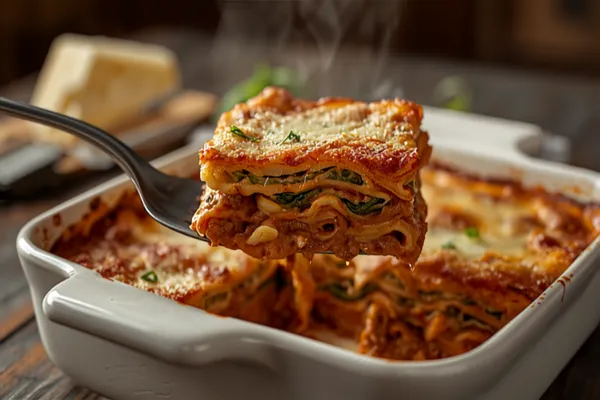
Bologna, Emilia-Romagna · Italian
Lasagne alla Bolognese (The Authentic Recipe from Bologna)
Bologna's definitive baked pasta: thin sheets of green spinach egg pasta layered with a long-simmered ragù, silky besciamella and Parmigiano Reggiano. No ricotta, no mozzarella, no shortcuts — just eight patient layers that bake into something greater than their parts.