Karnataka / South India · Indian
Bisi Bele Bath (Karnataka Spiced Rice and Lentils)
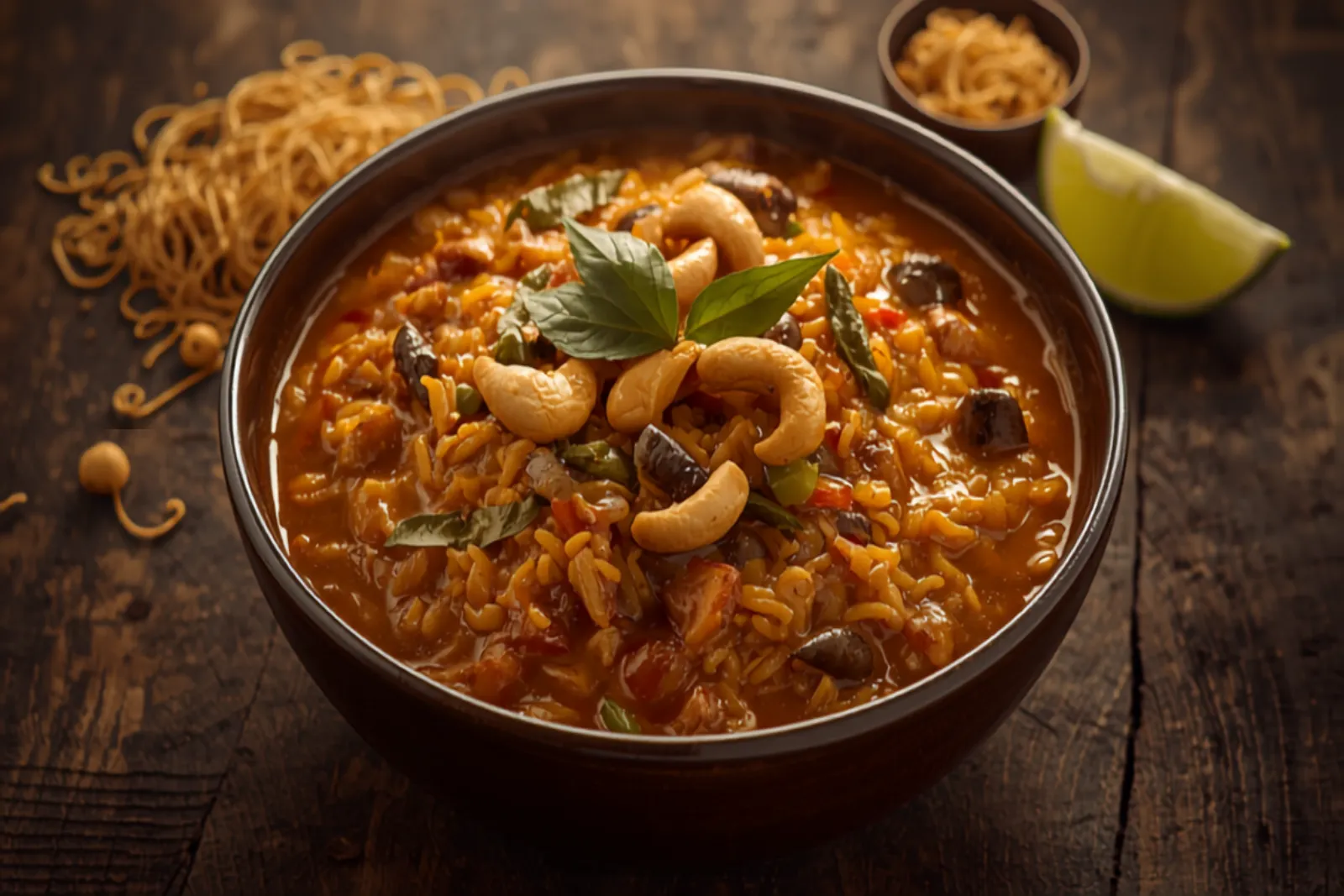
Karnataka's beloved one-pot of rice, lentils, and vegetables simmered with tamarind and a fragrant freshly-ground masala, finished with a cashew-and-curry-leaf tempering in ghee. 'Hot lentil rice' — comforting, tangy, and deeply spiced.
Published June 24, 2026
Cultural context
Bisi bele bath — literally 'hot lentil rice' in Kannada — is a signature of Karnataka, said to have origins in the kitchens of the Mysore Palace. Unlike a plain khichdi, it is defined by its own complex roasted-and-ground masala and a generous hit of tamarind, making it tangier and spicier than its northern cousins.
Bisi bele bath is Karnataka comfort food at its most generous — a single steaming pot of rice, lentils, and vegetables bound together with tamarind and a fragrant homemade masala, then crowned with cashews fried in ghee. The name means “hot lentil rice” in Kannada, and it is meant to be eaten exactly that way: hot, soft, and a little soupy.
The masala makes it
What separates bisi bele bath from any other khichdi is its dedicated spice blend — chana dal, coriander, fenugreek, red chillies, and coconut, dry-roasted and ground fresh. Reach for that, not generic sambar powder, and the whole dish changes character.
Keep it loose
This dish thickens dramatically as it cools, so cook it looser than feels right — almost pourable when hot. A bowl that’s perfect off the stove will be stodgy in twenty minutes, so loosen leftovers with hot water and re-season.
The ghee tempering
Don’t skip the finish: cashews fried golden in ghee with mustard seeds, curry leaves, and red chilli, poured over at the end. It’s the difference between good and unforgettable.
For more from the south, browse the full recipe collection or read the South Indian cooking guide.
Ingredients
For the masala (dry roast and grind)
- 1 tbsp chana dal
- 1 tbsp coriander seeds
- 4–5 dried red chillies Byadgi for colour and mild heat; add a hotter chilli if you like.
- 1/2 tsp fenugreek seeds
- 3 tbsp grated coconut
- 1/4 tsp asafoetida (hing)
For the base
- 1 cup rice Short-grain sona masuri is traditional.
- 3/4 cup toor dal (split pigeon peas)
- 3 cups mixed vegetables (carrot, beans, peas, potato, capsicum)
- lime-sized ball tamarind, soaked (about 2 tbsp pulp)
- 1/2 tsp turmeric
- salt and a pinch of jaggery
For the tempering
- 3 tbsp ghee
- 12 cashews
- 1 tsp mustard seeds
- 10 curry leaves
- 2 dried red chillies
Method
Tap a step’s number to check it off as you go.
-
Dry-roast the masala spices and coconut separately over low heat until fragrant and golden, cool, then grind to a fine powder (or smooth paste with a splash of water).
Why: The custom masala — not generic sambar powder — is what makes bisi bele bath itself; roasting low and slow draws out the aroma without scorching.
-
Pressure-cook (or simmer) the toor dal with turmeric until very soft and mashable. Separately cook the rice until just done, and boil or steam the vegetables until tender.
Why: Cooking the components to the right texture separately stops the rice turning to glue while the dal gets creamy.
-
Combine rice, mashed dal, and vegetables in a large pot. Add the tamarind pulp, the ground masala, salt, jaggery, and enough hot water to make it loose and porridge-like. Simmer 8–10 minutes, stirring, until thick and unified.
Why: Bisi bele bath should be soft and almost flowing when hot — it firms as it cools, so keep it looser than you think. Simmering melds the tamarind and masala into the grains.
-
Make the tempering: heat ghee, fry the cashews to golden and lift out, then crackle the mustard seeds, curry leaves, and red chillies. Pour it all over the dish and fold through.
Why: The ghee tempering with toasted cashews is the crown — it adds richness, crunch, and the final burst of aroma right before serving.
A quick, anonymous tap — no review needed.
Variations
- Vegan
Use oil or coconut oil in place of ghee for the tempering; the dish is otherwise plant-based.
- Shortcut masala
In a pinch, use good bisi bele bath powder, but freshly ground spices are a different league.
- Extra vegetables
Add chunks of pumpkin, drumstick, or shelled peas for a heartier, more colourful pot.
Serving & Storage
Serve piping hot with a dollop of ghee, alongside crisp boondi, potato chips, or fried papad, and a cooling raita. It's best eaten fresh and loose.
Pairs with: Boondi, Potato chips, Raita, Papad.
Storage: Keeps refrigerated 2–3 days; it thickens considerably, so loosen with hot water and re-season when reheating.
Nutrition
Per serving (1 generous bowl (1/4 recipe))
- Calories
- 520
- Protein
- 16 g
- Carbs
- 78 g
- Fat
- 16 g
- Fiber
- 11 g
- Sugar
- 6 g
- Sodium
- 560 mg
Notable micronutrients: Iron, Folate, Vitamin A
Estimated using standard ingredient data. Values vary with brands and substitutions.
Frequently Asked Questions
How is bisi bele bath different from khichdi or sambar rice?
It has its own roasted spice-and-coconut masala and a strong tamarind tang, making it far more aromatic and sour than a plain khichdi, and it's cooked to a thicker, unified consistency than sambar rice.
Why is mine dry and stodgy?
It was cooked too thick or sat too long — bisi bele bath firms up fast. Keep it loose and porridge-like while hot, and add hot water to loosen leftovers.
Can I make it in one pressure cooker?
Yes — many home cooks cook rice, dal, and vegetables together with the masala and tamarind for a faster one-pot version; just take care the rice doesn't overcook to mush.
What to drink with this
All drinks →Hand-picked pours to match this dish.
North & West India (peak-summer drink across the subcontinent) · Indian
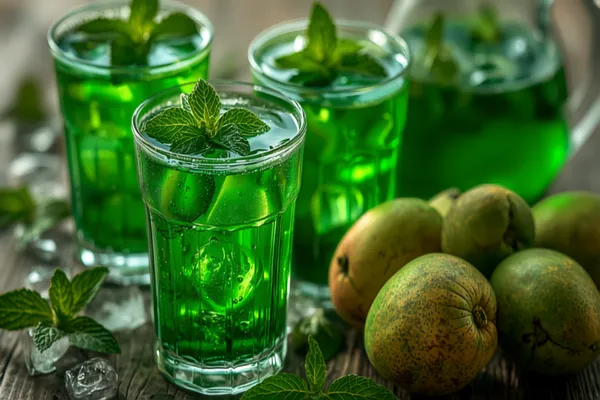
Aam Panna (Raw Green Mango Summer Cooler)
India's tangy, jade-green raw-mango cooler — roasted or boiled green mangoes blended with cumin, black salt and mint. The traditional heat-stroke remedy that tastes like summer.
Pan-Indian (North & West India) · Indian
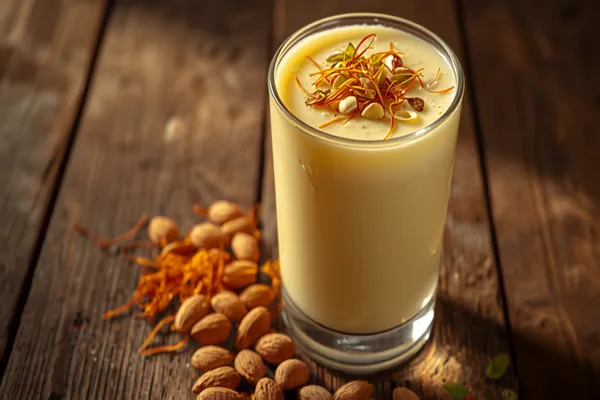
Badam Milk (Saffron Almond Milk)
Milk simmered with a paste of soaked almonds, saffron, cardamom and a whisper of nutmeg — India's rich, fragrant almond drink. Comforting served warm in winter, reviving served chilled in summer, festive any time.
Pan-Indian (Gujarat & West India especially) · Indian
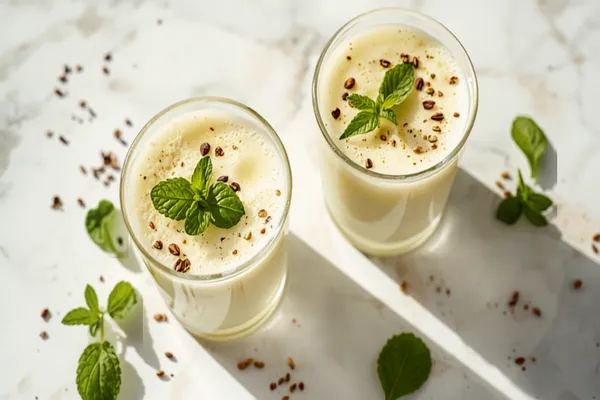
Chaas (Spiced Indian Buttermilk / Masala Chaas)
Whisked yogurt thinned with water and seasoned with cumin, green chilli, ginger and curry leaves — India's cooling, savoury buttermilk. A salty-tangy digestive that beats the heat and settles a heavy meal in two minutes.
From our kitchen community
Ratings & Reviews
My Rating
Tap a star to rate — no sign-in, no form needed.
My Review
0 Ratings
🥣 0 home cooks made it!
Be the first to rate Bisi Bele Bath (Karnataka Spiced Rice and Lentils).
Related Recipes
Tamil Nadu / Karnataka / South India · Indian
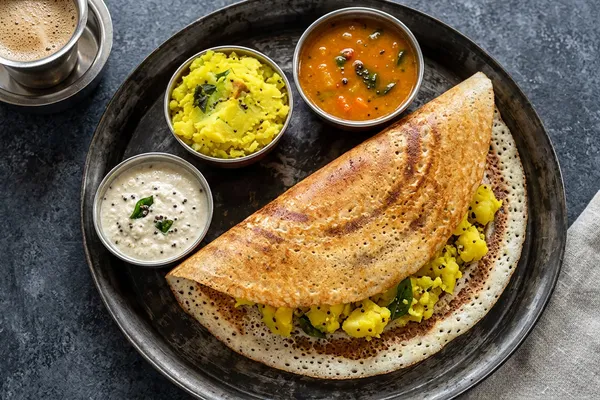
Masala Dosa (Crispy South Indian Crepe with Spiced Potato)
The South Indian icon: a fermented rice-and-lentil crepe griddled until lacy and golden, wrapped around a turmeric-yellow potato masala, and served with coconut chutney and sambar. A weekend project worth every minute.
Mangalore / coastal Karnataka (Tulu Nadu) / South India · Indian
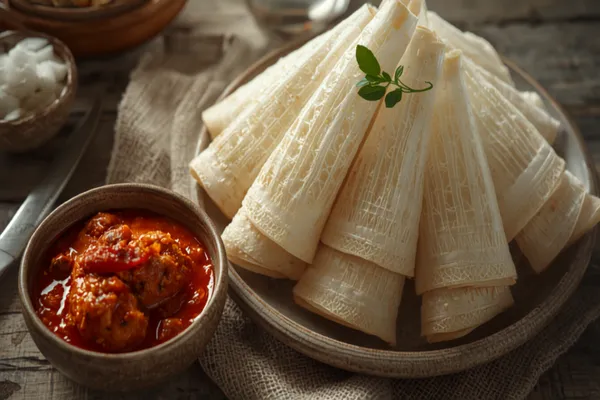
Neer Dosa (Mangalorean Lacy Rice Crepe)
Coastal Karnataka's delicate everyday crepe: a thin, soft, lacy dosa from a simple ground-rice batter — no fermentation, no urad dal. 'Neer' means water, for how thin the batter pours. The gentle foil to a fiery ghee roast.