Mangalore / coastal Karnataka (Tulu Nadu) / South India · Indian
Neer Dosa (Mangalorean Lacy Rice Crepe)
Coastal Karnataka's delicate everyday crepe: a thin, soft, lacy dosa from a simple ground-rice batter — no fermentation, no urad dal. 'Neer' means water, for how thin the batter pours. The gentle foil to a fiery ghee roast.
Published July 10, 2026
Cultural context
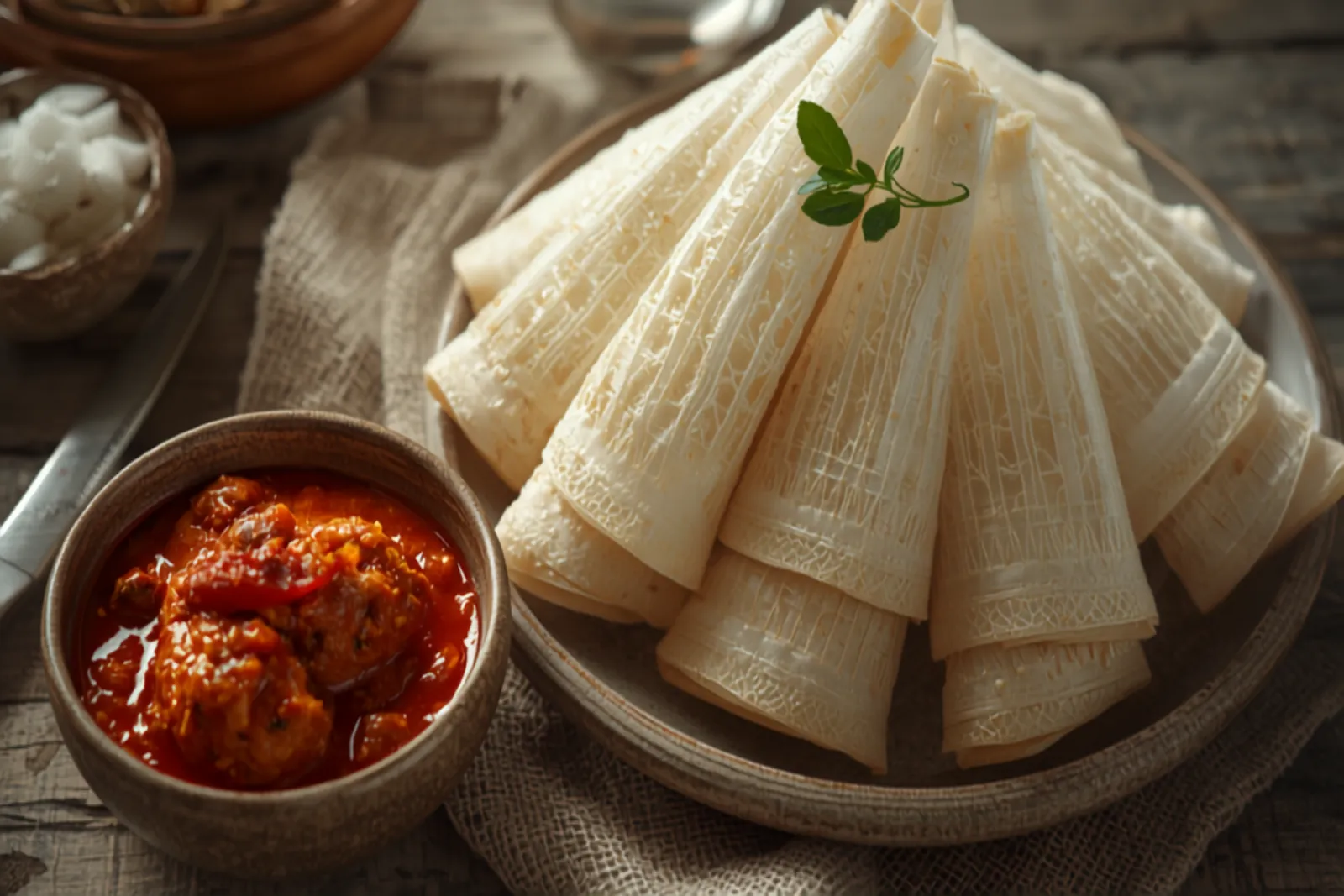
Neer dosa — 'neer' means water in Tulu and Kannada, for the thin, watery batter — is the soft, lacy everyday crepe of coastal Karnataka's Tuluva cuisine. Unlike most dosas it needs no fermentation and no lentils, just ground rice. Its delicate, plain softness makes it the classic partner to rich coastal dishes like chicken ghee roast and fish curry.
Neer dosa is coastal Karnataka’s gentlest everyday crepe — thin, soft, and lacy, made from a simple batter of ground rice with no fermentation and no lentils. The name says it all: neer means water, for how thin the batter pours. It comes from the Tuluva kitchens of the Mangalore coast, and its plain softness makes it the perfect foil to the region’s rich, fiery dishes.
Thin batter is the whole secret
Where a masala dosa is built on a thick, fermented batter, neer dosa is the opposite: a very smooth, very watery rice batter, poured rather than spread. That thinness, hitting a hot griddle, is what creates the delicate, holey, lacy texture. Grind the rice perfectly smooth and thin the batter until it’s like milk.
No fermentation, no fuss
There’s no overnight wait here. Soak the rice, grind it with a little coconut, thin it, and cook the same day. It’s one of the easiest dosas to make and among the most useful, since its soft neutrality goes with almost anything.
Pour, don’t spread; cook one side
Pour the batter from the edges inward and let it find its own lacy shape — don’t spread it with a ladle. Cover and cook on one side only until the top sets; it stays soft and white, then folds into neat triangles.
Its classic destiny is alongside Mangalorean chicken ghee roast, the soft crepe soaking up the rich, spicy masala. Browse more in the full recipe collection.
Ingredients
For the batter
- 1 cup raw rice (sona masoori or similar) Soaked 3–4 hours, then ground smooth. Just rice — no urad dal.
- 2 tbsp fresh grated coconut (optional) Common in coastal versions for softness and flavour.
- salt and plenty of water The batter must be very thin — pourable like milk — hence 'neer' (water).
To cook
- oil for the griddle
Method
Tap a step’s number to check it off as you go.
-
Soak the rice 3–4 hours, then grind with the coconut and a little water to a very smooth batter.
Why: A perfectly smooth grind is essential — any grittiness keeps the crepe from spreading thin and lacy.
-
Thin the batter with water until it's truly watery — like thin milk — and add salt.
Why: This is the defining step: a very thin batter is what makes neer dosa lacy and delicate. A thick batter gives a dense, un-lacy crepe.
-
Heat a well-seasoned or non-stick tawa until quite hot and lightly oil it. Pour the thin batter from the edges toward the centre (don't spread with a ladle).
Why: You pour rather than spread — the thin batter naturally forms a lacy, holey crepe. A very hot griddle sets it instantly into that delicate pattern.
-
Cover and cook on one side only until the top is set and the edges lift; do not flip.
Why: Neer dosa is cooked on one side and stays soft and white; covering steams the top so it cooks through without browning or flipping.
-
Fold into triangles or quarters and stack.
Why: Its softness means it's folded, not rolled crisp like a masala dosa; folding keeps it neat and pliable.
A quick, anonymous tap — no review needed.
Variations
- With more coconut
Increase the grated coconut in the batter for a richer, softer, slightly sweet neer dosa.
- Plain (no coconut)
Skip the coconut for the simplest version — just rice, water, and salt.
- Serve sweet
Pair with coconut-jaggery (for a sweet breakfast) instead of a savory curry.
Serving & Storage
Serve soft and warm with chicken ghee roast or a coastal fish/chicken curry — the classic pairings. Sweetened coconut milk or coconut-jaggery makes it a gentle breakfast.
Pairs with: Chicken ghee roast, Coastal fish curry, Coconut chutney, Coconut-jaggery.
Storage: Best fresh and soft. The batter keeps a day refrigerated (re-thin with water before use); cooked dosas dry out, so make them as needed.
Nutrition
Per serving (2 dosas)
- Calories
- 160
- Protein
- 3 g
- Carbs
- 33 g
- Fat
- 2 g
- Fiber
- 1 g
- Sugar
- 0 g
- Sodium
- 240 mg
Notable micronutrients: Manganese, Selenium
Estimated using standard ingredient data. Values vary with brands and substitutions.
Frequently Asked Questions
Why is my neer dosa not lacy?
The batter is too thick or the griddle isn't hot enough. Neer dosa batter should be truly watery — like thin milk — and poured (not spread) onto a hot tawa, where it sets instantly into its lacy, holey pattern.
Do I flip neer dosa?
No — it's cooked on one side only, covered, until the top sets. It stays soft and white rather than crisp and browned, then is folded into triangles.
Does neer dosa need fermentation?
No — unlike most dosas, neer dosa uses a fresh, unfermented batter of just ground rice (and optional coconut). Soak, grind, thin, and cook the same day. That simplicity is part of its everyday appeal.
What to drink with this
All drinks →Hand-picked pours to match this dish.
North & West India (peak-summer drink across the subcontinent) · Indian
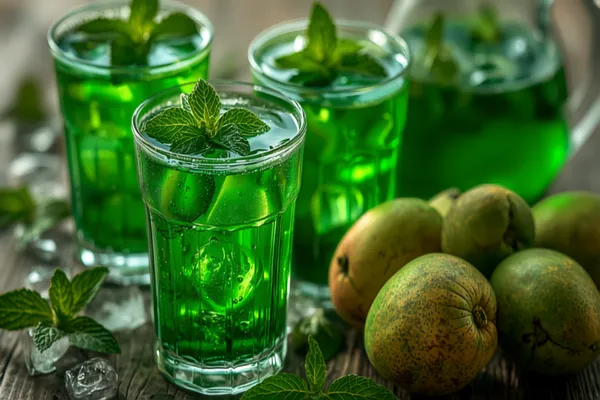
Aam Panna (Raw Green Mango Summer Cooler)
India's tangy, jade-green raw-mango cooler — roasted or boiled green mangoes blended with cumin, black salt and mint. The traditional heat-stroke remedy that tastes like summer.
Pan-Indian (North & West India) · Indian
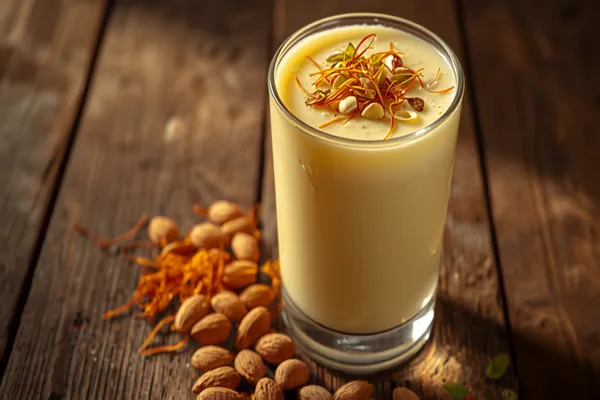
Badam Milk (Saffron Almond Milk)
Milk simmered with a paste of soaked almonds, saffron, cardamom and a whisper of nutmeg — India's rich, fragrant almond drink. Comforting served warm in winter, reviving served chilled in summer, festive any time.
Pan-Indian (Gujarat & West India especially) · Indian
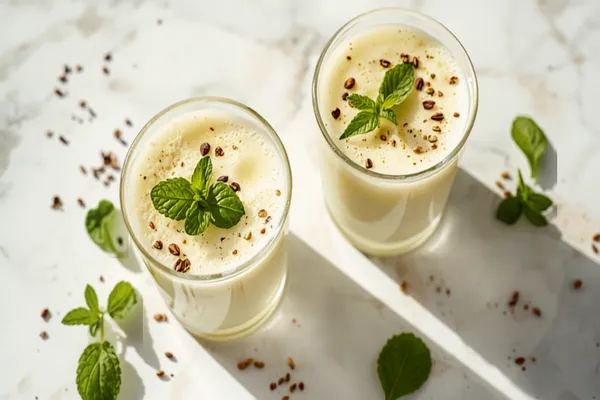
Chaas (Spiced Indian Buttermilk / Masala Chaas)
Whisked yogurt thinned with water and seasoned with cumin, green chilli, ginger and curry leaves — India's cooling, savoury buttermilk. A salty-tangy digestive that beats the heat and settles a heavy meal in two minutes.
From our kitchen community
Ratings & Reviews
My Rating
Tap a star to rate — no sign-in, no form needed.
My Review
0 Ratings
🥣 0 home cooks made it!
Be the first to rate Neer Dosa (Mangalorean Lacy Rice Crepe).
Related Recipes
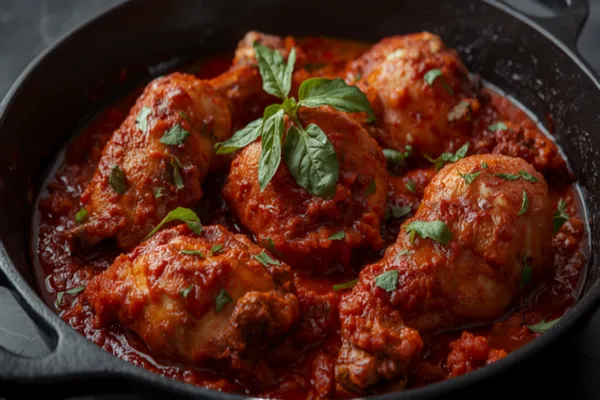
Mangalore / coastal Karnataka (Kundapur) / South India · Indian
Mangalorean Chicken Ghee Roast (Kori Ghee Roast)
Coastal Karnataka's fiery, glossy showstopper: chicken marinated in yogurt, then cooked down in a ground paste of roasted Byadgi chilies and spices with generous ghee until it clings, deep red and tangy-hot. Bold, aromatic, and famous for a reason.
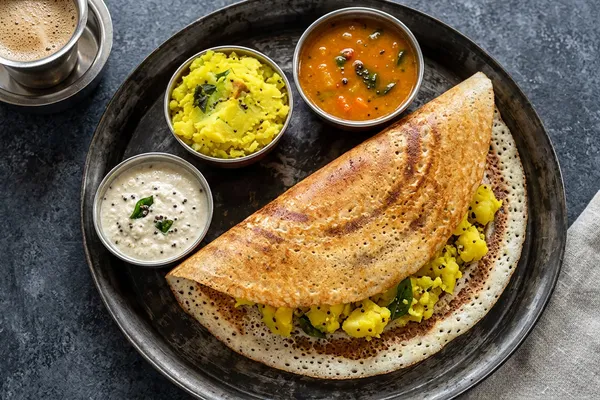
Tamil Nadu / Karnataka / South India · Indian
Masala Dosa (Crispy South Indian Crepe with Spiced Potato)
The South Indian icon: a fermented rice-and-lentil crepe griddled until lacy and golden, wrapped around a turmeric-yellow potato masala, and served with coconut chutney and sambar. A weekend project worth every minute.
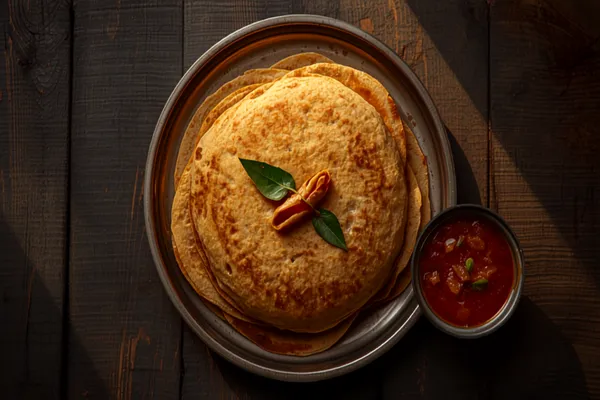
Malabar Coast, Kerala · Indian
Malabar Parotta (Kerala Layered Flatbread)
The flaky, pull-apart layered flatbread of the Malabar Coast — soft dough stretched paper-thin, coiled into a spiral, and griddled until it shatters into ribbons. Slap it hot and eat it with curry.