Mangalore / coastal Karnataka (Kundapur) / South India · Indian
Mangalorean Chicken Ghee Roast (Kori Ghee Roast)
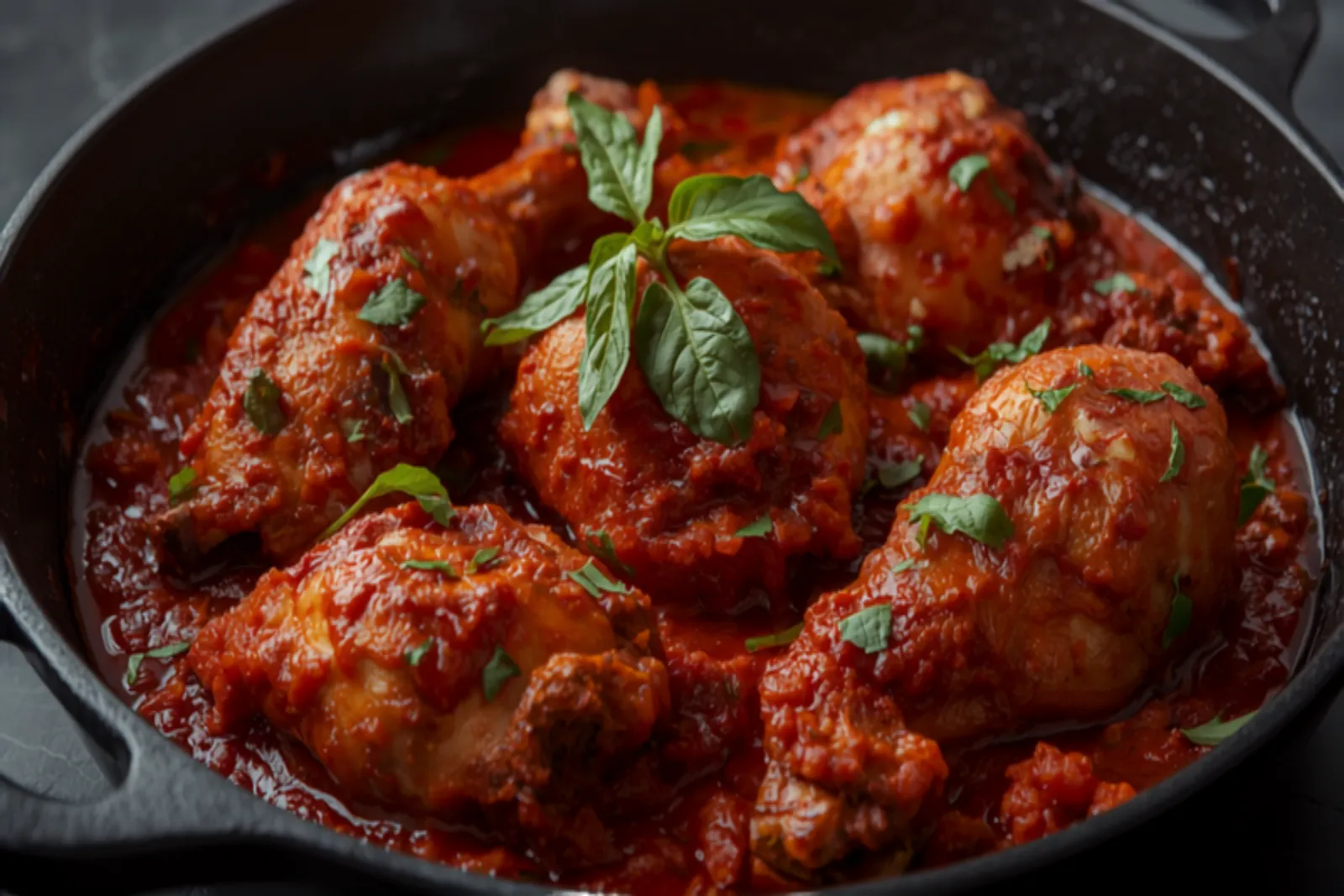
Coastal Karnataka's fiery, glossy showstopper: chicken marinated in yogurt, then cooked down in a ground paste of roasted Byadgi chilies and spices with generous ghee until it clings, deep red and tangy-hot. Bold, aromatic, and famous for a reason.
Published July 10, 2026
Cultural context
Ghee roast hails from the coastal Karnataka belt around Mangalore and Kundapur, where it began as a chicken preparation and became a regional icon. Defined by Byadgi chilies (deep red, mild), a generous amount of ghee, and a tangy hit from tamarind, it sits at the heart of Mangalorean and Tuluva cooking.
Mangalorean chicken ghee roast — kori ghee roast — is one of coastal Karnataka’s great showstoppers: chicken cooked down in a freshly ground paste of roasted Byadgi chilies and spices with a generous amount of ghee, until the masala clings to every piece, deep red, glossy, and tangy-hot. It comes from the Mangalore–Kundapur belt and has become a regional icon for good reason.
The Byadgi chili and the tang
Two things give ghee roast its character. The Byadgi chili colours it a vivid, glowing red with mild heat (Kashmiri chilies are the closest substitute). And tamarind, ground into the masala, brings the tangy edge that lifts the richness — without it, ghee roast loses its soul. A little jaggery at the end rounds the chili and sourness.
Freshly roasted masala, generous ghee
As with Chettinad cooking, the spices are dry-roasted and ground fresh, not shaken from a jar. Then comes the defining step: frying that paste in plenty of ghee, patiently, until it darkens and the ghee separates. The name is a promise — this is not the dish to skimp on ghee, which carries the spice and gives the glossy “roast” finish.
Cook it down to cling
Ghee roast is semi-dry, not a gravy. The chicken (pre-cooked in its yogurt marinade) is tossed in the masala and reduced until it coats each piece and glistens. Serve it with the classic partner, neer dosa, whose soft plainness is the perfect foil.
For more coastal South Indian cooking, see Kerala fish curry, or browse the full recipe collection.
Ingredients
For the marinade
- 700 g bone-in chicken, cut into pieces
- 1/2 cup yogurt
- 1/2 tsp turmeric, salt
For the ghee roast masala (roast & grind)
- 10–12 Byadgi dried red chilies Byadgi gives the signature deep red colour and mild heat; add a couple of hotter chilies if you want more bite.
- 1 tbsp coriander seeds
- 1 tsp each cumin and fennel seeds
- 1/2 tsp fenugreek and black peppercorns
- 6 cloves garlic
- 1 tbsp tamarind paste The tangy note that defines ghee roast — don't skip it.
For cooking
- 1/2 cup ghee Yes, this much — 'ghee roast' is generous with it; that richness is the point.
- 1 sprig curry leaves
- a little jaggery, salt
Method
Tap a step’s number to check it off as you go.
-
Marinate the chicken in yogurt, turmeric, and salt for at least an hour.
Why: The yogurt marinade tenderises the chicken and seasons it through before it meets the intense masala.
-
Dry-roast the chilies and whole spices until fragrant, then grind with the garlic and tamarind into a smooth paste.
Why: Roasting and freshly grinding the masala is essential — it's what gives ghee roast its deep, complex flavour and glossy red colour.
-
Cook the marinated chicken (in its marinade) until nearly done and the liquid mostly dries up.
Why: Pre-cooking the chicken in its marinade builds a flavour base and removes excess moisture so the masala can cling later.
-
In a generous amount of ghee, fry the curry leaves, then the ground masala, stirring, until it darkens and the ghee separates.
Why: Frying the paste in plenty of ghee on medium heat is the heart of the dish — it cooks out the rawness and creates the rich, glossy 'roast.' This takes patience and stirring.
-
Add the chicken and toss to coat, cooking until the masala clings tightly and glistens. Balance with a little jaggery and salt.
Why: Reducing until the masala coats each piece (semi-dry, not gravy) is what makes it a 'roast'; jaggery rounds the chili and tamarind.
A quick, anonymous tap — no review needed.
Variations
- Paneer / mushroom ghee roast
Use paneer or mushrooms in place of chicken for a vegetarian ghee roast with the same masala.
- Prawn ghee roast
Coastal Karnataka also loves prawn ghee roast — use prawns and reduce the cooking time sharply.
- Less ghee
You can cut the ghee somewhat, but a generous amount is what defines the dish — don't reduce it too far.
Serving & Storage
Serve with neer dosa (the classic pairing), kori rotti, set dosa, or plain rice. The richness wants a plain, soft starch alongside.
Pairs with: Neer dosa, Kori rotti, Set dosa, Steamed rice.
Storage: Keeps 3 days refrigerated and deepens overnight; the ghee firms when cold, so reheat gently to bring it back to glossy.
Nutrition
Per serving (1 serving)
- Calories
- 480
- Protein
- 30 g
- Carbs
- 10 g
- Fat
- 36 g
- Fiber
- 3 g
- Sugar
- 3 g
- Sodium
- 620 mg
Notable micronutrients: Niacin, Vitamin B6, Iron
Estimated using standard ingredient data. Values vary with brands and substitutions.
Frequently Asked Questions
What are Byadgi chilies and can I substitute them?
Byadgi chilies, grown in Karnataka, give a deep red colour with mild heat — perfect for the vivid, not-too-fiery ghee roast. Kashmiri chilies are the closest substitute. Add a couple of hotter chilies if you want more heat.
Why so much ghee?
It's called ghee roast for a reason — the generous ghee is what carries the spices, gives the glossy finish, and defines the dish's richness. You can trim it a little, but don't cut it drastically or it stops being ghee roast.
What do I serve with chicken ghee roast?
Neer dosa is the classic Mangalorean partner — its soft, plain texture balances the rich, spicy roast. Kori rotti (crisp rice wafers), set dosa, or plain rice also work.
What to drink with this
All drinks →Hand-picked pours to match this dish.
North & West India (peak-summer drink across the subcontinent) · Indian
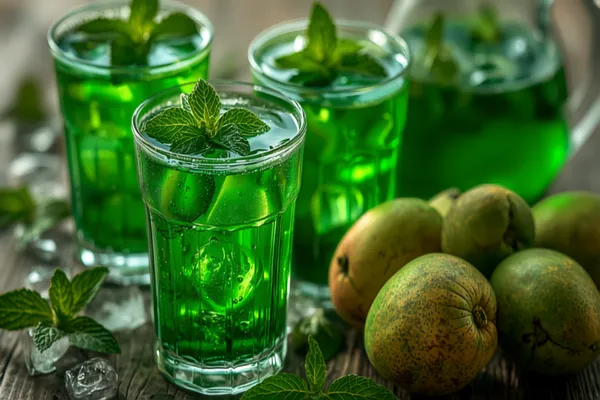
Aam Panna (Raw Green Mango Summer Cooler)
India's tangy, jade-green raw-mango cooler — roasted or boiled green mangoes blended with cumin, black salt and mint. The traditional heat-stroke remedy that tastes like summer.
Pan-Indian (North & West India) · Indian
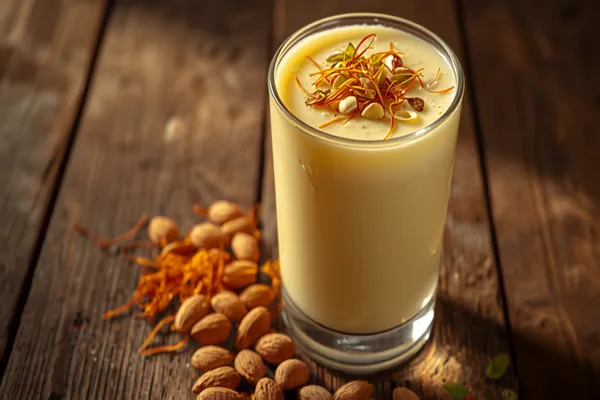
Badam Milk (Saffron Almond Milk)
Milk simmered with a paste of soaked almonds, saffron, cardamom and a whisper of nutmeg — India's rich, fragrant almond drink. Comforting served warm in winter, reviving served chilled in summer, festive any time.
Pan-Indian (Gujarat & West India especially) · Indian
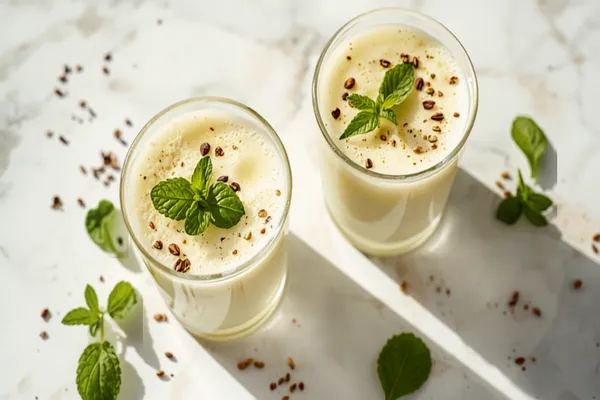
Chaas (Spiced Indian Buttermilk / Masala Chaas)
Whisked yogurt thinned with water and seasoned with cumin, green chilli, ginger and curry leaves — India's cooling, savoury buttermilk. A salty-tangy digestive that beats the heat and settles a heavy meal in two minutes.
From our kitchen community
Ratings & Reviews
My Rating
Tap a star to rate — no sign-in, no form needed.
My Review
0 Ratings
🥣 0 home cooks made it!
Be the first to rate Mangalorean Chicken Ghee Roast (Kori Ghee Roast).
Related Recipes
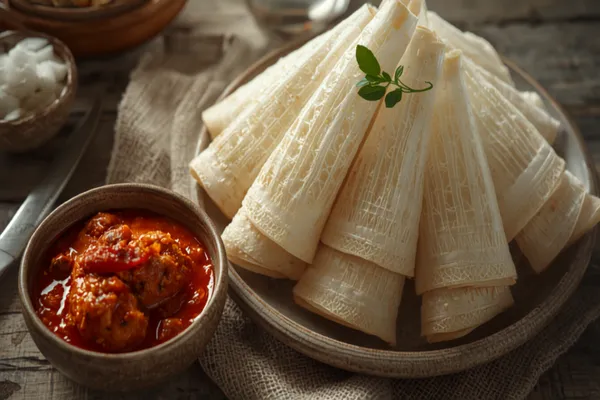
Mangalore / coastal Karnataka (Tulu Nadu) / South India · Indian
Neer Dosa (Mangalorean Lacy Rice Crepe)
Coastal Karnataka's delicate everyday crepe: a thin, soft, lacy dosa from a simple ground-rice batter — no fermentation, no urad dal. 'Neer' means water, for how thin the batter pours. The gentle foil to a fiery ghee roast.
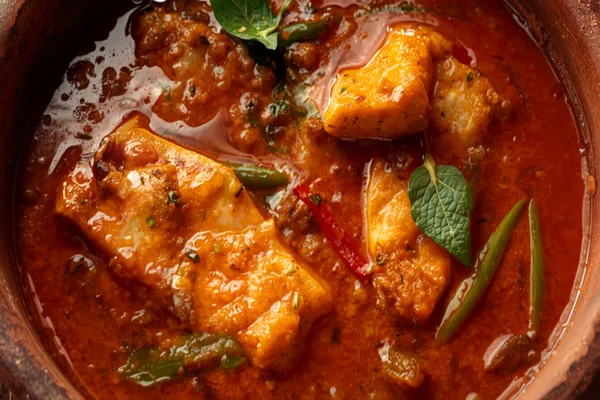
Kerala / South India (Malabar coast) · Indian
Kerala Fish Curry (Meen Curry with Coconut)
A coastal Kerala classic: fish simmered in a tangy, coconut-rich gravy sharpened with kokum-like kudampuli (Malabar tamarind) and a fragrant curry-leaf tempering. Sour, spicy, and built for rice.
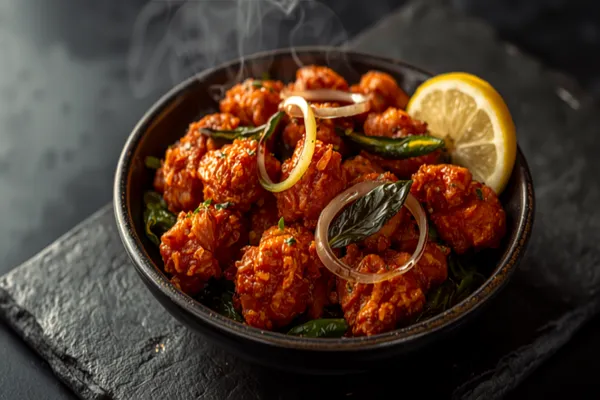
Chennai, Tamil Nadu (South India) · Indian
Chicken 65 (Chennai's Crispy, Fiery Fried Chicken)
The South Indian icon born at Chennai's Buhari Hotel in 1965 — boneless chicken marinated in yogurt, ginger-garlic and red chilli, fried crisp, then tossed in a curry-leaf and chilli tempering. Hot, tangy and impossible to stop eating.
Further reading
- Cultural Story · South IndiaA Complete Guide to South Indian CookingSouth India isn't one cuisine but many — Tamil, Kerala, Karnataka, Andhra and Telangana, each with its own grains, spices, and rituals. A guide to the building blocks, the regional differences, and where to start cooking.
- Ingredient Deep DiveThe Indian Spice Pantry: A Beginner's MapYou don't need a hundred spices to cook Indian food — you need a dozen, and the know-how to use them. A practical guide to the essential Indian spices, what each does, and the techniques (tadka, bhuna, dry-roasting) that unlock them.