Central and southern Mexico — the Michoacán highlands and the Valles Centrales of Oaxaca, the old heartland of the milpa, with the same bread eaten daily across Guatemala, El Salvador and Honduras · Mexican
Corn Tortillas (Tortillas de Maíz)
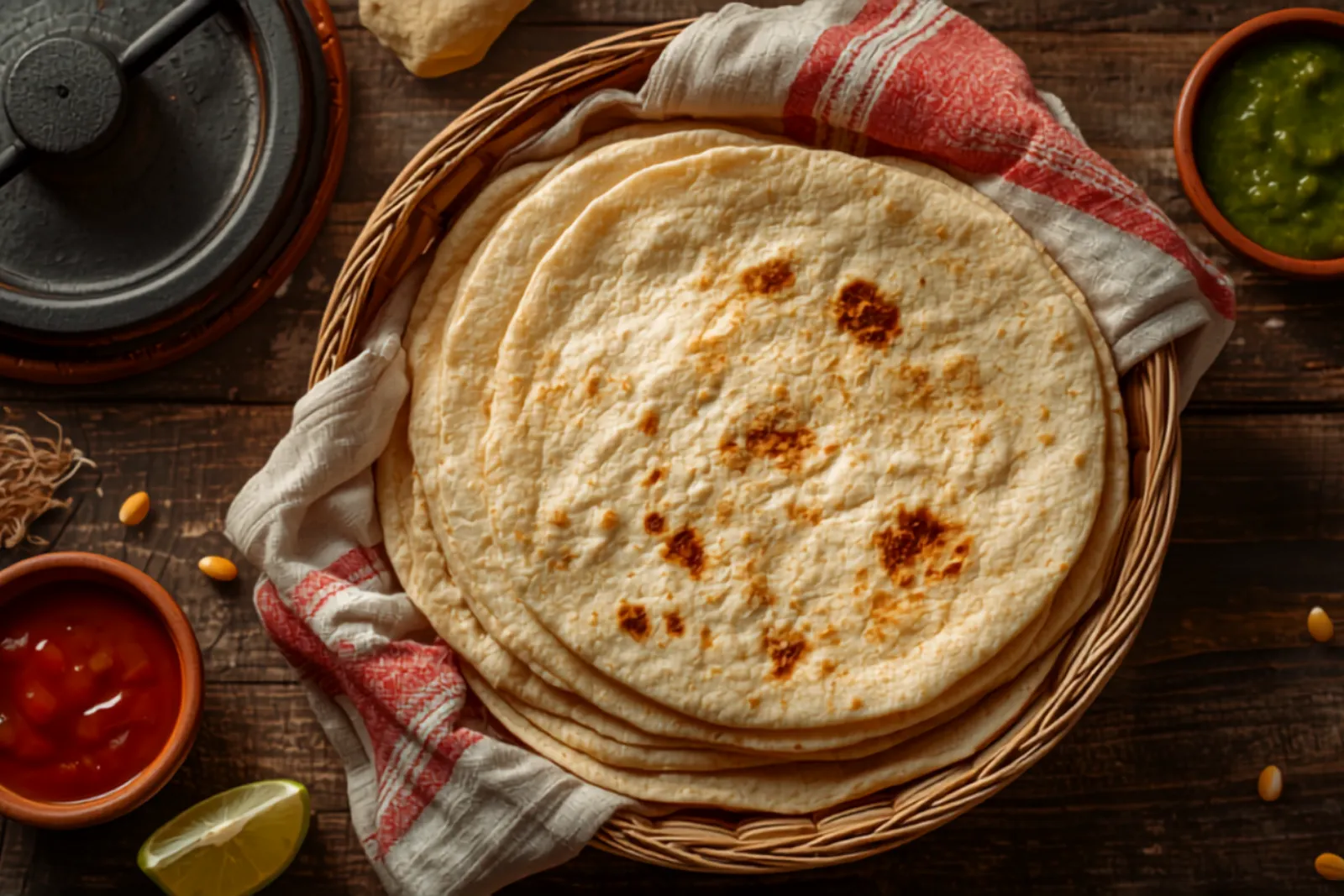
The foundational bread of Mesoamerica: nixtamalized corn ground to a soft masa, pressed thin and cooked dry on a hot comal until it puffs into two paper-thin leaves — with both the 40-minute masa harina route and the overnight whole-corn one.
Published September 14, 2026
Cultural context
The corn tortilla is not a recipe so much as an inheritance. Its enabling technique, nixtamalization — simmering dried maize in water with cal, slaked lime — was worked out in Mesoamerica somewhere between 1200 and 1500 BCE, with the earliest evidence from the Pacific coast of Guatemala, and it is the reason a maize diet did not condemn its people to pellagra. This is emphatically not one nation's bread: it is the daily bread of Mexico, Guatemala, El Salvador and Honduras alike, made from landraces that differ village to village. Mexico's claim is one of scale and of continuity — UNESCO's 2010 inscription of traditional Mexican cuisine on the Representative List of the Intangible Cultural Heritage of Humanity names the milpa, nixtamalization, the metate and the comal explicitly, taking Michoacán as its paradigm.
Corn tortillas are the oldest thing on this website. Long before there was a Mexico, cooks in Mesoamerica had solved a hard problem: maize is a generous crop and a nutritionally treacherous one, because its niacin is chemically locked away and its protein is short on lysine. Somewhere between 1200 and 1500 BCE — the earliest evidence comes from the Pacific coast of what is now Guatemala — someone discovered that simmering dried kernels in water with ash or slaked lime unlocked all of it. That process is nixtamalization, from the Nahuatl nextli, ashes, and tamalli, dough. Every tortilla, tamal, tlacoyo and bowl of pozole descends from it, and so, for three thousand years, has breakfast.
This is not one country’s bread. It is eaten every day in Guatemala, El Salvador and Honduras as much as in Mexico, from landraces that change from one valley to the next. What Mexico has is scale, continuity, and a formal claim: when UNESCO inscribed traditional Mexican cuisine on its Intangible Cultural Heritage list in 2010, taking Michoacán as the paradigm, the citation named the milpa, nixtamalization, the metate and the comal by name. The tortilla is the point where all four meet.
Two routes to masa, and both are legitimate
You can make tortillas in forty minutes or in a day and a half, and the difference is only where the nixtamalization happens.
Masa harina, the everyday route
Masa harina is corn that has already been nixtamalized, ground, dried and bagged. Add hot water and salt, knead for two minutes, rest for thirty, and you have workable masa. This is what most Mexican home cooks who live away from a tortillería use, and there is nothing apologetic about it. The only thing to get right is hydration — and the only reliable way to get it right is to press one test tortilla and look at its edge. A smooth rim means you’re ready; a cracked rim means add water. No recipe’s water quantity survives contact with a different brand of flour.
What you cannot do is substitute cornmeal, polenta or cornflour. Those are milled from untreated maize, and untreated maize does not bind.
Whole corn, the route with the metate
Simmer a kilo of dried field corn with 1% of its weight in food-grade cal for fifteen or twenty minutes — until a kernel’s skin slips under your thumb but its heart is still chalky — then let it steep overnight. Rinse the loosened skins away, grind the damp corn to a paste, and you have the real thing: sweeter, grassier, unmistakably corn. It is worth doing once, with a named landrace, simply to learn what a tortilla is supposed to taste like.
Three turns on a dry comal
The cooking is where a good masa is usually wasted. The pan must be dry — no oil, ever — and properly hot, around 200°C, because the entire mechanism is steam.
Lay the pressed disc down and give it only fifteen to twenty seconds. That’s long enough to set a skin on one face and no longer; overcook this side and it hardens, and a tortilla with two hard faces cannot inflate. Flip, and now give it forty-five to sixty seconds, until it freckles and looks dry at the rim — this is the side that drives water into steam. Then flip back onto the first face for a final twenty or thirty seconds, press the middle with a folded cloth, and it should balloon.
That puff is diagnostic. It means the hydration was right and the heat was right, and it means the tortilla has split internally into two paper-thin leaves — which is the structural reason you can open one up and fill it.
The basket is part of the recipe
Tortillas come off the comal stiff and become soft in company. Stack them straight into a cloth-lined basket, fold the cloth over, and let the pile steam itself for five minutes before anyone eats. Left in the open air, singly, they go leathery in about two minutes. This is why a tortillería hands you a paper packet inside a cloth and why every Mexican kitchen owns a tortillero.
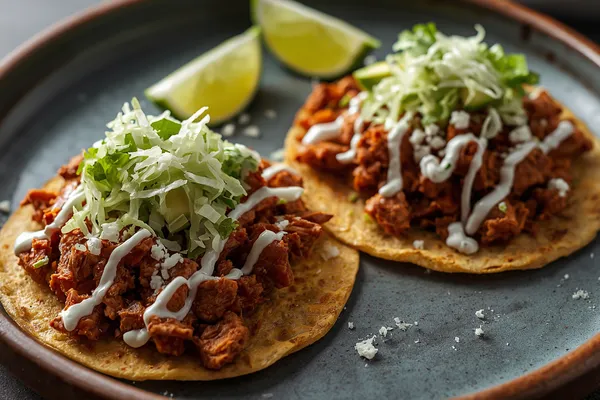
Make a batch and you have the week: tacos al pastor on the first night, tinga de pollo on the second, and the stale ones cut up and fried into totopos. For where the tortilla sits among the world’s great staples, the world classics guide has the map.
Ingredients
For the tortillas (the masa harina route)
- 400 g (3 1/3 cups) masa harina — nixtamalized corn flour This is the one ingredient you cannot improvise. Masa harina is corn that has already been nixtamalized, ground and dried; Maseca is the ubiquitous supermarket brand, while Masienda, Bob's Red Mill and smaller single-landrace millers are noticeably better-tasting. Cornmeal, polenta, cornflour/cornstarch and 'corn flour' are all made from untreated maize, will not bind into a workable dough, and cannot be substituted.
- 1 tsp fine sea salt Optional and faintly controversial. A Mexican tortillería adds none — the tortilla is bread, and seasoning belongs to what goes on it. A little salt makes a tortilla eaten plain taste better, so use it or don't.
- 600–660 ml (2 1/2–2 3/4 cups) hot water, about 60°C / 140°F The range is real and the reason most first attempts fail. Different brands and different grinds drink different amounts, and a half-open bag in a dry kitchen needs more. Start at 600 ml and add the rest by the tablespoon.
- 2 freezer bags or a cut-open ziplock, for the press Cheaper and better than the plastic discs sold for the purpose. Cut the seams so you have two flat sheets, and they will last for years.
From whole corn instead (the traditional route)
- 1 kg (2 1/4 lb) dried field corn — dent or flint, ideally a Mexican landrace (maíz criollo) Sweetcorn and popcorn will not do; you want a starchy field corn. Bolita, Olotillo, Cónico and blue Cónico Norteño are the sort of landraces Mexican cooks name, and mail-order heirloom corn from Oaxaca or New Mexico tastes like something supermarket masa harina cannot.
- 10 g (2 tsp) cal — food-grade calcium hydroxide / pickling lime Use 1% of the corn's dry weight and no more. Sold as cal, cal hidratada or pickling lime; calcium oxide (quicklime) and garden lime are not the same thing and are not food-safe. Wood ash lye is the older method and still used in parts of Guatemala.
- 3 litres (12 cups) water, plus more for rinsing
To serve
- a cloth-lined basket or tortillero Not decorative. Tortillas soften each other in a covered stack; left out singly they stiffen in a couple of minutes.
Method
Tap a step’s number to check it off as you go.
-
Whisk the masa harina and salt in a wide bowl. Pour in 600 ml of the hot water and mix with a spoon until it comes together, then knead in the bowl for 2 minutes until you have a smooth, uniform dough.
Why: Hot water rather than cold: masa harina's starch has already been cooked once during nixtamalization, and warm water swells those gelatinized granules quickly and evenly, so the dough becomes cohesive in two minutes rather than ten. Cold water gives a gritty dough that never quite comes together.
-
Cover the bowl with a damp cloth and rest for 30 minutes.
Why: The flour is ground finely but not instantly. Thirty minutes lets water reach the centre of every particle, and fully hydrated masa is what stops the pressed edges cracking. This rest costs nothing and fixes the most common failure.
-
Test the hydration before you commit. Roll one 35 g ball and press it flat. If the edges crack, the dough is dry — work in water a tablespoon at a time. If it smears on the plastic and won't peel off cleanly, it is wet — knead in a spoonful more masa harina. Correct masa feels like fresh play-dough: soft, faintly tacky, and it takes a thumbprint without splitting.
Why: Hydration is effectively the only variable in this recipe, and no written quantity can be right for every flour. One test tortilla tells you more than any measurement, and adjusting now is far easier than salvaging eighteen cracked ones later.
-
Set a comal, cast-iron skillet or heavy steel pan over medium-high heat and leave it there for 5 minutes, until a drop of water skitters and evaporates on contact — around 200°C / 400°F. Use no oil at all.
Why: A tortilla is baked, not fried. The dry, genuinely hot surface flash-sets the outside and turns the water inside the masa to steam fast enough to inflate the tortilla. Oil insulates the surface and a merely warm pan dries the dough out instead, which is why tortillas from a lukewarm pan come out leathery.
-
Divide the dough into 35 g balls — about 18 — rolling each smooth and keeping them under the damp cloth as you go. Lay one sheet of plastic on the open press, a ball slightly off-centre toward the hinge, the second sheet on top, and press firmly once, then rotate the disc 180° and press again to about 2 mm thick and 13 cm across.
Why: Balls dry out with alarming speed, hence the cloth. The half-turn between presses evens out the wedge that every press makes — plates are never perfectly parallel, and a tortilla thicker on one side cooks unevenly and will not puff.
-
Peel the top plastic away, lift the tortilla on your palm or fingertips, and lay it flat onto the hot surface — it should hiss. Cook 15–20 seconds only, until the surface loses its wet shine and the edge lifts, then flip.
Why: This first contact is deliberately brief. All it does is set a thin skin on one face; leave it longer and that face dries hard, and a tortilla with two hard faces can never inflate. This is the step people rush past, and the whole three-turn sequence depends on it.
-
Cook 45–60 seconds on the second side, until pale brown freckles appear and the tortilla looks dry at the edges. Then flip it back onto the first side for a final 20–30 seconds — press the middle gently with a fingertip or a folded cloth and it should balloon.
Why: Three turns, in that rhythm, for a reason: the long second side drives enough water into steam, and returning the already-set first side to the heat traps that steam under a sealed skin so it inflates the tortilla and splits it into two paper-thin leaves. The puff is not showmanship — it is the visible proof that your hydration and your heat are both right, and the split is what lets a tortilla be opened and stuffed.
-
Move each finished tortilla straight into a cloth-lined basket, folding the cloth over the stack, and carry on. Let them sit 5 minutes before serving.
Why: A tortilla leaves the comal stiff. Stacked and covered, they steam one another: the residual moisture redistributes through the starch and they turn soft and foldable. This is also why a tortillería sells them wrapped in paper inside a cloth — the wrapping is part of the recipe.
-
To make masa from whole corn instead, start a day ahead. Rinse the corn, discard floaters, and bring it to a boil with the 3 litres of water and the cal. Simmer 15–20 minutes, until a kernel's skin slips when rubbed between your fingers but the centre is still firm and chalky, then take it off the heat, cover, and steep 8–12 hours overnight.
Why: The alkali does three things no other treatment does: it dissolves the pericarp so the kernel can hydrate and grind, it frees the niacin that is chemically bound in raw maize — the reason maize-dependent peoples in Mesoamerica never suffered pellagra while nineteenth-century Europe and the American South did — and it leaves behind calcium the body can use. It also creates the aroma everyone recognises as tortilla. Undercook, and the corn won't grind; overcook, and you get mush and a soapy taste.
-
Drain the nixtamal, rub it under running water between your palms until the loosened skins wash away and the water runs clear, then grind it wet — on a metate, through a hand mill, or in a food processor in batches with a splash of water — until it is a smooth, slightly tacky masa with no gritty fragments. Knead briefly, then press and cook exactly as above.
Why: Rinsing off the skins and the surplus lime is what keeps the masa from tasting bitter or chalky. Wet grinding matters too: the aim is to shear the softened, still-damp grain into a paste that binds on its own, which is precisely the job the metate has done in Mesoamerican kitchens for three thousand years. Fresh masa should be cooked the same day — it sours by the next.
A quick, anonymous tap — no review needed.
Variations
- Blue corn (tortillas de maíz azul)
Blue masa harina, milled from the criollo blue landraces of the State of Mexico, Puebla, Tlaxcala and Chihuahua, makes a slate-grey-violet tortilla with a rounder, nuttier flavour and a slightly more fragile crumb. Press it a fraction thicker and expect less dramatic puffing — there is more bran in the grind.
- Tlacoyos and gorditas
Same masa, more of it. For tlacoyos, press a 60 g ball into an oval around a spoonful of refried beans or requesón and cook 3 minutes a side; for gorditas, press thick, cook through, then split the edge like a pitta and fill. Both are the reason you make masa rather than buy tortillas.
- Totopos and tostadas
Yesterday's tortillas, cut into sixths and fried at 180°C for 90 seconds, or brushed with a little oil and baked at 200°C for 10 minutes, become totopos. Left whole and fried flat, they are tostadas. Mexican kitchens are built around not wasting a tortilla — see also chilaquiles and sopa de tortilla.
- Nopal, beetroot or herb masa
A modern tortillería flourish: 100 g of finely blended nopal (cactus paddle), cooked beetroot or coriander stalk worked into the dough in place of an equal weight of water, for green or magenta tortillas. Flavour barely changes; reduce the added water accordingly.
- Tlayuda-sized
Oaxaca's giant thin tortilla, 30 cm and up, griddled until leathery and used as a plate for beans, asiento and quesillo. It needs a large comal and hands rather than a press — pat a 120 g ball out on a plastic-lined board and work it thin from the centre.
Serving & Storage
Serve hot, in a covered basket, and let people take their own. Two tortillas and something to put in them is lunch across most of Mexico: a spoon of tinga, a few slices of al pastor, beans and a crumble of queso fresco, or nothing more than salt, lime and a smear of salsa — a taco de sal, which is what a Mexican cook eats standing at the comal while making everyone else's. Always double a tortilla if it has split, and always eat them within about fifteen minutes of the comal; there is no dish on this site whose quality drops off faster.
Pairs with: Tinga de pollo, Tacos al pastor, Refried beans and queso fresco, Salsa verde or salsa roja, Café de olla, Horchata, Mexican mule.
Storage: Cooled completely, then wrapped airtight, they keep 4–5 days in the fridge and freeze for 3 months with greaseproof paper between them — thaw in the wrapper. Reheat on a dry comal for 15–20 seconds a side, or steam a stack wrapped in a damp cloth for a minute; never microwave them uncovered, which drives out the last of their moisture and makes them brittle. Masa harina dough is best used within a few hours and will keep one day refrigerated under cling film, though it stiffens and needs a splash of water worked back in. Fresh nixtamal masa must be used the day it is ground — it ferments and turns sour fast, which is a fault in a tortilla and the whole point of some other Mesoamerican doughs.
Nutrition
Per serving (2 tortillas (about 60 g))
- Calories
- 110
- Protein
- 3 g
- Carbs
- 23 g
- Fat
- 1.2 g
- Fiber
- 3 g
- Sugar
- 0.5 g
- Sodium
- 180 mg
Notable micronutrients: Calcium, Niacin, Magnesium, Phosphorus, Iron, Thiamine
Estimated using standard ingredient data. Values vary with brands and substitutions.
Frequently Asked Questions
Why do my tortillas crack at the edges when I press them?
The dough is too dry — this accounts for the great majority of failed tortillas. Masa harina drinks more water than most packet instructions admit, and the amount shifts with the brand, the grind and how long the bag has been open. Work in water a tablespoon at a time until a pressed disc has a smooth, unbroken rim, and give the dough its full 30-minute rest so the water actually reaches the centre of each particle. Correct masa feels like fresh play-dough, not like pastry.
Why won't my tortillas puff up?
Four usual culprits. The pan isn't hot enough — it needs to be genuinely hot, around 200°C, so water flashes to steam instead of evaporating slowly. The dough is too dry, so there is no water to turn into steam. You pressed them too thick, or unevenly, so the steam escapes at the thin edge. Or you left them too long on the first side, which hardens that face and stops it sealing when you flip back. Keep to the three-turn rhythm — short, long, short — and press the centre lightly with a cloth as the last turn finishes; that nudge often triggers the balloon. And note that a tortilla which doesn't puff is still a perfectly good tortilla.
Can I use cornmeal, polenta or corn flour instead of masa harina?
No, and the reason is chemistry rather than snobbery. Masa harina is maize that has been simmered in an alkaline lime solution, steeped, washed, ground and dried; that treatment dissolves the kernel's outer skin and rearranges its starch and protein so the dough binds and stretches. Cornmeal, polenta, grits and cornstarch are all milled from untreated maize, so they hydrate into a gritty paste that falls apart in the press and tastes of raw corn. Look for a bag that says masa harina, masa instantánea or nixtamalized corn flour.
Do I really need a tortilla press?
No, but it is the cheapest worthwhile kitchen purchase in this recipe — a cast-iron press costs little and does the job in one second. Without one, put the ball between two plastic sheets and flatten it with the flat base of a heavy pan or a pie dish, leaning your weight on it, or roll it with a pin between the sheets. Hand-patting, the way it is still done in rural Michoacán and Oaxaca, is the traditional method and takes months to learn; the press was a twentieth-century invention precisely because patting is skilled work.
Is masa harina as good as fresh masa from nixtamal?
Honestly, no — but it is very good, and it is what most Mexican home cooks without a tortillería nearby use. Fresh masa has a sweeter, grassier, more distinctly corn aroma and a softer bite, because nothing has been dried and rehydrated and because the corn is usually a named landrace rather than a commodity hybrid. If you have a tortillería or a mill selling fresh masa, buy it and skip straight to pressing. If you want the difference without the overnight nixtamal, buy single-origin masa harina from a heirloom-corn miller; it sits closer to fresh than a supermarket bag does.
What does the cal actually do, and is it safe?
Cal is food-grade calcium hydroxide, and in a 1% solution it does the work that makes maize a viable staple: it breaks down the kernel's pericarp so the grain can hydrate and grind, it releases niacin that is otherwise chemically bound and unavailable, it improves the amino-acid balance, and it deposits usable calcium in the grain. Used at the right proportion and rinsed off properly it is entirely safe and has been in continuous use for over three thousand years. Do not increase the dose to speed things up — too much cal gives a soapy taste and a yellow, slippery nixtamal — and do not substitute quicklime (calcium oxide) or garden lime.
What to drink with this
All drinks →Hand-picked pours to match this dish. Alcoholic pairings are for adults of legal drinking age (21+ in the US) — please drink responsibly.
Mexico (agua fresca tradition) · Mexican
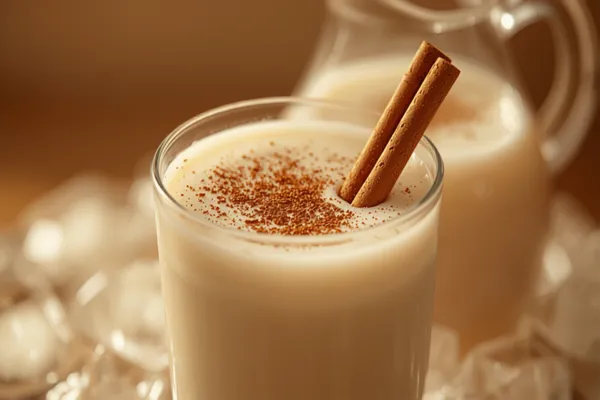
Horchata (Mexican Rice & Cinnamon Cooler)
The creamy, cinnamon-scented rice drink of Mexico: soaked rice blended with cinnamon, sweetened and chilled. No cooking, no dairy needed — just soaking, blending and straining.
Central & Southern Mexico · Mexican
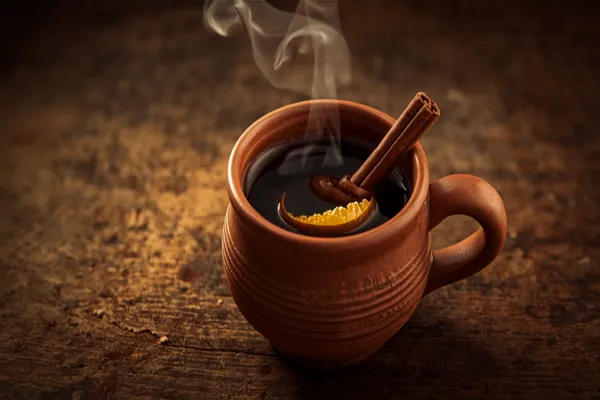
Café de Olla (Mexican Spiced Clay-Pot Coffee)
Coffee simmered with cinnamon, cloves and unrefined piloncillo sugar in a clay pot — Mexico's warming, spiced morning brew. Sweet, aromatic and unmistakably festive, made in one pot in fifteen minutes.
 21+
21+ Mexico (agave country) by way of the American mule craze · Mexican
Mexican Mule (Tequila, Lime & Ginger Beer)
The mule with an agave heart: blanco tequila in place of vodka, fresh lime and spicy ginger beer over ice. Earthy, bright and a little wild — a two-minute copper-mug cooler that drinks like a spicy paloma's cousin.
From our kitchen community
Ratings & Reviews
My Rating
Tap a star to rate — no sign-in, no form needed.
My Review
0 Ratings
🥣 0 home cooks made it!
Be the first to rate Corn Tortillas (Tortillas de Maíz).
Related Recipes
Mexico City · Mexican
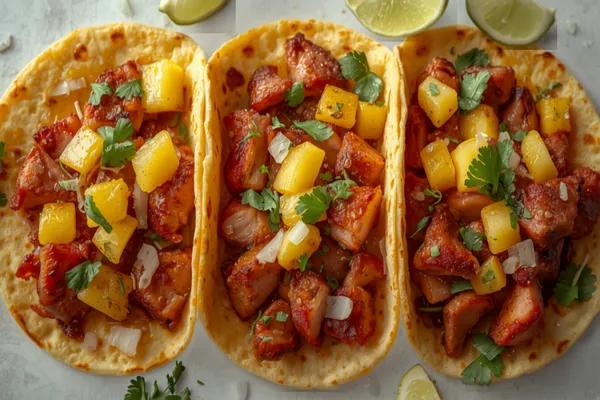
Tacos al Pastor (Marinated Pork Tacos with Pineapple)
Mexico City's iconic taco: pork marinated in dried chilies, achiote, and pineapple, roasted until the edges crisp, then piled into warm corn tortillas with onion, coriander, and a hit of salsa. A spit-roast classic reworked for the home oven.
Puebla (tinga poblana) · Mexican
Tinga de Pollo (Chipotle Chicken Tinga)
Puebla's smoky shredded chicken: poached and pulled, then simmered with tomatoes, onions, and chipotles in adobo until glossy and deep. Pile it onto tostadas with crema and avocado for one of Mexico's great weeknight meals.

The Andean valleys and Caribbean coast shared by Venezuela and Colombia — Timoto-Cuica, Cumanagoto and Muisca corn country · Venezuelan & Colombian
Arepas — Griddled Corn Cakes from Venezuela and Colombia
Three ingredients, four hundred years older than either country that argues over them: masarepa, warm water and salt, griddled to a crust and baked through until they sound hollow. The trick is that masarepa is pre-cooked corn flour and nothing else will do.
Mexico (agua fresca tradition) · Mexican
Horchata (Mexican Rice & Cinnamon Cooler)
The creamy, cinnamon-scented rice drink of Mexico: soaked rice blended with cinnamon, sweetened and chilled. No cooking, no dairy needed — just soaking, blending and straining.
Central & Southern Mexico · Mexican
Café de Olla (Mexican Spiced Clay-Pot Coffee)
Coffee simmered with cinnamon, cloves and unrefined piloncillo sugar in a clay pot — Mexico's warming, spiced morning brew. Sweet, aromatic and unmistakably festive, made in one pot in fifteen minutes.