Rural Mexico — the haciendas and ranchos of the central and northern states, now served from every fonda and almuerzo counter in the country, with Yucatán's huevos motuleños (Motul) as its best-known regional cousin · Mexican
Huevos Rancheros (Mexican Ranch-Style Eggs)
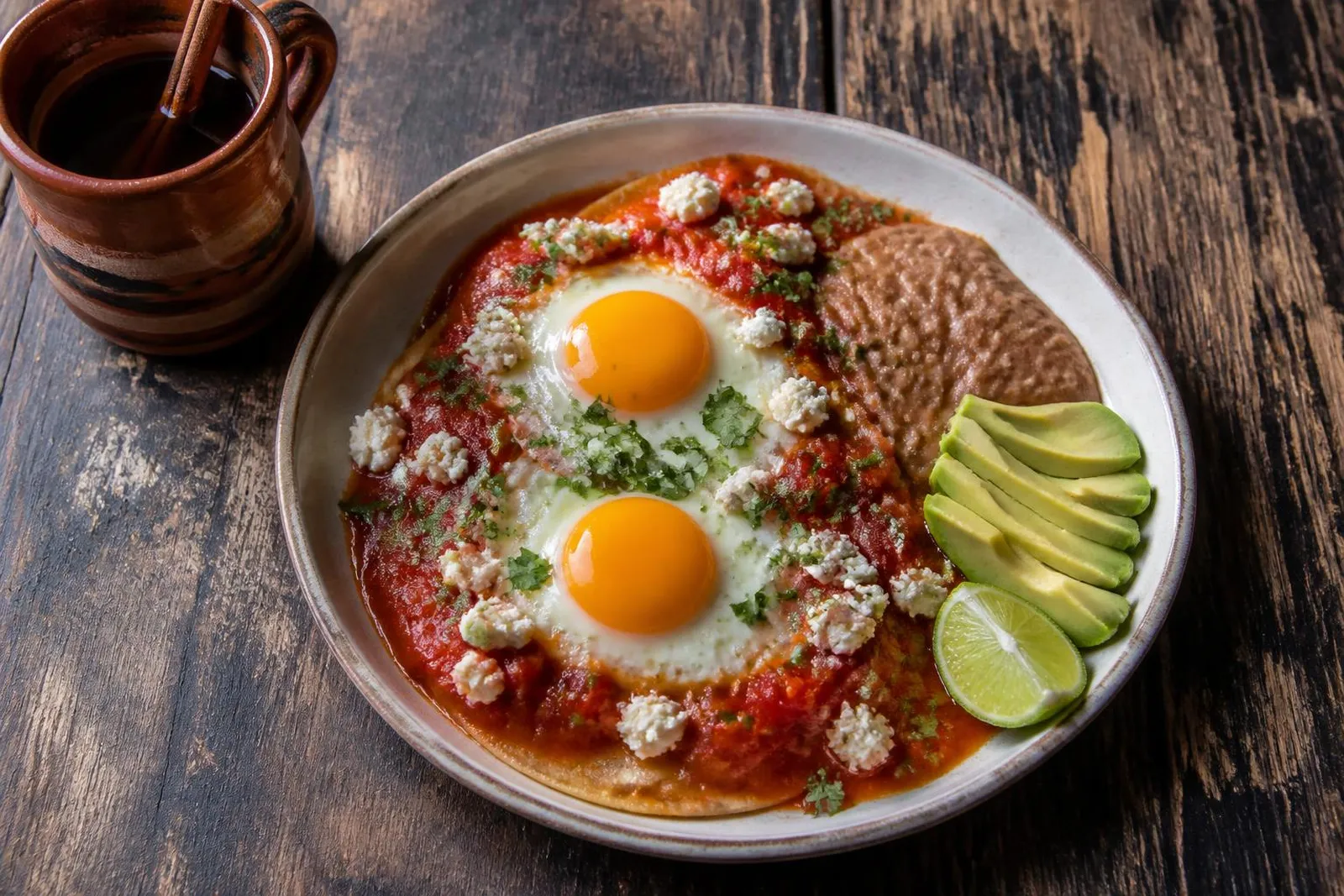
Mexico's great rural breakfast: sunny-side-up eggs on lightly fried corn tortillas, blanketed in a warm roasted salsa ranchera with refried beans and queso fresco — and the three small decisions that keep the tortillas crisp and the yolks runny.
Published October 11, 2026
Cultural context
Huevos rancheros means 'ranch-style eggs', and the name is the whole origin story: the hearty mid-morning almuerzo eaten by farm and ranch hands after the first hours of work, built from what any rancho had to hand — eggs, corn tortillas, beans and a salsa pounded or blended from tomatoes and chiles. Food writers repeat the tale that it was first plated for hacienda workers, but no single inventor, town or date is reliably documented, and variants turn up across Mexico and the American Southwest, so it is best described as a regional tradition rather than one place's invention. What is not in doubt is its structure: a tortilla base, eggs, salsa — and the sequence that keeps all three distinct on the plate.
Huevos rancheros is the most honest breakfast in Mexican cooking: two eggs, a corn tortilla, a pot of beans and a salsa, assembled to feed people who have already been up for hours. The name means ranch-style eggs, and it points to the almuerzo — the sturdy mid-morning meal of farm and ranch hands — rather than to a recipe with a single author. Stories of its invention at one hacienda or in one town are told often and documented poorly, so we describe it here the way it is eaten: as a tradition across rural Mexico, with versions from Yucatán to the American Southwest.
What makes it a dish rather than eggs on a plate is a handful of small, deliberate choices — and every one is about texture. Soft tortilla, crisp-edged but not crunchy; a runny yolk; a salsa thick enough to cling. Get those three right and it tastes like the best breakfast you’ve ever had.
The salsa is the recipe
Salsa ranchera is a cooked salsa. You roast whole tomatoes, chiles and garlic on a dry pan until blistered, blend them roughly, and — the step that matters — fry the blended salsa in hot oil for several minutes. The roasting adds smoke and bitterness that balance the tomato’s sweetness; the frying cooks out the raw edge and turns the colour from bright red to deep brick. It is a five-minute difference in effort and the difference between a sauce and a topping.
Because the salsa keeps for five days, it is also the make-ahead part of the dish. On a weekday morning, all that is left is beans, tortillas and eggs.
Why the tortillas are fried briefly
A tortilla for huevos rancheros is fried for only 15 to 20 seconds a side. That is long enough to seal the surface and give it a faint blister, so it can carry wet salsa and a yolk without melting; short enough to leave the inside soft. Go longer and it becomes a tostada, which snaps and scatters under the fork. Day-old tortillas are better than fresh, because they are drier and absorb less oil. If you have the time, homemade corn tortillas are the best base of all.
The eggs, and the order of the plate
Cook the eggs over medium, not high, heat: you want opaque whites and a glossy, liquid yolk. That yolk is the second sauce on the plate, and it should run into the beans when the fork breaks it. Assemble at the last second — beans first, then tortillas, then eggs, then salsa spooned around the yolk rather than over it — and eat straight away. Nothing here improves by waiting.
What to put alongside
A mug of café de olla is the natural partner, with a glass of cold horchata for those who like a cooler counterpoint to the chile. If you like eggs poached in a spiced tomato sauce, try this next to shakshuka and menemen; and the same roasted-tomato logic runs through tinga de pollo. For where Mexico’s breakfast sits among the world’s great staples, the world classics guide has the wider map.
Ingredients
For the salsa ranchera
- 450 g (about 3 medium) ripe Roma (plum) tomatoes Plum tomatoes have more flesh and less water than round ones, so the salsa reduces to a sauce rather than a soup. In winter, a 400 g (14 oz) can of whole peeled tomatoes is genuinely better than a pale fresh one.
- 1–2 serrano or jalapeño chiles Serrano is the usual choice and about twice as hot as jalapeño. Leave the seeds in for heat, take them out for a gentler plate.
- 1/2 small white onion, in chunks
- 2 cloves garlic, unpeeled Roasted in the skin on the dry pan so they turn sweet and mellow instead of raw and sharp.
- 1 Tbsp neutral oil or lard
- 1/2 tsp fine sea salt, plus more to taste
- 60 ml (1/4 cup) water or chicken stock Only if the salsa tightens too far while it simmers.
For the plates
- 4 corn tortillas, 13–15 cm (5–6 in) Day-old are better than fresh — they hold their shape in the oil. See the corn tortilla recipe on this site if you want to make them.
- 4 large eggs, the freshest you can get Fresh eggs have tight whites that stay in a neat disc; older eggs spread thin.
- 250 g (1 cup) refried beans, pinto or black Canned is fine, loosened with a splash of water or the bean liquor and warmed through with a pinch of salt.
- 60 g (1/2 cup) queso fresco or ranchero cheese, crumbled Feta is the closest widely available stand-in, though saltier — taste before you add salt elsewhere.
- 3 Tbsp oil or lard, for the tortillas and eggs
To finish
- a handful fresh coriander (cilantro), chopped
- 1 ripe avocado, sliced
- 1 lime, in wedges
Method
Tap a step’s number to check it off as you go.
-
Heat a dry cast-iron skillet or comal over medium-high heat. Add the whole tomatoes, chiles and unpeeled garlic and roast, turning now and then, for 8–10 minutes, until the skins are blistered and blackened in patches and the tomatoes have softened and slumped. Take the garlic out first, once it yields to a squeeze, and peel it.
Why: Charring does what boiling can't: blistered skin adds a smoky, slightly bitter edge that balances the tomato's sweetness, and the dry heat concentrates the juice instead of diluting it. This is the flavour that separates a salsa ranchera from tomato sauce.
-
Blend the roasted tomatoes (with their juice and skins), chiles, peeled garlic, onion and the salt for 20–30 seconds, to a sauce with some texture left in it.
Why: Keep it slightly rustic. A salsa ranchera is meant to cling to a tortilla, not run off it, and a rough blend with flecks of char reads as a cooked sauce rather than a puree.
-
Heat the tablespoon of oil in a small saucepan over medium-high heat until it shimmers. Pour in the salsa — it will spit, so stand back — and simmer for 8–10 minutes, stirring now and then, until it darkens, thickens to a spoonable sauce and loses its raw smell. Add a splash of water only if it catches. Taste and adjust the salt, then keep it warm on the lowest heat.
Why: Frying the blended salsa in hot oil (a step Mexican cooks call sazonar) cooks off the raw edge and deepens the colour from bright red to brick. Skip it and the salsa tastes like a fresh pico poured over eggs, which is a different and lesser dish.
-
Warm the refried beans in a small pan with a splash of water, stirring, until loose and hot. Keep them warm beside the salsa.
Why: Cold beans cool the whole plate. They should be soft enough to spread with the back of a spoon.
-
Heat 2 tablespoons of the oil in a large non-stick or well-seasoned skillet over medium-high heat. Fry the tortillas one at a time for 15–20 seconds a side, only until they are pliable and lightly blistered but not crisp, and lift each onto a paper towel.
Why: A quick fry seals the surface of the tortilla so it can sit under wet salsa and egg without dissolving, while the inside stays soft. Fry too long and you've made a tostada, which shatters under the fork; too short and the base turns to paste within a minute.
-
Wipe out the pan, lower the heat to medium and add the last tablespoon of oil. Crack in the eggs, in two batches if needed, and cook for 2–3 minutes, until the whites are set and opaque but the yolks are still glossy. Season with a pinch of salt. For a tidier egg, cover the pan for the last 30 seconds.
Why: Medium heat sets the whites without frilling the edges brown and rubbery, and it leaves the yolk liquid. The yolk is the second sauce on this plate — it should run into the beans and salsa when the fork breaks it.
-
Assemble at once on two warm plates. Spread a spoonful of beans on each plate, set two tortillas on it, slightly overlapping, then lay an egg on each tortilla. Spoon the hot salsa around and partly over the whites, leaving the yolks visible. Scatter with queso fresco and coriander, and serve with sliced avocado and lime wedges.
Why: Salsa goes around the yolk, not over it: that keeps the egg the visible centre of the plate and lets each forkful take as much or as little sauce as you like. Assembling at the last second matters because everything here — crisp-soft tortilla, runny yolk, hot salsa — begins to lose its character within a couple of minutes.
A quick, anonymous tap — no review needed.
Variations
- Huevos motuleños (Yucatán)
The best-known regional cousin, from the town of Motul. Eggs go on fried tortillas spread with black beans and topped with diced ham, peas, fried plantain and a tomato sauce with a little habanero, finished with crumbled cheese. Sweeter, richer and busier than the northern plate.
- Huevos divorciados
'Divorced eggs': two eggs on one plate, one under red salsa roja and one under green salsa verde, separated by a stripe of refried beans. A good way to taste both side by side.
- Chilaquiles-style (baked tortillas)
Skip the fried-egg stack and cut the tortillas into wedges, fry them crisp and simmer them briefly in the salsa, then top with the eggs. A different dish — chilaquiles — but it uses the same salsa and the same pan.
- Vegan
Replace the eggs with firm tofu scrambled with a pinch of black salt (kala namak) and turmeric, use oil rather than lard, and leave off the cheese or use a plant-based crumble.
- With chorizo
Fry 80 g of crumbled Mexican chorizo first and drain it, then cook the eggs in the rendered fat for a spicier, more savoury plate.
Serving & Storage
Serve straight from the pan, on warm plates, with the salsa still steaming and a basket of warm tortillas for mopping. A mug of café de olla is the classic partner; a glass of cold horchata cools the chile. For a bigger brunch, add a side of rice or a bowl of fresh fruit with lime and a pinch of chile powder.
Pairs with: Café de olla, Horchata, Refried beans, Corn tortillas, Fresh fruit with lime and chile, Tinga de pollo.
Storage: Best eaten immediately, since the eggs and tortillas don't hold. The salsa ranchera keeps 5 days in the fridge and freezes for 3 months; the beans keep 4 days. Reheat both gently, then fry fresh tortillas and eggs to order — so the whole dish is easy to build from the make-ahead components on a busy morning.
Nutrition
Per serving (1 serving (2 eggs, 2 tortillas, beans, salsa and cheese))
- Calories
- 540
- Protein
- 26 g
- Carbs
- 48 g
- Fat
- 28 g
- Fiber
- 11 g
- Sugar
- 6 g
- Sodium
- 820 mg
Notable micronutrients: Choline, Vitamin B12, Folate, Vitamin C, Iron, Selenium
Estimated using standard ingredient data. Values vary with brands and substitutions.
Frequently Asked Questions
What is the difference between huevos rancheros and chilaquiles?
In huevos rancheros the tortillas are fried only briefly and stay soft, serving as a base for whole fried eggs, and the salsa is spooned around. In chilaquiles the tortillas are cut into pieces, fried crisp and then simmered in the salsa until they soften slightly, and the eggs (if any) go on top. Both use the same salsa and are classic Mexican breakfasts.
Why do my tortillas turn soggy?
Usually because they were fried too briefly or assembled too early. Fry each side for 15–20 seconds so the surface is sealed, blot on paper towel, and spoon the salsa on only at the last moment. Day-old tortillas also hold up better than fresh, because they are drier. Keep the salsa thick enough to spoon — if it is watery, simmer it a few minutes more.
Is salsa ranchera the same as salsa roja?
They are close relatives. Salsa ranchera is a cooked red salsa — roasted tomatoes, chile, onion and garlic fried in oil — specifically made for this dish, and it is chunkier and more rustic than many bottled or restaurant salsas roja. Many cooks use the names interchangeably; the important parts are the roasting and the frying of the blended salsa.
Can I make the salsa ahead?
Yes, and it improves overnight. Make it up to five days ahead, refrigerate, and reheat gently in a small pan; it also freezes for three months. Only the tortillas and eggs need to be cooked at the last minute, which is why this is an easy dish to put on a table for a crowd.
How do I get runny yolks and set whites?
Cook the eggs over medium heat, not high, and let the whites set slowly — 2 to 3 minutes. If the whites around the yolk stay translucent, cover the pan for 30 seconds so the steam sets the top without overcooking the yolk. Fresh eggs and a not-too-hot pan are the two things that matter most.
What to drink with this
All drinks →Hand-picked pours to match this dish.
Central & Southern Mexico · Mexican
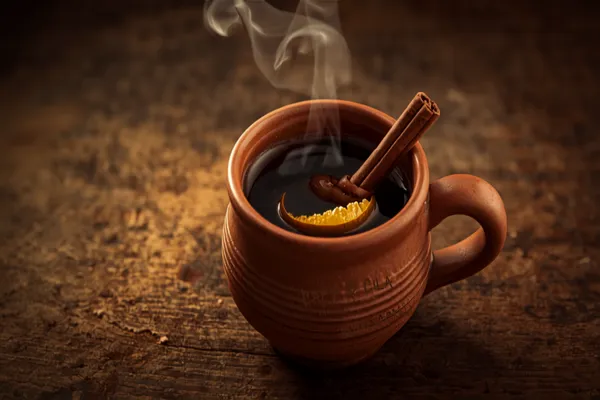
Café de Olla (Mexican Spiced Clay-Pot Coffee)
Coffee simmered with cinnamon, cloves and unrefined piloncillo sugar in a clay pot — Mexico's warming, spiced morning brew. Sweet, aromatic and unmistakably festive, made in one pot in fifteen minutes.

Mexico (agua fresca tradition) · Mexican
Horchata (Mexican Rice & Cinnamon Cooler)
The creamy, cinnamon-scented rice drink of Mexico: soaked rice blended with cinnamon, sweetened and chilled. No cooking, no dairy needed — just soaking, blending and straining.

Mexico (agua fresca tradition) · Mexican
Agua de Jamaica (Hibiscus Iced Tea)
Mexico's ruby-red hibiscus cooler: dried jamaica flowers steeped, sweetened and chilled into a tart, refreshing agua fresca. The right steep, how to control the tartness, and why it's so good for you.
From our kitchen community
Ratings & Reviews
My Rating
Tap a star to rate — no sign-in, no form needed.
My Review
0 Ratings
🥣 0 home cooks made it!
Be the first to rate Huevos Rancheros (Mexican Ranch-Style Eggs).
Related Recipes
Central and southern Mexico — the Michoacán highlands and the Valles Centrales of Oaxaca, the old heartland of the milpa, with the same bread eaten daily across Guatemala, El Salvador and Honduras · Mexican
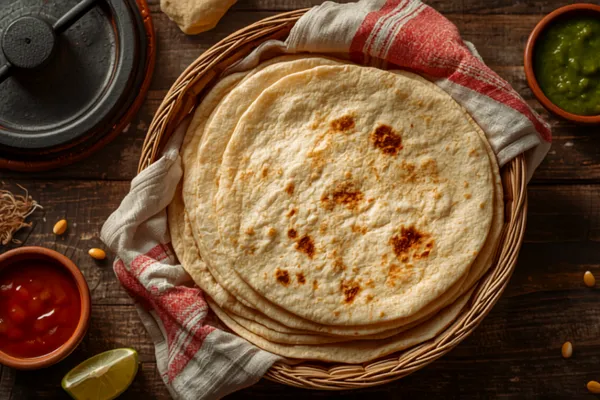
Corn Tortillas (Tortillas de Maíz)
The foundational bread of Mesoamerica: nixtamalized corn ground to a soft masa, pressed thin and cooked dry on a hot comal until it puffs into two paper-thin leaves — with both the 40-minute masa harina route and the overnight whole-corn one.
Puebla (tinga poblana) · Mexican
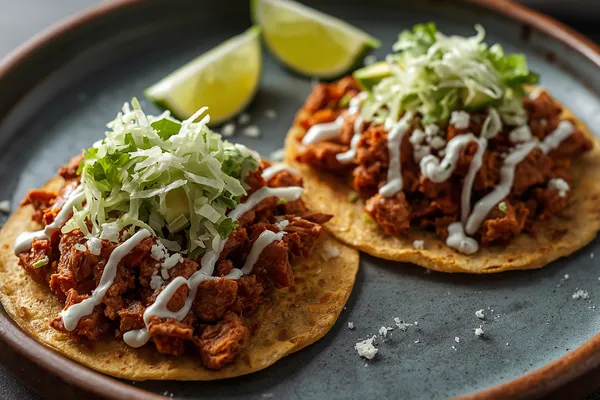
Tinga de Pollo (Chipotle Chicken Tinga)
Puebla's smoky shredded chicken: poached and pulled, then simmered with tomatoes, onions, and chipotles in adobo until glossy and deep. Pile it onto tostadas with crema and avocado for one of Mexico's great weeknight meals.
Central & Southern Mexico · Mexican
Café de Olla (Mexican Spiced Clay-Pot Coffee)
Coffee simmered with cinnamon, cloves and unrefined piloncillo sugar in a clay pot — Mexico's warming, spiced morning brew. Sweet, aromatic and unmistakably festive, made in one pot in fifteen minutes.

The Andean valleys and Caribbean coast shared by Venezuela and Colombia — Timoto-Cuica, Cumanagoto and Muisca corn country · Venezuelan & Colombian
Arepas — Griddled Corn Cakes from Venezuela and Colombia
Three ingredients, four hundred years older than either country that argues over them: masarepa, warm water and salt, griddled to a crust and baked through until they sound hollow. The trick is that masarepa is pre-cooked corn flour and nothing else will do.
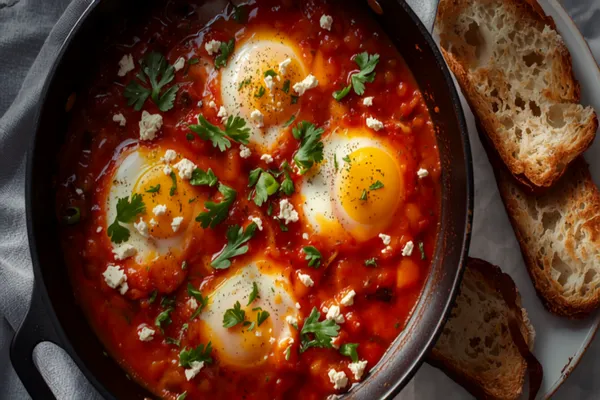
Maghreb & the Levant · Levantine / North African
Shakshuka (Eggs Poached in Spiced Tomato and Pepper Sauce)
The great brunch of the eastern Mediterranean and North Africa: eggs gently poached in a simmering sauce of tomatoes, peppers, garlic, and warm spices, served bubbling from the pan with bread for scooping. One skillet, endlessly satisfying.
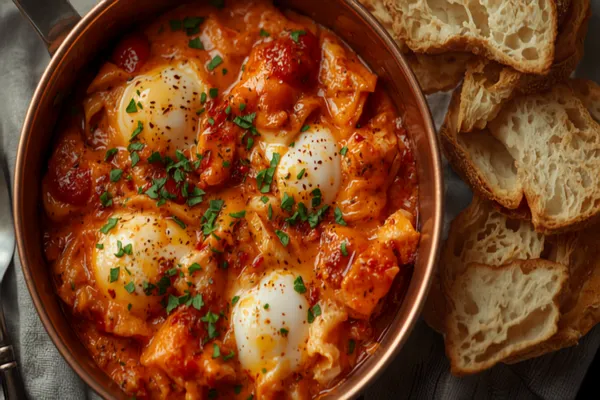
Aegean Turkey (Menemen, İzmir) · Turkish
Menemen (Turkish Eggs with Tomato and Peppers)
Turkey's beloved breakfast: eggs cooked soft and creamy in a simmer of tomatoes, green peppers and olive oil, gently spiced and eaten straight from the pan with plenty of bread. Quick, cheap and deeply comforting.