Goa (Saraswat/Konkani Hindu) / West India · Indian
Khatkhate (Goan Hindu Mixed Vegetable and Lentil Stew)
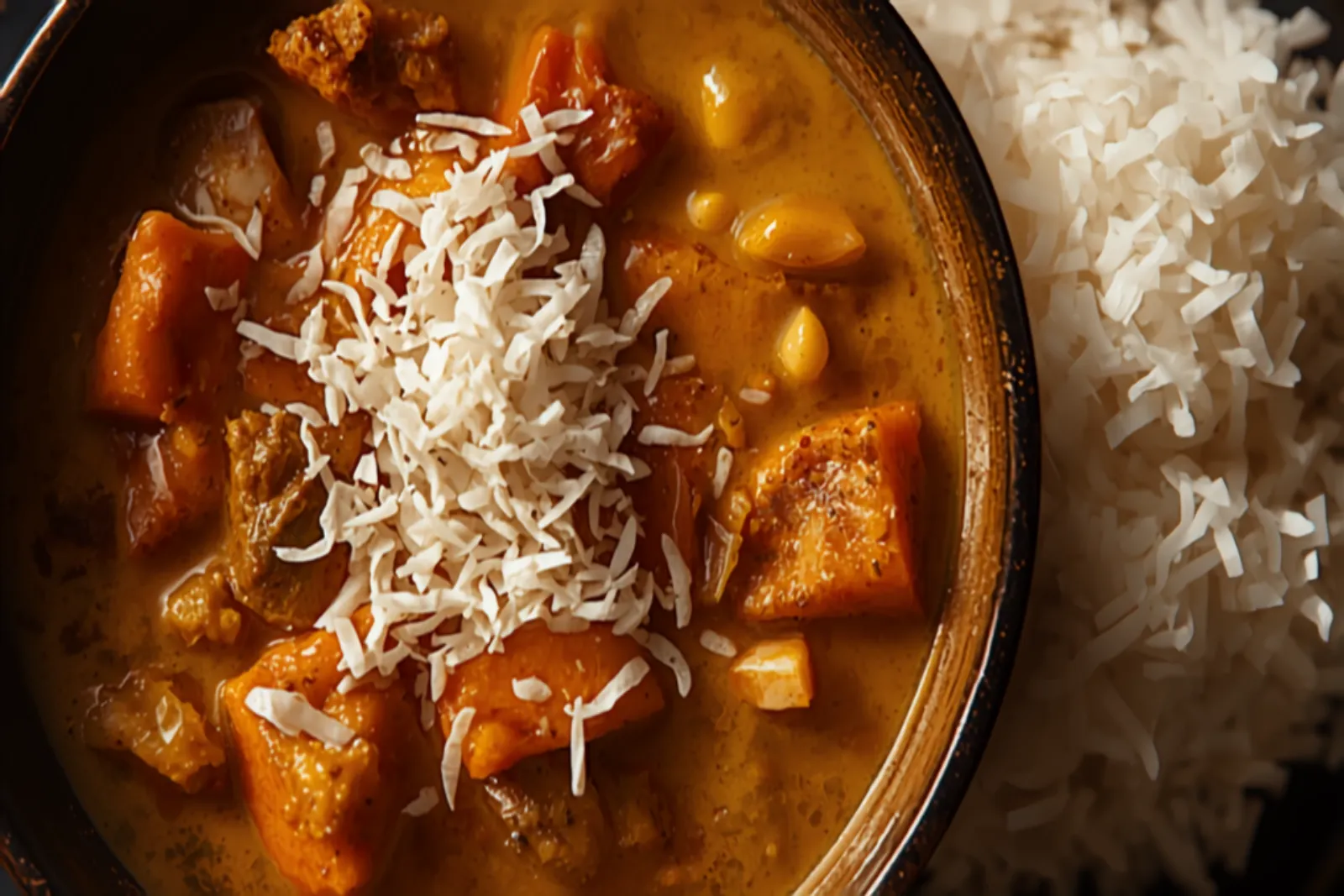
A festive Goan Saraswat dish: a medley of vegetables and lentils in a mild coconut gravy, made unmistakably Konkani by teppal (Sichuan-pepper relative). Wholesome, gently spiced, and central to temple and celebration cooking.
Published July 16, 2026
Cultural context
Khatkhate is a hallmark of Goan Hindu (Saraswat) and wider Konkani cooking — a mixed vegetable-and-lentil stew in a coconut base, served at festivals, temple feasts, and celebrations. Its signature is teppal (triphal), the Konkani relative of Sichuan pepper, which gives a unique citrusy, tingling aroma found in few other cuisines.
Khatkhate is a window into Goan Hindu cooking — the Saraswat and wider Konkani tradition that sits alongside the better-known Catholic, vinegar-and-pork side of Goan food. It’s a festive mixed vegetable-and-lentil stew in a mild coconut gravy, served at temple feasts and celebrations, and made unmistakably Konkani by one rare spice.
Two Goas on one coast
Goan cuisine has two great streams. The Catholic kitchen gave the world pork vindaloo, tangy with vinegar. The Hindu (Saraswat) kitchen leans the other way — coconut, tamarind, jaggery, and gentle spicing, with festive vegetarian dishes at its heart. Khatkhate is one of its signatures.
Teppal: the soul of the dish
What sets khatkhate apart is teppal (triphal), the Konkani cousin of Sichuan pepper, with a citrusy, mouth-tingling aroma found in almost no other Indian cuisine. Lightly crushed and added near the end so its fragrance stays bright, it’s what makes the dish taste of the Konkan coast. It’s hard to substitute — a little Sichuan pepper is the nearest thing.
Abundance and balance
Khatkhate is traditionally made with five or more vegetables — pumpkin, yam, raw banana, beans, breadfruit — bound with a coconut-and-tamarind paste, balanced with a little jaggery, and finished with raw coconut oil. It’s a celebration of the harvest as much as a recipe.
Pair it with sol kadhi, the kokum-coconut digestive; for the other Goa, see pork vindaloo, and read the guide to West Indian cooking.
Ingredients
For the stew
- 1/2 cup toor dal (split pigeon peas) Cooked soft; gives body to the stew.
- 5 cups mixed vegetables Pumpkin, raw banana, sweet potato, yam, beans, breadfruit, ash gourd — a generous seasonal medley is the point.
For the coconut paste
- 1 cup grated coconut (fresh)
- 3–4 dried red chilies
- a small ball of tamarind
For the seasoning
- 6–8 teppal (triphal) berries The defining Konkani spice — citrusy and tingling. Lightly crushed and added whole; substitute is hard, but a little Sichuan pepper approximates it.
- 2 tbsp coconut oil
- salt, a little jaggery
Method
Tap a step’s number to check it off as you go.
-
Cook the toor dal until soft. Separately cook the mixed vegetables (hardier ones first) until just tender.
Why: Cooking dal and vegetables to the right doneness separately keeps the vegetables intact in the finished stew.
-
Grind the coconut with the dried chilies and tamarind into a smooth paste.
Why: The coconut paste is the gravy base; tamarind gives the gentle sourness characteristic of Konkani cooking.
-
Combine the cooked dal, vegetables, and coconut paste with enough water to make a stew, add salt and a little jaggery, and simmer 8–10 minutes.
Why: Simmering lets the coconut gravy meld with the vegetables and dal; jaggery balances the tamarind and chili.
-
Lightly crush the teppal and add it (often steeped briefly in a little water, then the water added), simmering just a couple of minutes.
Why: Teppal's citrusy, tingling aroma is the soul of khatkhate; adding it near the end keeps its fragrance bright rather than cooked out.
-
Finish with a drizzle of raw coconut oil and rest briefly.
Why: Raw coconut oil at the end perfumes the dish — a Konkani signature, as in Kerala cooking.
A quick, anonymous tap — no review needed.
Variations
- Without teppal
If you can't find teppal, the stew is still good as a mild Konkani coconut-vegetable dish — but the unique tingling aroma is what makes it true khatkhate. A little Sichuan pepper is the nearest stand-in.
- More vegetables
Khatkhate traditionally uses five or more vegetables — the more variety, the more festive and authentic.
- Richer
Use thicker coconut extraction or a touch of coconut milk for a creamier festive version.
Serving & Storage
Serve with rice as part of a Goan Hindu festive or temple meal, alongside other Saraswat dishes. It's a celebration dish more than an everyday one.
Pairs with: Steamed rice, Sol kadhi, A Goan Hindu festive thali.
Storage: Keeps 2 days refrigerated; the teppal aroma fades over time, so it's best fresh. Reheat gently.
Nutrition
Per serving (about 1 cup)
- Calories
- 230
- Protein
- 7 g
- Carbs
- 30 g
- Fat
- 10 g
- Fiber
- 8 g
- Sugar
- 8 g
- Sodium
- 360 mg
Notable micronutrients: Vitamin A, Vitamin C, Folate
Estimated using standard ingredient data. Values vary with brands and substitutions.
Frequently Asked Questions
What is teppal?
Teppal (triphal) is the Konkani spice that defines khatkhate — a relative of Sichuan pepper with a citrusy, mouth-tingling aroma. It's used in coastal Konkani and Goan Hindu cooking and is hard to substitute; a small amount of Sichuan pepper is the closest approximation.
How is Goan Hindu food different from Goan Catholic food?
Goan cuisine has two great streams. Goan Catholic cooking (like pork vindaloo) often uses vinegar, pork, and Portuguese-influenced techniques. Goan Hindu (Saraswat) cooking leans on coconut, tamarind, jaggery, teppal, and vegetarian festive dishes like khatkhate. Both are Goan, with distinct flavours.
Which vegetables go in khatkhate?
A generous mix — pumpkin, raw banana, sweet potato, yam, beans, breadfruit, ash gourd. Tradition favours five or more vegetables; the abundance is part of its festive character.
What to drink with this
All drinks →Hand-picked pours to match this dish.
Goa & coastal Maharashtra (Konkan) / West India · Indian
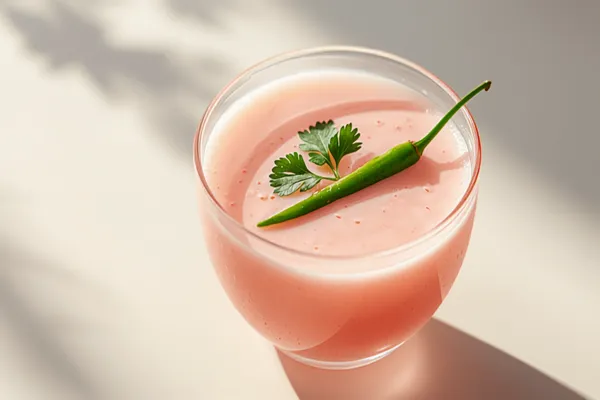
Sol Kadhi (Kokum and Coconut Digestive)
The pink cooler of the Konkan coast: tangy kokum and creamy coconut milk blended with a whisper of garlic and green chili into a soothing drink-cum-curry. Served chilled after a spicy meal, it cools, digests, and refreshes.
North & West India (peak-summer drink across the subcontinent) · Indian
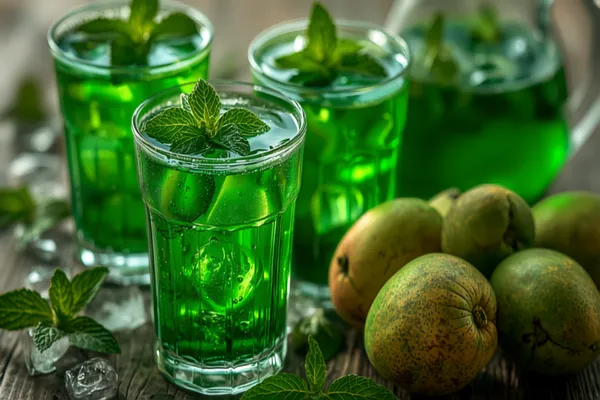
Aam Panna (Raw Green Mango Summer Cooler)
India's tangy, jade-green raw-mango cooler — roasted or boiled green mangoes blended with cumin, black salt and mint. The traditional heat-stroke remedy that tastes like summer.
Pan-Indian (North & West India) · Indian
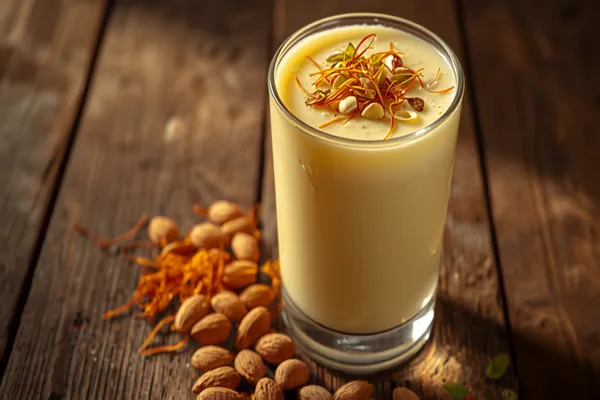
Badam Milk (Saffron Almond Milk)
Milk simmered with a paste of soaked almonds, saffron, cardamom and a whisper of nutmeg — India's rich, fragrant almond drink. Comforting served warm in winter, reviving served chilled in summer, festive any time.
From our kitchen community
Ratings & Reviews
My Rating
Tap a star to rate — no sign-in, no form needed.
My Review
0 Ratings
🥣 0 home cooks made it!
Be the first to rate Khatkhate (Goan Hindu Mixed Vegetable and Lentil Stew).
Related Recipes
Goa & coastal Maharashtra (Konkan) / West India · Indian
Sol Kadhi (Kokum and Coconut Digestive)
The pink cooler of the Konkan coast: tangy kokum and creamy coconut milk blended with a whisper of garlic and green chili into a soothing drink-cum-curry. Served chilled after a spicy meal, it cools, digests, and refreshes.

Goa / West India · Indian
Goan Pork Vindaloo
The real vindaloo: tender pork in a tangy, garlicky, chili-and-vinegar masala born of Portuguese 'carne de vinha d'alhos' and remade in Goa. Deeply spiced, sharp with vinegar — and not just 'the hot one' on the menu.