Goa & coastal Maharashtra (Konkan) / West India · Indian
Sol Kadhi (Kokum and Coconut Digestive)
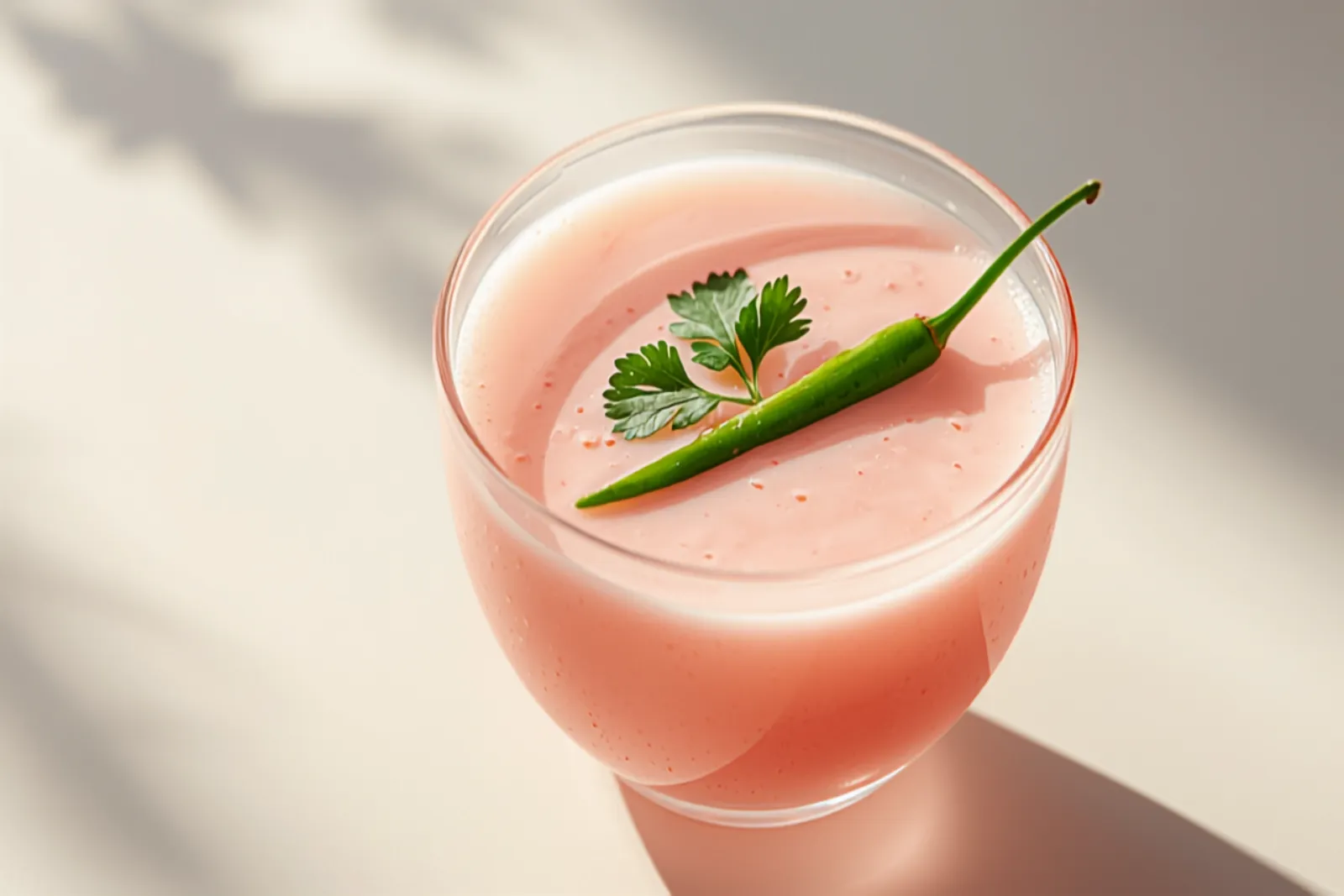
The pink cooler of the Konkan coast: tangy kokum and creamy coconut milk blended with a whisper of garlic and green chili into a soothing drink-cum-curry. Served chilled after a spicy meal, it cools, digests, and refreshes.
Published July 16, 2026
Cultural context
Sol kadhi (solkadhi) is the signature digestive of the Konkan coast — Goa and coastal Maharashtra — made from kokum (a tangy purple-red fruit) and coconut milk. Its pretty pink colour and cooling, sour-creamy taste make it the traditional close to a spicy coastal meal, sipped as a drink or poured over rice.
Sol kadhi is the pretty pink cooler of the Konkan coast — kokum and coconut milk blended with a whisper of garlic and green chili into a tangy, creamy, soothing drink-cum-curry. Across Goa and coastal Maharashtra it’s the traditional close to a spicy meal: chilled, sour-sweet, and gently cooling, it settles the stomach and refreshes the palate after the fire of a coastal curry.
Kokum is the star
The colour and tang both come from kokum (sol), a purple-red coastal fruit dried and used as a souring agent. Soaked in warm water, it releases a deep pink infusion with a fruity sourness quite unlike tamarind or lemon. That infusion, whisked into creamy coconut milk, is the whole dish.
Balance to taste
Sol kadhi is about balance — tangy but not harsh, creamy but not heavy, pink but not watery. Add the kokum water to the coconut milk gradually until it’s just right for you. A little crushed raw garlic and green chili give the traditional savory edge; some keep it plain and pretty, others add a coconut-oil tempering of mustard and curry leaves.
No cooking, just chilling
It’s a no-cook dish — never boil it, or the coconut milk splits. Simply blend, chill, and serve cold. Drink it as a digestive, or pour it over plain rice to finish a meal.
Pair it with khatkhate or after a fiery vindaloo; read more in the guide to West Indian cooking.
Ingredients
For the base
- 10–12 dried kokum (sol) petals The souring fruit that gives the pink colour and tang. Soak in warm water to extract.
- 1 cup thick coconut milk Fresh extraction is best; canned works well.
- 1.5 cups water (from soaking the kokum, plus more)
For flavour
- 2 cloves garlic, crushed (optional) A little raw garlic is traditional and adds a savory edge; leave out for a milder version.
- 1 green chili, slit
- salt, a few coriander leaves
For the tempering (optional)
- 1 tsp coconut oil, 1/2 tsp mustard seeds, curry leaves, a pinch of hing
Method
Tap a step’s number to check it off as you go.
-
Soak the kokum in warm water for 15–20 minutes, then squeeze and reserve the deep pink-red infusion.
Why: Soaking extracts the kokum's colour and tartness into the water — this infusion is the soul of sol kadhi.
-
Whisk the thick coconut milk smooth, then stir in the kokum water gradually to your preferred tang and pink colour.
Why: Adding the kokum water to taste lets you balance sourness and creaminess — sol kadhi should be tangy but not harsh, pink but not watery.
-
Crush the garlic and green chili with a little salt and stir in (or steep briefly and remove for milder flavour).
Why: Raw crushed garlic gives the traditional savory depth; steeping rather than leaving it in keeps it subtle.
-
Optional: temper mustard seeds, curry leaves, and hing in coconut oil and stir in for an aromatic version.
Why: A light tempering adds fragrance — some like sol kadhi plain and pink, others tempered; both are traditional.
-
Chill and serve cold, garnished with coriander.
Why: Sol kadhi is meant to be cooling — served chilled, it's most refreshing and digestive after a spicy meal.
A quick, anonymous tap — no review needed.
Variations
- Plain pink (no garlic)
Skip the garlic and tempering for a clean, pretty pink sol kadhi — lovely as a drink.
- Tempered
Add the coconut-oil tempering of mustard and curry leaves for an aromatic, more curry-like version to pour over rice.
- Thinner (as a drink)
Use more kokum water and less coconut milk for a lighter, more drinkable cooler.
Serving & Storage
Serve chilled at the end of a spicy coastal meal as a digestive, or pour it over plain rice to finish. It's the traditional foil to fiery dishes like fish curry or vindaloo.
Pairs with: A spicy coastal meal, Plain rice, Goan/Konkani fish curry, Vindaloo.
Storage: Best fresh and chilled; keeps 1–2 days refrigerated. The coconut milk may separate — stir before serving. Don't boil it.
Nutrition
Per serving (about 1 cup)
- Calories
- 120
- Protein
- 1 g
- Carbs
- 6 g
- Fat
- 11 g
- Fiber
- 1 g
- Sugar
- 2 g
- Sodium
- 180 mg
Notable micronutrients: Manganese, Potassium
Estimated using standard ingredient data. Values vary with brands and substitutions.
Frequently Asked Questions
What is kokum?
Kokum (sol) is a tangy, purple-red fruit from the western coast of India, dried and used as a souring agent in Konkani and coastal cooking. It gives sol kadhi its pink colour and distinctive sour-fruity tang — quite different from tamarind or lemon. Find dried kokum at Indian grocers.
Is sol kadhi a drink or a curry?
Both — it's eaten either way. Made thinner, it's sipped as a chilled digestive drink; made a touch thicker (and sometimes tempered), it's poured over rice like a light curry to end a meal.
Why is sol kadhi served after a spicy meal?
Kokum and coconut are both cooling and digestive, so sol kadhi traditionally closes a rich, spicy coastal meal — soothing the palate and aiding digestion. That role is central to how it's used in Goa and the Konkan.
From our kitchen community
Ratings & Reviews
My Rating
Tap a star to rate — no sign-in, no form needed.
My Review
0 Ratings
🥣 0 home cooks made it!
Be the first to rate Sol Kadhi (Kokum and Coconut Digestive).
Related Recipes
Goa (Saraswat/Konkani Hindu) / West India · Indian
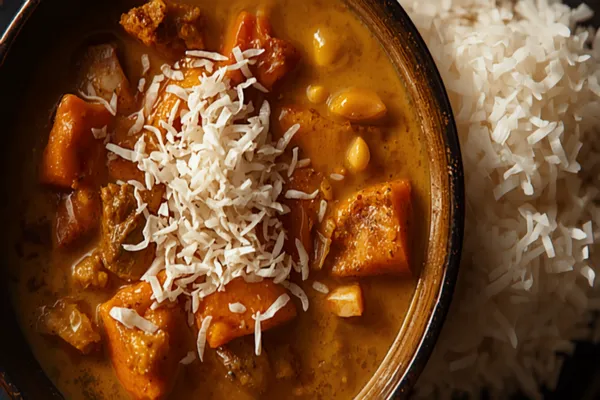
Khatkhate (Goan Hindu Mixed Vegetable and Lentil Stew)
A festive Goan Saraswat dish: a medley of vegetables and lentils in a mild coconut gravy, made unmistakably Konkani by teppal (Sichuan-pepper relative). Wholesome, gently spiced, and central to temple and celebration cooking.
Goa / West India · Indian
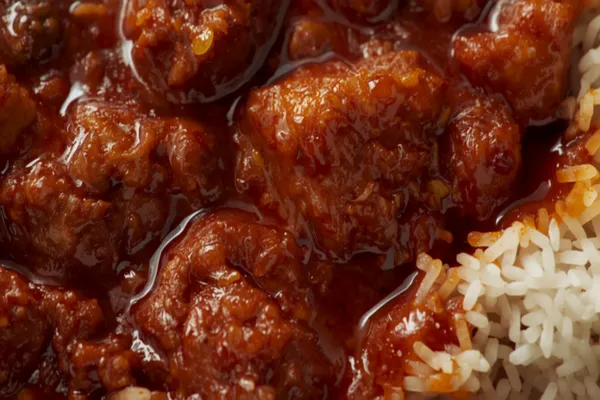
Goan Pork Vindaloo
The real vindaloo: tender pork in a tangy, garlicky, chili-and-vinegar masala born of Portuguese 'carne de vinha d'alhos' and remade in Goa. Deeply spiced, sharp with vinegar — and not just 'the hot one' on the menu.