Andhra Pradesh & Telangana / South India · Indian
Pesarattu (Andhra Green Gram Dosa)
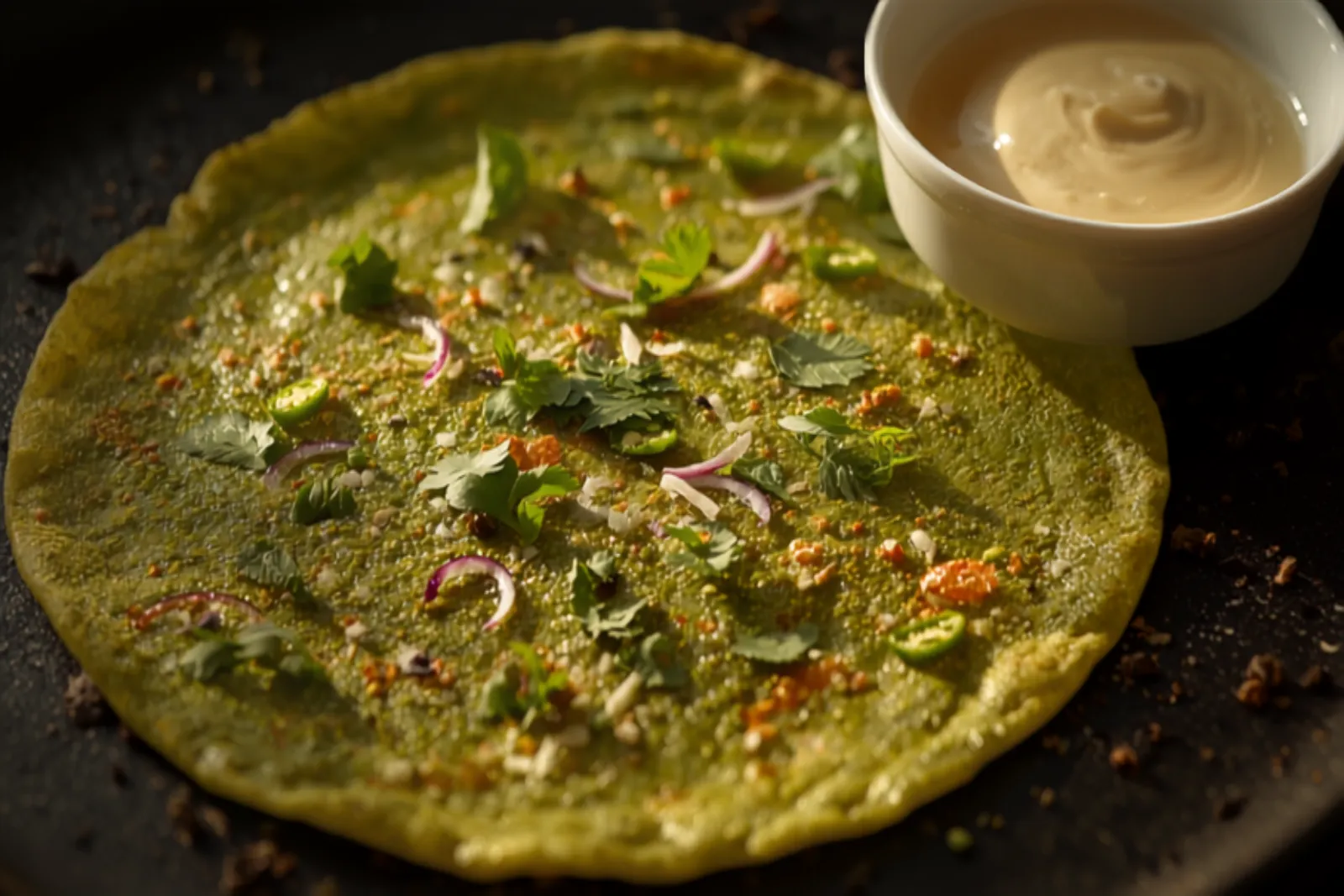
Andhra's protein-packed breakfast crepe: a batter of whole green moong ground with ginger, chili, and cumin, griddled crisp and often topped with onion — no fermentation needed. Wholesome, savory, and ready in an hour.
Published July 9, 2026
Cultural context
Pesarattu — 'pesara' (green gram) + 'attu' (dosa) — is the signature breakfast of Andhra Pradesh and Telangana. Unlike a regular dosa, it needs no fermentation and uses whole green moong instead of rice and urad dal, making it higher in protein. The Telugu classic is 'MLA pesarattu,' stuffed with upma.
Pesarattu is Andhra’s answer to the breakfast dosa — a savory crepe made from whole green moong ground with ginger, chili, and cumin, griddled crisp and scattered with onion. The name says it plainly: pesara (green gram) plus attu (dosa). Unlike a regular dosa, it needs no overnight fermentation and is far higher in protein, which makes it both quicker and more nourishing.
Green gram, not rice
The defining difference is the batter. Where a masala dosa relies on fermented rice and urad dal, pesarattu is built on whole green moong (with the skin on, for colour and fibre). You soak it, grind it smooth with the aromatics, and cook it the same day — no waiting for fermentation. A little rice in the batter is optional, for extra crispness.
The onion topping
The classic Andhra style scatters finely chopped onion, green chili, ginger, and coriander over the wet batter on the griddle, pressing it in so it sets into the crepe and crisps along with it. It adds crunch and sharpness against the nutty gram.
Eat it with ginger chutney
The traditional partner is allam pachadi, a tangy-spicy ginger chutney that cuts beautifully against the savory crepe. For the famous tiffin-house version, stuff it with upma to make MLA pesarattu — a full meal.
For more Andhra flavour, see gongura pachadi, or browse the full recipe collection.
Ingredients
For the batter
- 1.5 cups whole green moong (green gram), with skin Soaked 4–6 hours. The whole green gram is what makes it pesarattu, not a rice dosa.
- 1/4 cup rice (optional) A little rice adds crispness; leave out for higher protein / strict version.
- 1 inch ginger
- 2 green chilies
- 1 tsp cumin seeds
- salt, a pinch of asafoetida, water
For the topping
- finely chopped onion, green chili, ginger, coriander; oil for the griddle
Method
Tap a step’s number to check it off as you go.
-
Soak the green moong (and rice if using) for 4–6 hours, drain, and grind with ginger, green chilies, cumin, salt, and asafoetida to a smooth, pourable batter.
Why: Soaking softens the gram so it grinds smooth; no fermentation is needed, so you can grind and cook the same morning.
-
Heat a flat griddle/tawa, pour a ladle of batter in the centre, and spread outward into a thin circle.
Why: Spreading thin on a hot griddle gives the crisp edges and even cook that make a good pesarattu; a thick spread stays soft and pale.
-
Drizzle oil around the edges and scatter chopped onion, green chili, ginger, and coriander over the top, pressing lightly.
Why: Pressing the onion topping into the wet batter sets it into the crepe (the classic Andhra style) so it crisps with the dosa.
-
Cook until the underside is golden and crisp and the top looks set, then fold or roll.
Why: Pesarattu is usually cooked on one side until crisp; the green-gram batter is sturdier than a rice dosa and browns beautifully.
-
Serve hot, folded, with chutney.
Why: Like all dosas, it's best straight off the griddle while crisp.
A quick, anonymous tap — no review needed.
Variations
- MLA pesarattu
Stuff the pesarattu with rava upma (semolina) for the famous Telugu tiffin-house version — a meal in itself.
- Plain (no onion)
Skip the onion topping for a plain pesarattu, often preferred with allam (ginger) chutney.
- Extra crisp
Add the optional rice to the batter and spread thinner for a crispier crepe.
Serving & Storage
Serve hot with allam pachadi (ginger chutney) — the traditional Andhra pairing — or coconut chutney. Upma alongside makes it the classic MLA combo.
Pairs with: Ginger chutney (allam pachadi), Coconut chutney, Upma.
Storage: Batter keeps 2 days refrigerated (no fermentation, so it stays mild). Cook pesarattu fresh; they don't keep well once made.
Nutrition
Per serving (2 pesarattu)
- Calories
- 280
- Protein
- 16 g
- Carbs
- 40 g
- Fat
- 6 g
- Fiber
- 9 g
- Sugar
- 3 g
- Sodium
- 420 mg
Notable micronutrients: Folate, Iron, Protein
Estimated using standard ingredient data. Values vary with brands and substitutions.
Frequently Asked Questions
How is pesarattu different from a regular dosa?
A regular dosa uses fermented rice-and-urad-dal batter; pesarattu uses whole green moong (green gram), needs no fermentation, and is higher in protein and fibre. It's an Andhra specialty with its own savory, slightly nutty flavour.
Do I need to ferment the batter?
No — that's a key advantage of pesarattu. Soak the green gram, grind, and cook the same day. The batter is used fresh, which makes it a quick, wholesome breakfast.
What is the traditional chutney for pesarattu?
Allam pachadi — a tangy-spicy ginger chutney — is the classic Andhra pairing, though coconut chutney is also popular. The MLA pesarattu (stuffed with upma) is the famous tiffin-centre version.
What to drink with this
All drinks →Hand-picked pours to match this dish.
North & West India (peak-summer drink across the subcontinent) · Indian
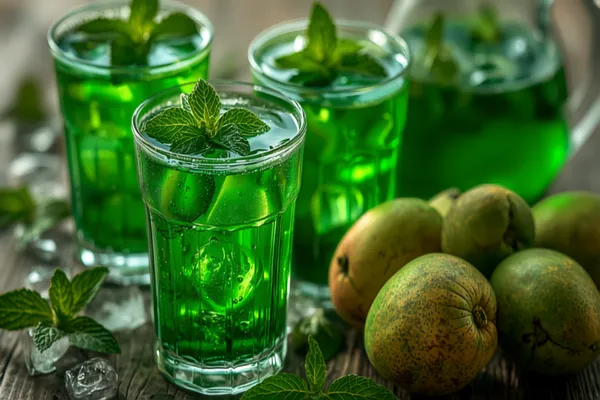
Aam Panna (Raw Green Mango Summer Cooler)
India's tangy, jade-green raw-mango cooler — roasted or boiled green mangoes blended with cumin, black salt and mint. The traditional heat-stroke remedy that tastes like summer.
Pan-Indian (North & West India) · Indian
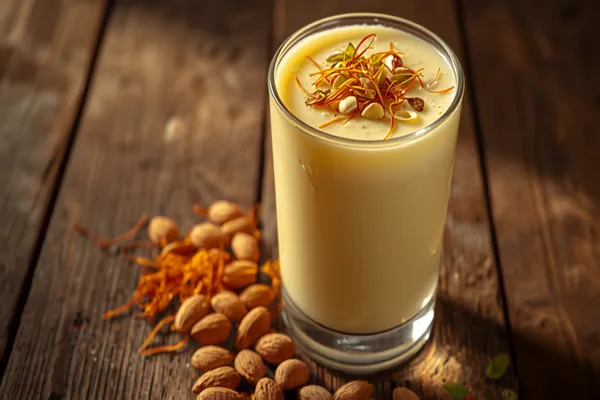
Badam Milk (Saffron Almond Milk)
Milk simmered with a paste of soaked almonds, saffron, cardamom and a whisper of nutmeg — India's rich, fragrant almond drink. Comforting served warm in winter, reviving served chilled in summer, festive any time.
Pan-Indian (Gujarat & West India especially) · Indian
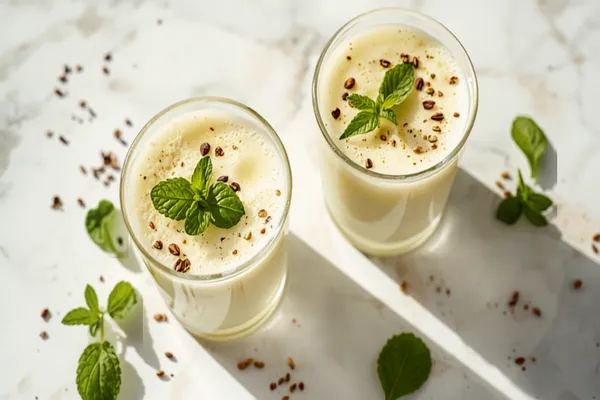
Chaas (Spiced Indian Buttermilk / Masala Chaas)
Whisked yogurt thinned with water and seasoned with cumin, green chilli, ginger and curry leaves — India's cooling, savoury buttermilk. A salty-tangy digestive that beats the heat and settles a heavy meal in two minutes.
From our kitchen community
Ratings & Reviews
My Rating
Tap a star to rate — no sign-in, no form needed.
My Review
0 Ratings
🥣 0 home cooks made it!
Be the first to rate Pesarattu (Andhra Green Gram Dosa).
Related Recipes
Andhra Pradesh & Telangana / South India · Indian
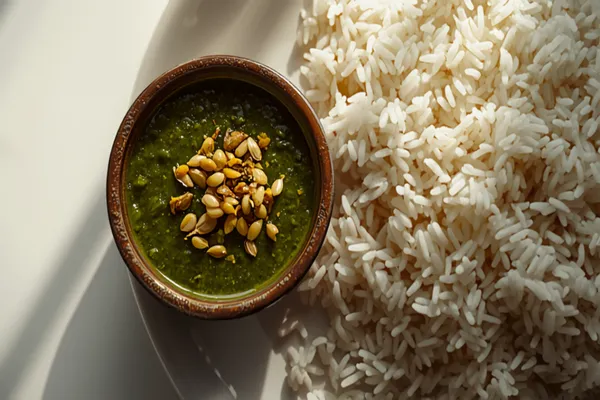
Gongura Pachadi (Andhra Sorrel Chutney)
The fiercely tangy pride of Andhra: sorrel leaves (gongura) sautéed and ground with roasted spices and red chilies into a sharp, spicy chutney, finished with a garlic tempering. Bold, sour, and unforgettable over hot rice and ghee.
Tamil Nadu / Karnataka / South India · Indian
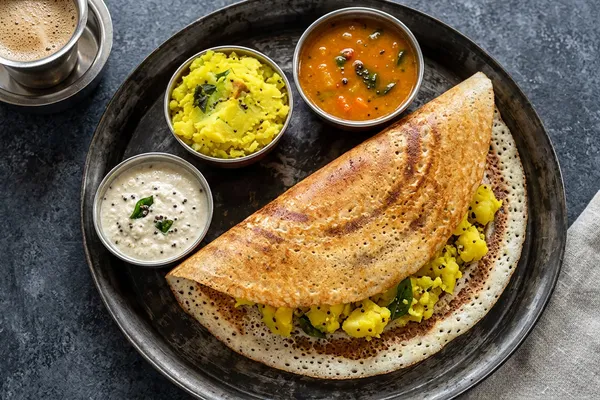
Masala Dosa (Crispy South Indian Crepe with Spiced Potato)
The South Indian icon: a fermented rice-and-lentil crepe griddled until lacy and golden, wrapped around a turmeric-yellow potato masala, and served with coconut chutney and sambar. A weekend project worth every minute.