Andhra Pradesh & Telangana / South India · Indian
Gongura Pachadi (Andhra Sorrel Chutney)
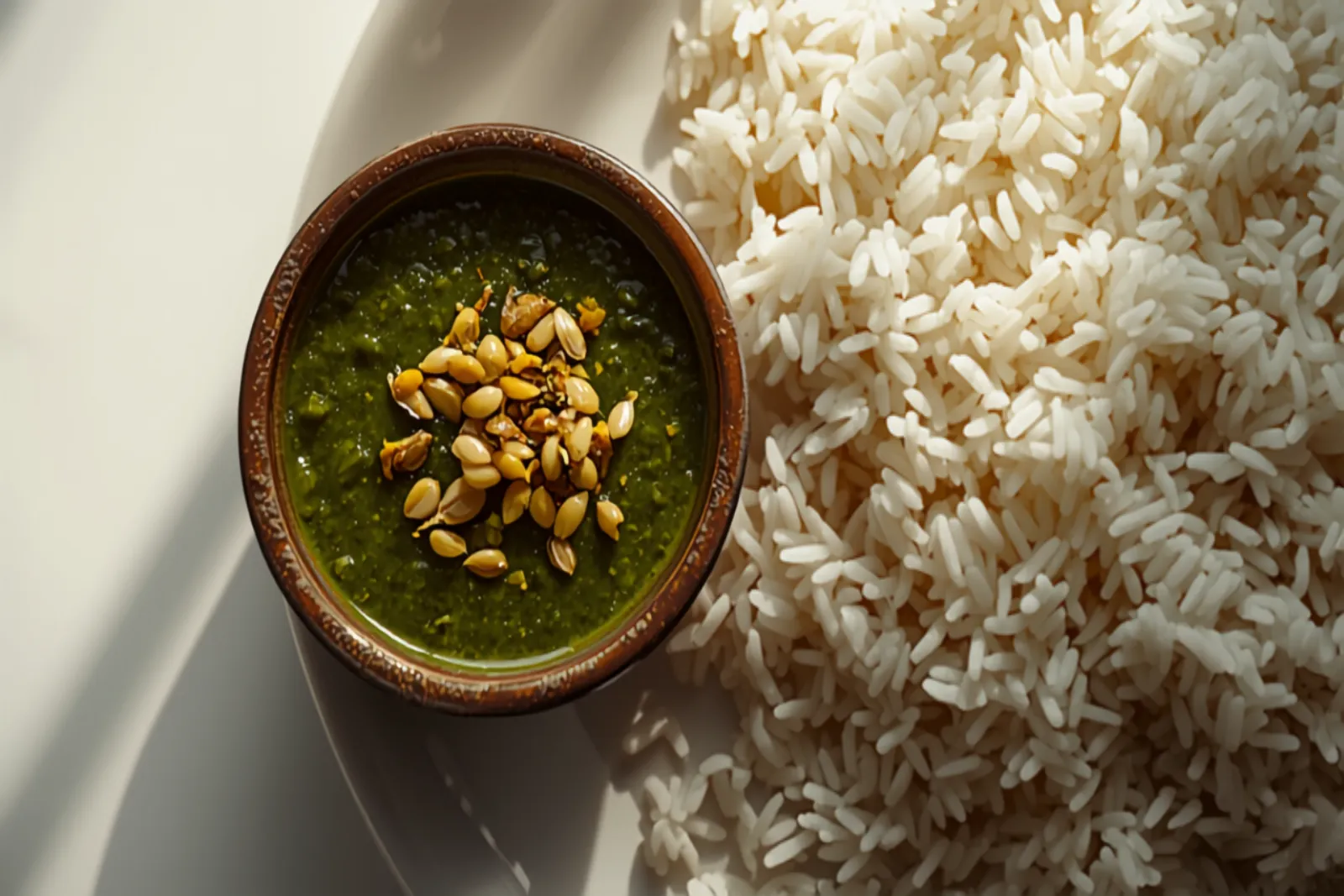
The fiercely tangy pride of Andhra: sorrel leaves (gongura) sautéed and ground with roasted spices and red chilies into a sharp, spicy chutney, finished with a garlic tempering. Bold, sour, and unforgettable over hot rice and ghee.
Published July 9, 2026
Cultural context
Gongura (sorrel) is so central to Andhra cuisine that it's often called the state's signature green, and gongura pachadi is its most iconic form. Intensely sour by nature, the leaves are tamed with chili, spice, and a garlic tempering into a chutney eaten with rice — a defining taste of Telugu home cooking.
Gongura pachadi is the taste of Andhra in a spoonful — sorrel leaves, fiercely sour by nature, sautéed and ground with roasted chilies and spices into a bold, tangy chutney and finished with a golden garlic tempering. Gongura is so beloved in Andhra and Telangana that it’s practically the state’s signature green, and this pachadi is its most iconic form, eaten with hot rice and ghee.
Sour tamed by spice
The whole art of gongura pachadi is balance. The leaves are intensely tart, so it takes a generous hand with dried red chilies and roasted spices — coriander, cumin, fenugreek — to bring it into harmony. The finished chutney should hit you with tang and heat at once, bracing and addictive.
Cook the leaves down, roast the spices
Two steps build the flavour: sautéing the gongura until fully wilted and its moisture cooks off (so the chutney is thick, not watery), and dry-roasting the chilies and whole spices before grinding (which deepens everything). Grind coarse, no water — gongura brings its own.
The garlic tempering
The finishing move is a tempering of mustard seeds and plenty of crushed garlic fried golden in oil, poured over and stirred through. That garlicky, spiced oil is what makes gongura pachadi unforgettable.
A note on sourcing: true gongura is hard to find outside India and hard to replicate — sorrel is the nearest substitute. For more Andhra cooking, see pesarattu, or browse the full recipe collection.
Ingredients
For the chutney
- 4 cups (packed) gongura (sorrel) leaves The sour green that defines the dish. If unavailable, this can't truly be replicated, though sorrel or a little tamarind with spinach approximates the tang.
- 6–8 dried red chilies Gongura is very sour, so it takes a lot of chili to balance; adjust to taste.
- 1 tbsp coriander seeds
- 1 tsp cumin seeds
- 1/2 tsp fenugreek seeds (methi)
- 3 tbsp oil (sesame/gingelly traditional)
- salt
For the tempering
- 1 tsp mustard seeds
- 6 cloves garlic, crushed Garlic in the tempering is classic and lifts the whole chutney.
- 2 dried red chilies, curry leaves, a pinch of asafoetida
Method
Tap a step’s number to check it off as you go.
-
Wash the gongura leaves well, then sauté in a little oil until completely wilted and the moisture cooks off.
Why: Cooking the leaves down concentrates their flavour and removes excess water so the chutney isn't watery.
-
Separately dry-roast the dried chilies, coriander, cumin, and fenugreek until fragrant.
Why: Roasting the spices and chilies deepens their flavour and is what balances gongura's sharp sourness.
-
Grind the roasted spices coarsely, then add the cooked gongura and salt and grind to a thick, coarse chutney (no water).
Why: A thick, coarse grind gives the right texture; gongura has enough moisture that water isn't needed.
-
Make the tempering: heat oil, pop the mustard seeds, add crushed garlic, dried chili, curry leaves, and asafoetida until the garlic is golden.
Why: The garlic tempering is the finishing flourish that makes gongura pachadi sing — pour it over hot to release the aroma.
-
Stir the tempering into the chutney.
Why: Folding the sizzling tempering through distributes the garlic and spice flavour across the whole chutney.
A quick, anonymous tap — no review needed.
Variations
- Gongura mamsam (mutton)
Cook gongura into a mutton curry for the famous Andhra non-vegetarian classic — a different dish built on the same sour green.
- Onion gongura pachadi
Add sautéed onions to the grind for a milder, slightly sweeter chutney.
- Quick (no-roast)
Use red chili powder instead of whole roasted chilies for a faster, rougher chutney.
Serving & Storage
Serve a spoonful with hot rice and a drizzle of ghee or sesame oil — the classic way. It also goes with idli, dosa, and pesarattu, and keeps well as a pantry chutney.
Pairs with: Hot rice and ghee, Pesarattu, Idli, Curd rice.
Storage: Keeps 1–2 weeks refrigerated (the oil and salt preserve it); a thicker, oilier batch keeps even longer. Use a clean dry spoon each time.
Nutrition
Per serving (2 tbsp)
- Calories
- 70
- Protein
- 1 g
- Carbs
- 5 g
- Fat
- 5 g
- Fiber
- 2 g
- Sugar
- 1 g
- Sodium
- 180 mg
Notable micronutrients: Vitamin C, Iron, Vitamin A
Estimated using standard ingredient data. Values vary with brands and substitutions.
Frequently Asked Questions
What is gongura?
Gongura is sorrel — a leafy green prized in Andhra for its intense natural sourness (red-stemmed and green-stemmed varieties exist). It's the signature green of Telugu cooking. Outside India it can be hard to find; true gongura is hard to replicate, though sorrel is the closest.
Why so many chilies?
Gongura is genuinely very sour, so it needs a lot of chili and spice to balance into a harmonious chutney. Start with the amounts given and adjust — the finished pachadi should be tangy and spicy in equal, bracing measure.
How do I eat gongura pachadi?
The classic way is mixed into hot rice with a spoon of ghee or sesame oil. It's also excellent with pesarattu, idli, or dosa, and as a long-keeping pantry chutney to liven up a simple meal.
What to drink with this
All drinks →Hand-picked pours to match this dish.

North & West India (peak-summer drink across the subcontinent) · Indian
Aam Panna (Raw Green Mango Summer Cooler)
India's tangy, jade-green raw-mango cooler — roasted or boiled green mangoes blended with cumin, black salt and mint. The traditional heat-stroke remedy that tastes like summer.
Pan-Indian (North & West India) · Indian
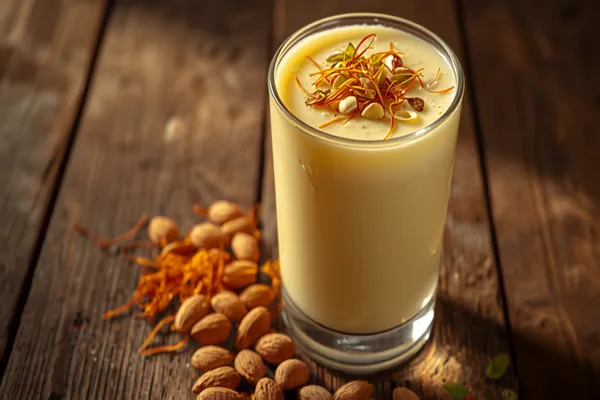
Badam Milk (Saffron Almond Milk)
Milk simmered with a paste of soaked almonds, saffron, cardamom and a whisper of nutmeg — India's rich, fragrant almond drink. Comforting served warm in winter, reviving served chilled in summer, festive any time.

Pan-Indian (Gujarat & West India especially) · Indian
Chaas (Spiced Indian Buttermilk / Masala Chaas)
Whisked yogurt thinned with water and seasoned with cumin, green chilli, ginger and curry leaves — India's cooling, savoury buttermilk. A salty-tangy digestive that beats the heat and settles a heavy meal in two minutes.
From our kitchen community
Ratings & Reviews
My Rating
Tap a star to rate — no sign-in, no form needed.
My Review
0 Ratings
🥣 0 home cooks made it!
Be the first to rate Gongura Pachadi (Andhra Sorrel Chutney).
Related Recipes
Andhra Pradesh & Telangana / South India · Indian
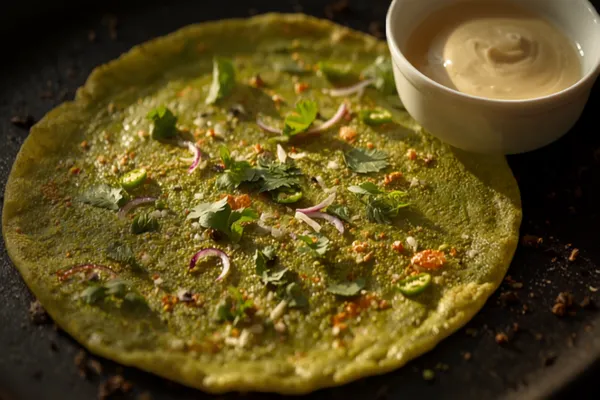
Pesarattu (Andhra Green Gram Dosa)
Andhra's protein-packed breakfast crepe: a batter of whole green moong ground with ginger, chili, and cumin, griddled crisp and often topped with onion — no fermentation needed. Wholesome, savory, and ready in an hour.
Tamil Nadu / South India · Indian
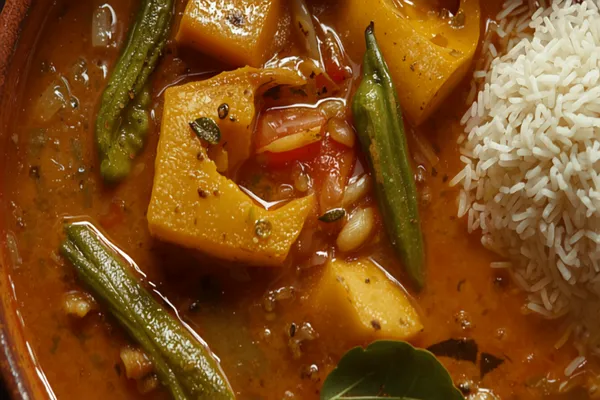
Sambar (South Indian Lentil and Vegetable Stew)
The everyday backbone of a South Indian meal: toor dal simmered with vegetables and tamarind, seasoned with a freshly ground sambar powder and a sizzling tempering. Tangy, savory, and endlessly comforting.
Further reading
- Cultural Story · South IndiaA Complete Guide to South Indian CookingSouth India isn't one cuisine but many — Tamil, Kerala, Karnataka, Andhra and Telangana, each with its own grains, spices, and rituals. A guide to the building blocks, the regional differences, and where to start cooking.
- Ingredient Deep DiveThe Indian Spice Pantry: A Beginner's MapYou don't need a hundred spices to cook Indian food — you need a dozen, and the know-how to use them. A practical guide to the essential Indian spices, what each does, and the techniques (tadka, bhuna, dry-roasting) that unlock them.