Liguria (Genoa) · Italian
Pesto alla Genovese (Genoese Basil Pesto)
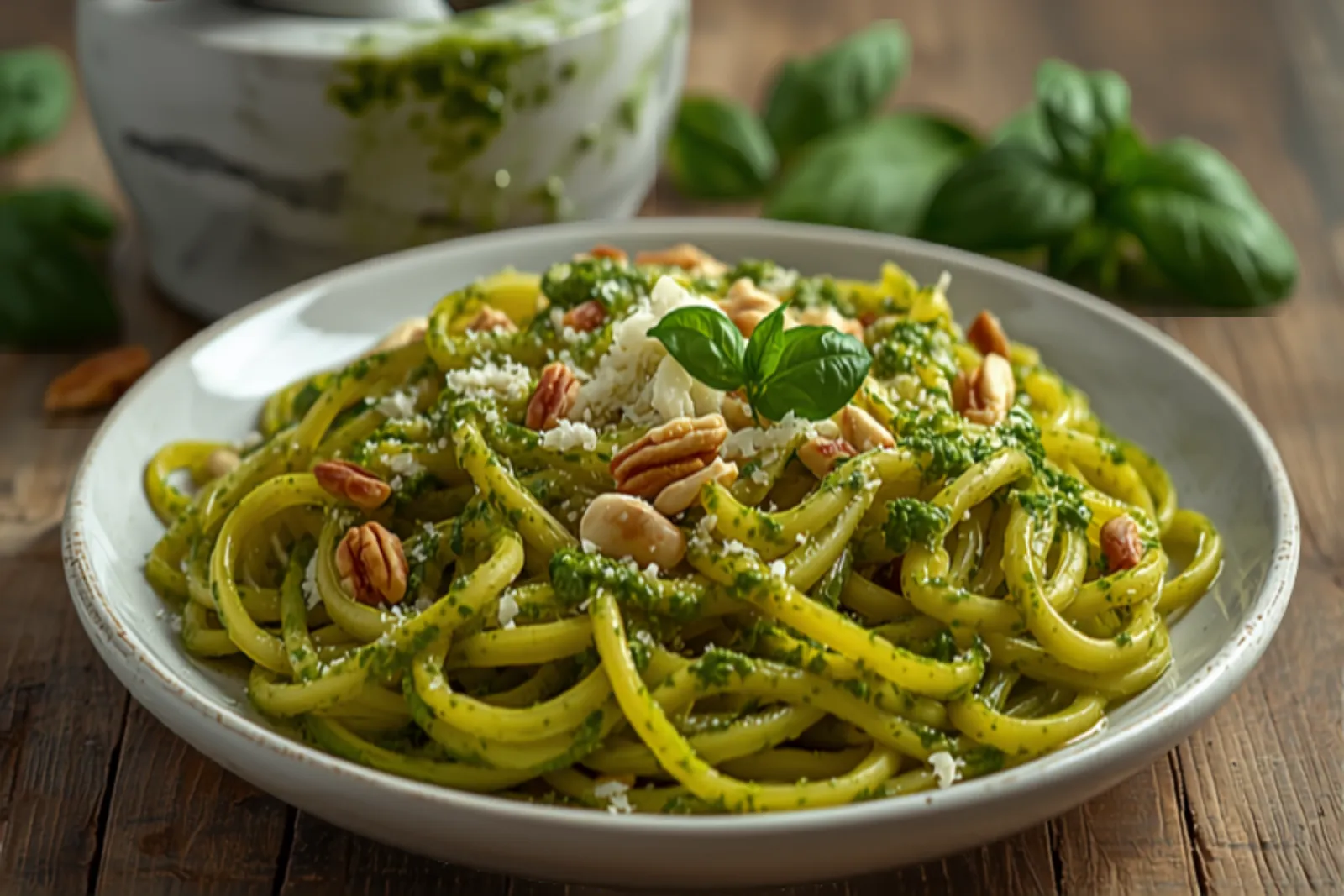
The real Ligurian pesto: fresh basil, pine nuts, garlic, two cheeses and good olive oil pounded into a vivid green sauce, tossed through pasta with a splash of starchy water. No cooking, no compromise — raw, fragrant and fast.
Published June 24, 2026
Cultural context
Pesto — from pestare, 'to pound' — is the great sauce of Liguria, traditionally made in a marble mortar with a wooden pestle. Genoa protects it fiercely: true pesto alla Genovese uses small-leaved Genovese basil, Ligurian olive oil, pine nuts, garlic, and a blend of Parmigiano and aged pecorino. Classically it's tossed with trofie or trenette pasta along with boiled potatoes and green beans.
Pesto alla Genovese is the great raw sauce of Liguria — fresh basil, pine nuts, garlic, two cheeses and good olive oil pounded into a vivid green paste and tossed through hot pasta. The name comes from pestare, to pound, and traditionally it’s made in a marble mortar, though a careful hand with a food processor gets you most of the way there. Nothing is cooked; the whole thing is about freshness, balance, and speed.
Balance over garlic
Genoa guards its pesto closely, and the lesson worth taking from that is restraint. One small clove of garlic, not a fistful — pesto should taste of basil, with the garlic and cheese in support. Use a mild, fruity olive oil rather than a peppery one that would fight the herb, dry the basil leaves completely, and keep everything cool so the basil stays bright green instead of bruising brown.
Never cook it
The cardinal rule: pesto is never heated. Cook the pasta — and, in the full Ligurian style, a few cubes of potato and a handful of green beans in the same pot — then toss everything together with the pesto off the heat, loosening it with a little starchy pasta water until it turns creamy and coats each strand. Heating pesto directly turns it bitter and dull; tossed raw, it stays fragrant and alive. Serve it the moment it’s ready.
For more Italian pasta, try cacio e pepe and spaghetti alle vongole, or browse the full recipe collection.
Ingredients
For the pesto
- 60 g (2 large bunches) fresh basil leaves Small-leaved Genovese basil if you can find it. Use only the leaves; wash and dry them completely.
- 30 g pine nuts Lightly toasted or raw. Walnuts are a traditional cheaper substitute in Liguria.
- 1 small clove garlic Just one — it should season, not dominate.
- 40 g Parmigiano-Reggiano, grated
- 20 g aged pecorino, grated The Parmigiano-pecorino blend is traditional; all-Parmigiano is fine if that's what you have.
- 100-120 ml extra-virgin olive oil A mild, fruity oil — a peppery one can overwhelm the basil.
- a good pinch coarse salt
For the pasta
- 400 g trofie, trenette or linguine Optionally cooked with a few cubed potatoes and a handful of green beans, Ligurian style.
Method
Tap a step’s number to check it off as you go.
-
Pound the garlic and a pinch of coarse salt to a paste in a mortar (or pulse in a food processor).
Why: Starting with garlic and salt breaks it down evenly; the salt acts as an abrasive. One clove only — pesto should taste of basil, not garlic.
-
Add the pine nuts and pound to a rough paste, then add the basil a handful at a time, grinding against the sides until vivid green.
Why: Adding basil gradually and grinding rather than chopping releases its oils without bruising it brown. Keep everything cool and work fairly quickly.
-
Work in the grated cheeses, then drizzle in the olive oil, stirring, until you have a loose, glossy sauce.
Why: The cheese thickens and binds; the oil loosens it. A blender works too — just pulse in short bursts and don't let it heat up, which dulls the colour and flavour.
-
Cook the pasta (with potato and beans, if using) in well-salted water until al dente. Reserve a cup of pasta water before draining.
Why: Pesto is never cooked — the starchy water is what turns it into a sauce that coats the pasta.
-
Off the heat, toss the drained pasta with the pesto and a few spoonfuls of pasta water until creamy. Loosen further if needed.
Why: Tossing off the heat keeps the pesto raw and fragrant; heating it directly turns it bitter and army-green. The pasta water makes it cling.
-
Serve immediately, with extra grated cheese.
Why: Raw pesto fades and oxidises quickly, so it's at its bright, aromatic best the moment it's tossed.
A quick, anonymous tap — no review needed.
Variations
- Ligurian classic
Cook cubed potato and trimmed green beans in with the pasta — the traditional Genoese way to serve trofie al pesto.
- Nut swaps
Walnuts are a traditional, cheaper alternative to pine nuts in Liguria; both give a slightly different but authentic result.
- Dairy-free
Leave out the cheese and add a spoon of nutritional yeast and a little extra salt and nuts for savour — not classic, but a good vegan pesto.
Serving & Storage
Toss through hot pasta and serve at once with extra grated cheese. Pesto is also wonderful stirred into minestrone, spread on bruschetta, or spooned over tomatoes and mozzarella.
Pairs with: Crusty focaccia, Tomato salad, A crisp Ligurian white (Vermentino, Pigato).
Storage: Keeps 4-5 days refrigerated under a film of olive oil to stop it browning; freezes well (freeze without cheese and stir it in after thawing). Always serve at room temperature, never hot.
Nutrition
Per serving (1 plate (1/4 recipe))
- Calories
- 620
- Protein
- 18 g
- Carbs
- 74 g
- Fat
- 29 g
- Fiber
- 4 g
- Sugar
- 3 g
- Sodium
- 430 mg
Notable micronutrients: Calcium, Vitamin A, Vitamin K, Vitamin E
Estimated using standard ingredient data. Values vary with brands and substitutions.
Frequently Asked Questions
Mortar or food processor?
The mortar gives the silkiest, most traditional texture and the brightest flavour, but a food processor is perfectly good if you pulse in short bursts and keep it cool — heat is what turns pesto bitter and dull.
Why did my pesto turn brown/bitter?
Usually heat or over-processing bruising the basil. Keep everything cool, work quickly, dry the basil leaves well, and never cook the pesto — always toss it through off the heat.
Can I leave out the pecorino?
Yes — all-Parmigiano pesto is common and good. The Parmigiano-pecorino blend is the Genoese standard and adds a sharper, saltier edge if you have both.
What to drink with this
All drinks →Hand-picked pours to match this dish. Alcoholic pairings are for adults of legal drinking age (21+ in the US) — please drink responsibly.
 21+
21+ Florence, Italy (Tuscan aperitivo tradition) · Italian
Negroni (The Perfect Three-Part Aperitivo)
Equal parts gin, Campari and sweet vermouth, stirred over ice with an orange peel. Italy's great bitter aperitivo — the easiest world-class cocktail to remember and one of the hardest to improve on.
 21+
21+ Veneto, Northern Italy (Venice & Padua) · Italian
Aperol Spritz (The Italian Sunset Aperitivo)
Italy's golden-hour spritz: Aperol, Prosecco and soda over ice with an orange slice. The 3-2-1 ratio, why the order you pour matters, and the lightest world-famous aperitivo.
Jamaica & the Caribbean; England · Caribbean / British
Ginger Beer (Homemade, Fiery & Non-Alcoholic)
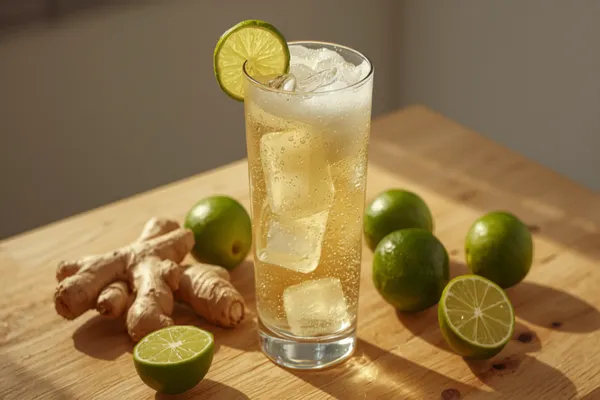
Fresh ginger, lime and sugar carbonated into a spicy, bracing brew — the real thing, far hotter than anything bottled. A Caribbean and British favourite that's the backbone of the Moscow Mule and Dark 'n' Stormy, and a sensational soda on its own.
From our kitchen community
Ratings & Reviews
My Rating
Tap a star to rate — no sign-in, no form needed.
My Review
0 Ratings
🥣 0 home cooks made it!
Be the first to rate Pesto alla Genovese (Genoese Basil Pesto).
Related Recipes
Rome, Lazio · Italian
Cacio e Pepe (Roman Pasta with Pecorino and Black Pepper)
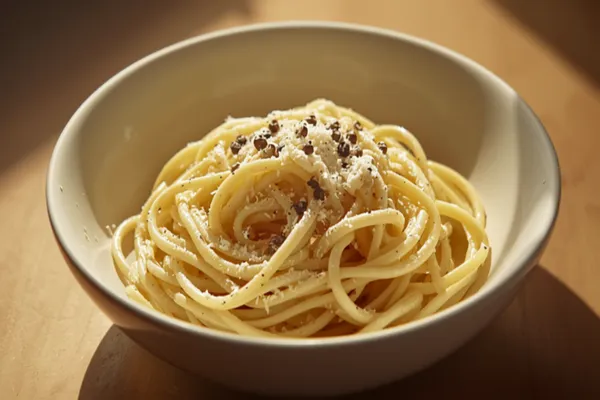
Rome's three-ingredient masterpiece: spaghetti tossed with Pecorino Romano and toasted black pepper into a glossy, clinging sauce — no cream, no butter, just cheese, pepper, pasta, and starchy water. Simple to list, technical to nail.
Naples & Campania · Italian
Spaghetti alle Vongole (Spaghetti with Clams)
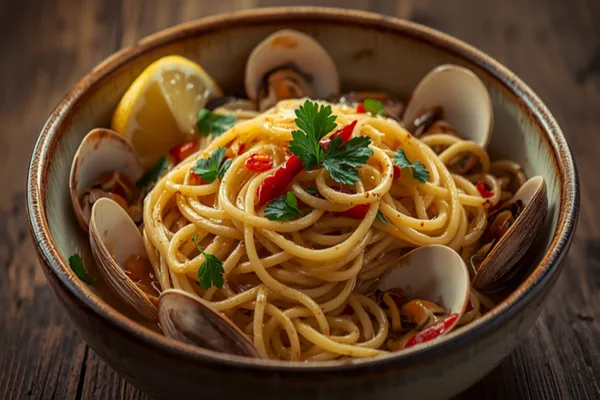
Naples in a bowl: spaghetti tossed with clams steamed open in white wine, garlic, chilli and olive oil, emulsified with their own briny juices into a glossy sauce. No cheese, no fuss — just the sea, in minutes.
Catania, Sicily · Italian
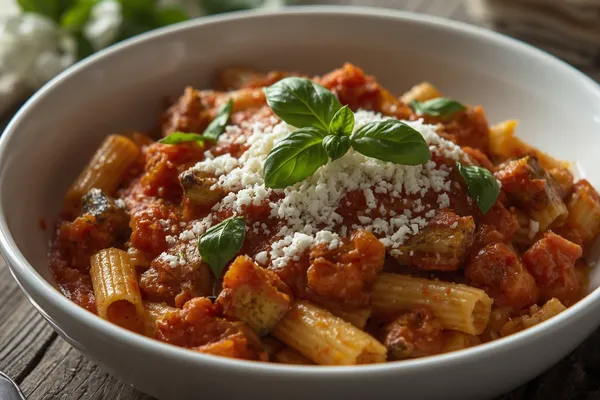
Pasta alla Norma (Sicilian Pasta with Fried Eggplant)
Catania's great eggplant pasta: fried aubergine folded into a bright tomato sauce, tossed with rigatoni, and showered with salty ricotta salata and torn basil. A vegetarian dish that eats like a celebration.