19th-century American cocktail bars · American
Champagne Cocktail (Sugar Cube, Bitters & Champagne)
The vintage classic: a bitters-soaked sugar cube dropped into a flute of cold champagne, with a cognac option and a lemon twist. Slowly bubbling, faintly spiced and impossibly elegant — a cocktail from the 1850s that never dated.
Published July 11, 2026
Cultural context
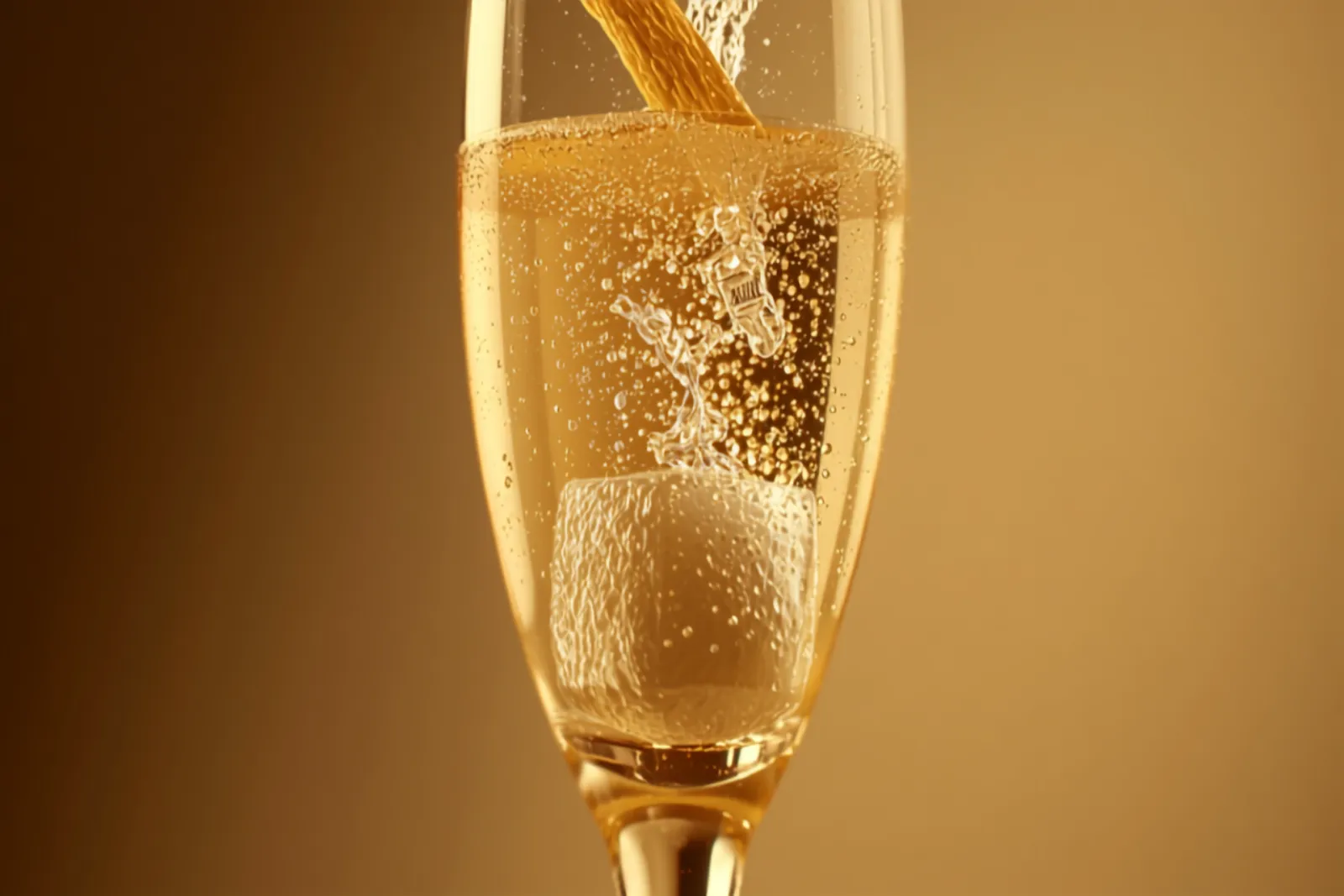
The Champagne Cocktail is one of the oldest drinks in the book — it appears in Jerry Thomas's 1862 Bartender's Guide — and it's beautifully simple: a sugar cube soaked in Angostura bitters, dropped into cold champagne, often with a measure of cognac. The bitters-soaked cube streams a continuous ribbon of bubbles up through the glass, and the whole thing is faintly spiced and thoroughly elegant. A staple of grand hotel bars for over 150 years.
The Champagne Cocktail is one of the oldest drinks in the book and one of the most elegant: a bitters-soaked sugar cube dropped into cold champagne, usually with a measure of cognac and a lemon twist. The cube streams a ribbon of bubbles up the glass while the bitters add a faint, sophisticated spice.
The sugar cube is the point
Soak a cube in Angostura, drop it in, and it dissolves slowly — seasoning the drink and sending up a steady stream of bubbles. It’s charm and function at once.
Cognac, or not
A measure of cognac adds warmth beneath the champagne; leave it out for something lighter. Both go back over 150 years.
One of the spritz & champagne family
Where the Mimosa and Bellini are fruity and sweet, this one is dry and spiced — the classic end of the spritz & champagne family.
Ingredients
- 1 white sugar cube
- 3–4 dashes Angostura bitters Enough to fully soak the cube.
- 15 ml (1/2 oz) cognac (optional) The classic addition — adds warmth and depth. Leave it out for a lighter drink.
- 120 ml (4 oz) champagne Well chilled and dry (brut).
- a lemon twist, to garnish
Method
Tap a step’s number to check it off as you go.
-
Soak the sugar cube with the bitters and drop it into a chilled champagne flute.
Why: The bitters-soaked cube dissolves slowly, sending up a steady stream of bubbles and seasoning the drink from the bottom.
-
Add the cognac, if using, then top slowly with cold champagne.
Why: Pouring the champagne slowly down the side preserves the bubbles; the cognac adds warmth beneath them.
-
Express a lemon twist over the top and drop it in.
Why: The lemon oil brightens the champagne and complements the spice of the bitters.
A quick, anonymous tap — no review needed.
Variations
- No cognac
Skip the cognac for a lighter, lower-proof drink — still elegant, just the cube, bitters and champagne.
- Seelbach-style
For a bigger drink, add bourbon and a generous dose of both Angostura and Peychaud's bitters (the Seelbach cocktail).
- The spritz & champagne family
Compare it to the fruit-led Mimosa, Bellini and Kir Royale — this one is spiced and dry instead of sweet.
Serving & Storage
A timeless celebration and toast drink. Elegant enough for New Year's Eve, simple enough for any occasion.
Pairs with: Oysters, Caviar, Canapés, Smoked salmon.
Storage: Make to order; champagne cocktails lose their sparkle quickly.
Nutrition
Per serving (1 drink (~140 ml))
- Calories
- 165
- Protein
- 0 g
- Carbs
- 8 g
- Fat
- 0 g
- Fiber
- 0 g
- Sugar
- 6 g
- Sodium
- 0 mg
Estimated using standard ingredient data. Values vary with brands and substitutions.
Frequently Asked Questions
Why the sugar cube instead of syrup?
The bitters-soaked cube is traditional and functional: as it slowly dissolves, it releases a continuous stream of bubbles up through the glass and seasons the drink from the bottom. It's part of the drink's charm — and it looks lovely. Syrup would dissolve instantly and lose the effect.
Is the cognac necessary?
No, but it's classic. A measure of cognac adds warmth and depth beneath the champagne. Without it you have a lighter, more delicate drink of just sugar, bitters and champagne — both versions are traditional.
What champagne should I use?
A dry (brut) champagne is ideal, since the sugar cube provides sweetness. You don't need a prestige bottle — a solid brut champagne, or a good dry cava or prosecco, all work well. Keep it very cold.
From our kitchen community
Ratings & Reviews
My Rating
Tap a star to rate — no sign-in, no form needed.
My Review
0 Ratings
🥣 0 home cooks made it!
Be the first to rate Champagne Cocktail (Sugar Cube, Bitters & Champagne).
Related Recipes
Paris (Harry's New York Bar, c. 1915) · French / American
French 75 (Gin, Lemon & Champagne)
Gin and lemon shaken cold, then lengthened with Champagne — a sparkling, celebratory cocktail named for a field gun because it hits with a kick. Bright, elegant and dangerously easy to drink.
Burgundy, France · French
Kir Royale (Crème de Cassis & Champagne)
The elegant French apéritif: a measure of blackcurrant crème de cassis topped with cold champagne. Deep jewel-pink, lightly sweet and effortlessly chic — two ingredients, one minute, endless occasion.
Paris (1920s) · French
Mimosa (Champagne & Orange Juice)
The brunch classic done properly — cold sparkling wine and fresh orange juice in equal parts, poured in the right order so it stays bright and bubbly. The ratio, the order, and the wine that matters.
Paris / London (around World War I) · French / British
Sidecar (Cognac, Orange Liqueur & Lemon)
A pre-war classic and the brandy sour perfected — cognac, orange liqueur and fresh lemon, shaken cold and served up. The ratio, the sugar-rim question, and why good brandy matters.