West Bengal / East India · Indian
Chingri Malai Curry (Bengali Prawn Coconut Curry)
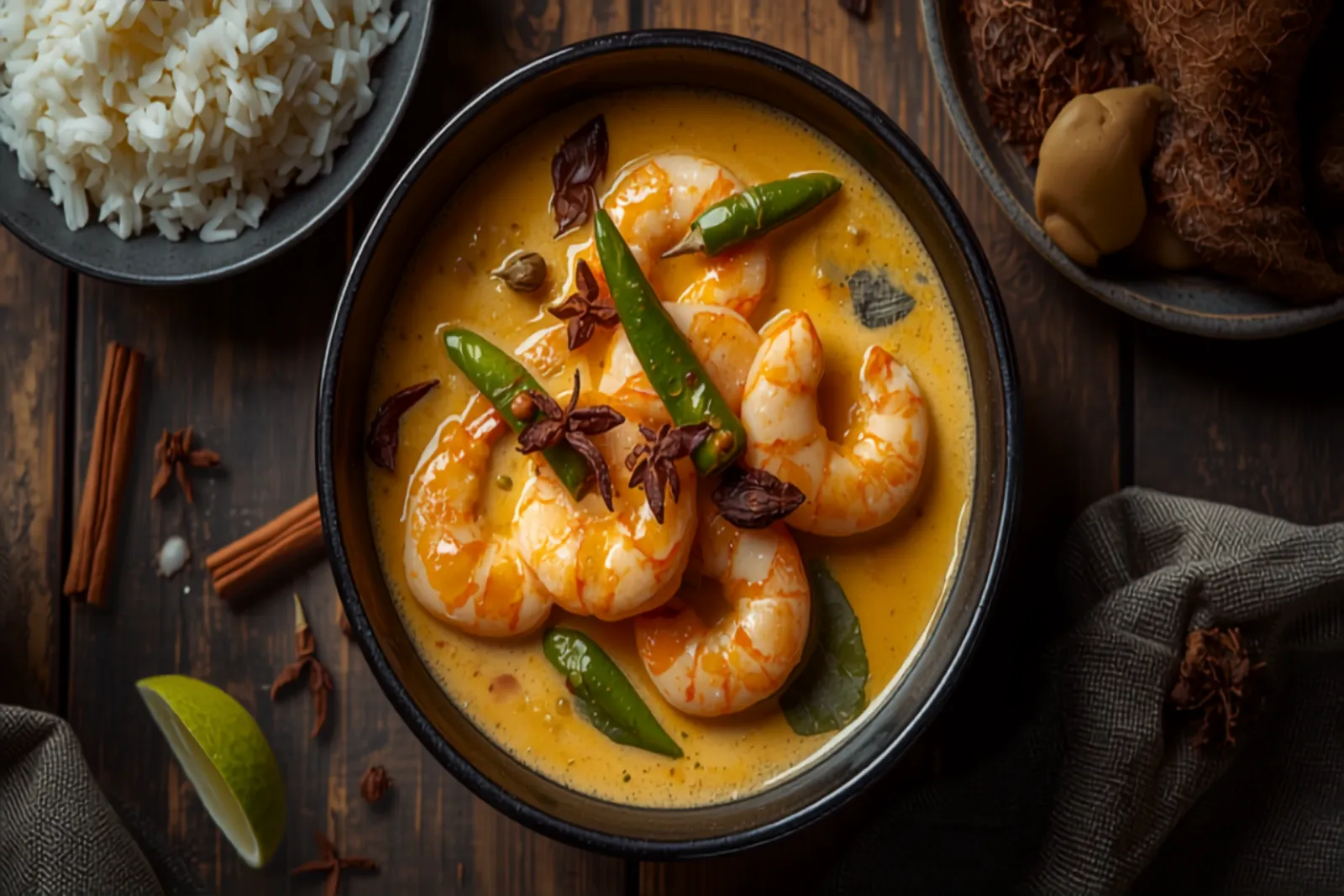
The Bengali feast-day prawn curry — plump golda prawns simmered in a silky coconut-milk gravy scented with whole garam masala, ginger and a whisper of sugar. Rich, gently sweet and unmistakably celebratory.
Published June 30, 2026
Cultural context
A Bengali celebration dish — the curry of weddings, Bijoya and the Sunday table. Despite the 'malai' (cream) most people assume, food historians trace the name to 'Malay curry,' a coconut-milk style that likely reached Bengal through maritime trade with the Malay peninsula. It is traditionally made with golda chingri (giant freshwater prawns) or bagda (tiger prawns).
Chingri malai curry is the prawn dish Bengalis save for the occasions that matter — weddings, the Bijoya feast that closes Durga Puja, the long Sunday lunch. Plump prawns are simmered in a coconut-milk gravy perfumed with whole garam masala until it turns silky, pale gold and gently sweet. It is rich without being heavy, and mild by design: this is a curry meant to show off the sweetness of good prawns, not bury it under chilli.
What “malai” really means
Most people assume the name comes from malai, the Bengali and Hindi word for cream, and the curry’s luxurious look does nothing to dispel it. But there is no dairy cream in a traditional chingri malaikari at all — the body is entirely coconut milk. Food historians point instead to “Malay curry,” a coconut-based style that likely travelled to the Bengal coast through centuries of maritime trade with the Malay peninsula, the name softening over time into malaikari. It’s a small reminder that Bengali cooking has always been a port cuisine, open to what the sea brought in.
The prawns come first — and briefly
The single most important technique here is restraint with the prawns. Golda chingri, the giant freshwater prawns of the Bengali kitchen, are treasured for their size and sweetness, and the whole point is to keep that sweetness intact. Toss them with turmeric and salt, then fry them for barely a minute a side in smoking mustard oil — just until they blush pink — and pull them out. They finish cooking later, gently, in the gravy. Overcooked prawns turn to rubber, and no amount of good coconut milk will save them.
Building a silky gravy
Bloom the whole garam masala — bay, cardamom, clove, cinnamon — in the leftover mustard oil with a spoon of ghee, so the fat itself carries their scent through the dish. Then comes the patient part: onion paste, cooked down slowly until the raw edge is gone and the oil beads at the sides. This is what makes a malaikari smooth and sweet rather than sharp. Coconut milk goes in twice — the thinner liquid first to build and reduce the gravy, the thick cream last so it doesn’t split — and a spoon of sugar, that quiet Bengali signature, rounds everything off. Return the prawns just long enough to finish, then let the pot rest off the heat so the gravy settles into a glossy, spoonable richness.
Serve it over plain steamed rice, ideally fragrant gobindobhog. If you’re building a Bengali table around it, follow the thread to shorshe ilish and Bengali macher jhol, or read more in the guide to Bengali cooking.
Ingredients
For the prawns
- 500 g (about 1 lb) large prawns / shrimp, head-on if possible Golda (freshwater) or bagda (tiger) prawns are traditional; any large shell-on prawn works. Peel and devein, leaving the tail on.
- 1/2 tsp turmeric
- 3/4 tsp salt
- 1 tbsp ghee Added with the whole spices for a rounder, festive richness.
- 2 bay leaves
- 2 dried red chillies
- 4 green cardamom pods, lightly crushed
- 4 cloves
- 1-inch piece cinnamon stick
- 1 large onion, made into a smooth paste Grind raw; onion paste dissolves into the gravy for a smooth, coconut-forward finish rather than a chunky base.
- 1 tbsp ginger paste
- 1/2 tsp Kashmiri red chilli powder For colour and gentle warmth without fierce heat — this curry is meant to be mild.
- 1 tsp sugar A Bengali signature — it balances the salt and lifts the sweetness of the coconut and prawns.
- 400 ml (1 can) coconut milk Ideally split: use the thinner liquid first to build the gravy, the thick top layer to finish. A full-fat can gives the right body.
- 1/2 tsp garam masala Freshly ground cardamom, clove and cinnamon, stirred in at the end.
- 2-3 slit green chillies For fragrance, not heat; adjust to taste.
For the gravy
- 3 tbsp mustard oil The signature Bengali fat; its pungency mellows to a nutty background note once heated to smoking.
Method
Tap a step’s number to check it off as you go.
-
Toss the prawns with turmeric and salt and set aside for 10 minutes.
Why: Turmeric seasons the prawns and tempers any fishy note, while the short rest lets the salt penetrate so they stay savoury through the gentle simmer.
-
Heat the mustard oil in a kadhai or wide pan until it just begins to smoke, then lower the heat. Slide in the prawns and fry for 60–90 seconds a side, just until they turn pink and firm at the edges. Lift them out and reserve.
Why: Heating mustard oil to smoking burns off its raw sharpness. The prawns are only par-cooked here — finishing them later in the gravy keeps them tender rather than rubbery.
-
Into the same oil add the ghee, bay leaves, dried chillies, cardamom, cloves and cinnamon. Let them sizzle for 20–30 seconds until fragrant.
Why: Blooming whole garam masala in the hot fat perfumes the base oil, which carries that aroma through the whole curry — the defining scent of a malaikari.
-
Add the onion paste and a pinch of salt. Fry patiently over medium heat for 8–10 minutes, stirring, until the raw smell is gone and the paste turns pale gold and the oil beads at the edges.
Why: Cooking out the onion paste fully is what keeps the gravy silky and sweet rather than sharp and raw-tasting; rushing it leaves a harsh bite.
-
Stir in the ginger paste, Kashmiri chilli powder and sugar; cook 2 minutes. Pour in the thinner coconut milk, add the slit green chillies, and simmer gently for 4–5 minutes.
Why: The thin coconut milk goes in first so it can reduce and marry with the spices without the thick cream splitting over higher heat.
-
Return the prawns, pour in the thick coconut milk, and simmer very gently for 4–5 minutes until the gravy coats a spoon and the prawns are just cooked through. Finish with the garam masala, cover, and rest off the heat for 5 minutes before serving.
Why: A low, slow finish sets the emulsion and cooks the prawns through without toughening them; the off-heat rest lets the coconut and spice settle into a rounded, glossy gravy.
A quick, anonymous tap — no review needed.
Variations
- Lighter
Use light coconut milk and reduce the ghee; the curry stays fragrant with a leaner body.
- Tiger prawn / shrimp
Large tiger prawns or big shrimp work beautifully — keep the frying time short so they don't overcook.
- Extra-rich (feast style)
Fry the prawns with their heads on and stir a spoon of the head fat into the gravy at the end for the deep, old-Kolkata richness.
Serving & Storage
Serve hot over plain steamed rice (Bengalis eat it with gobindobhog or any fragrant white rice) with a wedge of lime; the mild, sweet gravy is meant to be spooned generously.
Pairs with: Steamed rice, Gobindobhog rice, Begun bhaja (fried eggplant), Cucumber salad.
Storage: Best eaten fresh, as reheating can toughen the prawns. Keeps 1 day refrigerated; warm gently over low heat just until heated through.
Nutrition
Per serving (1 serving (about 1/4 recipe))
- Calories
- 340
- Protein
- 26 g
- Carbs
- 10 g
- Fat
- 22 g
- Fiber
- 1 g
- Sugar
- 5 g
- Sodium
- 720 mg
Notable micronutrients: Selenium, Vitamin B12, Iron, Zinc
Estimated using standard ingredient data. Values vary with brands and substitutions.
Frequently Asked Questions
Does 'malai' mean cream? Is there cream in it?
No dairy cream is used — the richness comes entirely from coconut milk. The name is widely believed to come from 'Malay curry,' a coconut-based style that reached Bengal through trade, later transliterated to 'malai.' The creamy look is pure coconut.
What prawns should I use?
Traditionally golda chingri (giant freshwater prawns) or bagda (tiger prawns), prized for their size and sweetness. Outside Bengal, any large shell-on prawn or big shrimp works well — bigger prawns stay juicier through the simmer.
How do I keep the prawns from turning rubbery?
Only par-fry them for a minute a side at the start, then finish them in the gravy over a gentle heat for a few minutes. Prawns cook fast; the low, slow finish and the off-heat rest are what keep them tender.
Why is there sugar in a savoury curry?
A small amount of sugar is a hallmark of Bengali cooking. It doesn't make the dish dessert-sweet — it balances the salt and mustard oil and amplifies the natural sweetness of the prawns and coconut.
What to drink with this
All drinks →Hand-picked pours to match this dish.
North & West India (peak-summer drink across the subcontinent) · Indian
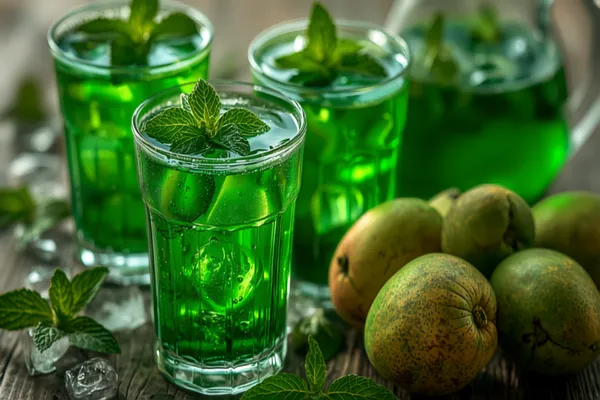
Aam Panna (Raw Green Mango Summer Cooler)
India's tangy, jade-green raw-mango cooler — roasted or boiled green mangoes blended with cumin, black salt and mint. The traditional heat-stroke remedy that tastes like summer.
Pan-Indian (North & West India) · Indian
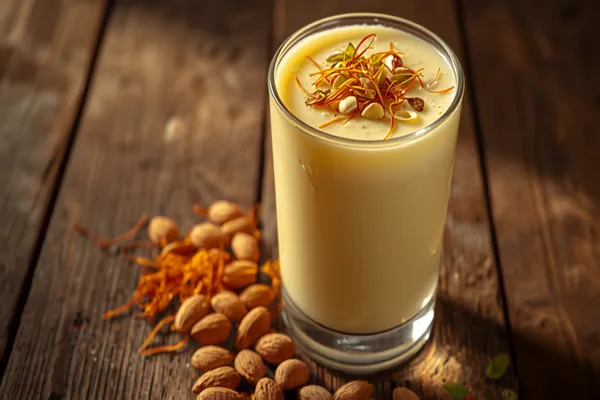
Badam Milk (Saffron Almond Milk)
Milk simmered with a paste of soaked almonds, saffron, cardamom and a whisper of nutmeg — India's rich, fragrant almond drink. Comforting served warm in winter, reviving served chilled in summer, festive any time.
Pan-Indian (Gujarat & West India especially) · Indian
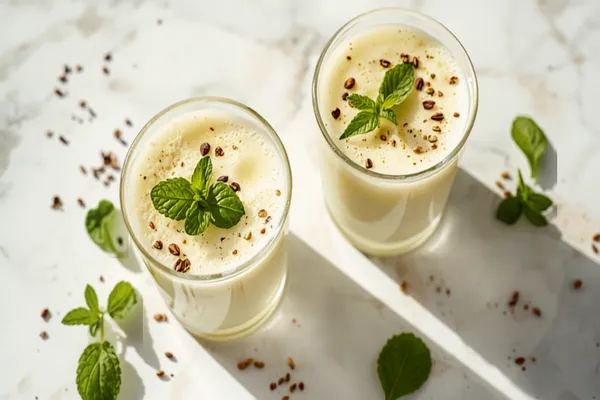
Chaas (Spiced Indian Buttermilk / Masala Chaas)
Whisked yogurt thinned with water and seasoned with cumin, green chilli, ginger and curry leaves — India's cooling, savoury buttermilk. A salty-tangy digestive that beats the heat and settles a heavy meal in two minutes.
From our kitchen community
Ratings & Reviews
My Rating
Tap a star to rate — no sign-in, no form needed.
My Review
0 Ratings
🥣 0 home cooks made it!
Be the first to rate Chingri Malai Curry (Bengali Prawn Coconut Curry).
Related Recipes
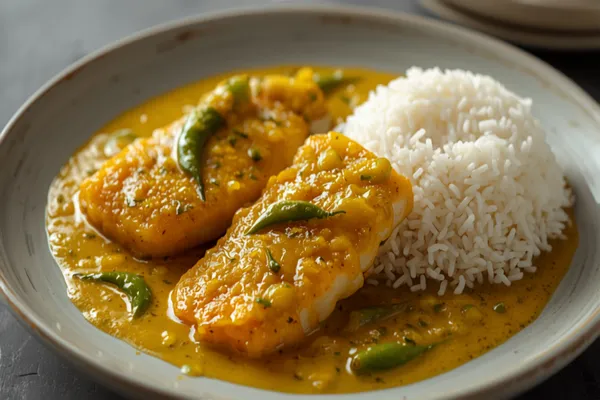
West Bengal / East India · Indian
Shorshe Ilish (Bengali Mustard Hilsa)
Bengal's prized hilsa fish in a pungent mustard gravy — steaks bathed in a paste of ground mustard seed, green chilli, and mustard oil, then gently steamed. Sharp, golden, and intensely regional, eaten with a mound of plain rice.
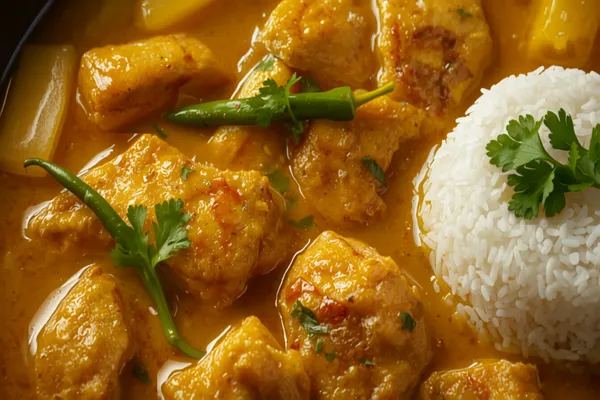
West Bengal / East India · Indian
Macher Jhol (Bengali Fish Curry)
The everyday Bengali fish curry: lightly fried fish simmered in a thin, golden gravy of potatoes, tomato, and panch phoron-scented spice. Clean, comforting, and made to be eaten with a mound of rice.
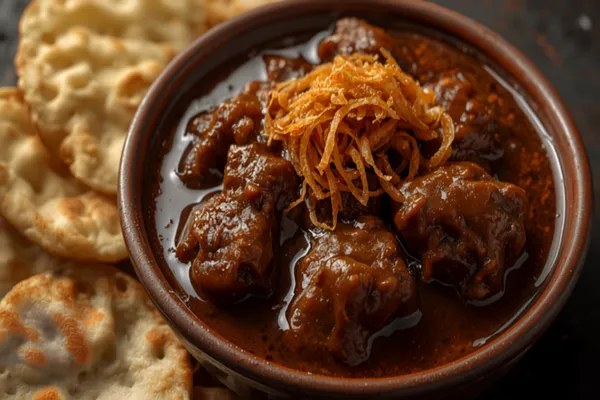
West Bengal / East India · Indian
Kosha Mangsho (Bengali Slow-Cooked Mutton Curry)
Bengal's Sunday-best mutton: goat marinated in yogurt and mustard oil, then slow-cooked with onions and whole spices until the gravy turns dark, thick, and clinging. 'Kosha' means slow-fried — and the patience is the dish.