West Bengal / East India · Indian
Shorshe Ilish (Bengali Mustard Hilsa)
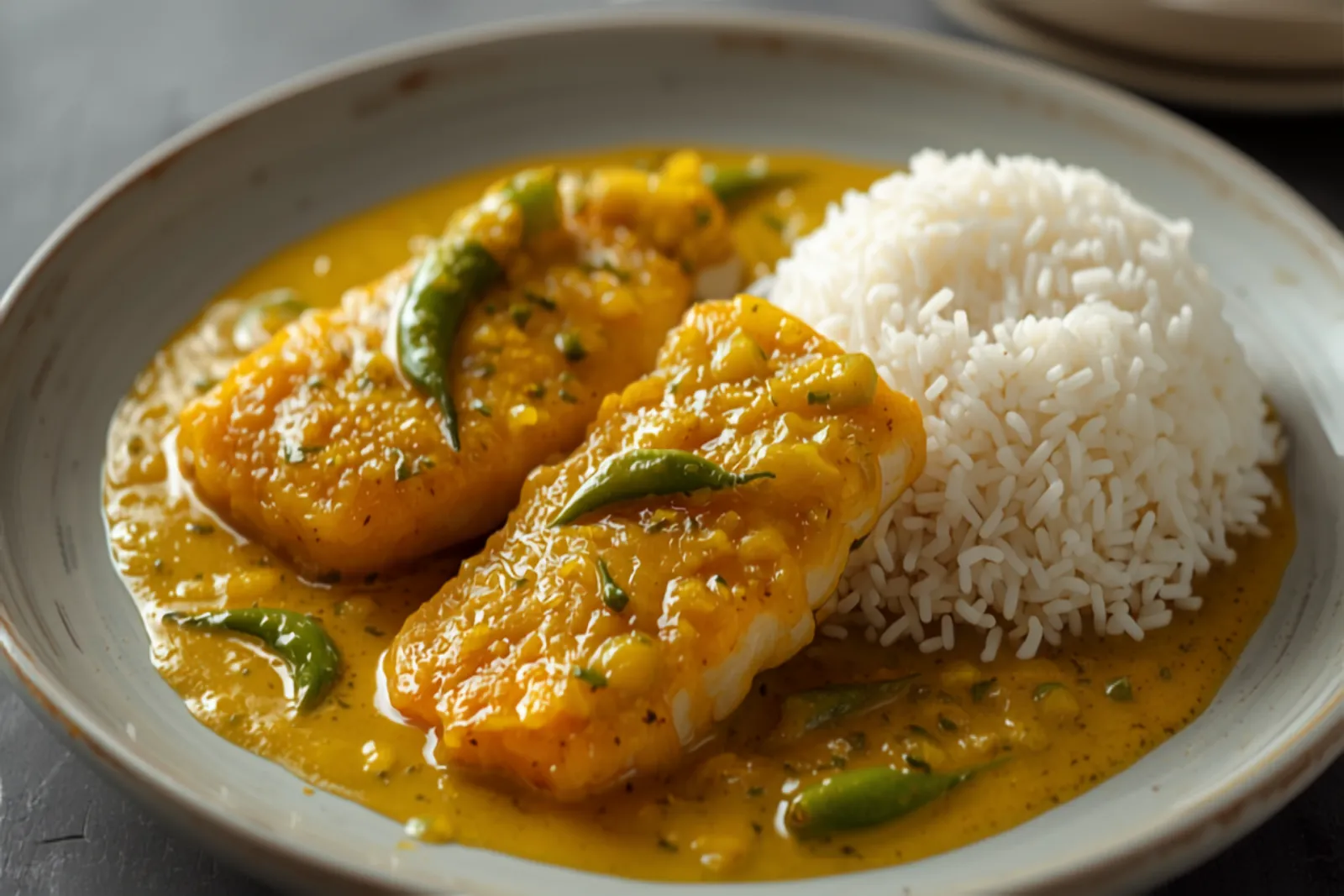
Bengal's prized hilsa fish in a pungent mustard gravy — steaks bathed in a paste of ground mustard seed, green chilli, and mustard oil, then gently steamed. Sharp, golden, and intensely regional, eaten with a mound of plain rice.
Published June 24, 2026
Cultural context
Ilish (hilsa) is the most prized fish in Bengal, tied to the monsoon, to festivals, and to Bengali identity itself. Shorshe ilish — hilsa in mustard — is its most celebrated treatment: minimal cooking, maximum pungency, letting the oily, flavourful fish and the fierce mustard speak for themselves.
Shorshe ilish is the dish Bengalis dream about — prized hilsa fish in a pungent, golden mustard gravy, cooked as little as possible so the oily, flavourful fish and the fierce ground mustard can do all the talking. It arrives at the table tied to the monsoon and to festival days, and it is eaten with nothing more than a heap of plain rice.
Respect the mustard
Mustard turns bitter if you abuse it. Soak the seeds, grind them with a pinch of salt and a green chilli, use the paste fresh, and never boil it hard. Done right, it’s sharp and clean; done wrong, it’s acrid. This is the single thing that makes or breaks the dish.
Mustard oil, heated first
The other non-negotiable is mustard oil. Heat it until it just smokes to drive off the raw pungency, and finish the dish with a drizzle of the raw oil for that unmistakable Bengali aroma.
Cook the fish gently
Hilsa needs only a brief, gentle simmer — swirl the pan instead of stirring so the steaks stay whole. If hilsa is out of reach, oily salmon or pomfret will carry the mustard gravy admirably.
For more from the east, browse the full recipe collection or read the Bengali cooking guide.
Ingredients
For the fish
- 4 thick steaks hilsa (ilish) If hilsa is unavailable, a firm oily fish like pomfret or even salmon stands in (the dish then strays from the original, but the technique holds).
- 1/2 tsp turmeric
- salt, to rub
For the mustard paste
- 3 tbsp yellow mustard seeds
- 1 tbsp black mustard seeds Soak both 15 minutes; a pinch of salt and a green chilli ground with them keeps the paste from turning bitter.
- 2–3 green chillies
- 1/4 tsp turmeric
For the gravy
- 4 tbsp mustard oil Essential to the flavour; heat it to smoking first to tame the rawness.
- 1/2 tsp nigella seeds (kalonji)
- 3–4 whole green chillies, slit
- salt, to taste
Method
Tap a step’s number to check it off as you go.
-
Rub the hilsa steaks with turmeric and salt. Soak both mustard seeds 15 minutes, then grind with the green chillies, a pinch of salt, and turmeric to a smooth paste; mix with about 1 cup water.
Why: Grinding mustard with salt and chilli, not over-grinding, and using it fresh keeps it from developing the harsh bitterness mustard turns when mistreated.
-
Heat the mustard oil until it just smokes, then cool slightly. (For a pan method, keep 3 tbsp in the pan.)
Why: Heating mustard oil to smoking removes its raw pungency and gives the clean, sharp flavour Bengali cooking depends on.
-
Crackle the nigella seeds and slit green chillies in the hot oil, then pour in the mustard paste and water and bring to a gentle simmer. Season with salt.
Why: Tempering nigella and chilli first perfumes the oil; simmering briefly cooks the raw edge off the mustard.
-
Slide in the fish, spoon the gravy over, cover, and cook gently for 8–10 minutes, swirling rather than stirring, until the fish is just done and the gravy has thickened slightly. Drizzle a little raw mustard oil over the top before serving.
Why: Hilsa needs only brief, gentle cooking; a final drizzle of raw mustard oil — a classic Bengali finish — lifts the whole dish.
A quick, anonymous tap — no review needed.
Variations
- Bhapa (steamed) version
Marinate the fish in the mustard paste with mustard oil and chilli, then steam in a covered tiffin or bowl — the classic bhapa ilish, even purer in flavour.
- With salmon
When hilsa is out of season, oily salmon takes the mustard gravy well; reduce cooking time as it cooks faster.
- Milder mustard
Use mostly yellow mustard seeds and add a teaspoon of poppy seed (posto) to the paste for a gentler, rounder gravy.
Serving & Storage
Serve with a generous mound of plain steamed rice — the only correct accompaniment — letting the sharp mustard gravy soak in. Eat the fish carefully; hilsa is famously bony.
Pairs with: Steamed rice, A simple shukto, Begun bhaja (fried aubergine).
Storage: Best eaten fresh; keeps 1 day refrigerated and should be reheated very gently, as mustard gravy can turn bitter if boiled hard.
Nutrition
Per serving (1 steak with gravy (1/4 recipe))
- Calories
- 380
- Protein
- 26 g
- Carbs
- 5 g
- Fat
- 29 g
- Fiber
- 2 g
- Sugar
- 1 g
- Sodium
- 520 mg
Notable micronutrients: Omega-3, Vitamin D, Calcium
Estimated using standard ingredient data. Values vary with brands and substitutions.
Frequently Asked Questions
Why does mustard gravy sometimes turn bitter?
Over-grinding mustard seeds, grinding them dry, or boiling the paste too hard releases bitterness. Soak the seeds, grind with a pinch of salt and a green chilli, and simmer the gravy gently rather than boiling it.
I can't find hilsa — what should I use?
Hilsa's oily richness is hard to replace, but pomfret or salmon work as stand-ins. It won't be authentic shorshe ilish, but the mustard technique gives a delicious fish-in-mustard curry.
Is mustard oil necessary?
For Bengali flavour, yes — it's central. Heat it to smoking first to mellow the raw bite. A neutral oil will work mechanically but loses the dish's signature character.
What to drink with this
All drinks →Hand-picked pours to match this dish.
North & West India (peak-summer drink across the subcontinent) · Indian
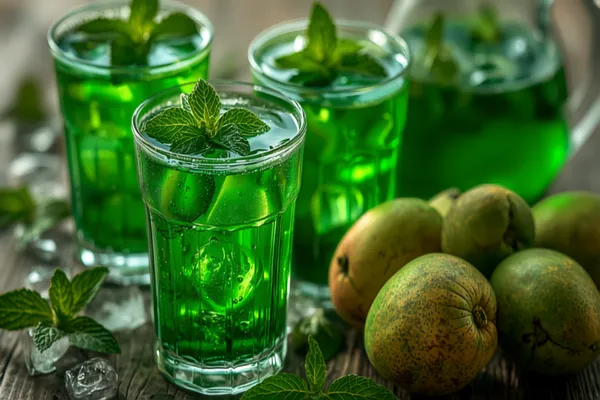
Aam Panna (Raw Green Mango Summer Cooler)
India's tangy, jade-green raw-mango cooler — roasted or boiled green mangoes blended with cumin, black salt and mint. The traditional heat-stroke remedy that tastes like summer.
Pan-Indian (North & West India) · Indian
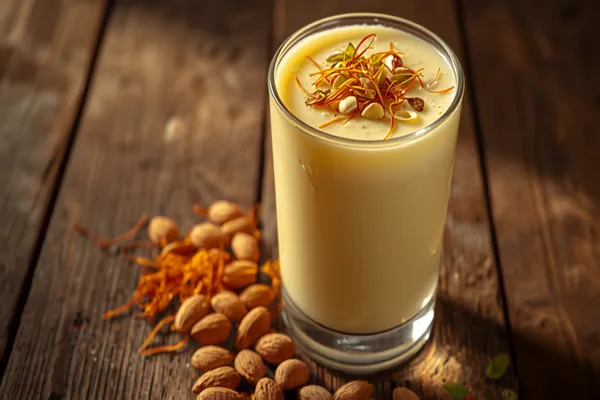
Badam Milk (Saffron Almond Milk)
Milk simmered with a paste of soaked almonds, saffron, cardamom and a whisper of nutmeg — India's rich, fragrant almond drink. Comforting served warm in winter, reviving served chilled in summer, festive any time.
Pan-Indian (Gujarat & West India especially) · Indian
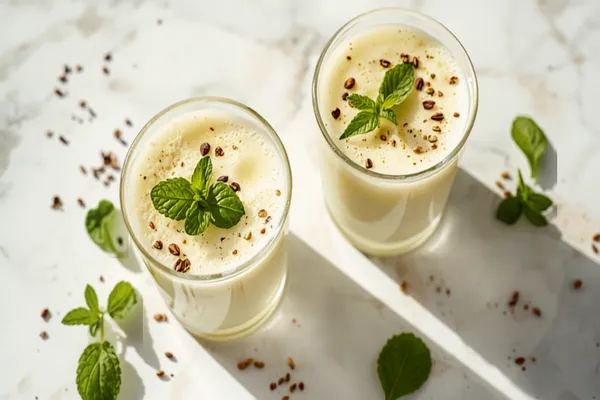
Chaas (Spiced Indian Buttermilk / Masala Chaas)
Whisked yogurt thinned with water and seasoned with cumin, green chilli, ginger and curry leaves — India's cooling, savoury buttermilk. A salty-tangy digestive that beats the heat and settles a heavy meal in two minutes.
From our kitchen community
Ratings & Reviews
My Rating
Tap a star to rate — no sign-in, no form needed.
My Review
0 Ratings
🥣 0 home cooks made it!
Be the first to rate Shorshe Ilish (Bengali Mustard Hilsa).
Related Recipes
West Bengal / East India · Indian
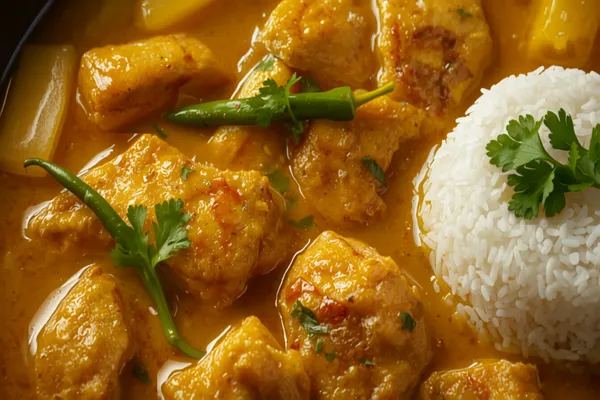
Macher Jhol (Bengali Fish Curry)
The everyday Bengali fish curry: lightly fried fish simmered in a thin, golden gravy of potatoes, tomato, and panch phoron-scented spice. Clean, comforting, and made to be eaten with a mound of rice.
West Bengal / East India · Indian
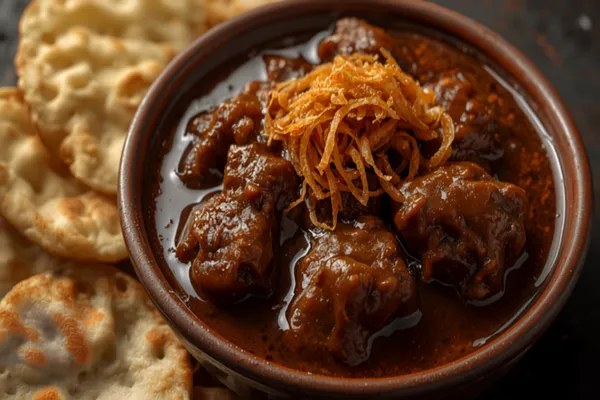
Kosha Mangsho (Bengali Slow-Cooked Mutton Curry)
Bengal's Sunday-best mutton: goat marinated in yogurt and mustard oil, then slow-cooked with onions and whole spices until the gravy turns dark, thick, and clinging. 'Kosha' means slow-fried — and the patience is the dish.
West Bengal / East India · Indian
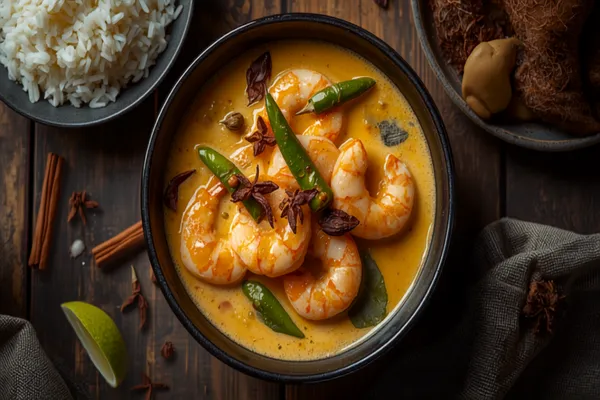
Chingri Malai Curry (Bengali Prawn Coconut Curry)
The Bengali feast-day prawn curry — plump golda prawns simmered in a silky coconut-milk gravy scented with whole garam masala, ginger and a whisper of sugar. Rich, gently sweet and unmistakably celebratory.