Mumbai, Maharashtra (Indian-Chinese) · Indian-Chinese
Gobi Manchurian (Crispy Indo-Chinese Cauliflower)
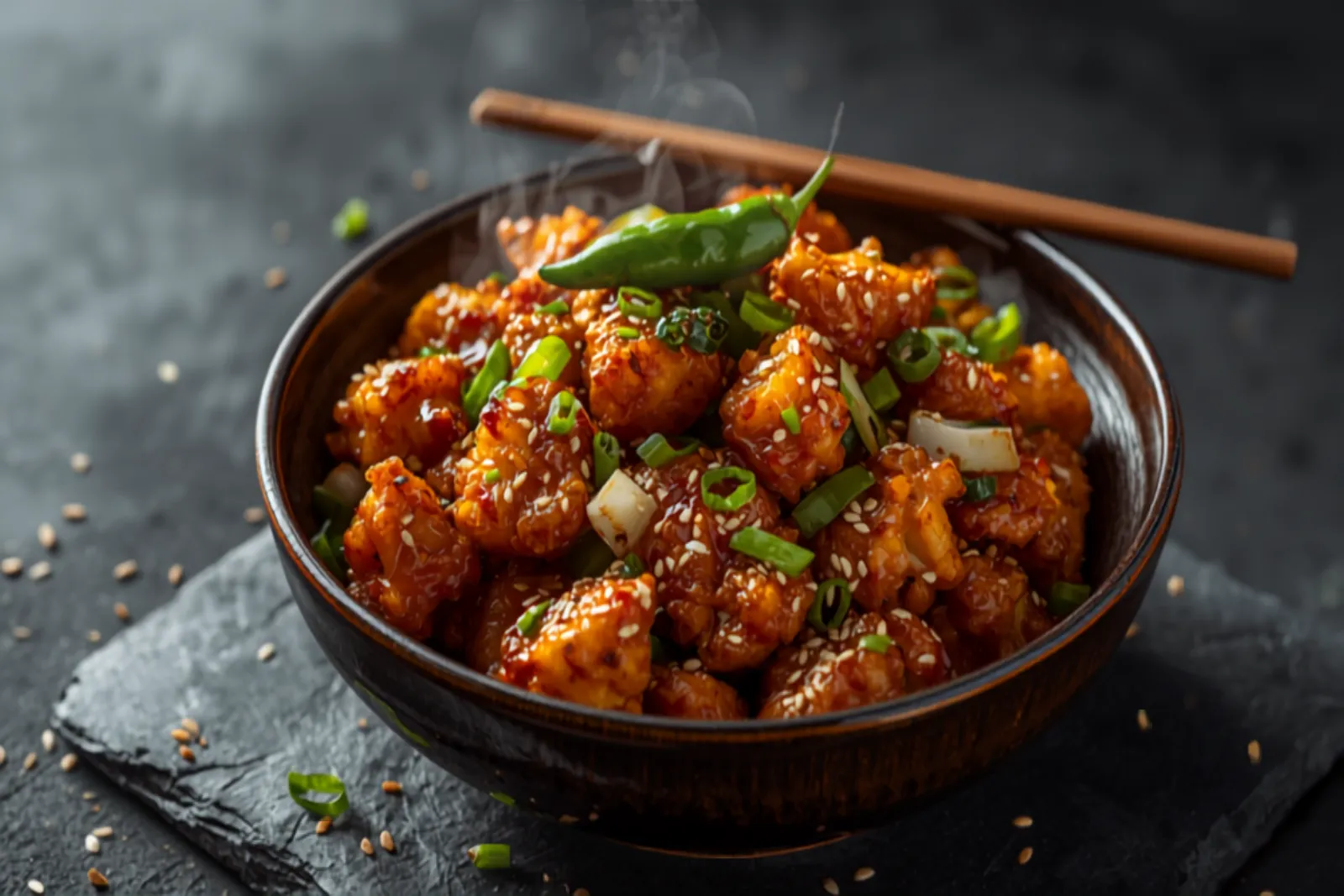
Battered, deep-fried cauliflower tossed in a glossy soy-chilli-garlic sauce — sweet, sour, hot and umami all at once. The dry-style Indo-Chinese starter that Nelson Wang's Mumbai kitchen made a nationwide obsession.
Published August 2, 2026
Cultural context
Manchurian is Indian-Chinese, not Chinese: chef Nelson Wang created the first Manchurian at Mumbai's Cricket Club of India in 1975 by folding Indian aromatics — ginger, garlic and green chilli — into Chinese soy and vinegar. The cauliflower (gobi) version became the vegetarian anchor of India's beloved 'Chinese' street stalls and roadside vans.
Gobi Manchurian is the crown of India’s beloved “Chinese” street stalls — crisp battered cauliflower tossed in a dark, glossy sauce that hits sweet, sour, hot and savoury in the same bite. Despite the name, it is Indian-Chinese rather than Chinese: chef Nelson Wang cooked up the first Manchurian at Mumbai’s Cricket Club of India in 1975, seasoning Chinese soy and vinegar with the ginger, garlic and green chilli of an Indian kitchen. The cauliflower version became the vegetarian anchor of a whole cuisine cooked in roaring woks on roadside carts from Kolkata’s Tangra lanes to Bengaluru’s late-night vans.
What “Manchurian” actually means
Manchurian isn’t a place on this plate — it’s a method. You rough-chop a main ingredient (here, cauliflower), deep-fry it crisp, and toss it in a soy-based glaze loud with ginger, garlic and chilli. The same technique gives you chicken, paneer or gobi Manchurian. Understanding it as a style rather than a fixed recipe is what lets you cook it confidently.
Why the batter is flour and cornflour
Plain flour alone bakes into a bready shell; cornflour alone slides off. The classic ratio leans on cornflour for a glassy, brittle crust with just enough plain flour to hold it to the floret. Keep the batter cold and thick — it should coat a floret like heavy cream — and fry in small batches so the oil stays hot and the coating sets before the cauliflower steams.
The dry-versus-gravy fork in the road
Street stalls serve gobi Manchurian dry — a clinging glaze, meant to be picked up with a toothpick — while restaurants often offer a gravy version thickened with stock and cornflour to eat over noodles or fried rice. Both start identically; the only difference is how much liquid you reduce. This recipe is the dry starter, but the variations note how to take it saucy.
Timing is everything
The one rule roadside cooks never break: sauce the gobi at the very last second. Build your aromatics and sauce while the florets fry, get everything screaming hot, then toss and serve within a minute. Wait, and the crust you worked for turns to mush.
Pair it with garlic noodles for a full Indo-Chinese spread, or explore more crowd-favourite starters in our world classics guide.
Ingredients
For the cauliflower
- 1 medium head (about 500 g) cauliflower Cut into bite-size florets with a little stalk on each so they hold together in the fryer.
- 6 tbsp all-purpose flour (maida)
- 4 tbsp cornflour (cornstarch) The cornflour is what turns the crust glassy and crisp — don't swap it all for plain flour.
- 1 tsp ginger-garlic paste
- 1/2 tsp Kashmiri red chilli powder For a natural orange-red colour and gentle heat, no artificial food colour needed.
- 1/4 tsp black pepper
- to taste salt
- about 120 ml (1/2 cup) cold water Add gradually — you want a batter that coats a floret like thick cream.
- for deep-frying neutral oil
For the sauce
- 2 tbsp neutral oil
- 1 tbsp garlic, finely chopped
- 1 tbsp ginger, finely chopped
- 2–3 green chillies, slit
- 1 small green capsicum (bell pepper), diced
- 1 small onion, diced into petals Keep the layers separate so they stay crunchy.
- 3 spring onions, whites and greens separated
- 2 tbsp light soy sauce
- 1 tbsp red chilli sauce (or sriracha)
- 1 tbsp tomato ketchup Ketchup is the roadside-stall secret — it balances the soy and vinegar with a little sweetness and body.
- 1 tsp rice vinegar (or white vinegar)
- 1/2 tsp sugar
- 1 tsp cornflour, slaked in 3 tbsp water Optional — for a light glaze that clings to the florets in the dry style.
Method
Tap a step’s number to check it off as you go.
-
Blanch the florets: drop them into just-boiled salted water, rest 5 minutes off the heat, then drain and pat completely dry.
Why: A short soak cleans the tightly packed florets and softens them just enough to cook through in the fryer before the crust burns; drying them lets the batter grip.
-
Whisk the flour, cornflour, ginger-garlic paste, chilli powder, pepper and salt with cold water into a smooth, thick coating batter. Fold the florets through until evenly coated.
Why: The flour-plus-cornflour ratio gives a crust that is crisp rather than bready, and cold water keeps the batter from turning gluey.
-
Heat oil to 175°C (medium-high) and fry the florets in batches until deep golden and crisp, 3–4 minutes. Drain on a rack, not paper.
Why: Frying in batches keeps the oil hot so the coating sets fast; a rack lets steam escape so the underside stays crunchy.
-
For extra crunch, fry a second time for 60 seconds just before saucing.
Why: A quick double-fry drives off surface moisture and gives the shatter-crisp texture that survives the wet sauce.
-
In a wide pan or wok, heat 2 tbsp oil until shimmering. Add garlic, ginger, green chillies and spring-onion whites; stir-fry 30 seconds, then add the capsicum and onion and toss on high heat for 1 minute.
Why: Aromatics go in first to bloom in hot oil; the vegetables are kept barely cooked so they stay crunchy against the soft-crisp gobi.
-
Add soy sauce, chilli sauce, ketchup, vinegar and sugar. If using, stir in the slaked cornflour and let the sauce thicken to a glaze, about 30 seconds.
Why: The sauce is built in the pan and reduced quickly so it coats rather than pools — dry Manchurian should glisten, not swim.
-
Tip in the hot fried cauliflower and toss hard over high heat for under a minute, just to coat. Finish with spring-onion greens and serve at once.
Why: Saucing at the last second and serving immediately is the whole game — wait and the crust goes soggy.
A quick, anonymous tap — no review needed.
Variations
- Gravy Manchurian
Loosen the sauce with 250 ml vegetable stock and a little extra slaked cornflour for a saucy version to spoon over fried rice or hakka noodles.
- Gluten-free
Use only cornflour (plus 1 tbsp rice flour) in the batter and swap soy sauce for tamari.
- Air-fryer / baked
Toss battered florets with a little oil and air-fry at 200°C for 15–18 minutes, shaking halfway, then sauce as usual — lighter, though less shatter-crisp.
Serving & Storage
Serve piping hot as a starter with extra green chilli and a wedge of lime, or turn it into a meal alongside veg fried rice or hakka noodles.
Pairs with: Vegetable fried rice, Hakka noodles, Schezwan chutney, Chilled beer or a cola.
Storage: Best eaten immediately. Leftovers keep 1 day refrigerated; re-crisp the plain fried florets in a hot oven or air-fryer, then re-toss in fresh sauce — pre-sauced gobi turns soft.
Nutrition
Per serving (1 starter portion)
- Calories
- 260
- Protein
- 5 g
- Carbs
- 30 g
- Fat
- 13 g
- Fiber
- 4 g
- Sugar
- 6 g
- Sodium
- 720 mg
Notable micronutrients: Vitamin C, Vitamin K, Folate
Estimated using standard ingredient data. Values vary with brands and substitutions.
Frequently Asked Questions
Is Gobi Manchurian a Chinese dish?
No — it's Indian-Chinese (also called Indo-Chinese or 'Hakka' Chinese in India). Chef Nelson Wang created the first Manchurian in Mumbai in 1975 by seasoning Chinese cooking techniques for Indian palates. You won't find it in China; it's a genuinely Indian invention.
How do I keep the cauliflower crispy and not soggy?
Three things: dry the blanched florets thoroughly, double-fry them, and sauce them at the very last moment over high heat, then serve straight away. Making the sauce ahead and tossing just before serving is the trick roadside stalls use.
Can I make it less spicy for kids?
Yes — leave out the green chillies and the red chilli sauce, lean on the Kashmiri chilli powder (which is mild) and ketchup for colour and flavour, and it becomes a gently sweet-savoury dish everyone can share.
What to drink with this
All drinks →Hand-picked pours to match this dish.

North & West India (peak-summer drink across the subcontinent) · Indian
Aam Panna (Raw Green Mango Summer Cooler)
India's tangy, jade-green raw-mango cooler — roasted or boiled green mangoes blended with cumin, black salt and mint. The traditional heat-stroke remedy that tastes like summer.
Pan-Indian (North & West India) · Indian
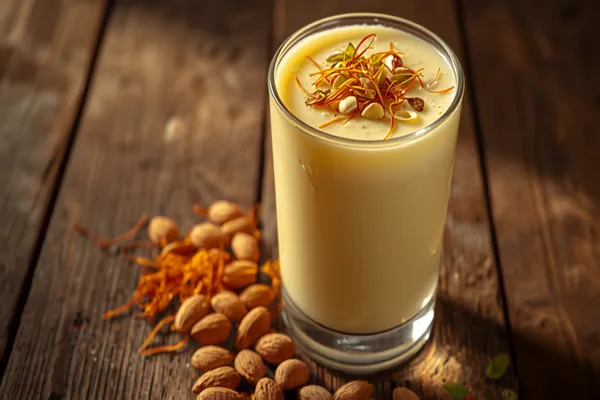
Badam Milk (Saffron Almond Milk)
Milk simmered with a paste of soaked almonds, saffron, cardamom and a whisper of nutmeg — India's rich, fragrant almond drink. Comforting served warm in winter, reviving served chilled in summer, festive any time.

Pan-Indian (Gujarat & West India especially) · Indian
Chaas (Spiced Indian Buttermilk / Masala Chaas)
Whisked yogurt thinned with water and seasoned with cumin, green chilli, ginger and curry leaves — India's cooling, savoury buttermilk. A salty-tangy digestive that beats the heat and settles a heavy meal in two minutes.
From our kitchen community
Ratings & Reviews
My Rating
Tap a star to rate — no sign-in, no form needed.
My Review
0 Ratings
🥣 0 home cooks made it!
Be the first to rate Gobi Manchurian (Crispy Indo-Chinese Cauliflower).
Related Recipes
Punjab / North India · Indian
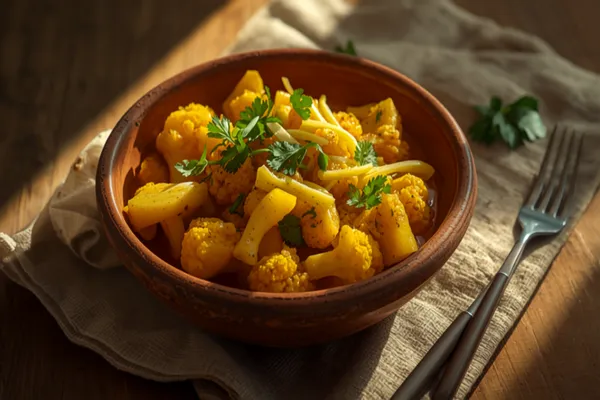
Aloo Gobi (Potato and Cauliflower Curry)
The everyday North Indian dry curry: potatoes and cauliflower cooked with turmeric, cumin and ginger until golden and tender. Simple, vegan, and a benchmark home dish.
Punjab / North India · Indian
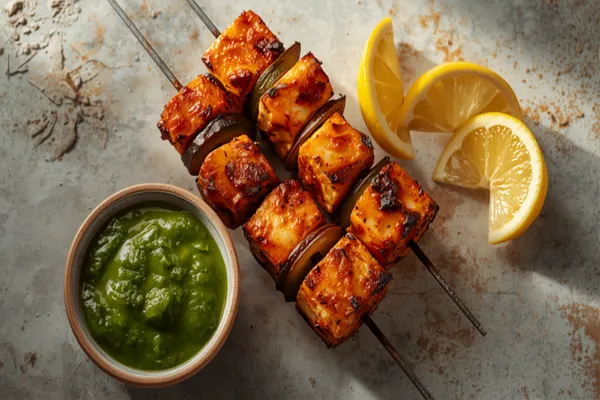
Paneer Tikka (Spiced Grilled Paneer)
India's favourite vegetarian starter: cubes of paneer and peppers marinated in spiced yogurt and charred until smoky-edged. The veg counterpart to chicken tikka, off the grill or under the broiler.
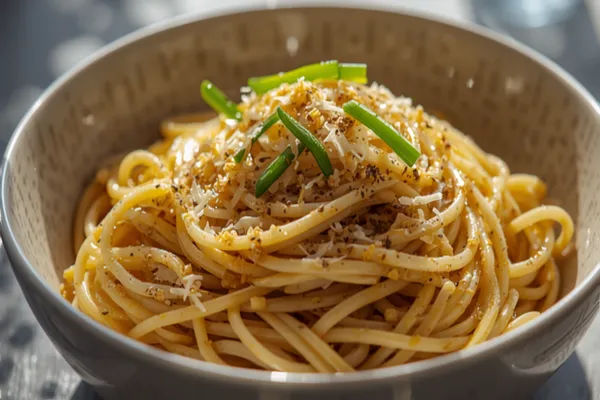
San Francisco, California · American (Vietnamese-American)
Garlic Noodles (San Francisco–Style)
The wildly garlicky noodles born in San Francisco's Vietnamese-American kitchens: springy noodles tossed in a buttery, umami-loaded sauce of garlic, fish sauce, oyster sauce, and parmesan. Ready in 20 minutes and dangerously addictive.
Further reading
- Cultural Story · InternationalWorld Classics: A Cook's Tour Beyond IndiaTable & Traditions is India-first, but the world has a place at this table too. A guide to our curated international slice — the European, East Asian, Southeast Asian, Middle Eastern and North African, and American dishes worth cooking, and where to begin with each.
- Cultural Story · West IndiaA Complete Guide to West Indian CookingFour very different states, one coast: Maharashtra's street food and fiery Kolhapuri curries, Gujarat's sweet-savoury vegetarian thali, Goa's twin Hindu and Catholic kitchens, and Rajasthan's desert cooking. A guide to western India's table.