Greece (pan-Hellenic) · Greek
Horiatiki (Greek Village Salad)
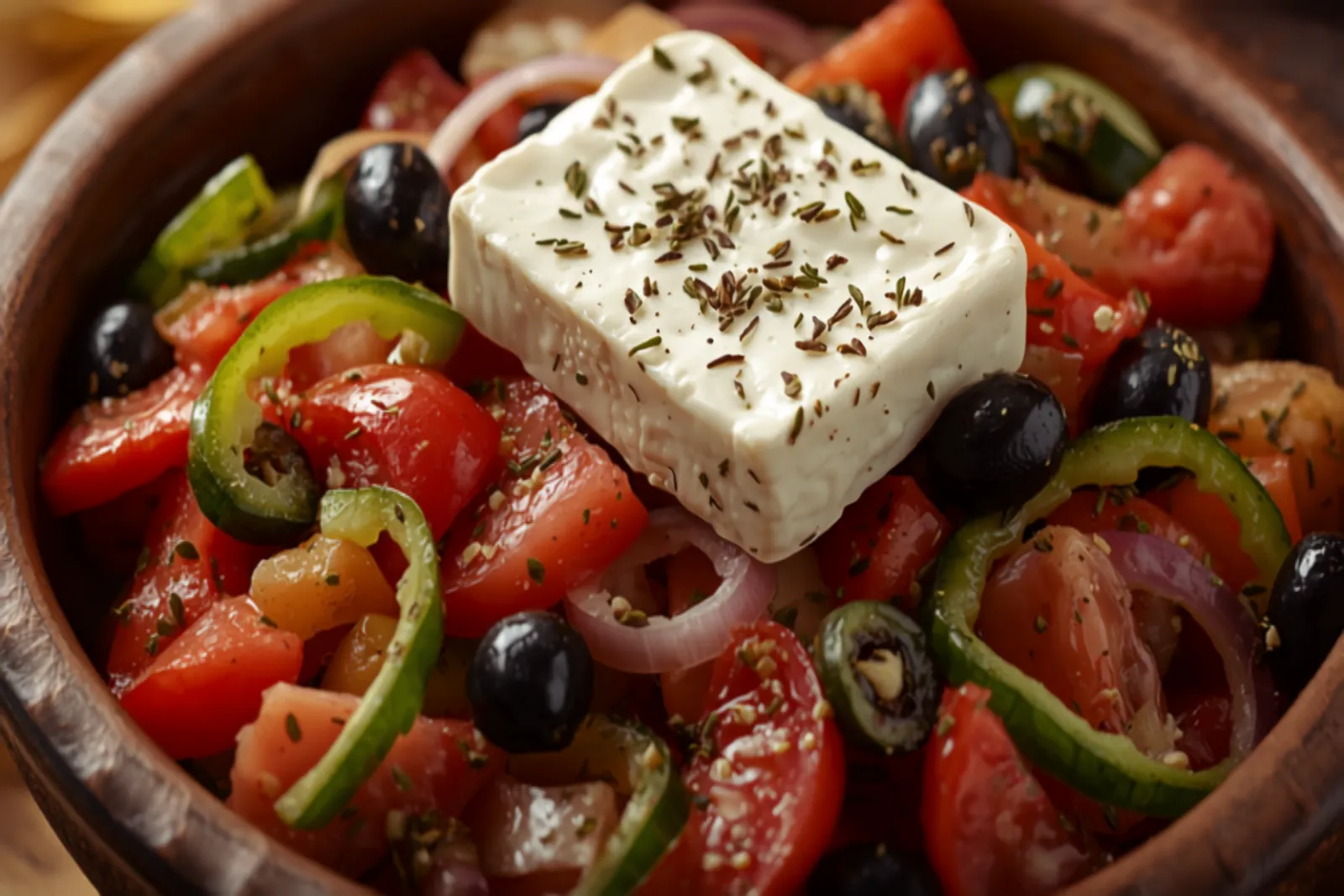
The real Greek salad: ripe tomatoes, cucumber, green pepper, red onion and Kalamata olives under a thick slab of feta, dressed with nothing but good olive oil, oregano and salt. No lettuce, no vinaigrette — just summer on a plate.
Published June 24, 2026
Cultural context
Horiatiki — literally 'village salad' — is the salad Greeks actually eat: built entirely on ripe summer vegetables, with a whole slab of feta laid on top rather than crumbled in. The familiar lettuce-and-bottled-dressing 'Greek salad' of diners abroad would be unrecognisable in a taverna. Its honesty is the point: it lives or dies on the quality of the tomatoes and the oil.
The salad most of the world calls “Greek” — lettuce, bottled dressing, a few crumbs of cheese — would baffle a Greek cook. The real thing is horiatiki, the village salad: ripe tomatoes, cucumber, green pepper, red onion and Kalamata olives, with a thick slab of feta laid on top and nothing to dress it but good olive oil, dried oregano and salt. It is one of the simplest dishes in this whole collection, and one of the least forgiving.
It’s about the ingredients, not the technique
With this few components and no cooking, there is nowhere to hide. The tomatoes must be genuinely ripe and full of flavour — out of season, this salad simply doesn’t work. The olive oil should be a bottle you’d be happy to taste on its own, because you essentially are. The feta should be real Greek barrel-aged feta, and it goes on as a whole slab, sprinkled with oregano, not crumbled through.
The best part is at the bottom
Salt the tomatoes first so they release a little sweet juice; that juice mixes with the olive oil to make the dressing that pools at the bottom of the bowl. The Greeks call mopping it up with bread papara, and it’s not an afterthought — it’s the reason to serve horiatiki with a good loaf alongside.
Build the rest of the meal with souvlaki and spanakopita, or browse the full recipe collection.
Ingredients
For the salad
- 4 large ripe tomatoes The single most important ingredient. Use the best, ripest summer tomatoes you can find; cut into wedges or thick chunks.
- 1 cucumber Half-peeled in stripes if the skin is thick; cut into thick half-moons.
- 1 green bell pepper Thinly sliced into rings. The slightly bitter green pepper is traditional, not red.
- 1/2 red onion, thinly sliced
- 1 generous handful Kalamata olives Whole, with stones — far better flavour than pitted.
- 1 thick slab (about 150 g) Greek feta Laid whole on top, not crumbled. Barrel-aged sheep's-milk feta if possible.
For the dressing
- 4 tbsp extra-virgin olive oil The good bottle. This is half the dish.
- 1 tsp dried Greek oregano
- salt A little flaky salt over the tomatoes and the feta. No vinegar or lemon in the strict traditional version.
Method
Tap a step’s number to check it off as you go.
-
Cut the tomatoes into wedges and salt them lightly in the serving bowl.
Why: Salting the tomatoes first draws out a little sweet juice that becomes part of the dressing at the bottom of the bowl.
-
Add the cucumber, green pepper rings, red onion and olives. Toss gently.
Why: A light hand keeps the vegetables distinct and crisp rather than bruised and weeping.
-
Lay the whole slab of feta on top — do not crumble it in.
Why: The slab on top, sprinkled with oregano, is the visual and textural signature of horiatiki; you break into it at the table.
-
Drizzle everything generously with olive oil and scatter oregano over the feta and salad.
Why: Good oil and dried oregano are the only dressing the salad needs — they pull the whole thing together.
-
Serve immediately, with bread to mop the bowl.
Why: Left to sit, the vegetables go limp; the bowl of tomato-and-oil juices at the end (the papara) is the best part and meant for bread.
A quick, anonymous tap — no review needed.
Variations
- With capers (island style)
Aegean island versions often add a spoon of capers or a few caper leaves for a briny, peppery edge.
- Dakos-style
Spoon the salad and its juices over a dried barley rusk (paximadi) so the bread softens — the Cretan cousin of horiatiki.
- Vegan
Leave off the feta and add extra olives and a few thin slices of avocado; finish with extra oregano.
Serving & Storage
Serve as part of a meze spread or alongside grilled meat and fish. Always with crusty bread to soak up the oil and tomato juices at the bottom of the bowl.
Pairs with: Grilled souvlaki, Crusty bread, Ouzo or a crisp white.
Storage: Best eaten the moment it's made. Undressed components keep a day refrigerated, but once dressed the salad softens within a couple of hours.
Nutrition
Per serving (1/4 salad)
- Calories
- 250
- Protein
- 7 g
- Carbs
- 10 g
- Fat
- 21 g
- Fiber
- 3 g
- Sugar
- 6 g
- Sodium
- 560 mg
Notable micronutrients: Vitamin C, Vitamin A, Calcium, Potassium
Estimated using standard ingredient data. Values vary with brands and substitutions.
Frequently Asked Questions
Where's the lettuce?
There isn't any. A true horiatiki is built on summer vegetables and feta — the lettuce-based 'Greek salad' is a diner invention. Keeping it lettuce-free is what makes it authentic.
Should I add vinegar or lemon?
The strict traditional dressing is just olive oil, oregano and salt — the tomatoes and olives supply the acidity. A splash of red wine vinegar is common in home versions if you like it sharper.
Why a whole slab of feta?
It's the signature presentation and it keeps the cheese in meaningful, creamy bites rather than scattered crumbs. Sprinkle it with oregano and break into it at the table.
What to drink with this
All drinks →Hand-picked pours to match this dish. Alcoholic pairings are for adults of legal drinking age (21+ in the US) — please drink responsibly.
 21+
21+ Florence, Italy (Tuscan aperitivo tradition) · Italian
Negroni (The Perfect Three-Part Aperitivo)
Equal parts gin, Campari and sweet vermouth, stirred over ice with an orange peel. Italy's great bitter aperitivo — the easiest world-class cocktail to remember and one of the hardest to improve on.
 21+
21+ American cocktail bars (via Italian amaretto) · Italian-American
Amaretto Sour (Almond Liqueur, Lemon & a Bourbon Backbone)
The grown-up amaretto sour: nutty almond liqueur balanced with fresh lemon, a splash of bourbon for backbone, and egg white for a silky foam. Sweet-tart, almond-scented and far better than the neon bar version.

Jamaica & the Caribbean; England · Caribbean / British
Ginger Beer (Homemade, Fiery & Non-Alcoholic)
Fresh ginger, lime and sugar carbonated into a spicy, bracing brew — the real thing, far hotter than anything bottled. A Caribbean and British favourite that's the backbone of the Moscow Mule and Dark 'n' Stormy, and a sensational soda on its own.
From our kitchen community
Ratings & Reviews
My Rating
Tap a star to rate — no sign-in, no form needed.
My Review
0 Ratings
🥣 0 home cooks made it!
Be the first to rate Horiatiki (Greek Village Salad).
Related Recipes
Greece (pan-Hellenic) · Greek
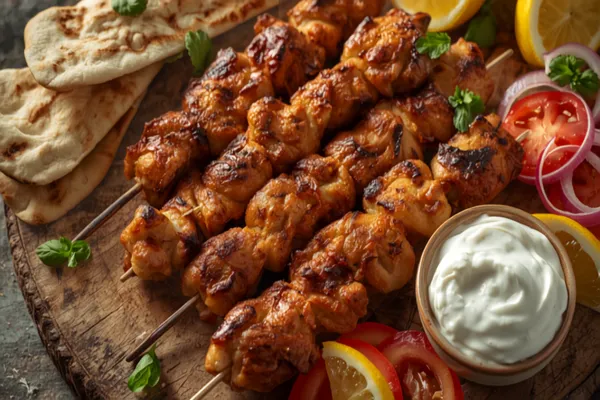
Chicken Souvlaki (Greek Lemon-Oregano Skewers)
Greece's great street food: chunks of chicken marinated in olive oil, lemon, garlic and oregano, threaded on skewers and grilled over high heat until charred and juicy. Served with warm pita, tzatziki, and a squeeze of lemon.
Greece · Greek
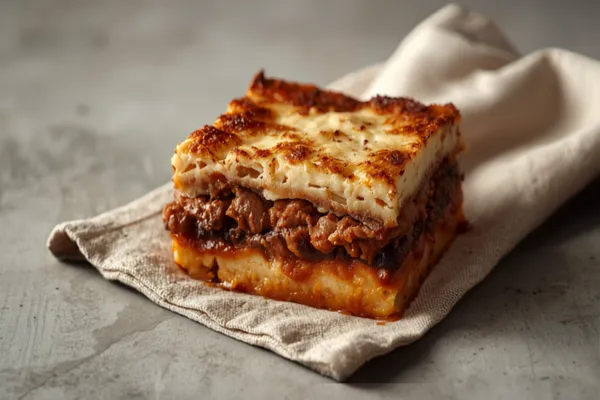
Greek Moussaka (Layered Eggplant and Lamb Bake)
Greece's grand baked casserole: layers of roasted eggplant and potato over a cinnamon-scented lamb ragù, crowned with a thick blanket of béchamel that bakes into a golden, custardy top. A make-ahead showpiece worth every step.
Greece (pan-Hellenic) · Greek
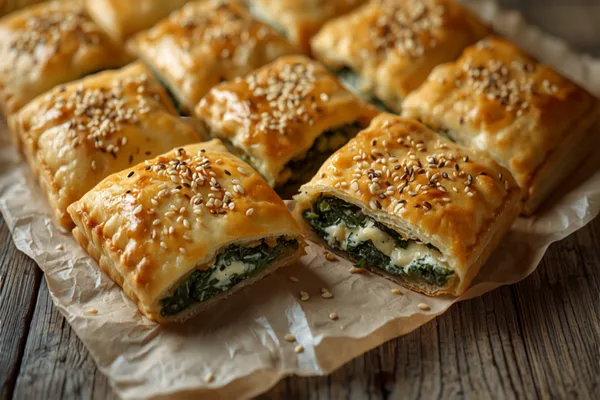
Spanakopita (Greek Spinach and Feta Pie)
The great Greek spinach pie: a generous filling of wilted spinach, herbs, scallions and sharp feta, baked between shatteringly crisp layers of butter-and-oil brushed phyllo. Cut into squares, served warm or at room temperature.