Greece (pan-Hellenic) · Greek
Spanakopita (Greek Spinach and Feta Pie)
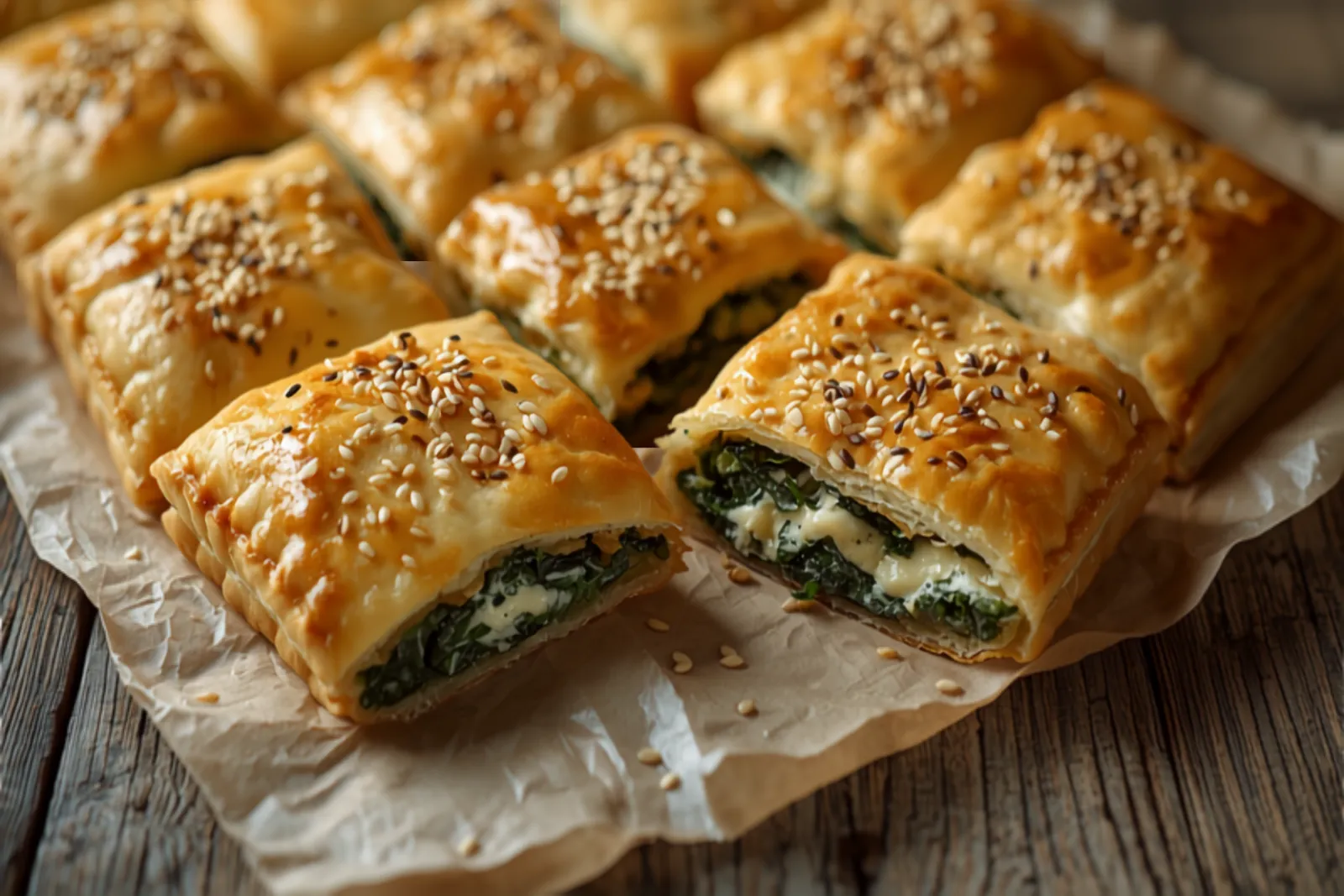
The great Greek spinach pie: a generous filling of wilted spinach, herbs, scallions and sharp feta, baked between shatteringly crisp layers of butter-and-oil brushed phyllo. Cut into squares, served warm or at room temperature.
Published June 24, 2026
Cultural context
Spanakopita belongs to Greece's vast family of savoury pittes — pies wrapped in paper-thin phyllo. Every region and household has its own version, from the spinach-heavy mainland pie to island versions enriched with wild greens (horta). It is everyday food: sold by the slab in bakeries, packed for journeys, and laid out as part of any meze table.
Spanakopita is the most famous member of Greece’s enormous family of savoury pies — paper-thin phyllo wrapped around a filling of spinach, herbs and sharp feta, baked until the pastry shatters at the touch of a knife. It is everyday food in Greece: sold by the slab in every bakery, packed for long journeys, and set out as part of any meze spread. Served warm or at room temperature, it is equally at home as a light main, a starter, or a picnic centrepiece.
The filling has to be dry
If there is one rule, it is this: get the water out of the spinach. Wilted fresh spinach or thawed frozen spinach both hold an astonishing amount of liquid, and any that’s left behind will steam the bottom layers into a soggy mat. Squeeze it in a clean towel until it feels almost dry. The feta should be real Greek barrel-aged feta — tangy, salty, made from sheep’s milk — crumbled in generously, with dill as the defining herb and a little egg to bind everything so the pie slices cleanly.
Layering for shatter
The crisp comes from treating each sheet of phyllo as its own thin, separately-crisping layer, brushed with olive oil (or oil and butter). Work quickly, keep the unused sheets under a damp towel so they don’t dry and crack, and don’t be stingy with the oil between layers — that’s the difference between flaky and papery. Score the top into squares before baking so steam escapes and the finished pie cuts without collapsing.
Want the rest of the Greek table? Try the layered moussaka and a village salad, or browse the full recipe collection.
Ingredients
For the filling
- 900 g spinach Fresh, washed; or 500 g frozen leaf spinach, thawed. Squeeze bone-dry either way.
- 1 bunch (about 6) scallions / spring onions White and green, finely sliced.
- 1 small bunch fresh dill Chopped. Dill is the classic herb here; flat-leaf parsley can join it.
- 250 g Greek feta Barrel-aged sheep's or sheep-and-goat feta. Crumble; do not substitute mild supermarket cubes if you can help it.
- 2 eggs Beaten — they bind the filling.
- to taste black pepper and grated nutmeg Salt sparingly; the feta is already salty.
For the pastry
- 1 packet (about 400 g, 12-16 sheets) phyllo / filo pastry Thawed in the fridge overnight. Keep covered with a damp towel while you work.
- 120 ml olive oil, or half olive oil and half melted butter For brushing every layer. Butter adds flavour and colour; all-oil keeps it dairy-lighter.
To finish
- 1 tbsp sesame seeds (optional)
Method
Tap a step’s number to check it off as you go.
-
Wilt the fresh spinach in a dry or barely-oiled pan until collapsed, cool, then squeeze out every drop of liquid. (Frozen spinach: just thaw and squeeze.)
Why: Wet spinach is the one thing that ruins spanakopita — it steams the bottom phyllo into a soggy mat. Dry filling is non-negotiable.
-
Mix the squeezed spinach with scallions, dill, crumbled feta, beaten egg, pepper and nutmeg.
Why: The egg sets the filling so it slices cleanly instead of spilling; the herbs and feta carry the flavour.
-
Brush a baking tray with oil. Lay a sheet of phyllo, brush it lightly with oil, and repeat for half the sheets, letting the edges overhang.
Why: Each thin, oiled layer crisps separately — that's where the shatter comes from. Skimping on oil between sheets gives you dense, papery pastry.
-
Spread the filling evenly over the base layers. Fold the overhang in, then top with the remaining sheets, oiling each one. Tuck the edges down neatly.
Why: Folding and tucking seals the pie so the filling doesn't leak and the edges don't burn.
-
Brush the top with oil, scatter sesame seeds, and score the top layers into squares with a sharp knife — don't cut all the way through.
Why: Pre-scoring lets steam escape and makes the baked pie easy to cut without shattering the whole top.
-
Bake at 180°C/350°F for 40-50 minutes until deep golden and crisp all over. Rest 15 minutes before cutting.
Why: Resting lets the filling firm up so the squares hold together. Cutting it straight from the oven gives you a landslide.
A quick, anonymous tap — no review needed.
Variations
- Hortopita (mixed greens)
Replace up to half the spinach with chard, kale or wild greens for a more rustic, slightly bitter pie closer to the village original.
- Individual triangles
Cut phyllo into long strips, spoon filling at one end, and fold flag-style into triangles. Brush and bake 20-25 minutes — ideal for a meze platter.
- Lighter
Use all olive oil and brush thinly; the pie is still crisp with noticeably less fat than an all-butter version.
Serving & Storage
Serve warm or at room temperature, cut into squares. Wonderful with a bowl of thick yogurt, a tomato-and-cucumber salad, and a few olives.
Pairs with: Greek salad, Thick yogurt, Assyrtiko or another crisp white.
Storage: Keeps 3 days refrigerated; re-crisp in a hot oven (never the microwave, which turns the phyllo limp). Unbaked, it freezes well — bake from frozen, adding 10-15 minutes.
Nutrition
Per serving (1 square (1/8 tray))
- Calories
- 320
- Protein
- 11 g
- Carbs
- 24 g
- Fat
- 21 g
- Fiber
- 3 g
- Sugar
- 2 g
- Sodium
- 560 mg
Notable micronutrients: Vitamin A, Iron, Calcium, Folate
Estimated using standard ingredient data. Values vary with brands and substitutions.
Frequently Asked Questions
How do I stop the bottom going soggy?
Two things: squeeze the spinach until it's genuinely dry, and brush the base sheets generously with oil so they fry-crisp rather than absorb moisture. Baking on a preheated tray or the oven floor for the first 10 minutes helps too.
My phyllo keeps cracking — what am I doing wrong?
Phyllo dries out in seconds. Keep the stack covered with a barely-damp tea towel and only pull one sheet at a time. A few tears don't matter once it's layered — just oil and carry on.
Can I make it ahead?
Yes. Assemble the whole pie and refrigerate unbaked for a day, or freeze it. Bake fresh for the crispest result; reheated baked spanakopita is good but never quite as shattering.
What to drink with this
All drinks →Hand-picked pours to match this dish. Alcoholic pairings are for adults of legal drinking age (21+ in the US) — please drink responsibly.
 21+
21+ Florence, Italy (Tuscan aperitivo tradition) · Italian
Negroni (The Perfect Three-Part Aperitivo)
Equal parts gin, Campari and sweet vermouth, stirred over ice with an orange peel. Italy's great bitter aperitivo — the easiest world-class cocktail to remember and one of the hardest to improve on.
 21+
21+ American cocktail bars (via Italian amaretto) · Italian-American
Amaretto Sour (Almond Liqueur, Lemon & a Bourbon Backbone)
The grown-up amaretto sour: nutty almond liqueur balanced with fresh lemon, a splash of bourbon for backbone, and egg white for a silky foam. Sweet-tart, almond-scented and far better than the neon bar version.
Jamaica & the Caribbean; England · Caribbean / British
Ginger Beer (Homemade, Fiery & Non-Alcoholic)
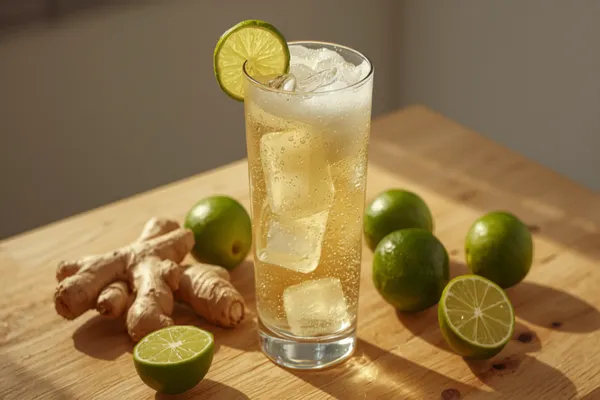
Fresh ginger, lime and sugar carbonated into a spicy, bracing brew — the real thing, far hotter than anything bottled. A Caribbean and British favourite that's the backbone of the Moscow Mule and Dark 'n' Stormy, and a sensational soda on its own.
From our kitchen community
Ratings & Reviews
My Rating
Tap a star to rate — no sign-in, no form needed.
My Review
0 Ratings
🥣 0 home cooks made it!
Be the first to rate Spanakopita (Greek Spinach and Feta Pie).
Related Recipes
Greece · Greek
Greek Moussaka (Layered Eggplant and Lamb Bake)
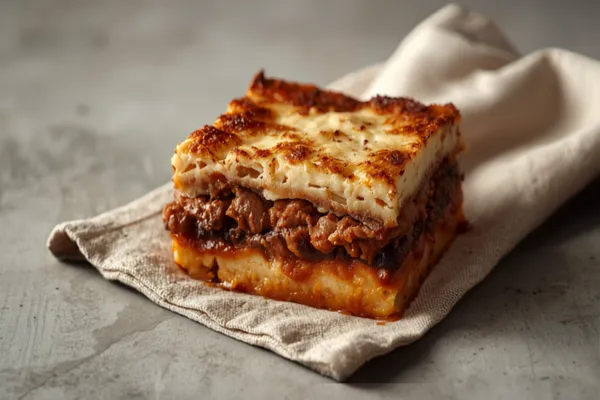
Greece's grand baked casserole: layers of roasted eggplant and potato over a cinnamon-scented lamb ragù, crowned with a thick blanket of béchamel that bakes into a golden, custardy top. A make-ahead showpiece worth every step.
Greece (pan-Hellenic) · Greek
Horiatiki (Greek Village Salad)
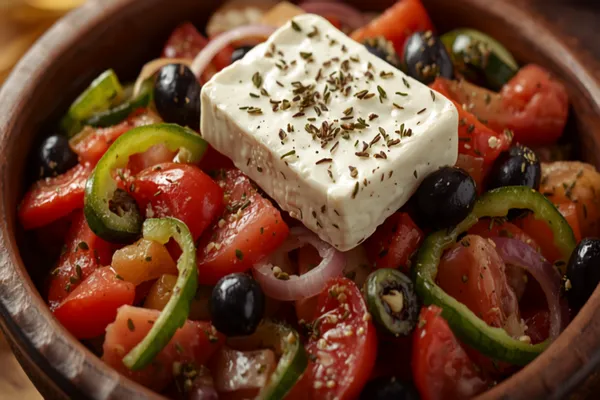
The real Greek salad: ripe tomatoes, cucumber, green pepper, red onion and Kalamata olives under a thick slab of feta, dressed with nothing but good olive oil, oregano and salt. No lettuce, no vinaigrette — just summer on a plate.
Greece (pan-Hellenic) · Greek
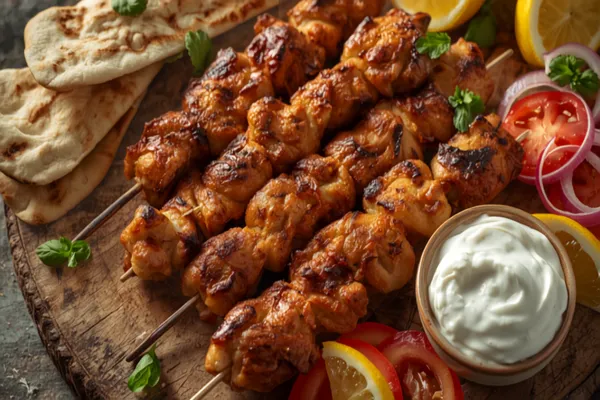
Chicken Souvlaki (Greek Lemon-Oregano Skewers)
Greece's great street food: chunks of chicken marinated in olive oil, lemon, garlic and oregano, threaded on skewers and grilled over high heat until charred and juicy. Served with warm pita, tzatziki, and a squeeze of lemon.
Adjara, on Georgia's Black Sea coast (Batumi) · Georgian
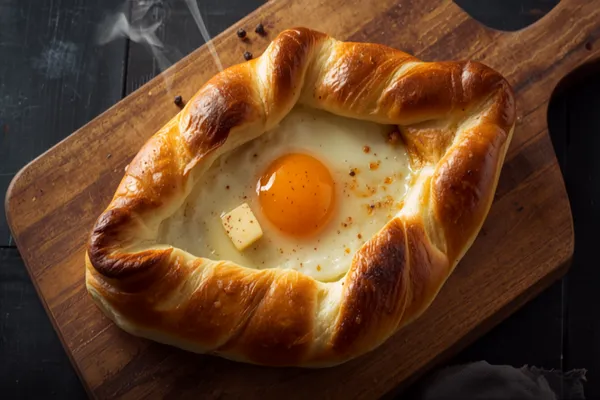
Khachapuri Adjaruli (Georgian Cheese Boat Bread)
The boat-shaped Georgian cheese bread of the Black Sea coast: a chewy, blistered crust cradling molten salty cheese, finished at the table with a raw yolk and a knob of butter stirred through. Tear, dip, repeat.
Gaziantep, south-eastern Anatolia — with living traditions across Greece, the Levant, Armenia and the Balkans · Turkish
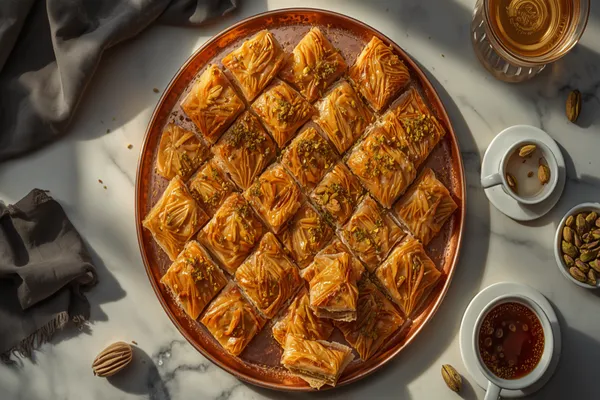
Baklava — Gaziantep Pistachio, Clarified Butter and Forty Sheets of Yufka
The best baklava is not the sweetest — it is the crispest. This is the Gaziantep way: a tray of tissue-thin pastry, ground green pistachio, clarified butter and a plain lemon-sharpened sugar syrup, cut before it bakes and drenched hot-on-cold so every layer shatters instead of sagging.