South Tyrol (Alto Adige), northern Italy · Italian
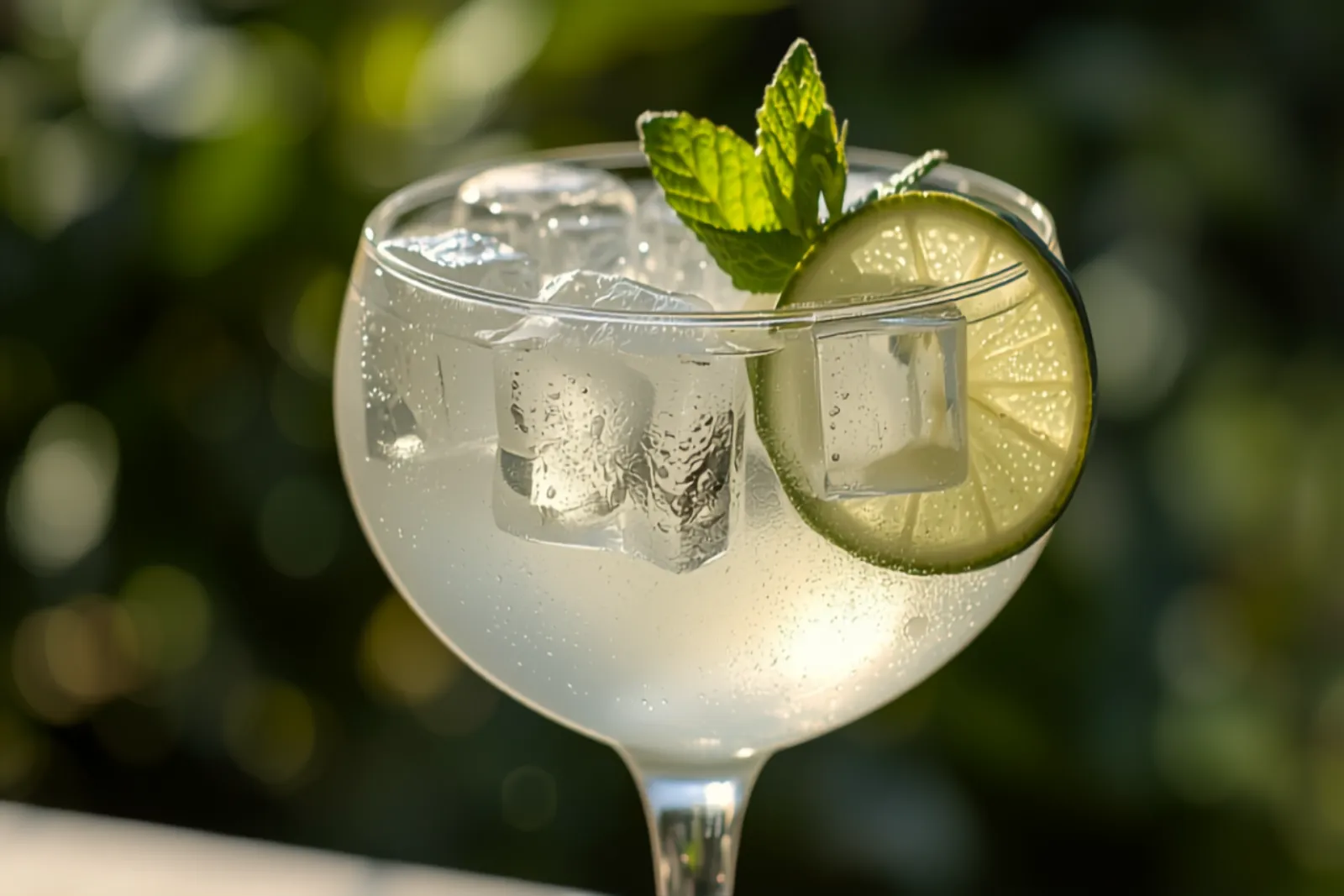
Hugo Spritz (Elderflower, Prosecco & Mint)
The lighter, floral spritz: elderflower and fresh mint with prosecco and soda over ice. Delicate, garden-fresh and less bitter than an Aperol Spritz — the Alpine aperitivo that's taken over summer.
Published July 11, 2026
Cultural context
The Hugo was invented around 2005 by bartender Roland Gruber in South Tyrol, the German-speaking Alpine region of northern Italy, as a lighter, floral alternative to the Aperol Spritz. Built on elderflower and mint rather than a bitter aperitivo, it spread across the Alps and then all of Europe as the fresh, easy-drinking spritz of choice. Proof that the spritz template welcomes almost any flavour.
The Hugo Spritz is the lighter, floral answer to the Aperol Spritz: elderflower and fresh mint with prosecco and soda over ice. Delicate, garden-fresh and far less bitter — invented around 2005 in Alpine South Tyrol and now the spritz of choice all across Europe.
Floral, not bitter
Where the Aperol Spritz leads with bitter orange, the Hugo leads with elderflower and mint — pale, perfumed and easy. Use elderflower liqueur for a little richness, or cordial for a lighter, lower-proof drink.
Keep it sparkling
Well-chilled prosecco, plenty of ice, one gentle stir. Press the mint softly rather than muddling it hard.
One of the spritz family
It’s proof the spritz family takes almost any flavour — swap in Campari and you’ve got a Sbagliato, limoncello and you’ve got a lemon spritz.
Ingredients
- 90 ml (3 oz) prosecco Well chilled. Any dry sparkling wine works, but prosecco is traditional.
- 30 ml (1 oz) elderflower liqueur or cordial St-Germain (liqueur) or an elderflower cordial both work; cordial makes it lower in alcohol.
- 30 ml (1 oz) soda water
- fresh mint sprigs and a lime or lemon slice, to garnish
- ice
Method
Tap a step’s number to check it off as you go.
-
Fill a large wine glass with ice and add the elderflower liqueur and a few mint leaves; gently press the mint.
Why: A gentle press (not a hard muddle) releases the mint's aroma without shredding it into bitter fragments.
-
Add the prosecco, then the soda water.
Why: Adding the wine before the soda keeps more sparkle; pour gently to preserve the bubbles.
-
Stir once and garnish with a fresh mint sprig and a citrus slice.
Why: One gentle stir combines without flattening the fizz; the mint sprig makes every sip smell like a garden.
A quick, anonymous tap — no review needed.
Variations
- Lower-ABV
Use elderflower cordial instead of liqueur, and top with extra soda, for a lighter spritz.
- Cucumber Hugo
Add a couple of cucumber slices with the mint for an even fresher, spa-like drink.
- The spritz family
Swap the flavour — Aperol for the classic bitter spritz, Campari and prosecco for a Sbagliato, limoncello for a lemon spritz.
Serving & Storage
The ideal warm-afternoon aperitivo — light, floral and low in alcohol. Serve very cold before dinner.
Pairs with: Prosciutto and melon, Bruschetta, Green olives, Soft cheeses.
Storage: Build to order so the prosecco stays sparkling and the mint stays fresh.
Nutrition
Per serving (1 drink (~180 ml))
- Calories
- 145
- Protein
- 0 g
- Carbs
- 14 g
- Fat
- 0 g
- Fiber
- 0 g
- Sugar
- 12 g
- Sodium
- 10 mg
Estimated using standard ingredient data. Values vary with brands and substitutions.
Frequently Asked Questions
What's the difference between a Hugo and an Aperol Spritz?
Both are prosecco-and-soda spritzes, but the Hugo is built on elderflower and mint, making it floral, delicate and pale, while the Aperol Spritz uses bitter orange Aperol, making it bitter-sweet and bright orange. The Hugo is the lighter, less bitter of the two.
Liqueur or cordial?
Elderflower liqueur (like St-Germain) adds a little alcohol and richness; non-alcoholic elderflower cordial makes a lighter, lower-proof drink. Both are traditional and delicious — use whichever you have, adjusting sweetness to taste.
How do I keep it fizzy?
Use well-chilled prosecco and soda, build over plenty of ice, and stir only once, gently. Adding the sparkling wine before the soda and pouring down the side of the glass also helps preserve the bubbles.
From our kitchen community
Ratings & Reviews
My Rating
Tap a star to rate — no sign-in, no form needed.
My Review
0 Ratings
🥣 0 home cooks made it!
Be the first to rate Hugo Spritz (Elderflower, Prosecco & Mint).
Related Recipes
Veneto, Northern Italy (Venice & Padua) · Italian
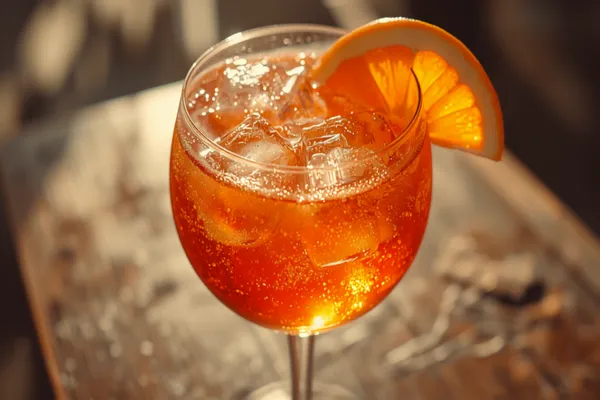
Aperol Spritz (The Italian Sunset Aperitivo)
Italy's golden-hour spritz: Aperol, Prosecco and soda over ice with an orange slice. The 3-2-1 ratio, why the order you pour matters, and the lightest world-famous aperitivo.
Paris (1920s) · French
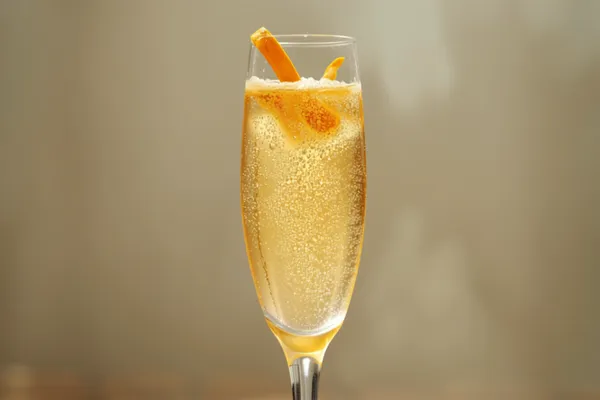
Mimosa (Champagne & Orange Juice)
The brunch classic done properly — cold sparkling wine and fresh orange juice in equal parts, poured in the right order so it stays bright and bubbly. The ratio, the order, and the wine that matters.
Paris (Harry's New York Bar, c. 1915) · French / American
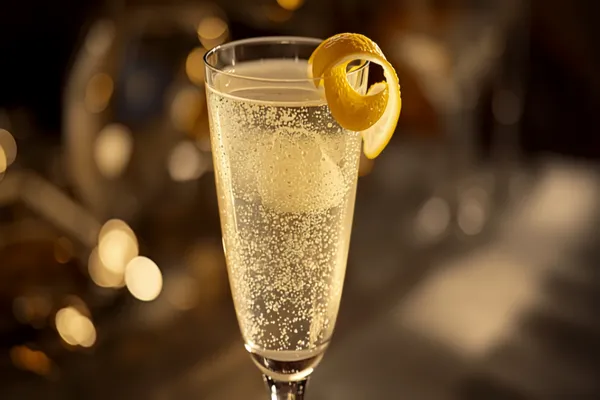
French 75 (Gin, Lemon & Champagne)
Gin and lemon shaken cold, then lengthened with Champagne — a sparkling, celebratory cocktail named for a field gun because it hits with a kick. Bright, elegant and dangerously easy to drink.
Havana, Cuba · Cuban
Mojito (Cuban Rum, Lime & Mint Highball)
Cuba's bright, minty rum cooler — white rum, fresh lime, sugar, mint and soda. How to muddle mint without making it bitter, and the right way to build a tall, refreshing mojito.