Maharashtra / West India · Indian
Misal Pav (Maharashtrian Sprouted Bean Curry)
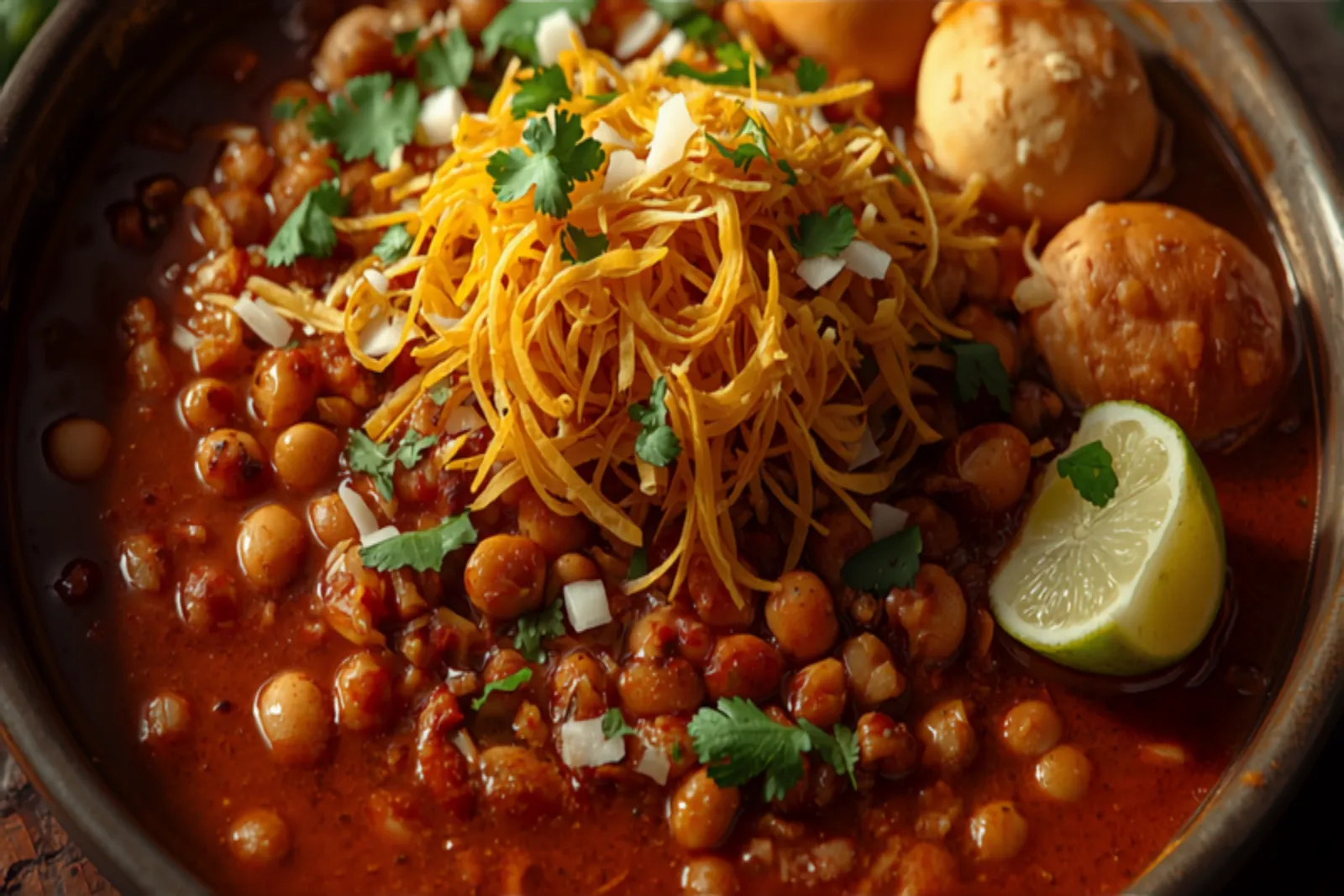
Maharashtra's fiery street-food breakfast: a spiced sprouted-moth-bean curry (usal) under a slick of spicy tarri gravy, topped with crunchy farsan, onion, and lime, scooped up with soft pav. Big, bold, and built for a crowd.
Published June 24, 2026
Cultural context
Misal pav is a Maharashtrian institution — a spicy sprouted-bean curry eaten for breakfast or as a hearty snack across the state, with famously fiery versions from Kolhapur and Puneri and Nashik styles each claiming superiority. The dish is assembled to order: usal at the base, spicy tarri ladled over, crunch and freshness piled on top, pav on the side.
Misal pav is Maharashtra at full volume: a spiced sprouted-bean curry (usal) drowned in a fiery red gravy (tarri), buried under crunchy farsan, raw onion, coriander, and lime, and scooped up with soft buttered pav. It’s a breakfast, a snack, and an argument — Kolhapur, Pune, and Nashik each insist their version is the real one. What they share is heat, texture, and generosity.
Two parts, cooked separately
The genius of misal is that it’s built from two components. The usal is a hearty, mildly spiced curry of sprouted moth beans. The tarri (or kat) is the thin, blistering red gravy ladled over it — made from a deeply browned coconut-and-onion paste fried with Kolhapuri masala, with a slick of red oil floating on top that marks a good one. Cooking them apart lets you control the fire.
Texture is half the dish
Misal isn’t really misal until the toppings go on: crunchy farsan or sev, sharp raw onion, fresh coriander, and a hard squeeze of lime, all piled on at the last second so the crunch survives the hot curry. Assemble it to order, never in advance.
Sprout ahead
The one bit of planning is the sprouts — soak moth beans overnight and let them sprout a day or two until they grow little tails. Everything else comes together in an afternoon.
Serve with plenty of pav and buttermilk to tame the heat. For more West Indian cooking, try khaman dhokla or browse the full recipe collection.
Ingredients
For the usal (bean curry)
- 2 cups sprouted moth beans (matki) Sprout dried moth beans over 1–2 days, or use a mix with moong sprouts.
- 1 onion, chopped
- 1 tomato, chopped
- 1 tbsp ginger-garlic paste
- 1 tsp goda masala or garam masala
- turmeric, red chili powder, salt
For the tarri (spicy gravy)
- 2 tbsp oil
- 1/2 cup dry or fresh grated coconut Roasted and ground with onion — the base of the fiery red tarri.
- 2–3 tbsp Kanda lasun / Kolhapuri masala The spicy Maharashtrian blend that makes the tarri fierce; adjust to taste.
To assemble
- farsan or sev (crunchy), chopped onion, fresh coriander, lime wedges, pav (soft bread rolls)
Method
Tap a step’s number to check it off as you go.
-
Make the usal: sauté onion, ginger-garlic, and tomato in oil, add turmeric, chili, and goda masala, then the sprouted beans and water. Simmer until the beans are tender and the curry is thick.
Why: Cooking the sprouts in the spiced base until soft gives the hearty, savory foundation the whole dish sits on.
-
Make the tarri: dry-roast the coconut and some onion until deep brown, grind to a paste, then fry in oil with the Kolhapuri masala and water to a thin, fiery red gravy with oil floating on top.
Why: The browned coconut-onion paste gives the tarri its body and smoky depth; the floating red oil (kat) is the prized signature of a good misal.
-
Taste and balance heat and salt in both the usal and the tarri separately.
Why: They're cooked apart for a reason — you control the spice of the gravy independently of the milder bean base.
-
To serve, spoon usal into a bowl, ladle the spicy tarri generously over the top, and pile on farsan, raw onion, coriander, and a squeeze of lime.
Why: Misal is assembled fresh at the moment of eating so the farsan stays crunchy against the hot curry — texture is half the dish.
-
Serve immediately with soft pav for scooping and dipping.
Why: The pav cools and carries the fiery curry; misal waits for no one once the farsan is on.
A quick, anonymous tap — no review needed.
Variations
- Kolhapuri (extra fiery)
Use a generous amount of Kolhapuri masala and a chili-heavy tarri for the famously blistering Kolhapur style.
- Milder Puneri
Go lighter on the tarri and add a touch of sweetness (jaggery) for the gentler Pune-style misal.
- Mixed-bean
Combine moth beans with moong and chana sprouts for a heartier, more varied usal.
Serving & Storage
Serve with buttered pav and extra lime and farsan on the table so everyone tops their own. A glass of buttermilk (taak) tames the heat.
Pairs with: Pav (soft rolls), Buttermilk, Extra farsan and onion.
Storage: Keep the usal and tarri refrigerated up to 3 days; add the farsan and fresh toppings only when serving so they stay crunchy.
Nutrition
Per serving (1 bowl with 2 pav)
- Calories
- 520
- Protein
- 18 g
- Carbs
- 68 g
- Fat
- 20 g
- Fiber
- 12 g
- Sugar
- 8 g
- Sodium
- 880 mg
Notable micronutrients: Iron, Folate, Vitamin C
Estimated using standard ingredient data. Values vary with brands and substitutions.
Frequently Asked Questions
What is the tarri in misal?
Tarri (or kat) is the thin, spicy red gravy ladled over the bean usal — made from a roasted coconut-onion paste fried with Kolhapuri/kanda-lasun masala. The layer of red oil floating on top is the mark of a well-made tarri.
How do I sprout moth beans?
Soak dried moth beans (matki) overnight, drain, then tie loosely in a damp cloth or leave in a covered container for 1–2 days until small tails appear. Warm weather speeds it up.
How spicy is misal pav?
Traditionally very — especially Kolhapuri style. But because the usal and tarri are made separately, you control it: go easy on the Kolhapuri masala and chili in the tarri for a milder bowl.
What to drink with this
All drinks →Hand-picked pours to match this dish.

Pan-Indian (Gujarat & West India especially) · Indian
Chaas (Spiced Indian Buttermilk / Masala Chaas)
Whisked yogurt thinned with water and seasoned with cumin, green chilli, ginger and curry leaves — India's cooling, savoury buttermilk. A salty-tangy digestive that beats the heat and settles a heavy meal in two minutes.

North & West India (peak-summer drink across the subcontinent) · Indian
Aam Panna (Raw Green Mango Summer Cooler)
India's tangy, jade-green raw-mango cooler — roasted or boiled green mangoes blended with cumin, black salt and mint. The traditional heat-stroke remedy that tastes like summer.
Pan-Indian (North & West India) · Indian
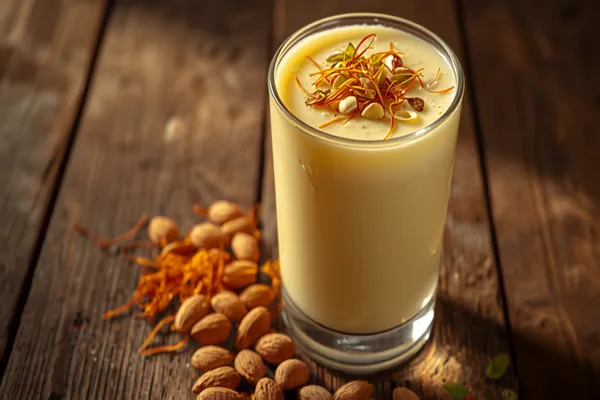
Badam Milk (Saffron Almond Milk)
Milk simmered with a paste of soaked almonds, saffron, cardamom and a whisper of nutmeg — India's rich, fragrant almond drink. Comforting served warm in winter, reviving served chilled in summer, festive any time.
From our kitchen community
Ratings & Reviews
My Rating
Tap a star to rate — no sign-in, no form needed.
My Review
0 Ratings
🥣 0 home cooks made it!
Be the first to rate Misal Pav (Maharashtrian Sprouted Bean Curry).
Related Recipes
Gujarat / West India · Indian
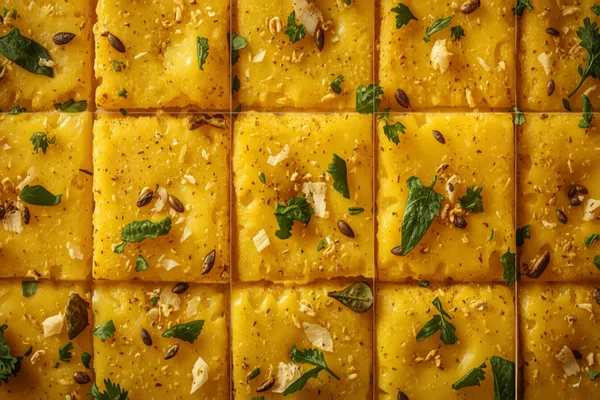
Khaman Dhokla (Gujarati Steamed Chickpea Cake)
Gujarat's beloved snack: a soft, spongy, faintly sweet-and-tangy steamed cake of ground chickpea (besan), finished with a glossy tempering of mustard seeds, green chili, and curry leaves. Light, quick, and irresistible.
Punjab / Delhi / North India · Indian
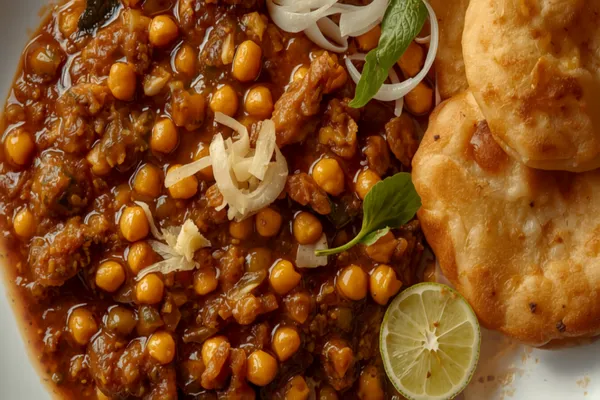
Chole Bhature (Punjabi Spiced Chickpeas with Fried Bread)
The North Indian brunch champion: deeply spiced, tangy chole (chickpea curry) paired with bhature — soft, pillowy deep-fried leavened bread. Indulgent, satisfying, and a Delhi-Punjab institution.
Maharashtra / West India · Indian
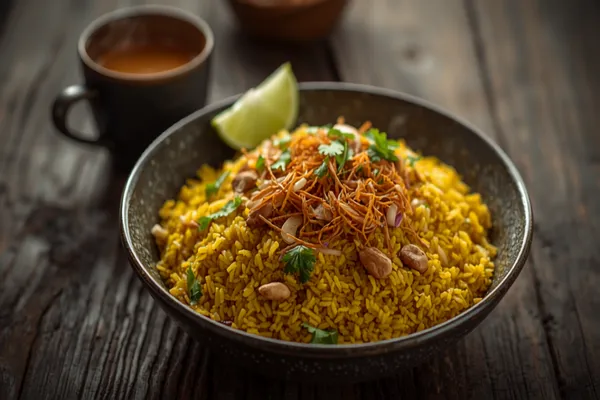
Kanda Poha (Maharashtrian Onion Flattened Rice)
Maharashtra's beloved 15-minute breakfast: soft flattened rice tossed with onions, a mustard-and-curry-leaf tempering, toasted peanuts and a bright squeeze of lime. Light, savoury and endlessly comforting.

Mumbai, Maharashtra / West India · Indian
Bhel Puri (Mumbai's Beach-Style Puffed Rice Chaat)
The definitive Mumbai chaat: puffed rice tossed to order with tangy tamarind chutney, fiery green chutney, crisp sev and papdi, and a shower of onion, potato and coriander. Sweet, sour, spicy and crunchy in one paper cone.
Maharashtra, West India (the Pune–Nashik belt) · Indian
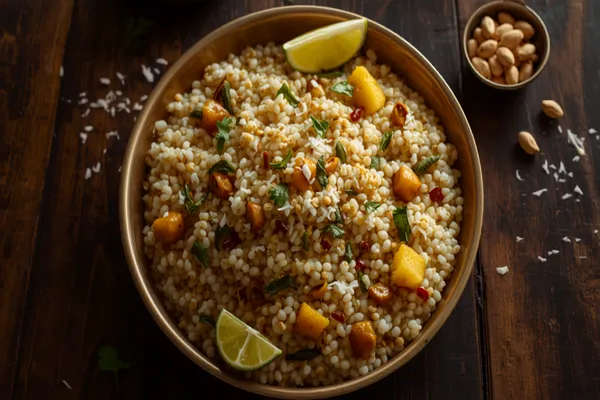
Sabudana Khichdi (Maharashtrian Fasting Tapioca Pearls)
The Maharashtrian upvas classic: tapioca pearls soaked until they squash between your fingers, then tossed with ghee, cumin, potato and a thick coating of crushed roasted peanuts. Every pearl separate, glossy and nutty — never a sticky lump.