Mysore, Karnataka (South India) · Indian
Mysore Pak (The Melt-in-the-Mouth Ghee Sweet)
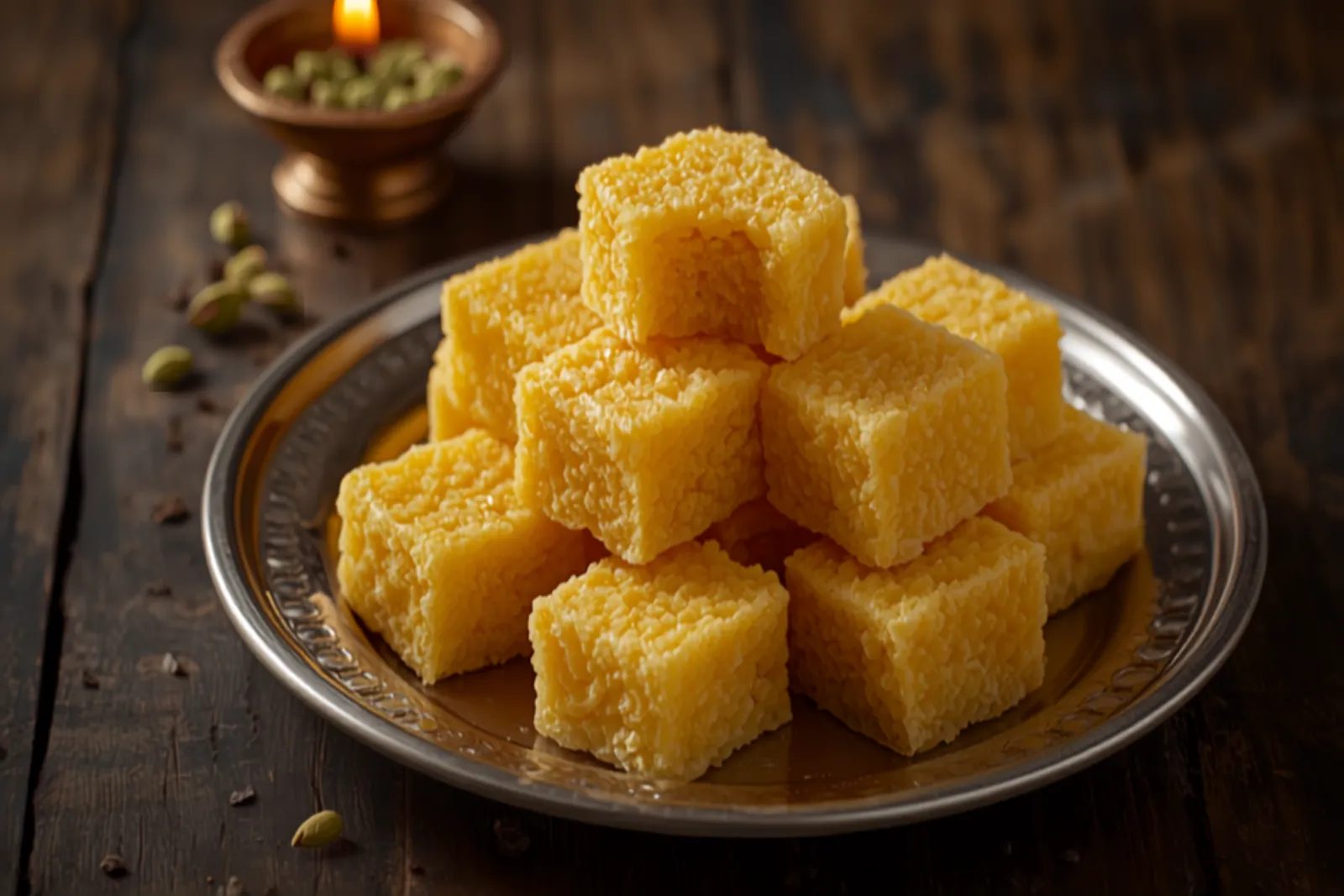
The legendary ghee sweet born in the Mysore Palace kitchens: gram flour, sugar and a river of hot ghee cooked to a golden, porous fudge that dissolves the instant it touches your tongue. Just three ingredients, exacting technique, royal pedigree.
Published July 12, 2026
Cultural context
Mysore pak was created in the early 1900s in the royal kitchens of the Kingdom of Mysore, when palace cook Kakasura Madappa improvised a sweet of gram flour, sugar and ghee for Maharaja Krishna Raja Wadiyar IV. Asked its name, he called it 'Mysore paka' — 'paka' meaning a sugar-syrup confection. The Maharaja liked it so much he set Madappa up with a shop outside the palace so the city could share it, and it has been Karnataka's signature festive sweet ever since.
Mysore pak is the great ghee sweet of Karnataka — golden squares of gram flour and sugar cooked in an almost reckless quantity of ghee until they set into a porous, melting fudge. It was born in the early 1900s in the kitchens of the Mysore Palace, where a cook named Kakasura Madappa improvised it for Maharaja Krishna Raja Wadiyar IV, and it has been South India’s signature festive mithai ever since.
Three ingredients, no margin for error
There is nothing to hide behind here: besan, sugar and ghee, and the whole thing is about timing. The besan is never dry-roasted the way it is for many other sweets — it cooks entirely inside the bubbling sugar syrup — so it has to go in sieved and lump-free, in a thin stream, with the whisk moving the entire time. Get the syrup to one-string consistency and no further, or the sweet either won’t set or turns hard and grainy.
The ghee is the technique
What turns a stiff besan paste into Mysore pak is the ghee, added hot and in stages. Each ladleful is stirred in until it’s absorbed and the mixture froths up and lightens; those whipped-in air pockets, threaded with ghee, are precisely what makes the finished sweet dissolve on your tongue. When the ghee finally begins to seep out at the edges and the mass pulls away from the pan, it’s done — and you have seconds, not minutes, to pour and cut it before it seizes.
Soft or porous — two schools
Use all ghee and pull it early and you get the dense, buttery, melt-in-seconds style. Swap in some oil and cook a shade longer and you get the firmer, honeycombed, faintly crunchy version that made shops like Guru Sweets in Mysore famous. Both are “real” — it’s a matter of which texture you grew up on.
For more of the sweets table, try gulab jamun and the melt-in-the-mouth kaju katli, or read our guide to South Indian cooking.
Ingredients
For the sweet
- 1 cup (about 110 g) besan (gram flour) Fresh and fine. Sieve it — any lumps stay raw and grainy in the finished sweet.
- 1.5 cups ghee The heart of the dish; use good pure ghee. Some cooks replace up to half with a neutral oil for a firmer, more porous 'Krishna Sweets' style.
- 1.25 cups sugar
- 1/2 cup water
- 1/4 tsp ground cardamom (optional) A palace-era touch; leave it out for the purist version.
Method
Tap a step’s number to check it off as you go.
-
Grease a metal tray or thali and keep it ready beside the stove. Sieve the besan into a bowl and rub in 2 tablespoons of the ghee until crumbly and lump-free.
Why: Mysore pak sets in minutes, so the tray must be ready before you start — there's no time to hunt for one later. Pre-mixing ghee into the sieved besan stops it clumping when it hits the hot syrup, which is the main cause of a grainy batch.
-
Warm the remaining ghee in a small pan and keep it hot and just-simmering on a back burner throughout.
Why: The ghee has to go in hot, ladle after ladle — cold ghee won't emulsify into the mixture and will pool out instead of building the porous crumb.
-
In a heavy-bottomed pan, dissolve the sugar in the water and boil, without stirring, to a one-string consistency — a drop pressed between finger and thumb pulls into a single thread.
Why: The syrup stage sets the whole texture. One-string gives fudge that holds together yet melts; stop short and it won't set, go past it and it turns hard and crystalline.
-
Lower the heat and rain the besan into the syrup in a thin stream, whisking hard the whole time so no lumps form. Stir in the cardamom.
Why: Besan for Mysore pak is never dry-roasted first — it cooks entirely in the bubbling syrup, so it must go in smoothly and be stirred constantly or it will scorch and clump.
-
Begin adding the hot ghee a ladleful at a time, stirring constantly and only adding more once the previous lot is absorbed. The mixture will froth up and grow lighter with each addition.
Why: This is the make-or-break stage: adding ghee in stages while stirring whips in tiny air pockets, and that honeycomb of trapped ghee is exactly what makes Mysore pak melt in the mouth.
-
Keep going until the mixture turns glossy and frothy, thickens, and ghee starts to seep out at the edges as it leaves the sides of the pan. Immediately pour it into the greased tray, level the top, and cut into squares while still warm.
Why: The ghee separating out is your signal it's cooked through; a beat later it seizes. Cutting while warm gives clean squares — once fully cool it shatters instead of slicing.
A quick, anonymous tap — no review needed.
Variations
- Porous 'hard' Mysore pak
Replace half the ghee with a neutral oil and cook a shade longer — this gives the firmer, honeycombed, slightly crunchy style sold by famous Mysore sweet shops.
- Soft ghee Mysore pak
Use all ghee and pull it off the heat a touch earlier, while still frothy, for the dense, buttery, melt-in-seconds version.
- Badam or pista Mysore pak
Fold in a spoon of very finely ground almonds or pistachios with the besan for a nutty, richer sweet.
Serving & Storage
Serve at room temperature, cut into small squares, as part of a Deepavali or wedding mithai platter. It's intensely rich — small pieces with strong coffee or masala chai are the way to eat it.
Pairs with: Filter coffee, Masala chai, A festive sweets platter.
Storage: Keeps about a week in an airtight box at room temperature (the ghee style softens in a warm kitchen; refrigerate in summer and bring back to room temperature before serving).
Nutrition
Per serving (1 piece (~25 g))
- Calories
- 130
- Protein
- 1.5 g
- Carbs
- 13 g
- Fat
- 8 g
- Fiber
- 0 g
- Sugar
- 11 g
- Sodium
- 5 mg
Notable micronutrients: Iron, Folate, Magnesium
Estimated using standard ingredient data. Values vary with brands and substitutions.
Frequently Asked Questions
Why did my Mysore pak turn out hard and crystalline instead of soft?
The sugar syrup went past one-string consistency, or the mixture was cooked too long after the ghee went in. Watch the syrup carefully — a single thread between finger and thumb — and pour into the tray the moment the ghee begins to separate and the mixture leaves the sides of the pan.
How much ghee do I really need, and can I cut it down?
Mysore pak is unapologetically a ghee sweet — the fat is what creates the porous, melting texture, so a lean version simply isn't the same dish. If you want it a little less rich and firmer, replace up to half the ghee with a neutral oil rather than reducing the total fat.
Do I need a thermometer for the syrup?
No — the one-string test is the traditional gauge and it works: lift a drop on a spoon, press it between finger and thumb, and it should stretch into one thread. If you have a thermometer, that's around 110–112°C.
What to drink with this
All drinks →Hand-picked pours to match this dish.
Pan-Indian (the everyday tea of the subcontinent) · Indian
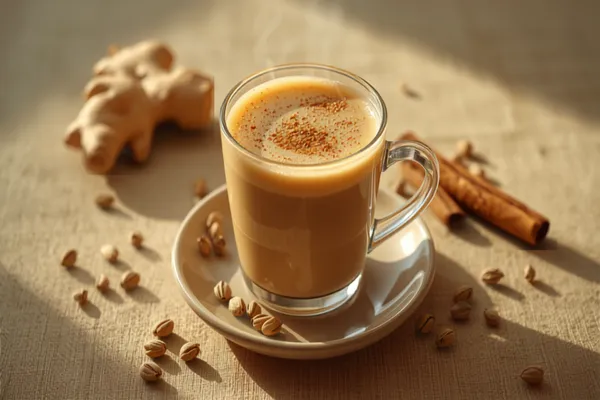
Masala Chai (Spiced Indian Tea)
India's daily ritual in a cup: black tea brewed with milk, sugar and freshly crushed spices. The proper stovetop method, plus how to build your own masala.
North & West India (peak-summer drink across the subcontinent) · Indian
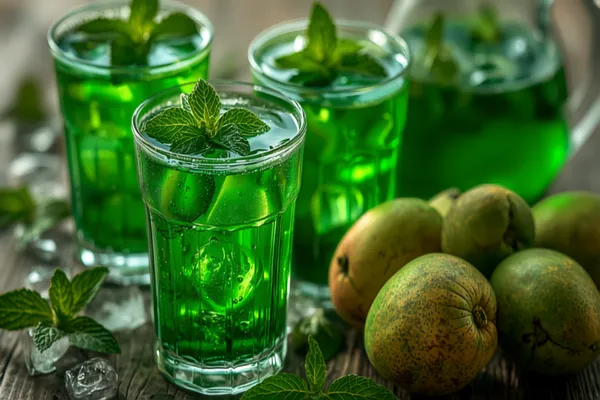
Aam Panna (Raw Green Mango Summer Cooler)
India's tangy, jade-green raw-mango cooler — roasted or boiled green mangoes blended with cumin, black salt and mint. The traditional heat-stroke remedy that tastes like summer.
Pan-Indian (North & West India) · Indian
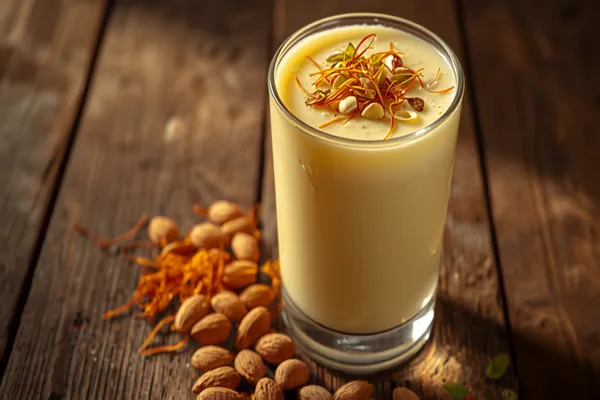
Badam Milk (Saffron Almond Milk)
Milk simmered with a paste of soaked almonds, saffron, cardamom and a whisper of nutmeg — India's rich, fragrant almond drink. Comforting served warm in winter, reviving served chilled in summer, festive any time.
From our kitchen community
Ratings & Reviews
My Rating
Tap a star to rate — no sign-in, no form needed.
My Review
0 Ratings
🥣 0 home cooks made it!
Be the first to rate Mysore Pak (The Melt-in-the-Mouth Ghee Sweet).
Related Recipes
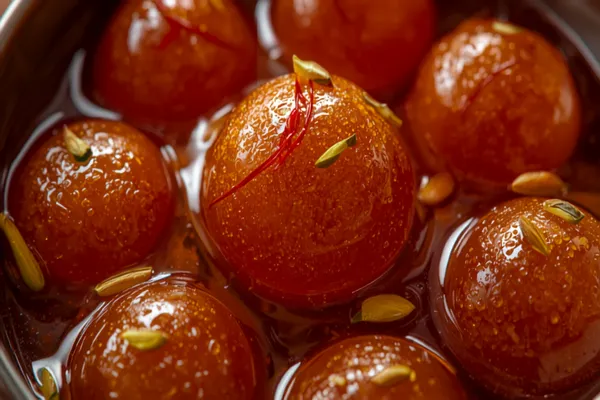
North India / pan-Indian · Indian
Gulab Jamun (Milk Dumplings in Rose-Cardamom Syrup)
The king of Indian sweets: soft khoya dumplings fried to deep gold and soaked in warm rose-and-cardamom syrup until they swell, juicy and melting. The dessert no Diwali or wedding is complete without.
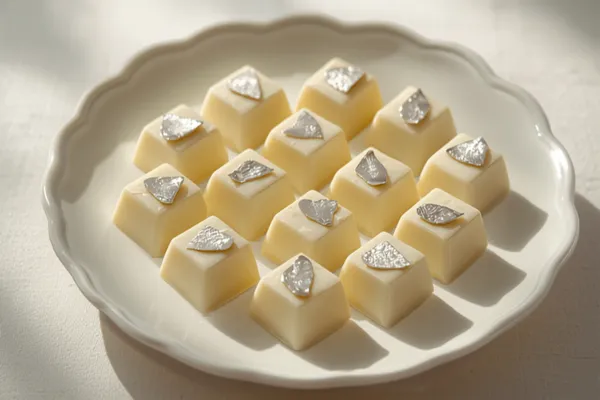
North India / pan-Indian · Indian
Kaju Katli (Cashew Fudge Diamonds)
The elegant, melt-in-the-mouth cashew fudge of Diwali: just cashews and sugar cooked into a smooth dough, rolled thin, and cut into the signature silver-leafed diamonds. Four ingredients, endless festive prestige.
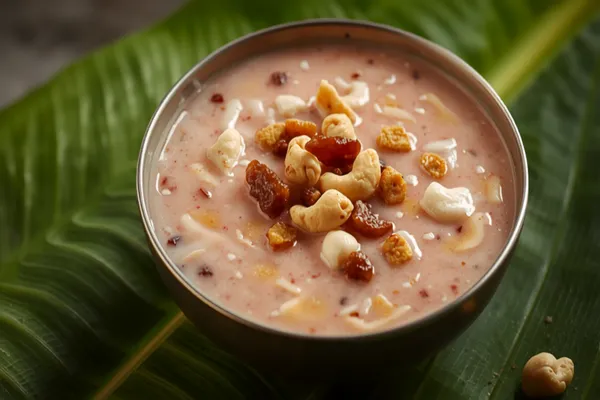
Kerala / South India · Indian
Palada Payasam (Kerala Rice Ada Milk Pudding)
The milky, rose-tinged payasam that crowns the Onam sadya: tender rice ada simmered slowly in sweetened milk until it thickens and turns a pale pink, scented with cardamom and ghee-fried nuts. Patient, simple, and unforgettable.
Further reading
- Festival & SeasonalIndian Festival Sweets: From Diwali to EidIn India, no celebration is complete without mithai. A guide to the sweets that define the festival calendar — the Diwali mithai box, the Eid dessert table, and the regional treasures of Bengal and the south — and what makes each one special.
- Cultural Story · South IndiaA Complete Guide to South Indian CookingSouth India isn't one cuisine but many — Tamil, Kerala, Karnataka, Andhra and Telangana, each with its own grains, spices, and rituals. A guide to the building blocks, the regional differences, and where to start cooking.