Parsi (Gujarat & Mumbai) / West India · Indian
Parsi Dhansak (Lentils, Mutton and Vegetables)
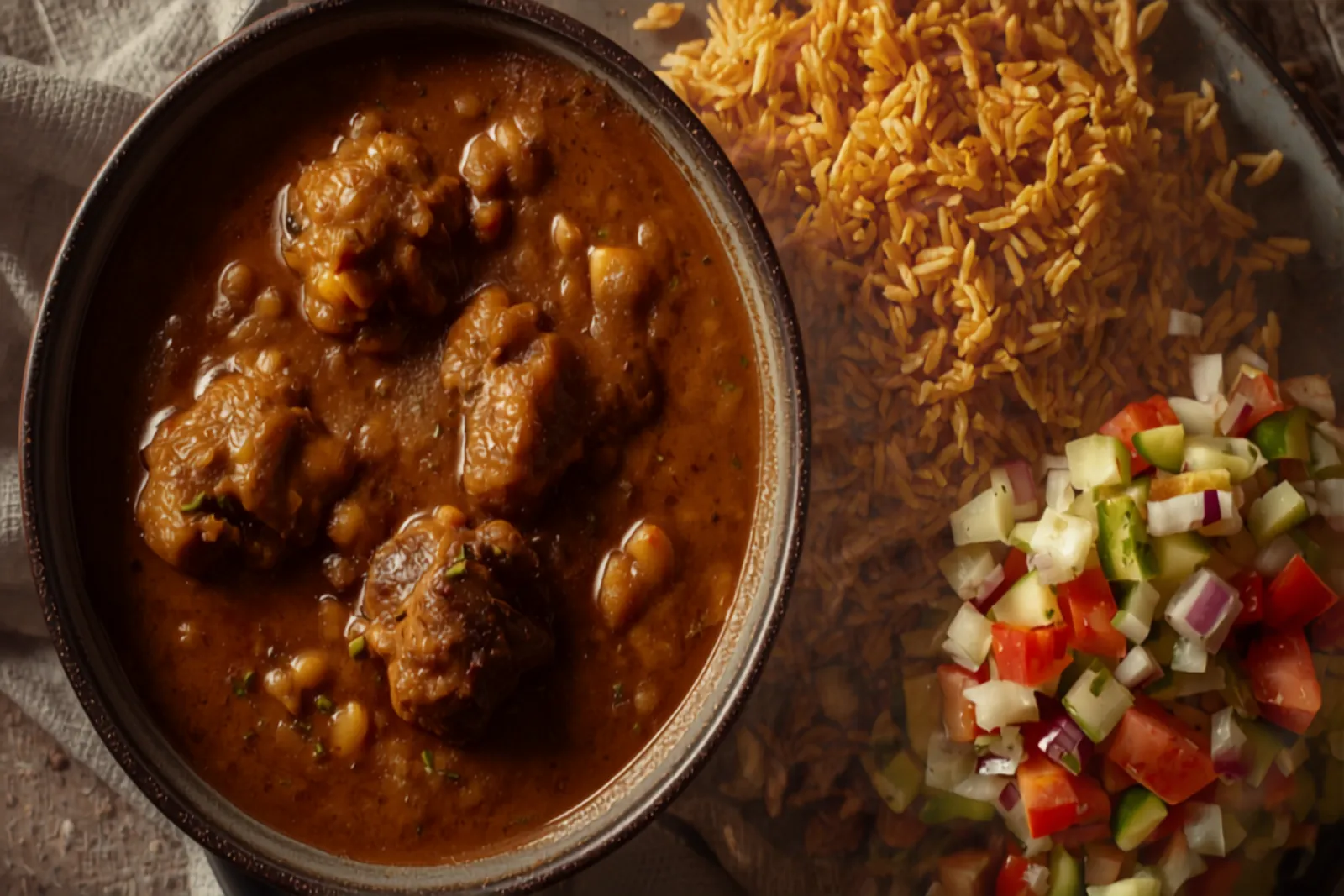
The Parsi Sunday classic: mutton slow-cooked into a thick purée of lentils and vegetables, spiced with a sweet-sour dhansak masala, and served with caramelised brown rice.
Published July 24, 2026
Cultural context
Dhansak is the most famous dish of the Parsis — Zoroastrians who migrated from Persia to western India over a thousand years ago — and fuses Persian and Gujarati cooking. Traditionally eaten on Sundays, it carries a quiet ritual weight: it is never cooked on festive or auspicious days, being associated with the fourth-day post-funeral meal. The name combines 'dhan' (grain/lentils) and 'saak' (vegetables).
Dhansak is the most beloved dish of the Parsis — Zoroastrians who carried Persian cooking to the western coast of India over a thousand years ago and married it to Gujarati flavours. Mutton is slow-cooked into a thick, smooth purée of lentils and vegetables, spiced with a complex sweet-sour dhansak masala, and served with caramelised brown rice. It’s the classic Parsi Sunday lunch.
A purée, not a dal
What sets dhansak apart is its body: lentils, pumpkin, brinjal and greens cooked down and blended completely smooth into a thick, velvety base. The pumpkin lends a gentle sweetness that’s part of the dish’s identity.
Sweet, sour, and deeply spiced
The flavour is the Persian-Gujarati signature — tamarind for sourness, jaggery for sweetness, and a layered dhansak masala of coriander, cumin, fenugreek, cinnamon, clove and star anise blooming in ghee. Balanced and aromatic rather than fiery, it tastes of two cuisines at once.
Brown rice and a quiet custom
The traditional partner is Parsi caramelised brown rice, its burnt-sugar colour echoing the richness of the dhansak. One cultural note worth knowing: by Parsi convention dhansak is eaten on ordinary Sundays and avoided on festive days, owing to its association with a post-funeral meal. Serve it with kachumber and lime. For more from the western table, see laal maas and the guide to West Indian cooking.
Ingredients
For the dal-vegetable base
- 1.5 cups mixed lentils (toor, masoor, chana, moong)
- 1 cup pumpkin or red pumpkin, cubed Pumpkin adds the gentle sweetness characteristic of dhansak.
- 1 small brinjal (eggplant), cubed
- 1 cup chopped fenugreek (methi) leaves or spinach
For the meat
- 700 g bone-in mutton/goat Goat is traditional; chicken or a vegetarian version also work.
For the masala
- 2 onions, sliced
- 2 tomatoes, chopped
- 1 tbsp ginger-garlic paste
- 2–3 tbsp dhansak masala A specific Parsi blend; sold ready-made, or blend coriander, cumin, fenugreek, cinnamon, clove, star anise, chili and more.
- 1 tbsp tamarind pulp For the essential sweet-sour balance.
- 1 tbsp jaggery or sugar
- fresh coriander and mint, oil/ghee, salt
For the brown rice
- basmati rice, 1 tbsp sugar, whole spices (cinnamon, clove, cardamom, bay), sliced onion
Method
Tap a step’s number to check it off as you go.
-
Pressure-cook the lentils, pumpkin, brinjal and greens together until very soft. Separately, cook the mutton until tender (you can do this with the dal or apart).
Why: The vegetables and lentils need to break down completely to be puréed; cooking the goat to tenderness separately lets you control both textures.
-
Blend the cooked lentils and vegetables to a smooth, thick purée.
Why: Dhansak is defined by its smooth, thick, almost velvety dal-vegetable base — this purée is the body of the dish.
-
In ghee, brown the onions, add ginger-garlic, tomatoes and dhansak masala and cook well, then stir in the purée, the cooked mutton, tamarind, jaggery, mint and coriander. Simmer 20–30 minutes until thick and glossy.
Why: Frying the dhansak masala blooms its complex sweet-sour-warm character; tamarind and jaggery deliver the signature sweet-and-sour balance that sets dhansak apart from a plain dal.
-
For the caramelised brown rice, melt sugar in oil until it darkens, add whole spices and sliced onion, then the rice and water, and cook until fluffy and golden-brown.
Why: Parsi brown rice (caramel rice) is the traditional partner — the burnt-sugar colour and aroma complement the rich, sweet-sour dhansak.
A quick, anonymous tap — no review needed.
Variations
- Chicken dhansak
Use bone-in chicken for a quicker version; reduce the cooking time accordingly.
- Vegetarian dhansak
Skip the meat and add extra vegetables (and paneer, if you like) for a hearty meat-free version.
- Spicier
Increase the chili in the dhansak masala; the classic is warm and aromatic rather than fiery.
Serving & Storage
Serve hot over Parsi caramelised brown rice, with a side of kachumber (onion-tomato-cucumber salad) and lime. A papad and a wedge of lime complete the plate.
Pairs with: Caramelised brown rice, Kachumber salad, Papad, Lime.
Storage: Dhansak keeps 3–4 days refrigerated and deepens in flavour overnight — many say it's better the next day. It freezes well. Reheat gently with a splash of water.
Nutrition
Per serving (1 serving (with rice))
- Calories
- 560
- Protein
- 32 g
- Carbs
- 58 g
- Fat
- 22 g
- Fiber
- 11 g
- Sugar
- 12 g
- Sodium
- 680 mg
Notable micronutrients: Protein, Fiber, Iron, Vitamin A
Estimated using standard ingredient data. Values vary with brands and substitutions.
Frequently Asked Questions
What is dhansak masala?
It's a specific Parsi spice blend — typically coriander, cumin, fenugreek, cinnamon, clove, star anise, peppercorn and chili, among others. It's sold ready-made by Parsi brands, or you can blend your own. It gives dhansak its complex, warm, faintly sweet character.
Why is dhansak sweet and sour?
Tamarind provides the sourness and jaggery (or sugar) the sweetness, with pumpkin adding a gentle natural sweetness. This balance, reflecting the dish's Persian-Gujarati heritage, is what distinguishes dhansak from an ordinary meat-and-dal.
Why isn't dhansak made on festive days?
By Parsi custom, dhansak is associated with the meal served on the fourth day after a death, so it's traditionally avoided on auspicious or festive occasions and eaten instead on ordinary Sundays. It's a cultural convention worth knowing when cooking it for Parsi guests.
What to drink with this
All drinks →Hand-picked pours to match this dish.
Cuba (mojito tradition), worldwide · Cuban
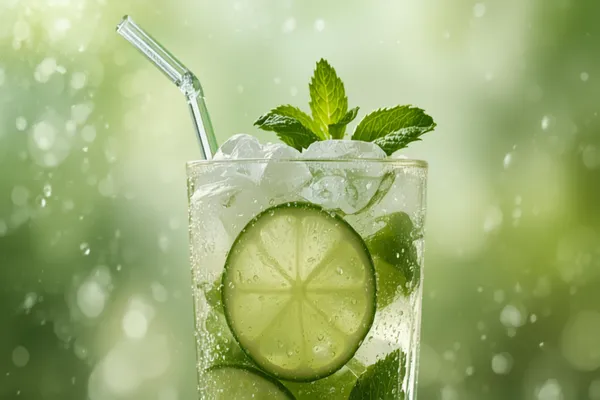
Virgin Mojito (Non-Alcoholic Mint & Lime Cooler)
A proper mojito mocktail — fresh mint, lime and a little sugar, lengthened with soda over crushed ice. All the bright, herbal lift of the original, none of the rum.
North & West India (peak-summer drink across the subcontinent) · Indian
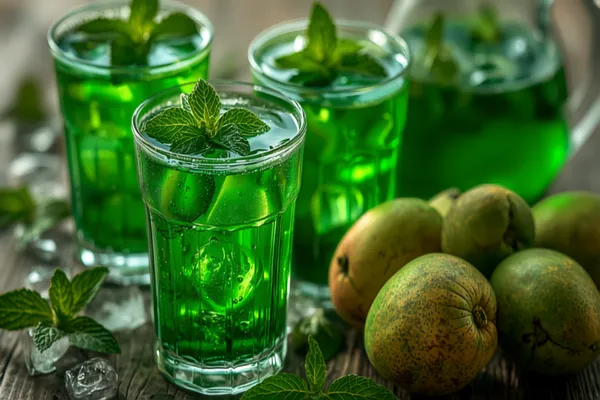
Aam Panna (Raw Green Mango Summer Cooler)
India's tangy, jade-green raw-mango cooler — roasted or boiled green mangoes blended with cumin, black salt and mint. The traditional heat-stroke remedy that tastes like summer.
Pan-Indian (North & West India) · Indian
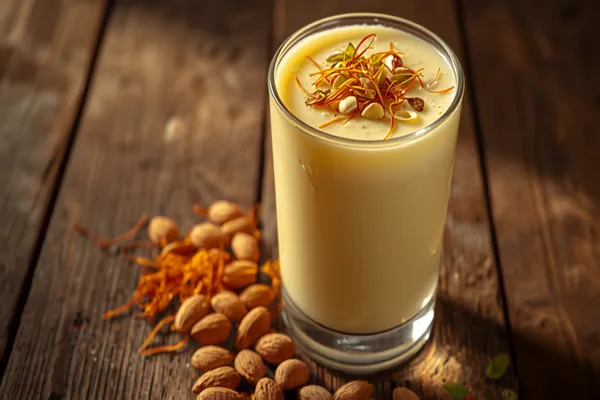
Badam Milk (Saffron Almond Milk)
Milk simmered with a paste of soaked almonds, saffron, cardamom and a whisper of nutmeg — India's rich, fragrant almond drink. Comforting served warm in winter, reviving served chilled in summer, festive any time.
From our kitchen community
Ratings & Reviews
My Rating
Tap a star to rate — no sign-in, no form needed.
My Review
0 Ratings
🥣 0 home cooks made it!
Be the first to rate Parsi Dhansak (Lentils, Mutton and Vegetables).
Related Recipes
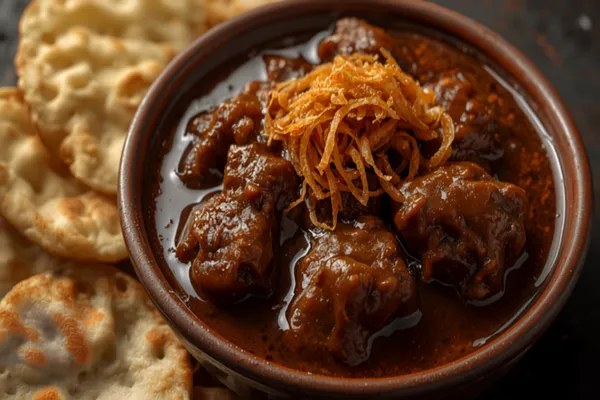
West Bengal / East India · Indian
Kosha Mangsho (Bengali Slow-Cooked Mutton Curry)
Bengal's Sunday-best mutton: goat marinated in yogurt and mustard oil, then slow-cooked with onions and whole spices until the gravy turns dark, thick, and clinging. 'Kosha' means slow-fried — and the patience is the dish.
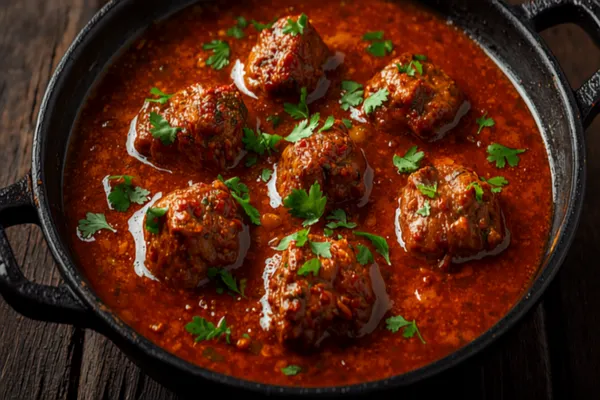
Rajasthan / West India · Indian
Laal Maas (Rajasthani Red Mutton Curry)
A fiery Rajasthani classic from the royal hunting kitchens: mutton braised in a brick-red gravy of Mathania chilies and yogurt, with an optional ember-and-ghee smoking that gives it a hunter's smokiness. Bold, lean, and unforgettable.
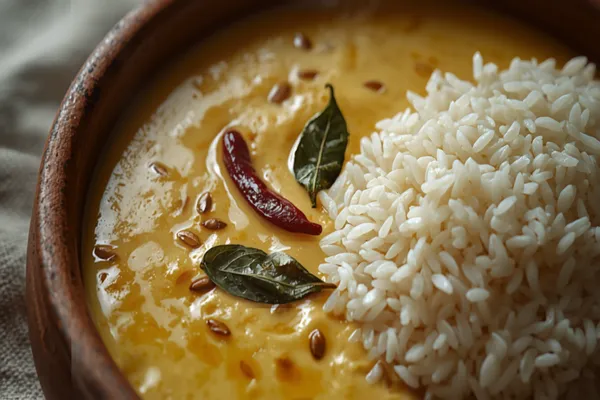
Gujarat / West India · Indian
Gujarati Kadhi (Sweet-and-Tangy Yogurt Curry)
The soothing soul of a Gujarati thali: a silky, gently sweet-and-sour curry of yogurt and chickpea flour, tempered with cumin, curry leaves, and a whisper of clove and cinnamon. Light, warming, and made to pour over rice or khichdi.
Further reading
- Cultural Story · West IndiaA Complete Guide to West Indian CookingFour very different states, one coast: Maharashtra's street food and fiery Kolhapuri curries, Gujarat's sweet-savoury vegetarian thali, Goa's twin Hindu and Catholic kitchens, and Rajasthan's desert cooking. A guide to western India's table.
- Ingredient Deep DiveThe Indian Spice Pantry: A Beginner's MapYou don't need a hundred spices to cook Indian food — you need a dozen, and the know-how to use them. A practical guide to the essential Indian spices, what each does, and the techniques (tadka, bhuna, dry-roasting) that unlock them.