Mumbai, Maharashtra / West India · Indian
Pav Bhaji (Mumbai Buttery Vegetable Mash)
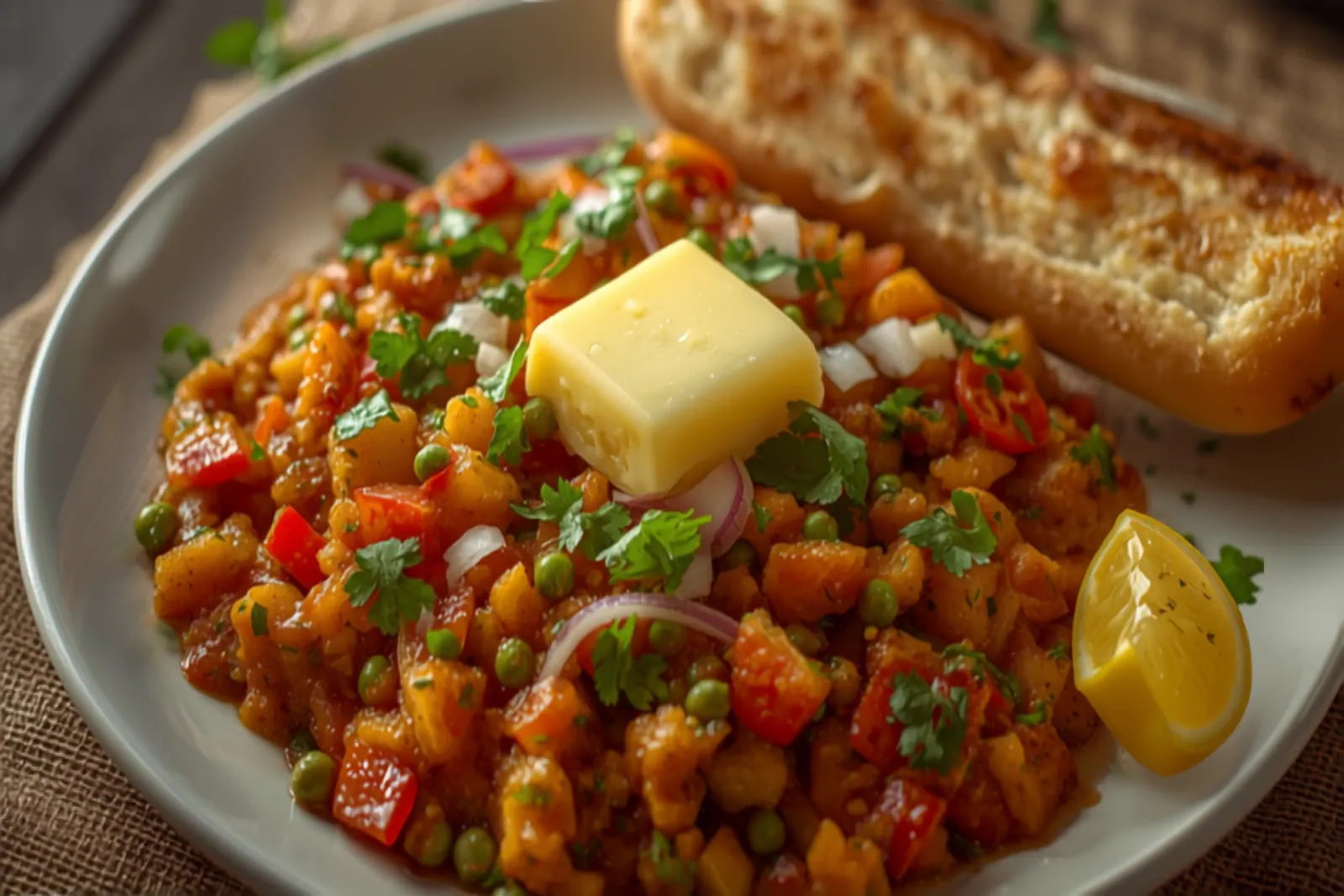
Mumbai's beloved street food: a spiced, buttery mash of mixed vegetables served with soft, butter-toasted pav rolls. Built on a smoky griddle and a fistful of pav bhaji masala.
Published July 20, 2026
Cultural context
Pav bhaji was born in 1850s–60s Mumbai as a fast, filling meal for textile-mill workers, who needed something quick on a tight break. Vegetables were mashed together on a giant griddle (tawa) and served with pav, the soft bread introduced by the Portuguese. It grew from worker food into one of India's most loved street and night-market snacks.
Pav bhaji is Mumbai on a plate: a spiced, buttery mash of mixed vegetables, scooped up with soft, griddle-toasted pav. It began in the 1860s as fast fuel for textile-mill workers and grew into one of the country’s most loved street foods, made on huge sizzling griddles at every night market in the city.
Mash it on the pan
The texture is the signature — semi-smooth, not a chunky curry. Boil the vegetables soft, then mash everything together directly on a hot, buttery pan with a masher, working in a cooked-down base of onion, tomato, capsicum and ginger-garlic. This griddle-mashing is the street technique that melds it all into one rich, spoonable bhaji.
Two non-negotiables
First, the pav bhaji masala — a specific blend with amchur, fennel and black salt that gives the dish its identity. Plain garam masala won’t do. Second, butter: pav bhaji is unapologetic about it. Butter to cook, a knob to finish, and plenty for toasting the pav cut-side down until golden and crisp-edged.
Serve it loaded
Top with a melting knob of butter, raw onion and coriander, squeeze over lemon, and scoop with the hot pav. Make it a Mumbai street spread with vada pav and misal pav, and read more in the guide to West Indian cooking.
Ingredients
For the bhaji
- 3 potatoes, boiled and mashed
- 1 cup cauliflower, chopped
- 1 cup green peas
- 1 carrot, chopped
- 1 capsicum (bell pepper), finely chopped
- 3 tomatoes, finely chopped
- 2 onions, finely chopped
- 1 tbsp ginger-garlic paste
- 2–3 tbsp pav bhaji masala The defining spice blend; sold ready-made by every Indian brand. Don't substitute plain garam masala.
- 1 tsp Kashmiri red chili powder For the classic red colour without too much heat.
- 4 tbsp butter Pav bhaji is unapologetically buttery — this is the dish.
To serve
- 8 pav (soft dinner rolls), more butter, chopped onion, coriander, lemon wedges
Method
Tap a step’s number to check it off as you go.
-
Boil the potatoes, cauliflower, peas and carrot together until very soft, then mash roughly. Keep the cooking water.
Why: Pre-cooking and mashing means everything melts together into the signature smooth-but-textured bhaji. The starchy water helps adjust consistency later.
-
Melt butter on a wide pan, sauté onions until soft, add ginger-garlic, then tomatoes and capsicum and cook down to a pulp. Add pav bhaji masala and Kashmiri chili and fry well.
Why: Cooking the tomatoes and masala down properly builds the deep, tangy-savoury base; frying the spice blend in butter blooms its flavour.
-
Add the mashed vegetables, mash everything together on the pan with a masher, and add the reserved water to reach a thick, spoonable consistency. Simmer 10 minutes, mashing as you go.
Why: Mashing directly on the hot pan is the street technique — it concentrates flavour and gives the bhaji its characteristic semi-smooth texture rather than a chunky curry.
-
Slit the pav, toast cut-side down in plenty of butter (with a sprinkle of pav bhaji masala) until golden. Finish the bhaji with a knob of butter, coriander and lemon.
Why: Butter-toasting the pav is essential — the soaked, crisp-edged bread is half the dish. A final knob of butter and lemon gives the night-market richness and lift.
A quick, anonymous tap — no review needed.
Variations
- Jain pav bhaji
Skip onion, garlic and potato; use raw banana and extra cauliflower as the base — common in Gujarati and Jain kitchens.
- Cheese pav bhaji
Top the bhaji with grated cheese — a popular modern street variation.
- Lower-butter
Use oil for cooking and a smaller knob of butter to finish; still good, if less indulgent.
Serving & Storage
Serve the hot bhaji topped with a knob of butter, chopped raw onion and coriander, with butter-toasted pav and lemon wedges on the side. Squeeze lemon over and scoop with the pav.
Pairs with: Butter-toasted pav, Chopped raw onion, Lemon wedges, Masala soda.
Storage: The bhaji keeps 2–3 days refrigerated and tastes even better the next day. Reheat with a splash of water and a fresh knob of butter; toast pav fresh.
Nutrition
Per serving (1 serving (bhaji + 2 pav))
- Calories
- 470
- Protein
- 11 g
- Carbs
- 62 g
- Fat
- 20 g
- Fiber
- 8 g
- Sugar
- 10 g
- Sodium
- 820 mg
Notable micronutrients: Vitamin C, Vitamin A, Potassium, Fiber
Estimated using standard ingredient data. Values vary with brands and substitutions.
Frequently Asked Questions
Can I make pav bhaji without pav bhaji masala?
It won't taste like pav bhaji. The blend (which includes amchur, fennel, black salt and more) is what defines the flavour. It's widely sold — reach for a packaged one rather than substituting plain garam masala.
How do I get the bright red restaurant colour?
Use Kashmiri red chili powder, which is intensely red but mild, and plenty of cooked-down tomato. Street vendors sometimes add colour, but Kashmiri chili plus tomato gets you there naturally.
What are pav?
Pav are soft, square-ish white dinner rolls, a legacy of Portuguese bread-making in western India. Any soft, slightly sweet roll works; split and butter-toast them on the griddle until golden.
What to drink with this
All drinks →Hand-picked pours to match this dish.

Pan-Indian street drink (the goli soda / banta tradition) · Indian
Masala Soda (Indian Spiced Lemon Soda / Banta)
The fizzy, tangy-savoury soda of Indian streets: soda water charged with lime, black salt, roasted cumin and a hint of sweetness. The instant cooler in two minutes flat.
North & West India (peak-summer drink across the subcontinent) · Indian
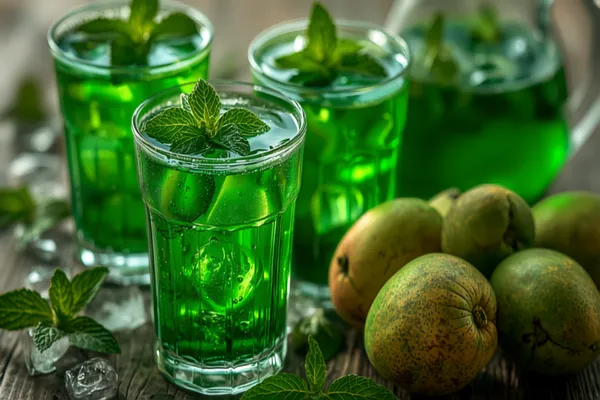
Aam Panna (Raw Green Mango Summer Cooler)
India's tangy, jade-green raw-mango cooler — roasted or boiled green mangoes blended with cumin, black salt and mint. The traditional heat-stroke remedy that tastes like summer.
Pan-Indian (North & West India) · Indian
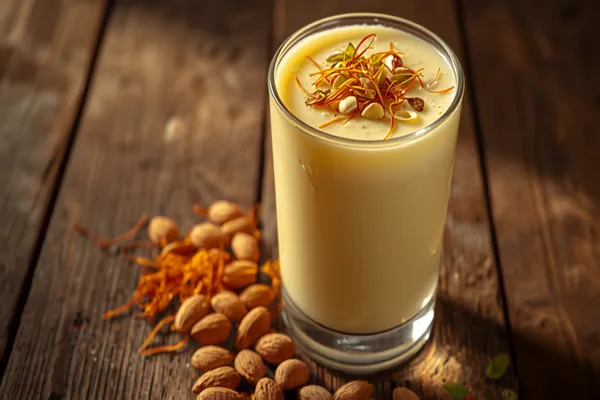
Badam Milk (Saffron Almond Milk)
Milk simmered with a paste of soaked almonds, saffron, cardamom and a whisper of nutmeg — India's rich, fragrant almond drink. Comforting served warm in winter, reviving served chilled in summer, festive any time.
From our kitchen community
Ratings & Reviews
My Rating
Tap a star to rate — no sign-in, no form needed.
My Review
0 Ratings
🥣 0 home cooks made it!
Be the first to rate Pav Bhaji (Mumbai Buttery Vegetable Mash).
Related Recipes
Mumbai, Maharashtra / West India · Indian
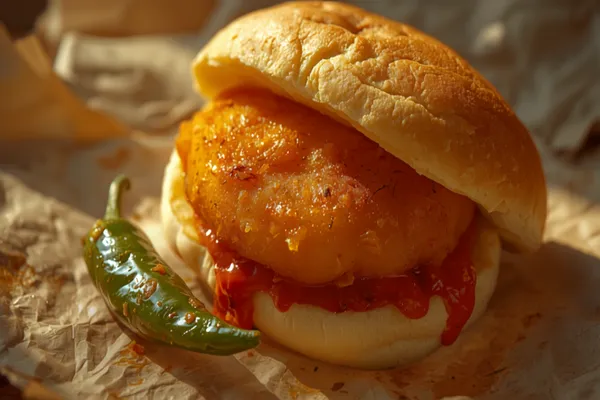
Vada Pav (Mumbai's Spiced Potato Burger)
Mumbai's beloved street snack and unofficial city sandwich: a spiced, deep-fried potato dumpling (batata vada) tucked into a soft pav with dry garlic chutney and a fried green chili. Cheap, fiery, and completely addictive.
Maharashtra / West India · Indian
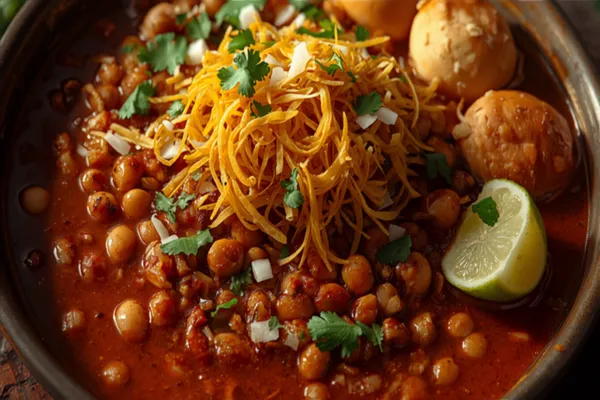
Misal Pav (Maharashtrian Sprouted Bean Curry)
Maharashtra's fiery street-food breakfast: a spiced sprouted-moth-bean curry (usal) under a slick of spicy tarri gravy, topped with crunchy farsan, onion, and lime, scooped up with soft pav. Big, bold, and built for a crowd.
North India / pan-Indian street food · Indian
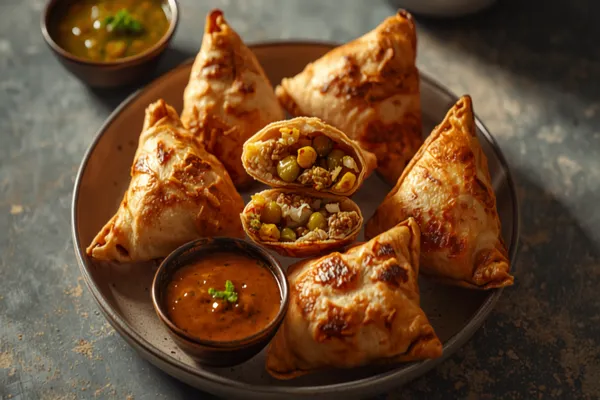
Samosa (Punjabi Aloo Samosa)
India's most famous snack: a crisp, flaky pastry triangle stuffed with spiced potatoes and peas. Made from scratch, with the secret of a low-and-slow fry for that signature blistered crust.
Further reading
- Cultural Story · West IndiaA Complete Guide to West Indian CookingFour very different states, one coast: Maharashtra's street food and fiery Kolhapuri curries, Gujarat's sweet-savoury vegetarian thali, Goa's twin Hindu and Catholic kitchens, and Rajasthan's desert cooking. A guide to western India's table.
- Ingredient Deep DiveThe Indian Spice Pantry: A Beginner's MapYou don't need a hundred spices to cook Indian food — you need a dozen, and the know-how to use them. A practical guide to the essential Indian spices, what each does, and the techniques (tadka, bhuna, dry-roasting) that unlock them.