Korea · Korean
Sujeonggwa (Korean Cinnamon-Ginger Punch)
A deep-amber Korean punch simmered from cinnamon and ginger, sweetened with sugar or honey, and served ice-cold with soft dried persimmon and pine nuts. Spiced, soothing and traditionally the close to a Korean feast.
Published June 22, 2026

Cultural context
Sujeonggwa (수정과) is a traditional Korean punch (hwachae) made by simmering cinnamon and ginger separately, then combining and sweetening the brew. Served chilled with rehydrated dried persimmon (gotgam) and a few floating pine nuts, it's a classic close to a holiday meal — especially around Lunar New Year — prized as a digestive after rich, spicy food.
Sujeonggwa is a deep-amber Korean punch built from two simmered brews — cinnamon in one pot, ginger in another — combined, sweetened and served ice-cold with soft dried persimmon and floating pine nuts. It’s the traditional close to a Korean feast, prized as a digestive after rich, spicy food.
Brew the spices separately
Simmer the cinnamon bark and the sliced ginger in their own pots for half an hour or more. Brewing them apart pulls the fullest flavour from each, then you blend the two to find your own cinnamon-to-ginger balance.
Sweeten warm, chill hard
Combine the strained brews, dissolve sugar or honey while warm, then chill thoroughly — sujeonggwa is meant to be drunk cold, which sharpens the spice.
Finish with persimmon and pine nuts
Float a piece of softened dried persimmon and a few pine nuts in each cup — the signature garnish you eat at the end. It keeps for days and only improves. Compare with café de olla and thandai. More in the Drinks guide.
Ingredients
- 5–6 sticks cinnamon (Korean/cassia bark) Use a generous amount of bark — cinnamon is half the drink's identity. Whole sticks, not ground, for a clear punch.
- 100 g fresh ginger, sliced
- 2 litres water (divided, 1 litre per pot)
- 150 g sugar, or part honey, to taste
- 6 soft dried persimmons (gotgam), optional but traditional Rehydrated in the punch, they turn silky and sweet — the classic garnish you eat at the end.
- 1 tbsp pine nuts, to garnish
Method
Tap a step’s number to check it off as you go.
-
In one pot, simmer the cinnamon in 1 litre of water; in a second pot, simmer the sliced ginger in the other litre. Keep each at a gentle simmer for 30–40 minutes.
Why: Brewing the cinnamon and ginger separately is the traditional technique — it draws the fullest flavour from each without one muddying the other, then you blend them to taste.
-
Strain both brews, combine them, and stir in the sugar (and/or honey) while still warm until dissolved. Taste and balance the spice and sweetness.
Why: Combining after brewing lets you control the cinnamon-to-ginger ratio; dissolving the sugar warm ensures it's fully incorporated and lets you adjust to your palate.
-
Chill thoroughly. Serve cold in bowls or cups, adding a piece of softened dried persimmon and a few pine nuts to each.
Why: Sujeonggwa is meant to be drunk ice-cold — the chill sharpens the spice; the persimmon and floating pine nuts are the signature finish.
A quick, anonymous tap — no review needed.
Variations
- Honey-sweetened
Use honey in place of some or all of the sugar for a rounder, more floral sweetness (add it once the brew has cooled a little to preserve the aroma).
- Extra gingery
Increase the ginger or simmer it longer for a punchier, warming brew — good in cold weather served slightly warm.
- With dried persimmon stuffed with walnut
Stuff the softened persimmons with a walnut half and slice them — a festive way to serve the fruit alongside the punch.
Serving & Storage
Traditionally a palate-cleansing digestive at the end of a meal, especially festive ones. Excellent after spicy or rich Korean food, and a refreshing cold drink in summer or a warm one in winter.
Storage: Keeps 4–5 days covered in the fridge and arguably improves as the flavours meld. Add the persimmon and pine nuts only when serving so they stay fresh.
Nutrition
Per serving (1 cup (~250 ml))
- Calories
- 110
- Protein
- 0 g
- Carbs
- 28 g
- Fat
- 1 g
- Fiber
- 1 g
- Sugar
- 25 g
- Sodium
- 5 mg
Estimated using standard ingredient data. Values vary with brands and substitutions.
Frequently Asked Questions
Why brew the cinnamon and ginger in separate pots?
It's the traditional method and it gives a cleaner, more balanced result. Cinnamon and ginger release their flavours at different rates, so brewing them apart lets each reach full strength without overpowering the other — then you combine and adjust the ratio to taste. You can simmer them together in a pinch, but separate pots are the classic way.
What if I can't find dried persimmon?
The punch itself is complete without it — the persimmon and pine nuts are a garnish, not a flavour base. If you can't find gotgam, serve the spiced punch plain, or float just the pine nuts. Asian groceries usually stock soft dried persimmon, especially around Lunar New Year.
Is sujeonggwa served hot or cold?
Traditionally ice-cold, which makes it especially refreshing after a heavy meal and in summer. That said, the same warming cinnamon-ginger brew is lovely served hot in cold weather — both are enjoyed in Korea.
From our kitchen community
Ratings & Reviews
My Rating
Tap a star to rate — no sign-in, no form needed.
My Review
0 Ratings
🥣 0 home cooks made it!
Be the first to rate Sujeonggwa (Korean Cinnamon-Ginger Punch).
Related Recipes

Central & Southern Mexico · Mexican
Café de Olla (Mexican Spiced Clay-Pot Coffee)
Coffee simmered with cinnamon, cloves and unrefined piloncillo sugar in a clay pot — Mexico's warming, spiced morning brew. Sweet, aromatic and unmistakably festive, made in one pot in fifteen minutes.

Morocco (the Maghreb) · Moroccan
Moroccan Mint Tea (Atay — Maghrebi Mint Tea)
Morocco's sweet, fragrant green tea poured from a height into a frothy glass. The proper method — washing the tea, layering the mint, and the famous long pour — plus how sweet it really should be.

North India (Banaras / Uttar Pradesh, the heart of thandai country) · Indian
Thandai (Spiced Almond & Saffron Milk for Holi)
North India's festival cooler: chilled milk blended with almonds, fennel, cardamom, peppercorn, poppy and saffron. The fragrant, nutty drink of Holi and Maha Shivratri — made from scratch.
Korea — the kimjang tradition, from mild Pyongyang-style kimchi in the north to the seafood-heavy kimchi of Jeolla in the south · Korean
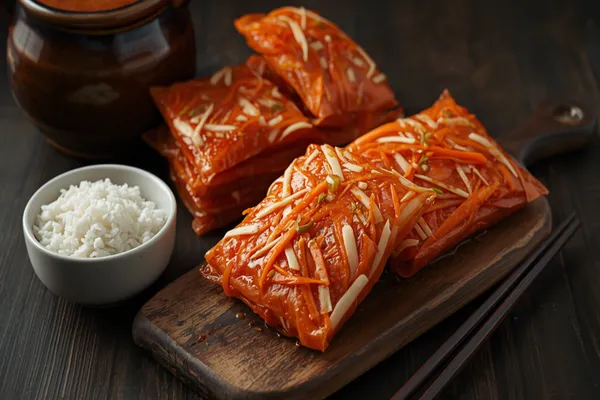
Baechu-Kimchi (Traditional Napa Cabbage Kimchi)
Korea's defining side dish, made the whole-leaf way: napa cabbage brined until it bends, packed leaf by leaf with a gochugaru paste of garlic, ginger, fish sauce and salted shrimp, then left to sour into something deep, fizzy and alive.
Korea — a Joseon royal-court dish from Seoul, now cooked in every Korean home · Korean
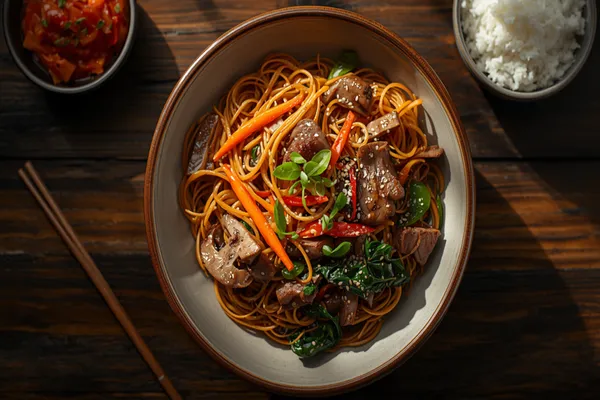
Japchae (Korean Glass Noodle Stir-Fry)
Korea's celebration noodle — chewy sweet-potato dangmyeon tossed with beef, shiitake and a rainbow of vegetables each cooked separately so every strand keeps its own colour and bite. A royal-court dish from 1600s Seoul that now appears at every first birthday, wedding and Chuseok table.