Río de la Plata (Argentina, Uruguay, Paraguay, southern Brazil) · Argentine / Uruguayan
Yerba Mate (How to Brew & Share the Gourd)
The grassy, caffeinated herbal tea of Argentina, Uruguay and beyond — steeped in a gourd and sipped through a metal straw. More than a drink, it's a daily social ritual. Here's how to set the gourd and brew it without bitterness.
Published June 22, 2026
Cultural context
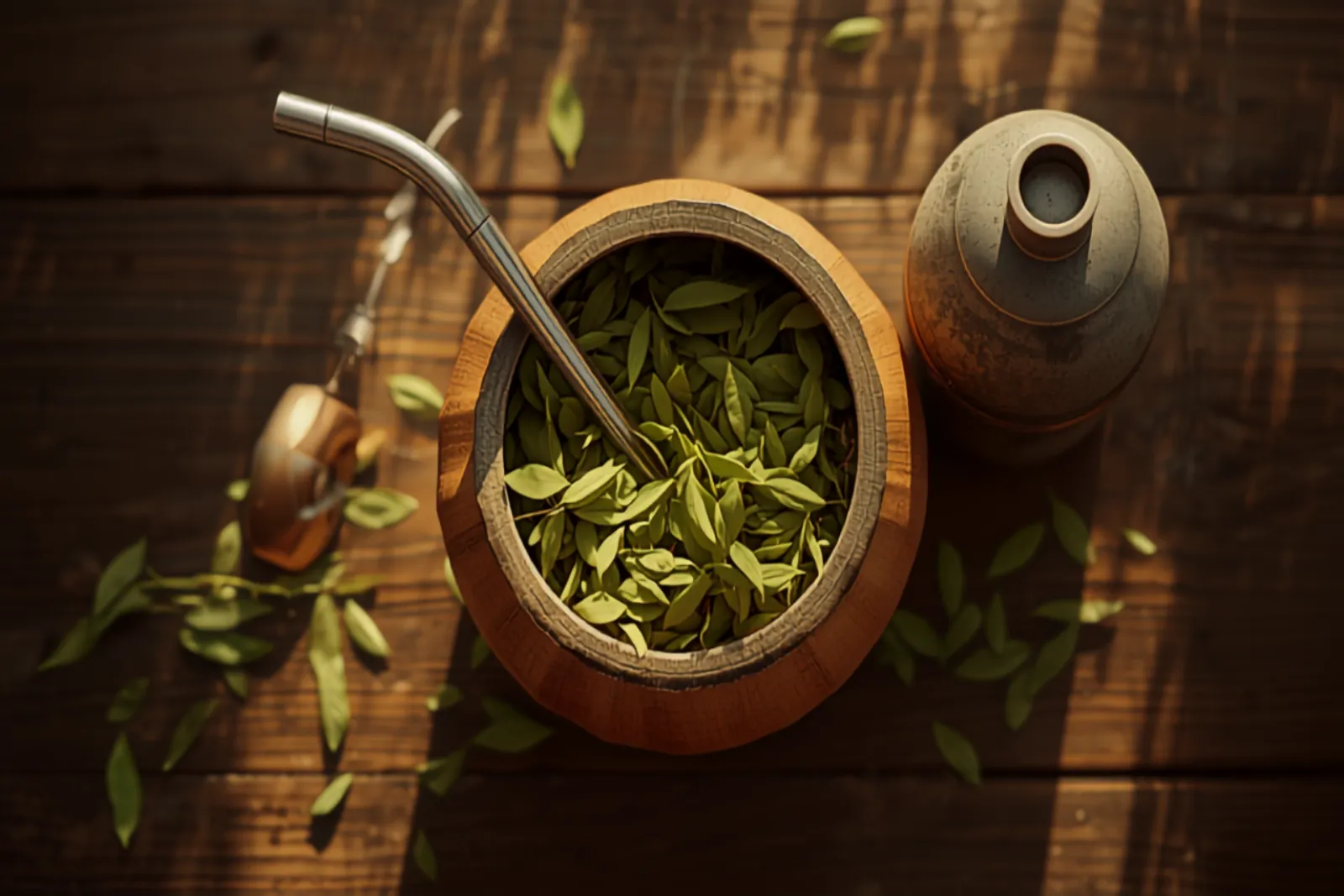
Mate is the heart of social life across the Southern Cone — first cultivated by the Guaraní and adopted across Argentina, Uruguay, Paraguay and southern Brazil. The same gourd and bombilla (metal straw) are refilled and passed around a circle, the server (cebador) topping it from a thermos. Refusing a turn is rare; the ritual matters as much as the caffeine lift it gives.
Yerba mate is the grassy, caffeinated herbal tea at the centre of daily life across Argentina, Uruguay and Paraguay — steeped in a gourd and sipped through a metal bombilla, then refilled and passed around a circle. It’s as much a social ritual as a drink.
Set the gourd
Fill it two-thirds with yerba, shake the dust to one side, and tilt the leaves into a slope — a dry “mountain” and a low “well.” Wet the well first and let it soak so the leaves are protected before the hot water comes.
Never use boiling water
Around 70–80°C is the rule. Boiling water scorches yerba and makes it harsh and bitter — the single most common mistake. Hot, not steaming.
Pour into the one wet well
Insert the bombilla into the wet leaves, pour into that same spot, drink, and refill it again and again — keeping the rest dry so the mate keeps giving good infusions. In summer, brew it cold with citrus for tereré. No gourd? Steep it like tea (mate cocido). Compare with Moroccan mint tea. More in the Drinks guide.
Ingredients
- to fill 2/3 of the gourd yerba mate (dried, ground ilex paraguariensis leaf) Argentine yerba is dustier and milder; Uruguayan is finer-ground and stronger; Paraguayan is often used for cold tereré. Start with an Argentine blend.
- about 70–80°C hot water (NOT boiling) Boiling water scorches yerba mate and makes it harsh and bitter — keep it well below the boil.
- a mate gourd (or cup) and a bombilla (filtered metal straw)
- optional cold water and orange slices, for tereré (the iced version)
Method
Tap a step’s number to check it off as you go.
-
Fill the gourd about two-thirds with yerba mate, cover the top with your hand, invert and shake gently, then tilt it so the yerba sits as a slope against one side.
Why: Shaking settles the finest dust away from the drinking side so it doesn't clog the bombilla; the slope creates a dry 'mountain' and a low 'well' to pour into.
-
Pour a little cool or warm water into the low well and let it soak in for a minute, then insert the bombilla into the wet well, angled and pressed to the bottom.
Why: Wetting the leaves first protects them from the hot water to come (keeping the brew sweet for longer), and placing the bombilla into already-wet yerba stops it clogging.
-
Pour hot (not boiling) water into the same well, drink it down through the bombilla, and refill the same spot again and again — keeping the dry 'mountain' dry as long as you can.
Why: Always pouring into the one wet well means the rest of the yerba stays fresh, so the mate keeps giving good infusions for many refills before it 'washes out' (lavado).
A quick, anonymous tap — no review needed.
Variations
- Tereré (iced)
Brew with ice-cold water and herbs or citrus instead of hot water — the refreshing Paraguayan summer version, drunk fast in the heat.
- Mate cocido
Steep yerba like a regular tea (in a bag or strained) and drink from a cup with milk and sugar — the easy, no-gourd way in.
- Sweetened or herbed
Some add sugar, mint, or burnt-sugar (mate dulce); purists drink it amargo (bitter). Add citrus peel or herbs to the water for a softer brew.
Serving & Storage
A morning or all-day caffeine ritual, traditionally shared. Pairs with medialunas (croissants), biscuits or facturas; the bitterness suits something sweet alongside.
Storage: Brew fresh. Keep hot water in a thermos at 70–80°C to refill the gourd over an hour or two. Store dry yerba sealed away from light and moisture so it stays aromatic.
Nutrition
Per serving (1 gourd serving (~150 ml))
- Calories
- 5
- Protein
- 0 g
- Carbs
- 1 g
- Fat
- 0 g
- Fiber
- 0 g
- Sugar
- 0 g
- Sodium
- 5 mg
Notable micronutrients: Caffeine, Antioxidants, B vitamins
Estimated using standard ingredient data. Values vary with brands and substitutions.
Frequently Asked Questions
Why shouldn't I use boiling water?
Boiling water scalds yerba mate, releasing harsh tannins and turning it bitter and astringent. Aim for about 70–80°C — hot but not steaming. If your kettle has no temperature setting, boil it then let it sit a few minutes, or mix in a splash of cold water before pouring.
Do I need a gourd and bombilla?
Not to start. The gourd-and-bombilla ritual is the traditional way and part of the pleasure, but you can steep yerba like loose-leaf tea (mate cocido) in a strainer or bag and drink it from a cup. If you enjoy it, a simple gourd and filtered metal straw are inexpensive and worth getting.
Why does mine get bitter or clog the straw?
Bitterness usually means water that's too hot, or pouring over the dry yerba instead of the one wet well. Clogging means fine dust got into the bombilla — fix it by shaking the gourd first to settle the dust away from the drinking side, and wetting the leaves before inserting the straw.
From our kitchen community
Ratings & Reviews
My Rating
Tap a star to rate — no sign-in, no form needed.
My Review
0 Ratings
🥣 0 home cooks made it!
Be the first to rate Yerba Mate (How to Brew & Share the Gourd).
Related Recipes

Morocco (the Maghreb) · Moroccan
Moroccan Mint Tea (Atay — Maghrebi Mint Tea)
Morocco's sweet, fragrant green tea poured from a height into a frothy glass. The proper method — washing the tea, layering the mint, and the famous long pour — plus how sweet it really should be.

Turkey (Ottoman coffee tradition) · Turkish
Turkish Coffee (Türk Kahvesi — Unfiltered & Foamy)
Finely ground coffee simmered slowly in a cezve to a rich foam, served unfiltered in tiny cups. The grind, the heat and the foam that make it — plus the ritual of the grounds left behind.
Japan (matcha tradition, Uji & Nishio) · Japanese
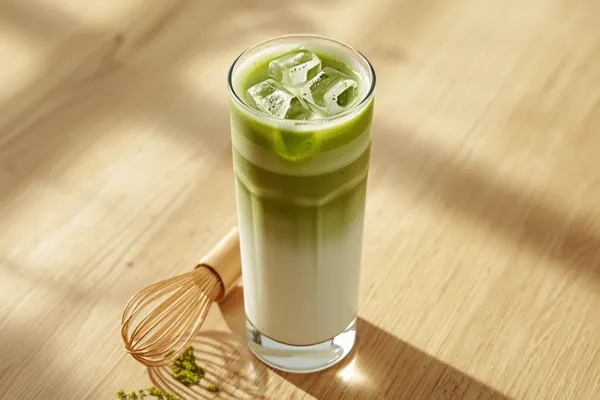
Matcha Latte (Whisked Japanese Green Tea Latte)
Stone-ground Japanese matcha whisked smooth and poured over steamed milk — grassy, sweet and gently caffeinated, with no bitterness when you make it right. A café favourite that's better and cheaper at home.