Kerala / South India · Indian
Appam with Vegetable Stew (Kerala Lacy Rice Hoppers)
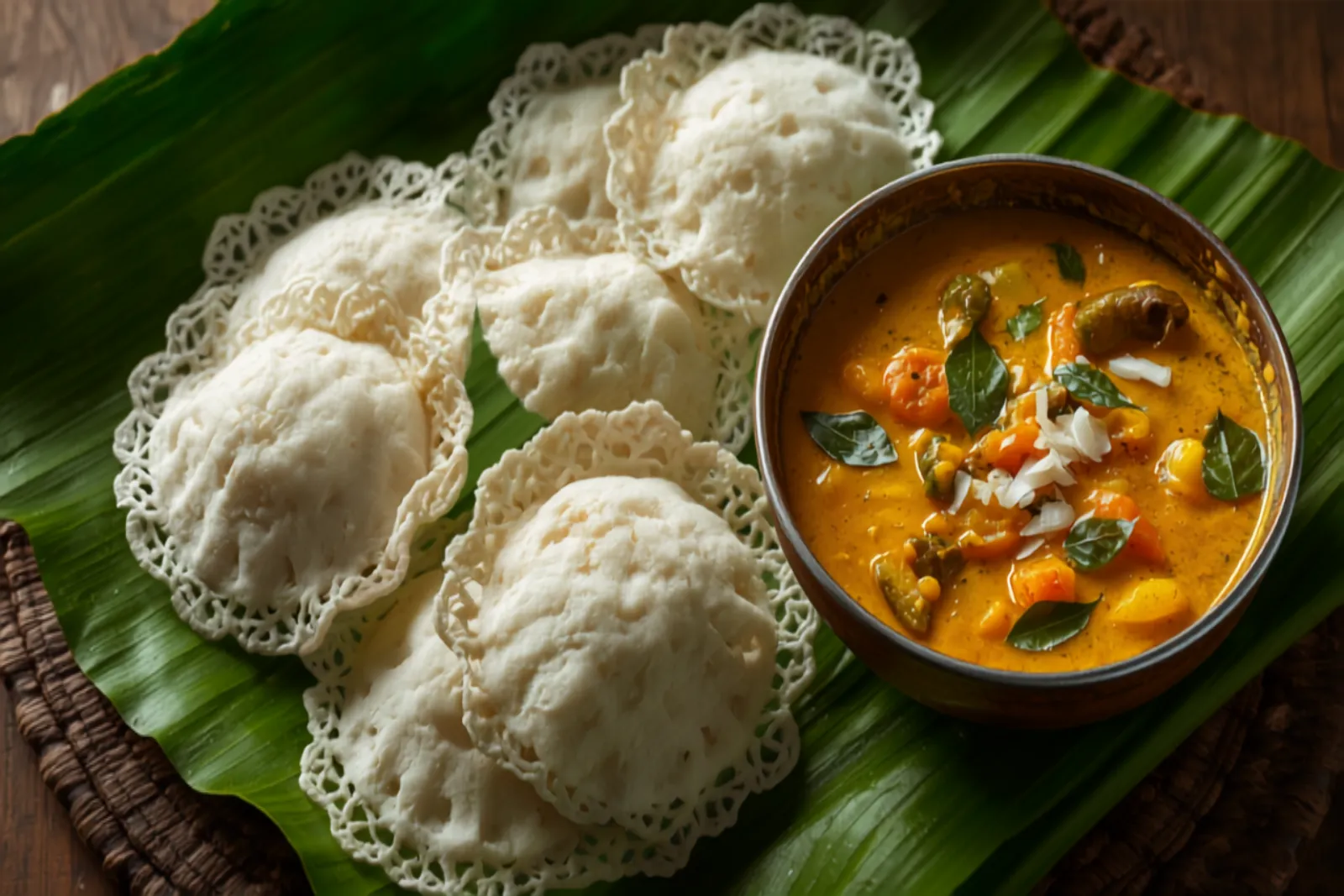
Kerala's soft, lacy-edged fermented rice-and-coconut hoppers, served with a gently spiced coconut-milk vegetable stew. A breakfast-table classic of the Malabar and Travancore coasts — pillowy in the centre, crisp at the rim.
Published June 24, 2026
Cultural context
Appam — a fermented rice-and-coconut pancake, bowl-shaped with a thick spongy centre and lacy crisp edges — is a cornerstone of Kerala's breakfast and feast tables, cooked across Hindu, Christian, and Muslim kitchens alike. It is most beloved alongside a mild coconut-milk stew (ishtu), a dish that shows the Malabar coast's love of coconut and whole spices over chilli heat.
Appam with stew is the gentle, coconut-scented heart of a Kerala breakfast. The appam itself is a small miracle of texture: a fermented rice-and-coconut batter swirled in a bowl-shaped pan so it sets thick and spongy in the middle and thin, crisp, and lacy at the rim. Alongside it goes ishtu — a mild stew of vegetables simmered in coconut milk with whole spices and curry leaves, with not a chilli’s worth of fierce heat in sight.
The batter is everything
Appam lives or dies on its batter — smooth, pourable, and properly fermented until frothy. The coconut gives it tenderness and a faint sweetness, the fermentation gives it lift and a clean sour note, and a little cooked rice guarantees the soft centre. Give it a full overnight rise; a sluggish batter makes flat, dense appams.
A stew, not a curry
Kerala’s stew is deliberately pale and delicate. You sweat the aromatics in coconut oil without colour, simmer the vegetables in thin coconut milk, and finish with thick coconut milk off the boil so it stays silky. The result is soothing rather than spicy — the perfect foil for the appam’s crisp edge.
Getting the shape
Pour a ladle of batter into the hot pan and immediately swirl, tilting so a thin film climbs the sides while a pool stays in the centre. Cover, cook on one side only, and lift out. The first one is always a practice round.
Hungry for more of the coast? Browse the full recipe collection or read the South Indian cooking guide.
Ingredients
For the appam batter
- 1.5 cups raw rice (or idli rice) Soaked 4–5 hours; sona masuri or any short/medium raw rice works.
- 1/2 cup cooked rice Helps give the soft, spongy centre.
- 1 cup fresh grated coconut (or thick coconut milk)
- 1/4 tsp instant yeast Traditional cooks use toddy or a little extra batter; yeast is the reliable modern shortcut.
- 1–2 tsp sugar
- salt, to taste
For the vegetable stew
- 2 tbsp coconut oil
- 1 onion, sliced
- 1 inch ginger, julienned
- 2 green chillies, slit
- 8–10 curry leaves
- 3 cups mixed vegetables (potato, carrot, beans, peas) Cut into even chunks so they cook at the same rate.
- 1.5 cups thin coconut milk
- 3/4 cup thick coconut milk Added at the end and never boiled hard, or it splits.
- 4 whole spices: cloves, cardamom, a small cinnamon piece, peppercorns
Method
Tap a step’s number to check it off as you go.
-
Soak the raw rice 4–5 hours, then grind with the cooked rice and coconut to a smooth, slightly thin batter. Dissolve the yeast and sugar in a little warm water, stir in, add salt, cover, and leave to ferment 8 hours or overnight until frothy and risen.
Why: Fermentation is what gives appam its sour-sweet depth and the bubbles that create the lacy edge; the cooked rice and coconut make the centre soft.
-
Start the stew: warm coconut oil and gently soften the onion, ginger, green chilli, curry leaves, and whole spices without browning.
Why: Kerala stew is pale and fragrant, not browned — keeping the colour light and the spices whole keeps the flavour delicate.
-
Add the vegetables and the thin coconut milk, season with salt, and simmer until just tender.
Why: Cooking the vegetables in thin coconut milk infuses them while keeping the gravy light.
-
Lower the heat, stir in the thick coconut milk, and warm through without boiling. Taste for salt and switch off.
Why: Thick coconut milk added off a hard boil stays silky; boiled hard it curdles and turns grainy.
-
Cook the appams: stir the batter (it should coat a spoon and pour easily; loosen with a little water if needed). Pour a ladle into a hot, lightly oiled appam pan or small kadai, then immediately swirl so batter climbs the sides.
Why: The swirl is the technique: a thick pool settles in the middle while a thin film sets on the sloping sides, giving the signature thick-centre, lacy-rim shape.
-
Cover and cook on medium for 1–2 minutes until the edges are golden and crisp and the centre is set and spongy. Lift out — appams cook on one side only. Serve hot with the stew.
Why: Covering steams the soft centre while the base crisps; flipping would flatten the airy middle.
A quick, anonymous tap — no review needed.
Variations
- Chicken or egg stew
Swap the vegetables for bite-size chicken or add halved boiled eggs at the end for the non-vegetarian version served at feasts.
- Quick yeast-free
Blend the batter with a little cooked rice and a pinch of baking soda just before cooking if you're short on fermenting time — less complex, but it works.
- Coconut-milk batter
Use thick coconut milk in place of fresh coconut for an even richer, more tender appam.
Serving & Storage
Serve hot off the pan, lacy-side up, with the coconut stew ladled alongside. Appams also pair beautifully with egg roast, kadala curry, or a simple sweetened coconut milk.
Pairs with: Vegetable ishtu, Egg roast, Kadala curry, Sweetened coconut milk.
Storage: The batter keeps refrigerated for 2–3 days (it grows more sour). Cooked appams are best fresh; the stew keeps 2 days and reheats gently without boiling.
Nutrition
Per serving (2–3 appams with stew (1/4 recipe))
- Calories
- 420
- Protein
- 8 g
- Carbs
- 62 g
- Fat
- 16 g
- Fiber
- 6 g
- Sugar
- 6 g
- Sodium
- 480 mg
Notable micronutrients: Manganese, Vitamin A, Potassium
Estimated using standard ingredient data. Values vary with brands and substitutions.
Frequently Asked Questions
Why didn't my appams get lacy edges?
Either the batter was too thick or the pan wasn't hot enough to set the thin film as you swirled. The batter should be pourable and the pan properly preheated; swirl immediately after pouring.
Can I make appam without yeast?
Yes — traditionally the rise came from toddy or from a spoon of already-fermented batter. A small amount of instant yeast is simply the most reliable modern method. Natural overnight fermentation also works in warm climates.
What's the difference between appam and a regular dosa?
Appam batter includes coconut and is fermented to be airy and slightly sweet, and it's cooked in a bowl-shaped pan so it has a thick spongy centre and thin crisp rim — quite different from the flat, crisp dosa.
What to drink with this
All drinks →Hand-picked pours to match this dish.
North & West India (peak-summer drink across the subcontinent) · Indian
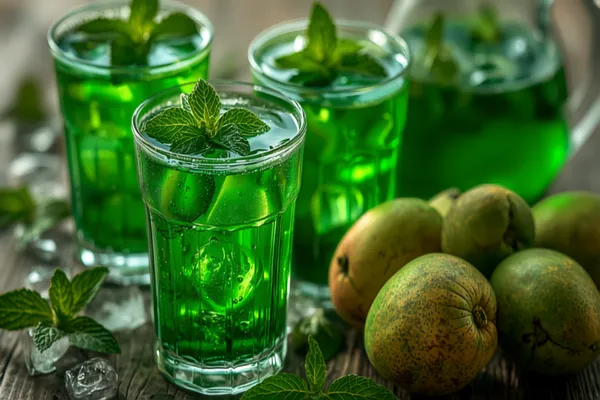
Aam Panna (Raw Green Mango Summer Cooler)
India's tangy, jade-green raw-mango cooler — roasted or boiled green mangoes blended with cumin, black salt and mint. The traditional heat-stroke remedy that tastes like summer.
Pan-Indian (North & West India) · Indian
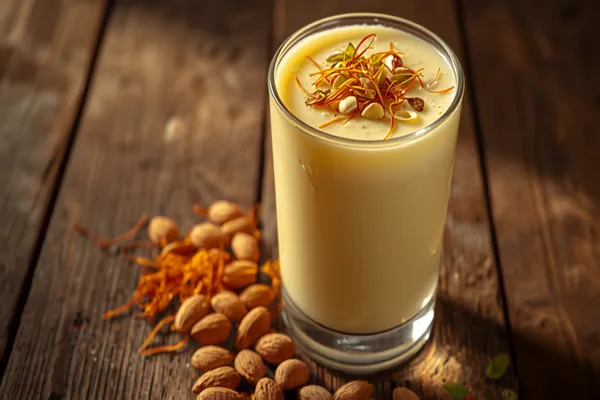
Badam Milk (Saffron Almond Milk)
Milk simmered with a paste of soaked almonds, saffron, cardamom and a whisper of nutmeg — India's rich, fragrant almond drink. Comforting served warm in winter, reviving served chilled in summer, festive any time.
Pan-Indian (Gujarat & West India especially) · Indian
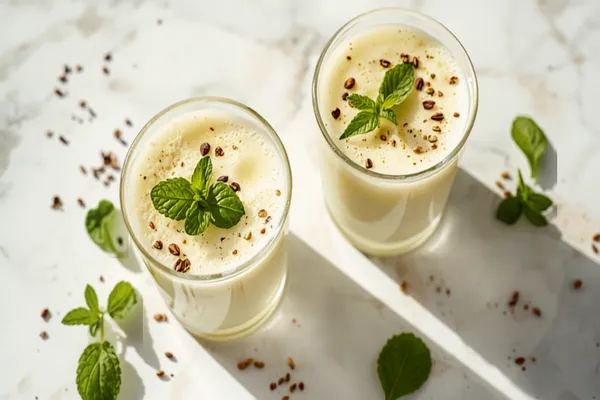
Chaas (Spiced Indian Buttermilk / Masala Chaas)
Whisked yogurt thinned with water and seasoned with cumin, green chilli, ginger and curry leaves — India's cooling, savoury buttermilk. A salty-tangy digestive that beats the heat and settles a heavy meal in two minutes.
From our kitchen community
Ratings & Reviews
My Rating
Tap a star to rate — no sign-in, no form needed.
My Review
0 Ratings
🥣 0 home cooks made it!
Be the first to rate Appam with Vegetable Stew (Kerala Lacy Rice Hoppers).
Related Recipes
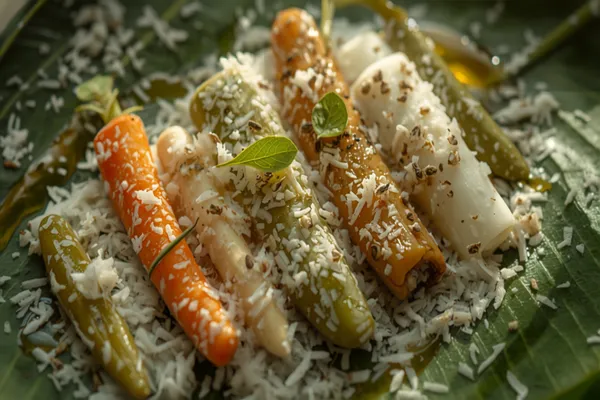
Kerala / South India · Indian
Avial (Kerala Mixed Vegetables in Coconut and Yogurt)
A cornerstone of the Kerala sadya: a medley of vegetables simmered until tender and bound in a coconut-cumin paste with tangy yogurt, finished with raw coconut oil and curry leaves. Wholesome, gentle, and quietly addictive.
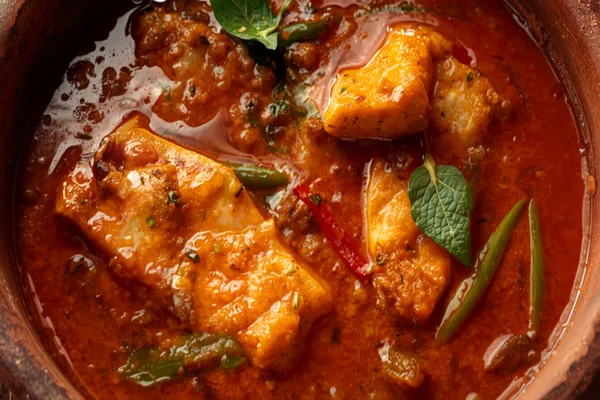
Kerala / South India (Malabar coast) · Indian
Kerala Fish Curry (Meen Curry with Coconut)
A coastal Kerala classic: fish simmered in a tangy, coconut-rich gravy sharpened with kokum-like kudampuli (Malabar tamarind) and a fragrant curry-leaf tempering. Sour, spicy, and built for rice.
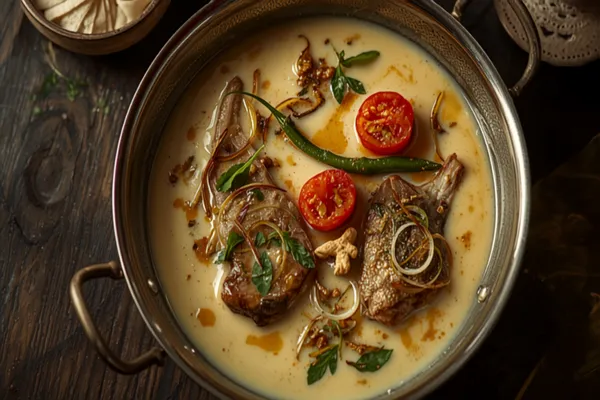
Kerala / South India (Fort Kochi and the Travancore coast) · Indian
Meen Moilee (Kerala Fish Molee in Coconut Milk)
Kerala's pale gold coconut-milk fish stew — seer fish poached gently in shallots, ginger, green chilli and two grades of coconut milk. Barely spiced, deeply fragrant, and the most elegant fish curry on the Malabar coast.
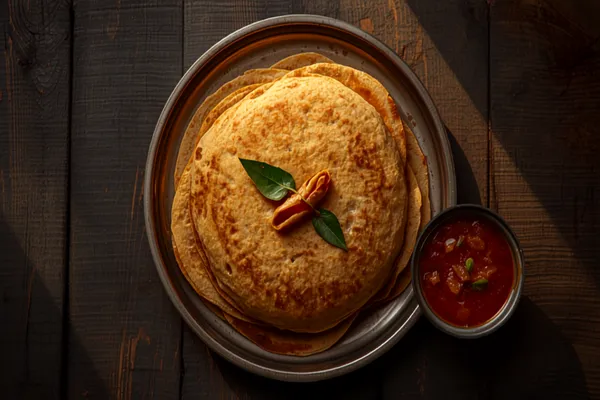
Malabar Coast, Kerala · Indian
Malabar Parotta (Kerala Layered Flatbread)
The flaky, pull-apart layered flatbread of the Malabar Coast — soft dough stretched paper-thin, coiled into a spiral, and griddled until it shatters into ribbons. Slap it hot and eat it with curry.