Egypt (pan-Egyptian) · Egyptian
Ful Medames (Egyptian Stewed Fava Beans)
Egypt's ancient breakfast: fava beans slow-simmered until soft, mashed with garlic, cumin, lemon and olive oil, and finished with tomato and herbs. Scooped with warm bread, it's been fuelling the country for millennia.
Published June 24, 2026
Cultural context
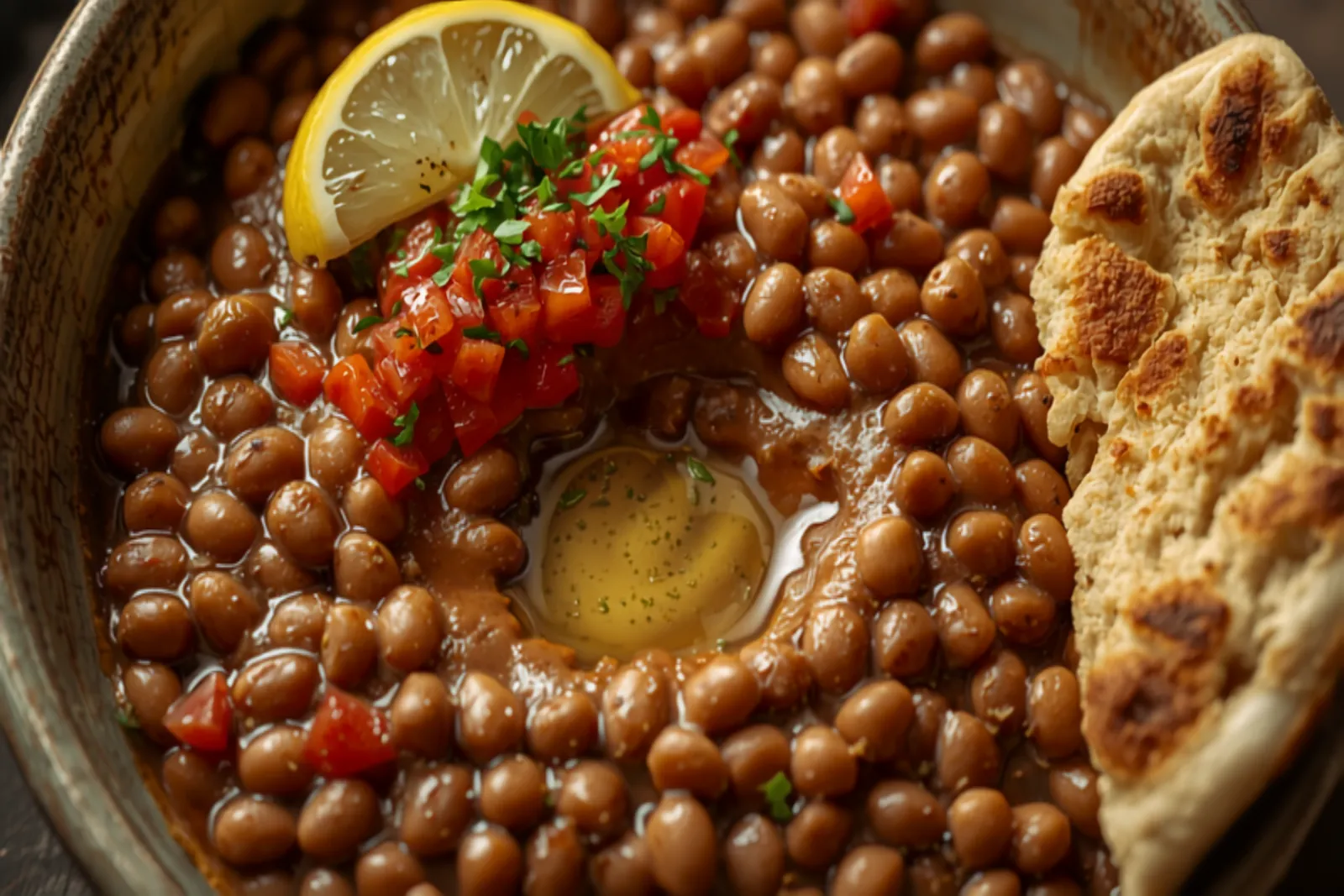
Ful medames — slow-cooked fava beans — is the everyday breakfast of Egypt and much of the Levant, so old its name appears in connection with ancient Egypt. Traditionally the beans are simmered overnight in a tall, narrow pot called a qidra, sold from street carts at dawn and scooped into bread. Cheap, filling and protein-rich, it's the original fast-breaking food, dressed simply with oil, lemon, cumin and whatever's to hand.
Ful medames — slow-stewed fava beans — is the everyday breakfast of Egypt, and one of the oldest dishes still in daily use anywhere: its name turns up in connection with ancient Egypt, and it has been fuelling the country for millennia. The beans are simmered soft, mashed with garlic, cumin, lemon and olive oil, and finished with fresh tomato and herbs, then scooped up with warm bread. Cheap, filling and protein-rich, it’s the original fast-breaking food.
Soft, half-mashed, well-seasoned
Traditionally ful is simmered overnight in a tall narrow pot called a qidra and sold from carts at dawn; at home, canned fava beans warmed through get you there in half an hour. The texture is the thing to aim for — soft and a little soupy, with about half the beans mashed to a cream and half left whole for body. Cook the garlic and cumin into the warm beans rather than just sprinkling them on, then brighten everything with lemon and a generous amount of good olive oil.
A breakfast built around it
Ful is rarely eaten alone. Spoon it into a shallow bowl, flood the well with more olive oil, and pile on diced tomato and parsley — then surround it with whatever’s to hand: cucumber, pickles, olives, tahini, a sliced boiled egg, a pinch of chilli. With warm pita for scooping, it becomes the generous, build-your-own Egyptian breakfast that’s been starting the day there for thousands of years.
For more of the Egyptian table, try koshari and ta’ameya, or browse the full recipe collection.
Ingredients
For the beans
- 2 cans (800 g) ful medames (small brown fava beans) Canned ful is the easy route. From dried, soak overnight and simmer until very soft, 1-2 hours.
- 120 ml water or the bean liquid
For seasoning
- 4 cloves garlic, crushed to a paste with a little salt
- 1.5 tsp ground cumin
- 1 large lemon, juiced
- 4 tbsp extra-virgin olive oil, plus more to finish
- salt, to taste
To top
- 1 tomato, finely diced
- 1 small handful flat-leaf parsley, chopped
- chopped chilli, Aleppo pepper, tahini or a sliced boiled egg (optional)
To serve
- warm pita or baladi bread
Method
Tap a step’s number to check it off as you go.
-
Warm the beans gently in their liquid (or fresh water) until heated through and soft, about 10-15 minutes.
Why: Ful should be soft and a little soupy; warming the canned beans in liquid loosens them and lets the seasonings soak in.
-
Stir in the garlic paste and cumin and simmer a few minutes.
Why: Cooking the garlic and cumin into the warm beans, rather than just sprinkling them on, lets the flavour penetrate the whole pot.
-
Mash about half the beans with a fork or masher, leaving the rest whole, then stir in the lemon juice, olive oil and salt.
Why: Half-mashing gives ful its classic texture — creamy and scoopable but still with whole beans for body. Lemon and oil brighten and enrich it.
-
Spoon into a shallow bowl, make a well, and pool with more olive oil. Top with diced tomato, parsley and any extras you like.
Why: The generous finishing oil and the fresh toppings are part of every bite; the tomato and herbs lift the earthy beans.
-
Serve warm with plenty of bread for scooping.
Why: Ful is eaten by scooping with bread, not with a fork — warm, pliable bread is essential to the meal.
A quick, anonymous tap — no review needed.
Variations
- With tahini
Stir a couple of spoonfuls of tahini (or tahini loosened with lemon) into the beans for a richer, creamier ful — popular across the Levant.
- Ful with egg
Top with a sliced or chopped hard-boiled egg, or stir a soft egg through, for a more substantial breakfast.
- Spicy
Add chopped fresh chilli, a spoon of shatta, or a generous pinch of Aleppo pepper for heat.
Serving & Storage
Serve warm for breakfast or any meal, with warm pita or flatbread, and a spread of accompaniments — tomato, cucumber, pickles, olives, tahini and boiled eggs — to scoop alongside.
Pairs with: Warm pita / baladi bread, Ta'ameya (falafel), Pickles and tomato, Sweet black tea.
Storage: Keeps 4 days refrigerated and reheats well with a splash of water; the flavour deepens overnight. Add the fresh toppings and finishing oil just before serving.
Nutrition
Per serving (1/4 recipe (no bread))
- Calories
- 290
- Protein
- 13 g
- Carbs
- 30 g
- Fat
- 14 g
- Fiber
- 11 g
- Sugar
- 3 g
- Sodium
- 360 mg
Notable micronutrients: Iron, Folate, Fiber, Magnesium
Estimated using standard ingredient data. Values vary with brands and substitutions.
Frequently Asked Questions
What beans do I need?
Small brown fava beans (ful medames), sold dried or canned, often labelled 'fava beans' or 'foul'. Canned ful is the quick route; from dried, soak overnight and simmer for an hour or two until very soft.
How soft should it be?
Soft and a little soupy, with about half the beans mashed and half left whole. It should be creamy and scoopable, never dry — loosen with the bean liquid or water as needed.
What do I serve with it?
Warm bread above all, plus any of the classic accompaniments: diced tomato, cucumber, pickles, olives, tahini, boiled eggs and chilli. Ful is the centre of a generous, build-your-own breakfast spread.
What to drink with this
All drinks →Hand-picked pours to match this dish.

Morocco (the Maghreb) · Moroccan
Moroccan Mint Tea (Atay — Maghrebi Mint Tea)
Morocco's sweet, fragrant green tea poured from a height into a frothy glass. The proper method — washing the tea, layering the mint, and the famous long pour — plus how sweet it really should be.

Turkey (Ottoman coffee tradition) · Turkish
Turkish Coffee (Türk Kahvesi — Unfiltered & Foamy)
Finely ground coffee simmered slowly in a cezve to a rich foam, served unfiltered in tiny cups. The grind, the heat and the foam that make it — plus the ritual of the grounds left behind.

Mexico (agua fresca tradition) · Mexican
Agua de Jamaica (Hibiscus Iced Tea)
Mexico's ruby-red hibiscus cooler: dried jamaica flowers steeped, sweetened and chilled into a tart, refreshing agua fresca. The right steep, how to control the tartness, and why it's so good for you.
From our kitchen community
Ratings & Reviews
My Rating
Tap a star to rate — no sign-in, no form needed.
My Review
0 Ratings
🥣 0 home cooks made it!
Be the first to rate Ful Medames (Egyptian Stewed Fava Beans).
Related Recipes

Egypt (Cairo) · Egyptian
Koshari (Egyptian Rice, Lentils, Pasta and Crispy Onions)
Egypt's national dish and ultimate comfort food: a glorious carb-on-carb layering of rice, brown lentils and macaroni topped with chickpeas, a garlicky-spiced tomato sauce, a sharp vinegar daqqa, and a mountain of crispy fried onions.
Egypt (Cairo & the Delta) · Egyptian
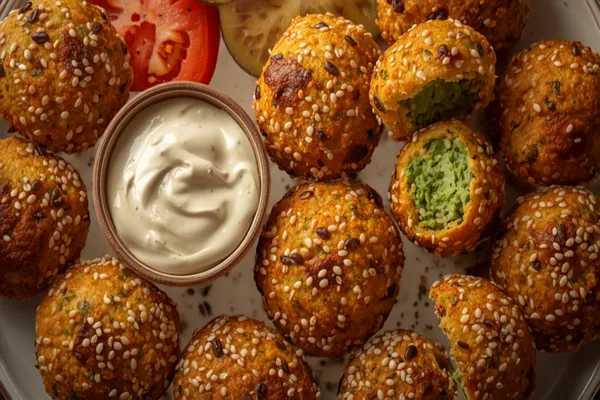
Ta'ameya (Egyptian Fava Bean Falafel)
Egypt's own falafel: split dried fava beans blitzed with herbs, leeks and garlic into a vivid green batter, formed into patties and fried until shatteringly crisp outside and fluffy-green within. Lighter and herbier than its chickpea cousin.
The Levant (Lebanon, Syria, Palestine) · Lebanese
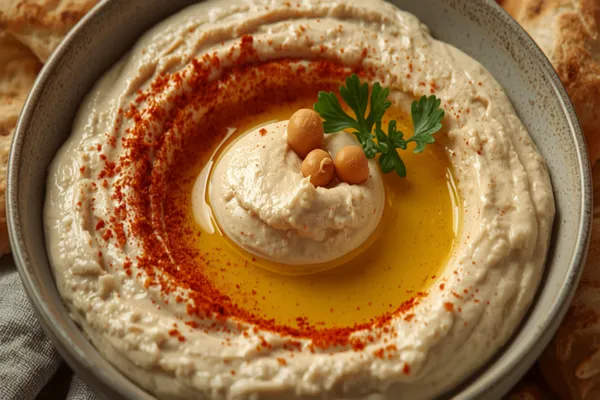
Hummus (Lebanese Chickpea and Tahini Dip)
Properly smooth, lemony hummus: chickpeas blended with a generous amount of tahini, lemon and garlic into a silky, savoury dip, swirled in a bowl and pooled with good olive oil. The cornerstone of the mezze table.