The Levant (Lebanon, Syria, Palestine) · Lebanese
Hummus (Lebanese Chickpea and Tahini Dip)
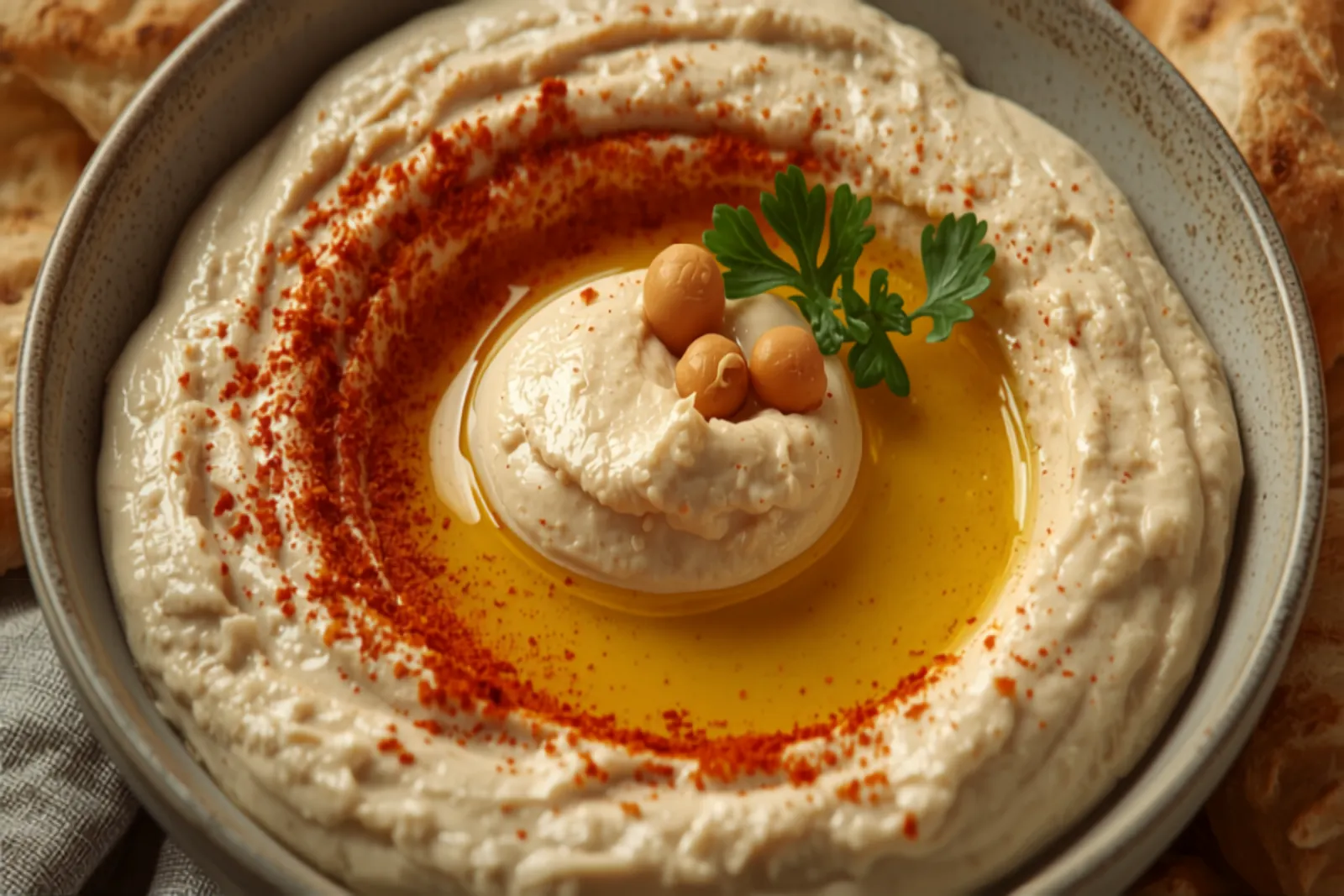
Properly smooth, lemony hummus: chickpeas blended with a generous amount of tahini, lemon and garlic into a silky, savoury dip, swirled in a bowl and pooled with good olive oil. The cornerstone of the mezze table.
Published June 24, 2026
Cultural context
Hummus bi tahini — 'chickpeas with tahini' — is one of the defining dishes of the Levant, eaten daily across Lebanon, Syria, Palestine and beyond, and the subject of friendly cross-border rivalry over who makes it best. The hallmarks of a great one are silkiness and a generous, almost equal hand with the tahini — not the thick, under-seasoned supermarket style. It's scooped with warm bread, never eaten with a fork.
Hummus needs little introduction, but the version most people know — thick, pasty, under-seasoned — is a long way from the real thing. Proper Levantine hummus bi tahini is silky, bright with lemon, and made with a generous, almost equal hand of tahini that gives it richness and a savoury depth. It’s a cornerstone of the mezze table from Lebanon to Palestine, scooped with warm bread and pooled with good olive oil.
Smoothness is a technique, not a blender
Two things stand between you and silky hummus, and neither is your machine. The first is the chickpea skins, which make it grainy — simmering the chickpeas briefly with a little baking soda lets you rub the skins off easily, and it’s worth the few minutes. The second is the tahini: use plenty of it, good and runny, and emulsify it with the lemon juice first so it turns pale and creamy before the chickpeas go in.
Cold water is the secret
The final move that separates café hummus from homemade is whipping in ice-cold water, a spoonful at a time, until the mixture turns pale, glossy and almost too soft to hold a shape. It firms slightly as it sits, ending up light and spoonable rather than dense. Spread it with the back of a spoon, flood the well with olive oil, dust with paprika or sumac, and serve with warm pita — and a fork stays in the drawer.
Build the mezze table with tabbouleh and chicken shawarma, or browse the full recipe collection.
Ingredients
For the hummus
- 1 can (400 g) chickpeas, drained (or 250 g cooked from dried) For the silkiest result, simmer canned chickpeas with 1/2 tsp baking soda for 10 minutes and slip off the skins.
- 120 g (about 1/2 cup) tahini Good, runny, light-coloured tahini. This generous amount is what makes it Levantine, not a thin chickpea purée.
- 1 large lemon, juiced (about 3-4 tbsp)
- 1 small clove garlic
- 1/2 tsp ground cumin (optional)
- 1/2 tsp salt, to taste
- 3-5 tbsp ice-cold water The secret to fluffiness — added gradually while blending.
To serve
- extra-virgin olive oil, paprika or sumac, and a few whole chickpeas; warm pita
Method
Tap a step’s number to check it off as you go.
-
If you want it really smooth, simmer the chickpeas with a little baking soda for 10 minutes, then rub off the skins under water and drain.
Why: The skins are what make hummus grainy; removing them (and the baking soda softening) is the single biggest step toward silkiness.
-
Blend the lemon juice and garlic first and let it sit 2 minutes, then strain out the garlic if you want it mellow.
Why: Steeping raw garlic in acid tames its harsh bite so it seasons the hummus without overpowering it.
-
Add the tahini and blend until it thickens and turns pale — it will seize, then loosen.
Why: Emulsifying the tahini with the lemon first builds the creamy base; don't panic when it stiffens, that's the emulsion forming.
-
Add the chickpeas, cumin and salt and blend, then stream in ice-cold water a spoon at a time until it's pale, glossy and almost too soft.
Why: Cold water whips air in and lightens the texture to a fluffy, spoonable cream — the mark of a really good hummus. It firms slightly as it sits.
-
Spread in a bowl with the back of a spoon, make a well, and pool with olive oil, a dusting of paprika or sumac and a few chickpeas. Serve with warm pita.
Why: The swoosh and the olive-oil pool aren't just for looks — that ribbon of good oil is part of every scoop.
A quick, anonymous tap — no review needed.
Variations
- Hummus with toppings
Top with spiced sautéed lamb mince and pine nuts (hummus kawarma), or a tangle of roasted vegetables, to turn it into a meal.
- Extra-lemony / garlicky
Adjust to taste — Levantine hummus leans bright and tangy; add more lemon and a touch more garlic if you like it sharp.
- Roasted red pepper or beetroot
Blend in a roasted red pepper or a small cooked beetroot for a coloured, sweeter variation (not traditional, but popular).
Serving & Storage
Serve as the centre of a meze spread with warm pita, olives, pickles and tabbouleh, or as a dip for crudités. Always scooped with bread, with a generous pool of good olive oil on top.
Pairs with: Warm pita, Tabbouleh, Falafel or ta'ameya, Pickles and olives.
Storage: Keeps 4 days refrigerated under a film of olive oil; the flavour deepens but it firms up, so loosen with a little water before serving. Freezes acceptably.
Nutrition
Per serving (1/6 recipe)
- Calories
- 220
- Protein
- 7 g
- Carbs
- 16 g
- Fat
- 15 g
- Fiber
- 5 g
- Sugar
- 1 g
- Sodium
- 300 mg
Notable micronutrients: Folate, Iron, Magnesium, Calcium
Estimated using standard ingredient data. Values vary with brands and substitutions.
Frequently Asked Questions
How do I make it really smooth?
Remove the chickpea skins (simmering with a little baking soda makes them slip off easily), use plenty of good tahini, and blend in ice-cold water until light. Skins and stingy tahini are the two usual culprits behind grainy, dull hummus.
Is that too much tahini?
No — a generous, near-equal amount of tahini is exactly what makes Levantine hummus rich and silky rather than a thin chickpea purée. It's the defining ingredient.
Can I use dried chickpeas?
Yes, and they give the best flavour and texture. Soak overnight and simmer (with a little baking soda) until very soft. Canned chickpeas are a perfectly good shortcut, especially if you skin them.
What to drink with this
All drinks →Hand-picked pours to match this dish. Alcoholic pairings are for adults of legal drinking age (21+ in the US) — please drink responsibly.
Pan-Indian (the everyday tea of the subcontinent) · Indian
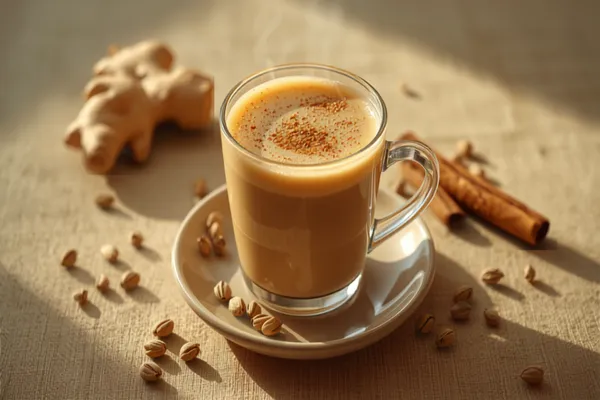
Masala Chai (Spiced Indian Tea)
India's daily ritual in a cup: black tea brewed with milk, sugar and freshly crushed spices. The proper stovetop method, plus how to build your own masala.
Mexico (agua fresca tradition) · Mexican
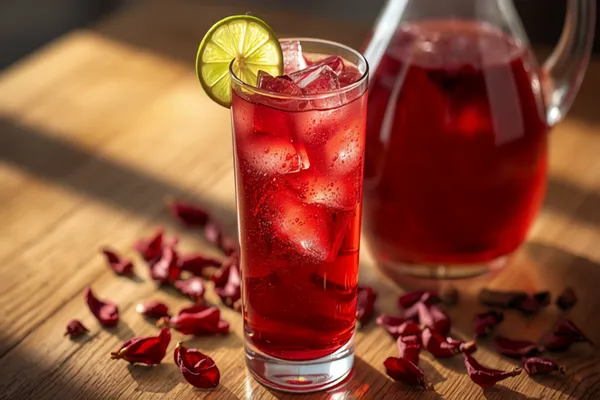
Agua de Jamaica (Hibiscus Iced Tea)
Mexico's ruby-red hibiscus cooler: dried jamaica flowers steeped, sweetened and chilled into a tart, refreshing agua fresca. The right steep, how to control the tartness, and why it's so good for you.
 21+
21+ Florence, Italy (Tuscan aperitivo tradition) · Italian
Negroni (The Perfect Three-Part Aperitivo)
Equal parts gin, Campari and sweet vermouth, stirred over ice with an orange peel. Italy's great bitter aperitivo — the easiest world-class cocktail to remember and one of the hardest to improve on.
From our kitchen community
Ratings & Reviews
My Rating
Tap a star to rate — no sign-in, no form needed.
My Review
0 Ratings
🥣 0 home cooks made it!
Be the first to rate Hummus (Lebanese Chickpea and Tahini Dip).
Related Recipes
The Levant (Lebanon & Syria) · Lebanese
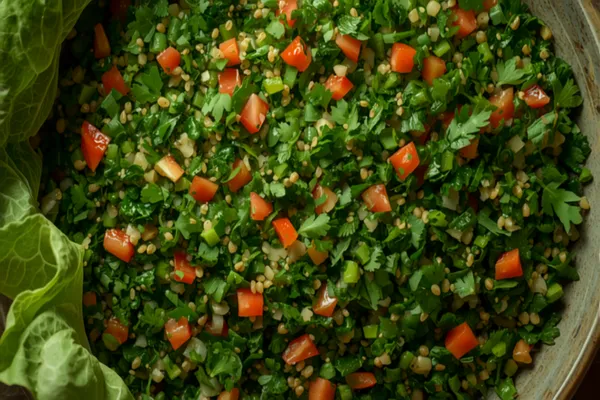
Tabbouleh (Lebanese Parsley and Bulgur Salad)
The real Lebanese tabbouleh: a vivid green salad that's mostly finely chopped parsley and mint, with just a little fine bulgur, sweet tomato and a sharp lemon-and-olive-oil dressing. Fresh, herby and nothing like the grain-heavy imitations.
The Levant (Lebanon, Syria, Palestine) · Lebanese
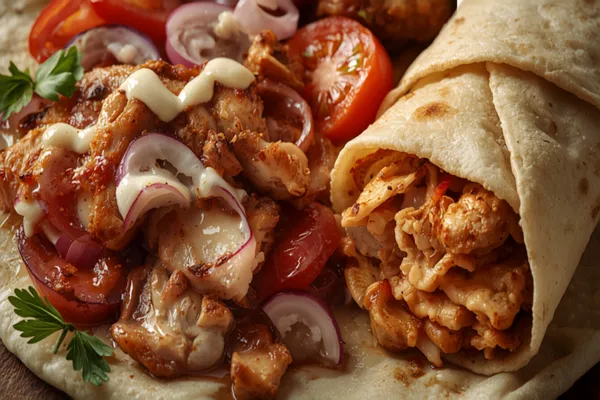
Chicken Shawarma (Levantine Spiced Roast Chicken)
Home-style chicken shawarma: thigh meat marinated in yogurt, garlic and a warm Levantine spice blend, roasted until charred and juicy, then sliced and wrapped in flatbread with garlic sauce, pickles and tomato.
The Levant (Lebanon, Syria, Jordan, Palestine) · Middle Eastern
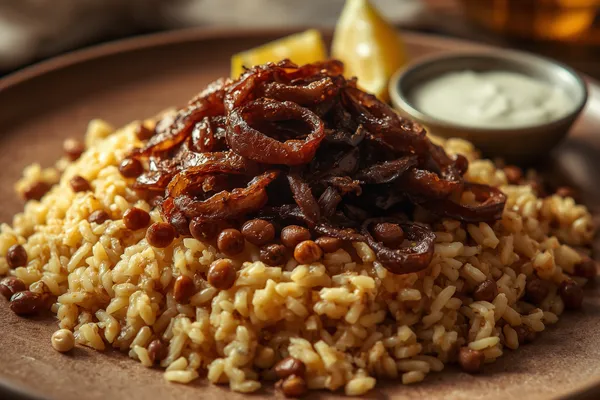
Mujaddara (Lentils and Rice with Crispy Caramelized Onions)
The Levantine dish of lentils, rice, and deeply caramelized onions — humble, ancient, and quietly luxurious. A handful of ingredients turned into something far greater than their cost, crowned with onions fried until almost black and sweet.