The Levant (Lebanon & Syria) · Lebanese
Tabbouleh (Lebanese Parsley and Bulgur Salad)
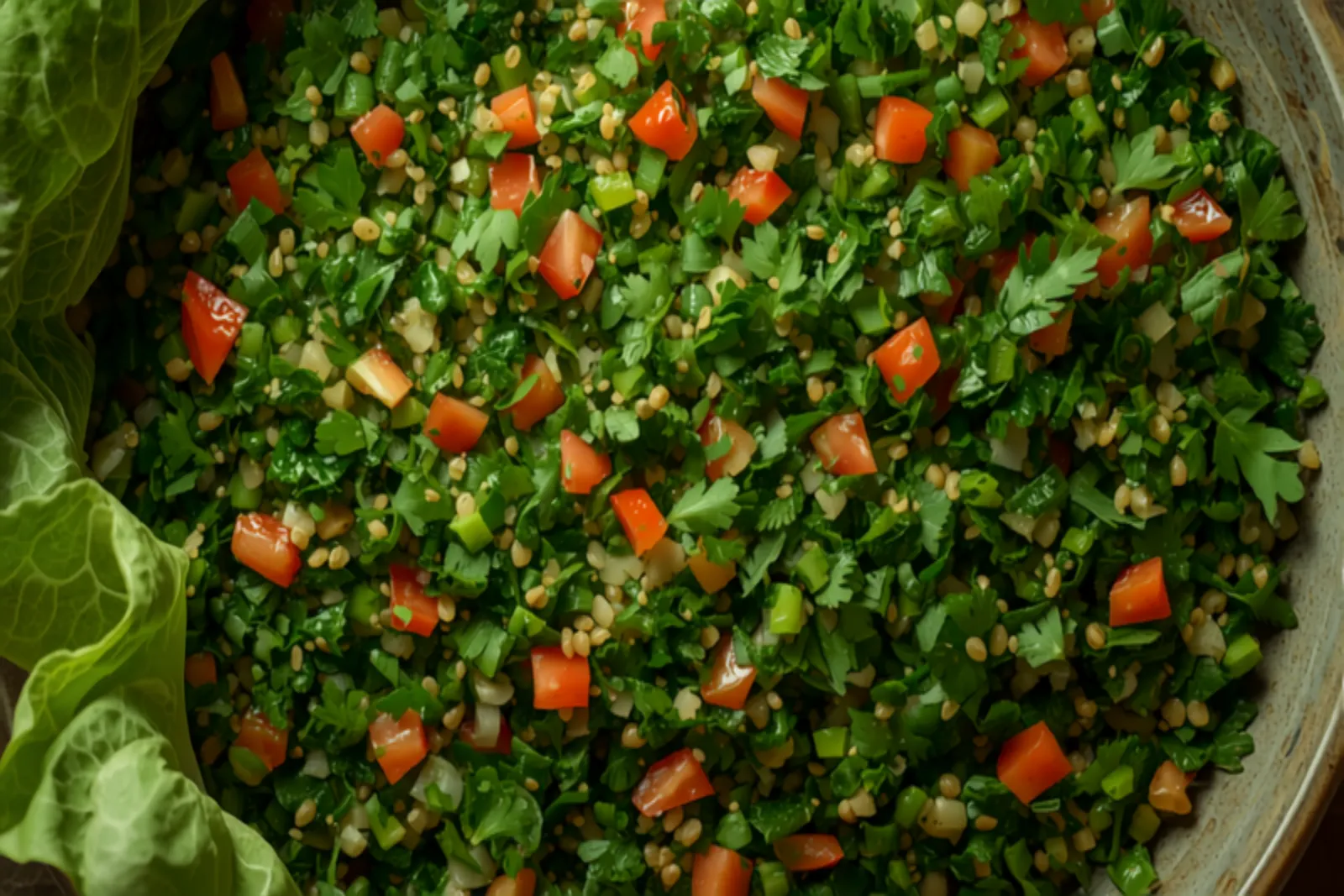
The real Lebanese tabbouleh: a vivid green salad that's mostly finely chopped parsley and mint, with just a little fine bulgur, sweet tomato and a sharp lemon-and-olive-oil dressing. Fresh, herby and nothing like the grain-heavy imitations.
Published June 24, 2026
Cultural context
Tabbouleh is a jewel of the Lebanese mezze table and a point of national pride — so much so that Lebanon holds a record for the largest bowl ever made. The crucial thing foreigners get wrong is the ratio: real tabbouleh is overwhelmingly parsley, with bulgur as a minor accent, not a bulgur salad flecked with herbs. It's traditionally scooped with crisp romaine or cabbage leaves.
Tabbouleh is one of the brightest things on the Lebanese mezze table — and one of the most misunderstood. The version sold abroad is often a heavy bowl of bulgur wheat with a few specks of green; the real thing is the reverse, an intensely herby salad that is overwhelmingly finely chopped parsley and mint, with just a little fine bulgur for body, sweet tomato, and a sharp lemon-and-olive-oil dressing. Lebanon takes it seriously enough to have set world records for the largest bowl.
Parsley first, bulgur last
The ratio is the whole argument. Tabbouleh is a herb salad, not a grain salad, so the parsley should dominate and the bulgur stay a quiet accent — a few tablespoons, not a cupful. Use fine (#1) bulgur, which doesn’t even need cooking: it softens in the tomato juice and lemon while you chop. Wash the parsley and dry it thoroughly, then chop it by hand with a sharp knife. A food processor bruises it into a wet, dark mush; a knife keeps it bright and fluffy.
Dress it sharp, and at the last minute
Tabbouleh should taste vivid and lemony, so be generous with the lemon and salt, and dress it only just before serving so the parsley stays crisp. Traditionally it’s not eaten with a fork at all but scooped up with crisp romaine or cabbage leaves, the crunch playing against the soft, herby salad.
Build the rest of the spread with hummus and chicken shawarma, or browse the full recipe collection.
Ingredients
For the salad
- 4 tbsp fine bulgur wheat Fine (#1) bulgur, which softens without cooking. A small amount — this is a herb salad, not a grain salad.
- 4 large bunches flat-leaf parsley The star. Washed, dried very well, thick stalks removed, and finely chopped by hand.
- 1 small bunch fresh mint, finely chopped
- 3-4 firm tomatoes, finely diced Ripe but firm, so they hold their shape. Some cooks drain off the excess juice.
- 4 scallions / spring onions, finely sliced Or 1/2 small white onion, finely chopped.
For the dressing
- 4 tbsp extra-virgin olive oil
- 3 tbsp fresh lemon juice
- 1/2 tsp salt, to taste
- 1/4 tsp ground allspice or cinnamon (optional) A faint warm note used in some Lebanese households.
To serve
- crisp romaine or little gem leaves
Method
Tap a step’s number to check it off as you go.
-
Soak the bulgur: cover the fine bulgur with the tomato juice or a little cold water and lemon, and leave 15 minutes to soften.
Why: Fine bulgur needs no cooking — it plumps in the acidic juices, taking on flavour as it softens rather than tasting of plain boiled grain.
-
Wash and thoroughly dry the parsley, then chop it finely by hand with a sharp knife; chop the mint too.
Why: Dry herbs chop cleanly instead of bruising to mush, and a sharp knife (not a food processor) keeps the parsley bright and distinct rather than wet and dark.
-
Combine the parsley, mint, tomatoes, scallions and soaked bulgur in a bowl.
Why: Folding everything together gently keeps the textures separate and the salad light.
-
Whisk the olive oil, lemon, salt and optional spice, and dress the salad just before serving. Taste and adjust lemon and salt.
Why: Dressing at the last minute keeps the parsley crisp; tabbouleh should taste sharp and lemony, so season boldly.
-
Serve with crisp lettuce leaves for scooping.
Why: The traditional way to eat tabbouleh is to scoop it with romaine or cabbage rather than a fork — the crunch is part of it.
A quick, anonymous tap — no review needed.
Variations
- Gluten-free
Swap the bulgur for cooked quinoa or fine cauliflower 'rice' — not traditional, but it keeps the herb-forward spirit for a gluten-free table.
- Extra-traditional ratio
Reduce the bulgur even further (2 tbsp) for the most authentic Lebanese balance, where the green of the parsley dominates completely.
- With cucumber
Some households add finely diced cucumber for extra crunch and freshness, especially in summer.
Serving & Storage
Serve as part of a mezze spread with hummus, baba ganoush and warm pita, or alongside grilled meats. Scoop with crisp romaine or little gem leaves in the traditional way.
Pairs with: Hummus, Grilled kofte or shawarma, Warm pita, Crisp romaine leaves.
Storage: Best eaten the day it's made. Undressed, it holds a few hours; once dressed, the parsley softens, so add the lemon-oil dressing just before serving.
Nutrition
Per serving (1/6 recipe)
- Calories
- 150
- Protein
- 3 g
- Carbs
- 12 g
- Fat
- 10 g
- Fiber
- 3 g
- Sugar
- 2 g
- Sodium
- 210 mg
Notable micronutrients: Vitamin K, Vitamin C, Vitamin A, Folate
Estimated using standard ingredient data. Values vary with brands and substitutions.
Frequently Asked Questions
Why is mine so heavy and grain-y?
Too much bulgur. Real tabbouleh is mostly parsley with bulgur as a minor accent — a few tablespoons, not a cup. Cut the bulgur right back and pile in the herbs.
Can I chop the parsley in a food processor?
It's best avoided — the processor bruises the parsley and turns it wet and dark. Dry the leaves well and chop by hand with a sharp knife for a bright, fluffy salad.
Do I need to cook the bulgur?
No. Fine (#1) bulgur softens just by soaking in the tomato juice and lemon. If you only have coarse bulgur, soak it a bit longer or briefly cover with warm water until tender.
What to drink with this
All drinks →Hand-picked pours to match this dish. Alcoholic pairings are for adults of legal drinking age (21+ in the US) — please drink responsibly.
Pan-Indian (the everyday tea of the subcontinent) · Indian
Masala Chai (Spiced Indian Tea)
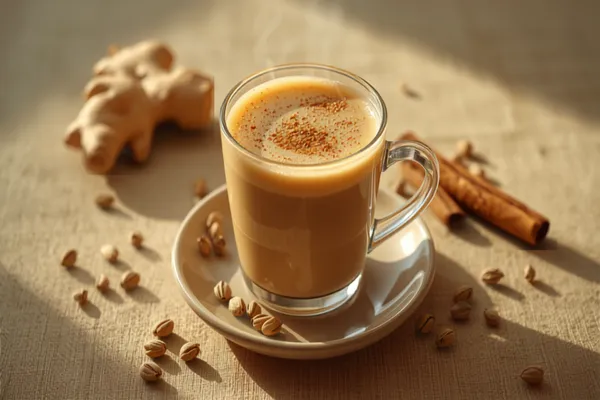
India's daily ritual in a cup: black tea brewed with milk, sugar and freshly crushed spices. The proper stovetop method, plus how to build your own masala.

Mexico (agua fresca tradition) · Mexican
Agua de Jamaica (Hibiscus Iced Tea)
Mexico's ruby-red hibiscus cooler: dried jamaica flowers steeped, sweetened and chilled into a tart, refreshing agua fresca. The right steep, how to control the tartness, and why it's so good for you.
 21+
21+ Florence, Italy (Tuscan aperitivo tradition) · Italian
Negroni (The Perfect Three-Part Aperitivo)
Equal parts gin, Campari and sweet vermouth, stirred over ice with an orange peel. Italy's great bitter aperitivo — the easiest world-class cocktail to remember and one of the hardest to improve on.
From our kitchen community
Ratings & Reviews
My Rating
Tap a star to rate — no sign-in, no form needed.
My Review
0 Ratings
🥣 0 home cooks made it!
Be the first to rate Tabbouleh (Lebanese Parsley and Bulgur Salad).
Related Recipes
The Levant (Lebanon, Syria, Palestine) · Lebanese
Hummus (Lebanese Chickpea and Tahini Dip)
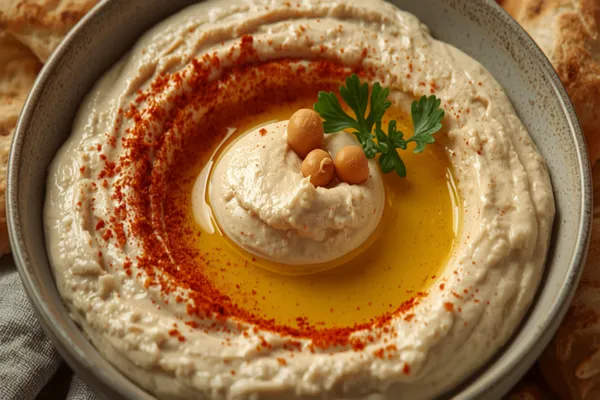
Properly smooth, lemony hummus: chickpeas blended with a generous amount of tahini, lemon and garlic into a silky, savoury dip, swirled in a bowl and pooled with good olive oil. The cornerstone of the mezze table.
The Levant (Lebanon, Syria, Palestine) · Lebanese
Chicken Shawarma (Levantine Spiced Roast Chicken)
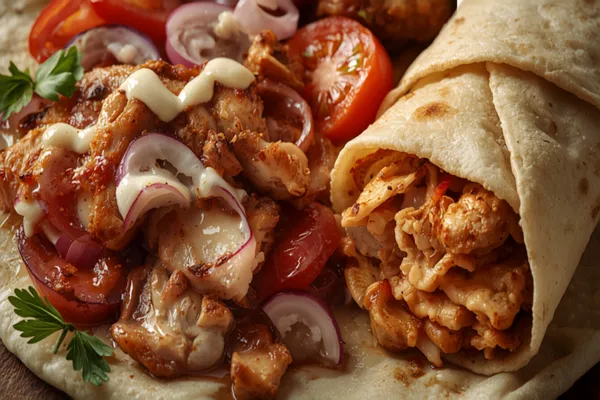
Home-style chicken shawarma: thigh meat marinated in yogurt, garlic and a warm Levantine spice blend, roasted until charred and juicy, then sliced and wrapped in flatbread with garlic sauce, pickles and tomato.
The Levant (Lebanon, Syria, Jordan, Palestine) · Middle Eastern
Mujaddara (Lentils and Rice with Crispy Caramelized Onions)
The Levantine dish of lentils, rice, and deeply caramelized onions — humble, ancient, and quietly luxurious. A handful of ingredients turned into something far greater than their cost, crowned with onions fried until almost black and sweet.