Egypt (Cairo & the Delta) · Egyptian
Ta'ameya (Egyptian Fava Bean Falafel)
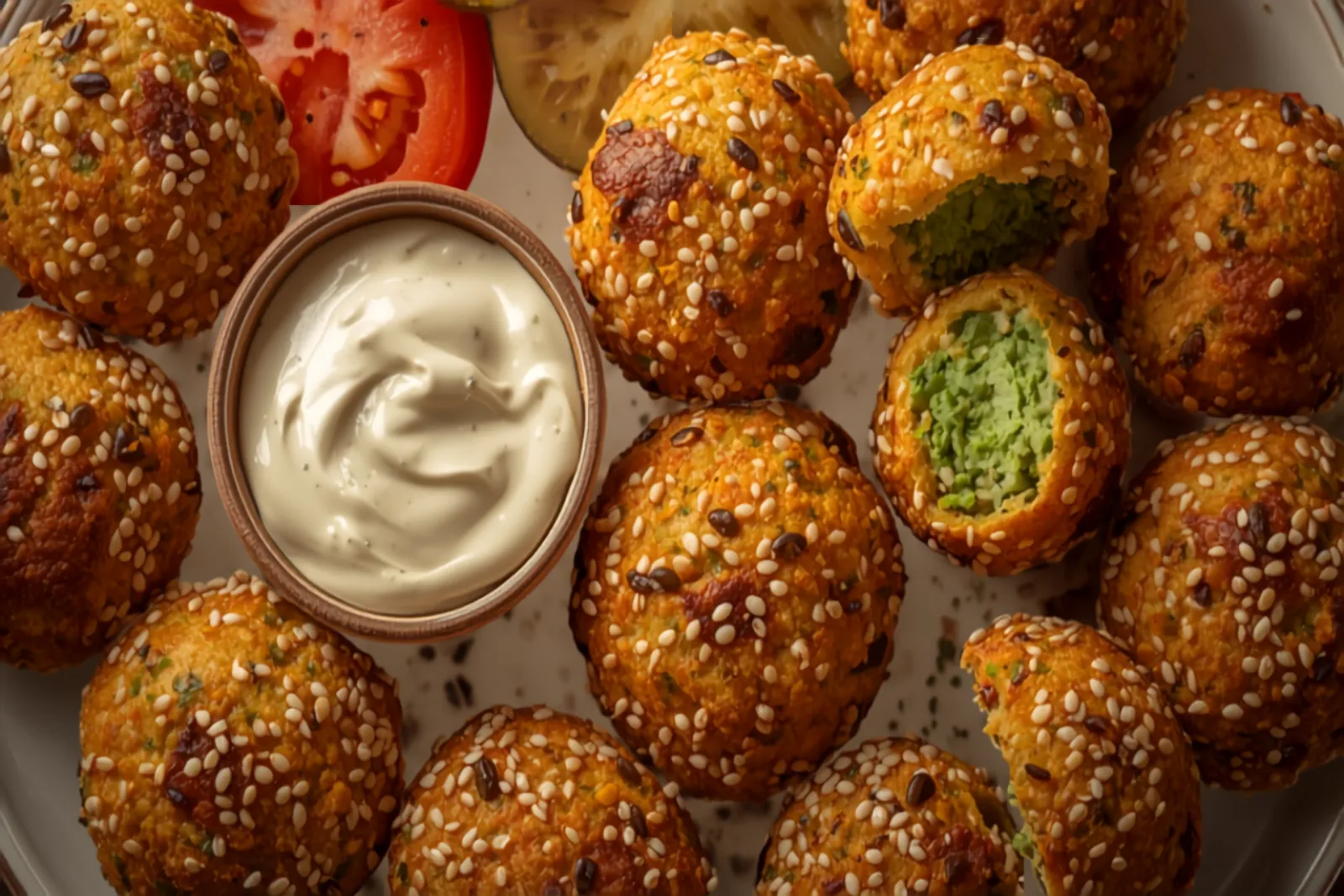
Egypt's own falafel: split dried fava beans blitzed with herbs, leeks and garlic into a vivid green batter, formed into patties and fried until shatteringly crisp outside and fluffy-green within. Lighter and herbier than its chickpea cousin.
Published June 24, 2026
Cultural context
Ta'ameya is the Egyptian original of falafel — made not from chickpeas but from split dried fava beans, the version many believe predates the chickpea one, with roots sometimes traced to Coptic Egyptian fasting food. It's a street-food and breakfast staple, fried fresh in great batches, stuffed into baladi bread with salad and tahini. The interior is famously green from a heavy hand of herbs, and the patties are often pressed flat and crusted with sesame.
Ta’ameya is Egypt’s own falafel — and, many argue, the original. Where the rest of the region makes falafel from chickpeas, Egypt uses split dried fava beans, blitzed with a heavy hand of herbs into a vivid green batter, formed into patties, crusted with sesame and fried until shatteringly crisp. The result is lighter, fluffier and fresher-tasting than its chickpea cousin, with an interior so green it surprises people the first time they bite in. It’s street-food and breakfast staple alike, stuffed into baladi bread with salad and tahini.
Soaked beans, never cooked
There’s one unbreakable rule: ta’ameya is made from dried fava beans soaked raw overnight, never from canned or cooked ones. The soaked-but-uncooked beans are what bind the mixture and fry into a fluffy interior; cooked beans hold too much water and dissolve into mush in the oil. Blitz them with onion, leek, garlic, plenty of coriander, parsley and dill, and the spices, to a fine paste — no water — then rest it so it binds.
Baking soda and hot oil at the end
Two final touches make the difference. Stir the baking soda in only just before frying — it aerates the inside, but added too early it loses its lift. And fry at a steady medium-high heat so the sesame-crusted outside crisps to a shatter while the centre cooks through and stays green and fluffy. Eat them the moment they come out of the oil, tucked into warm bread with tahini, tomato, cucumber and pickles.
For more of the Egyptian table, try ful medames and koshari, or browse the full recipe collection.
Ingredients
For the batter
- 250 g dried split, skinless fava beans Soaked overnight. Do NOT use canned or cooked beans — only soaked-raw beans fry up properly. Split skinless favas are sold at Middle Eastern shops.
- 1 small onion, roughly chopped
- 1 leek, white part, chopped (optional but traditional)
- 5 cloves garlic
- 1 large bunch each fresh coriander, parsley and dill The herbs are what make ta'ameya green inside — be generous.
- 1.5 tsp ground cumin
- 1 tsp ground coriander
- 1/2 tsp chilli flakes (optional)
- 1.5 tsp salt
To form and fry
- 1 tsp baking soda (added just before frying)
- 3-4 tbsp sesame seeds, for coating
- for deep-frying neutral oil
To serve
- baladi or pita bread, tahini sauce, tomato, cucumber and pickles
Method
Tap a step’s number to check it off as you go.
-
Soak the split fava beans in plenty of cold water overnight (at least 12 hours), then drain very well.
Why: Soaked-but-raw beans are essential — they bind and fry into a fluffy interior. Cooked or canned beans turn to a wet paste that falls apart in the oil.
-
Blitz the drained beans with the onion, leek, garlic, herbs and spices in a food processor to a fine, slightly coarse paste. Don't add water.
Why: A fine paste holds together; the generous herbs give the signature green interior. Water makes the mix too loose to fry.
-
Rest the mixture 30 minutes (or chill), then taste a tiny fried piece and adjust salt.
Why: Resting helps it bind; a test fry lets you correct the seasoning before committing the whole batch.
-
Just before frying, stir in the baking soda. Form into small flattened patties and press one side into sesame seeds.
Why: Baking soda added at the last minute makes the inside light and airy; adding it early kills the lift. Sesame gives the traditional crust.
-
Deep-fry in 170-180°C/340-355°F oil, a few at a time, for 3-4 minutes until deep golden and crisp. Drain on paper.
Why: Steady medium-high heat crisps the outside while cooking the centre through; too hot burns the crust before the inside sets, too cool makes them greasy.
-
Serve hot, stuffed into bread with tahini sauce, tomato, cucumber and pickles.
Why: Ta'ameya is best the moment it's fried, when the crust still shatters; the cool salad and tahini are the classic partners.
A quick, anonymous tap — no review needed.
Variations
- Chickpea or mixed
Use soaked dried chickpeas for a Levantine-style falafel, or a fava-chickpea mix for something between the two. The method is the same.
- Baked / air-fried
Brush the patties with oil and bake or air-fry at 200°C/400°F until golden — lighter, though without the deep-fried shatter.
- Extra-green
Push the herbs even further for the vivid-green Cairo street style; coriander, parsley and dill can be a third of the volume.
Serving & Storage
Serve hot, stuffed into baladi bread or pita with tahini sauce, sliced tomato and cucumber, and pickles — the classic Egyptian sandwich. Also great as part of a meze platter with hummus and ful.
Pairs with: Tahini sauce, Ful medames, Pickles and tomato salad, Warm baladi bread.
Storage: Best eaten straight from the fryer. The raw shaped (or unshaped) mixture freezes well; fry from frozen. Cooked patties can be reheated in a hot oven to re-crisp, though never quite as good as fresh.
Nutrition
Per serving (4 patties (no bread))
- Calories
- 260
- Protein
- 12 g
- Carbs
- 26 g
- Fat
- 12 g
- Fiber
- 9 g
- Sugar
- 3 g
- Sodium
- 480 mg
Notable micronutrients: Folate, Iron, Fiber, Vitamin K
Estimated using standard ingredient data. Values vary with brands and substitutions.
Frequently Asked Questions
Can I use canned beans?
No — this is the one rule that can't bend. Ta'ameya must be made from dried fava beans soaked raw overnight. Canned or cooked beans contain too much moisture and will fall apart in the oil into a mush.
Why is the inside green?
The generous quantity of fresh herbs — coriander, parsley and dill — blitzed into the batter is what gives ta'ameya its signature vivid-green interior, and a lighter, fresher flavour than chickpea falafel.
How do I stop them falling apart?
Use soaked-raw (not cooked) beans, blitz to a fine paste without adding water, rest the mixture, and add the baking soda only just before frying. If a test patty crumbles, pulse the mix finer or chill it longer.
What to drink with this
All drinks →Hand-picked pours to match this dish.

Morocco (the Maghreb) · Moroccan
Moroccan Mint Tea (Atay — Maghrebi Mint Tea)
Morocco's sweet, fragrant green tea poured from a height into a frothy glass. The proper method — washing the tea, layering the mint, and the famous long pour — plus how sweet it really should be.

Turkey (Ottoman coffee tradition) · Turkish
Turkish Coffee (Türk Kahvesi — Unfiltered & Foamy)
Finely ground coffee simmered slowly in a cezve to a rich foam, served unfiltered in tiny cups. The grind, the heat and the foam that make it — plus the ritual of the grounds left behind.

Mexico (agua fresca tradition) · Mexican
Agua de Jamaica (Hibiscus Iced Tea)
Mexico's ruby-red hibiscus cooler: dried jamaica flowers steeped, sweetened and chilled into a tart, refreshing agua fresca. The right steep, how to control the tartness, and why it's so good for you.
From our kitchen community
Ratings & Reviews
My Rating
Tap a star to rate — no sign-in, no form needed.
My Review
0 Ratings
🥣 0 home cooks made it!
Be the first to rate Ta'ameya (Egyptian Fava Bean Falafel).
Related Recipes
Egypt (pan-Egyptian) · Egyptian
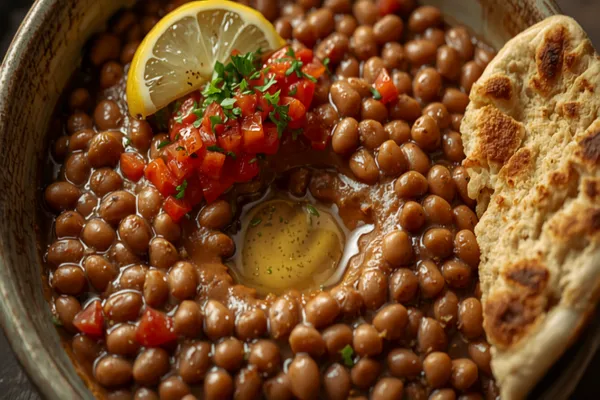
Ful Medames (Egyptian Stewed Fava Beans)
Egypt's ancient breakfast: fava beans slow-simmered until soft, mashed with garlic, cumin, lemon and olive oil, and finished with tomato and herbs. Scooped with warm bread, it's been fuelling the country for millennia.
Egypt (Cairo) · Egyptian
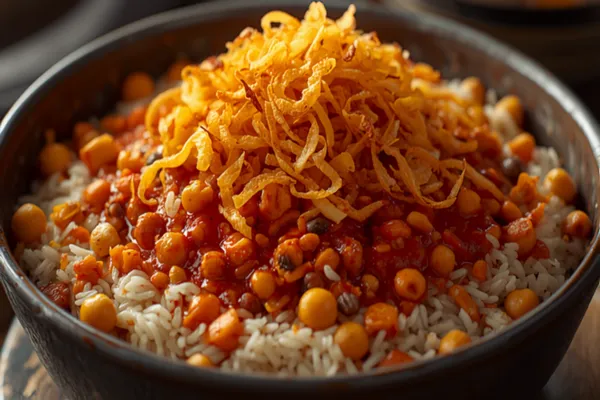
Koshari (Egyptian Rice, Lentils, Pasta and Crispy Onions)
Egypt's national dish and ultimate comfort food: a glorious carb-on-carb layering of rice, brown lentils and macaroni topped with chickpeas, a garlicky-spiced tomato sauce, a sharp vinegar daqqa, and a mountain of crispy fried onions.
The Levant (Lebanon, Syria, Palestine) · Lebanese
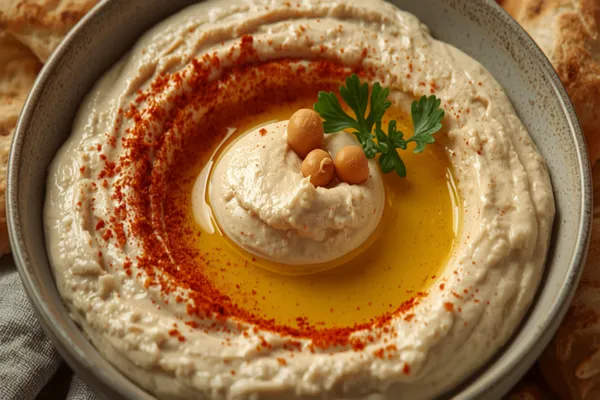
Hummus (Lebanese Chickpea and Tahini Dip)
Properly smooth, lemony hummus: chickpeas blended with a generous amount of tahini, lemon and garlic into a silky, savoury dip, swirled in a bowl and pooled with good olive oil. The cornerstone of the mezze table.