The Great Hungarian Plain (Alföld) — Hortobágy and the Puszta cattle country · Hungarian
Hungarian Goulash (Gulyásleves)
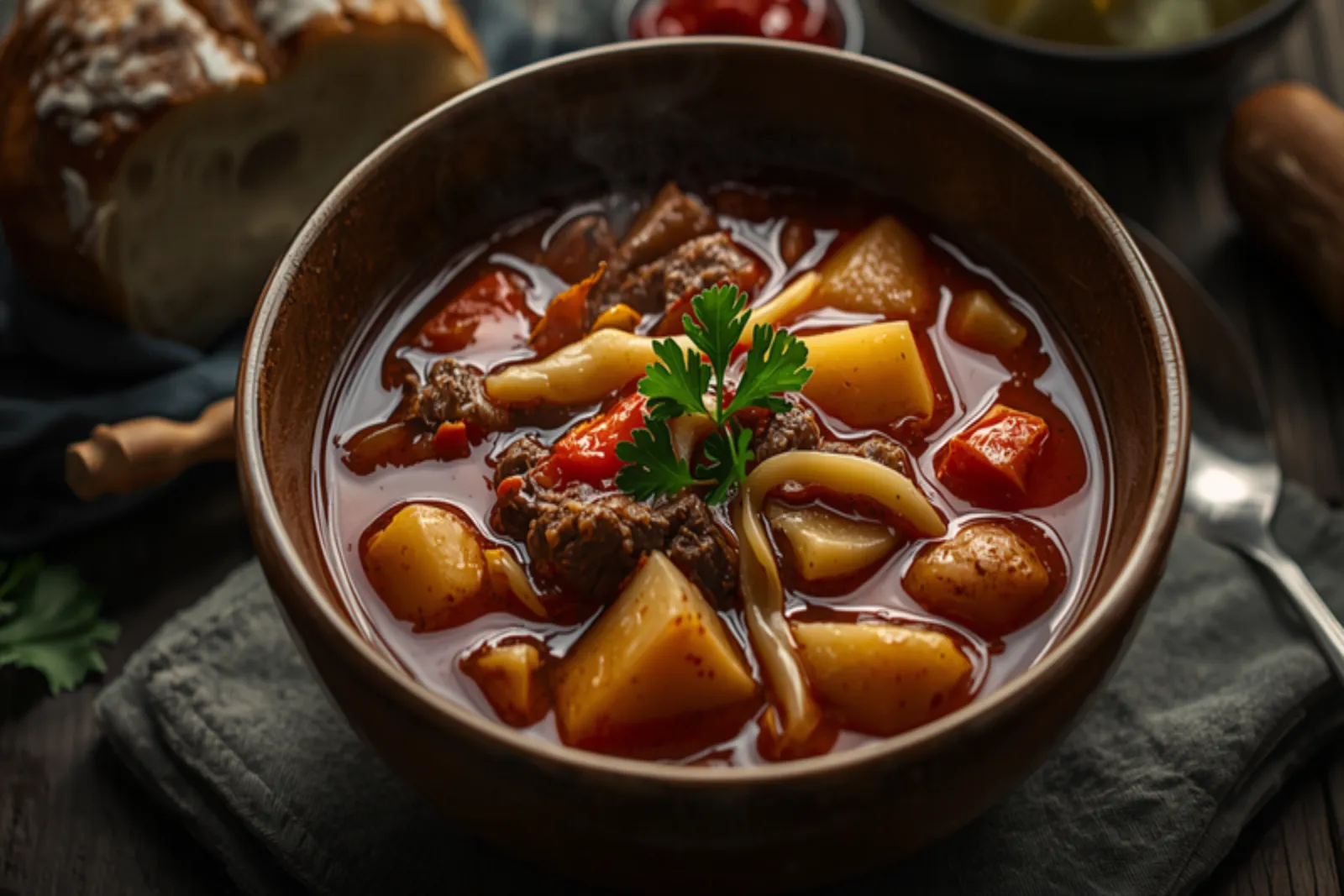
The real gulyás of the Hungarian plain — a brothy, paprika-red beef soup with potatoes, sweet peppers and hand-pinched csipetke noodles. No flour, no roux, no sour cream: just onions, good paprika and three unhurried hours.
Published August 14, 2026
Cultural context
Gulyás means 'herdsman', and the dish is named for the men who moved grey cattle across the Alföld, cooking beef, onions and water in a bogrács — a copper cauldron slung over an open fire. Paprika arrived with the Ottomans and was folded in during the eighteenth century; by the 1800s gulyás had been adopted as a symbol of Hungarian national identity. Confusingly, what most of the world calls 'goulash' is closer to pörkölt, the thick Hungarian braise. In Hungary gulyás is a soup, and it is still cooked outdoors in a cauldron whenever there is something to celebrate. Austrian, Czech and Slovak kitchens have their own long-established descendants.
Hungarian goulash is one of the most widely cooked dishes in the world and one of the most widely misunderstood. Order gulyás anywhere in Hungary and a deep bowl of brothy, paprika-red soup arrives — beef, potatoes, carrots, sweet peppers and little pinched noodles floating in a clear red liquid you eat with a spoon. The thick brown stew that the word conjures almost everywhere else is a different Hungarian dish altogether, pörkölt, which travelled abroad under the wrong name and stayed there.
The original belongs to the Alföld, the Great Hungarian Plain, where herdsmen drove grey longhorn cattle across grassland with no kitchen for weeks at a time. What they had was a bogrács — a copper cauldron on a tripod — and what went in it was meat, onions, fat and water. Paprika, a New World pepper that reached Hungary by way of the Ottomans, was folded into the formula in the eighteenth century, and by the nineteenth the nobility had adopted gulyás as a deliberate emblem of Hungarian identity against Habsburg Vienna. Austrian, Czech and Slovak kitchens developed their own long-standing versions from the same root; this is the Hungarian soup.
Onions do the work, and paprika does the rest
There is no flour in a real gulyás, no roux and no sour cream. The body of the broth comes from half a kilo of onions cooked slowly enough that they collapse and disappear into the liquid, plus whatever starch the potatoes and csipetke release at the end. If your onions are still identifiable at the end of the browning stage, you went too fast and the soup will be thin.
Paprika is the other half. Buy a fresh tin of Hungarian édesnemes and treat it carefully: it is about a quarter sugar, which means it burns at a far lower temperature than most spices and turns bitter in seconds. Every Hungarian recipe says the same thing — take the pot off the heat, let it cool for a moment, then stir the paprika into the warm fat. That pause is not fussiness. It is the difference between a sweet, glowing red broth and one with a scorched edge that no amount of simmering will remove.
Don’t brown the beef
This surprises anyone trained on French braises. There is no searing step in gulyás; the beef goes into the paprika-slicked onions raw and stews in its own juices for the first quarter of an hour. Browning would build a crust that keeps the meat’s juices in, and here you want them out and in the broth from the beginning. The depth that a sear normally provides comes instead from the long, slow onions and from three hours of gentle simmering.
Choose shin if you can. It is the cut Hungarian cooks reach for, and its heavy load of connective tissue melts into gelatin that gives the finished soup a faint silkiness on the lip — the marker of a gulyás that was not hurried.
Csipetke
The noodles go in last and take two minutes to make: a stiff dough of flour, egg and salt, rested, then flattened between the palms and pinched into pea-sized scraps straight into the simmering pot. Pinched, never cut — the ragged edges are the point, catching broth and cooking unevenly into something chewier than any rolled noodle. Five minutes and they float.
Then rest it. Fifteen minutes off the heat lets the red fat rise, the broth settle clear and the paprika spread through the pot. Serve it deep, with white bread and something hot on the side for anyone who wants it.
For more of Europe’s great one-pot cooking, try Burgundy’s boeuf bourguignon or, from the other end of the continent, Georgia’s khachapuri adjaruli. The world classics guide has the wider map.
Ingredients
For the soup
- 900 g (2 lb) beef shin, chuck or short rib, cut into 3 cm cubes A collagen-heavy cut is the whole point. Shin (lábszár) is the Hungarian default; chuck is the easiest substitute. Lean stewing steak will go stringy and give you a thin broth.
- 3 tbsp lard, or neutral oil Pork lard is traditional and gives the broth a rounder mouthfeel. Oil works; butter does not — it burns at the temperature the onions need.
- 500 g (about 4 medium) yellow onions, finely chopped Roughly the same weight as half the meat. This is deliberate — the onions dissolve entirely and are the only body the broth gets.
- 4 cloves garlic, crushed
- 3 tbsp (about 25 g) sweet Hungarian paprika (édesnemes) The soul of the dish, and the one ingredient worth ordering specially. Buy a fresh tin — paprika older than about a year has lost its perfume and turned dull brown. Spanish smoked pimentón is a different flavour entirely and will not pass for it.
- 1 tsp caraway seeds, lightly crushed Hungarians will tell you it is not gulyás without caraway. Crush it in a mortar or between your fingers rather than grinding it to dust.
- 2 tsp fine sea salt, plus more to taste
- 2 medium pale sweet peppers (TV paprika), deseeded and sliced The thin-walled, ivory-green Hungarian frying pepper. A pointed Romano or a yellow bell pepper is the nearest supermarket stand-in.
- 2 medium ripe tomatoes, chopped Or 1 tbsp tomato purée. Tomato is a supporting note here, not a base — this is not a tomato stew.
- 2 medium carrots, cut into thick rounds
- 1 small parsnip or parsley root, cut into thick rounds Parsley root (gyökér) is the Hungarian choice and is sweeter and more aromatic than parsnip.
- 600 g (about 3 medium) waxy potatoes, cut into 2 cm cubes
- 2 litres hot water or light beef stock
- 1 hot cherry pepper or a pinch of hot paprika (optional) Gulyás is warm rather than fiery. Heat is usually offered at the table as csípős erős pista, a Hungarian pepper paste.
For the csipetke (pinched noodles)
- 100 g (3/4 cup) plain flour
- 1 egg
- 1/4 tsp fine salt
Method
Tap a step’s number to check it off as you go.
-
Melt the lard in a large heavy pot or cauldron over medium heat. Add the onions and cook slowly for 20–25 minutes, stirring often, until they are soft, deep gold and beginning to fall apart. Do not rush this with high heat.
Why: The onions are the only thickener in the pot — no flour and no roux, unlike the Austrian and German descendants of this dish. Cooked long enough they disintegrate into the broth and give it body; browned hard and fast they stay in recognisable pieces and the soup stays thin.
-
Stir in the garlic and cook for 30 seconds, then pull the pot off the heat completely and let it cool for a minute. Now sprinkle in the paprika and the crushed caraway and stir hard for 20–30 seconds until every onion is coated and the fat has turned red.
Why: This is the step that separates good gulyás from bitter gulyás. Paprika is high in sugar and scorches at around 150°C, turning acrid within seconds — off the heat, the residual warmth is enough to bloom its fat-soluble colour and aroma into the lard without burning it.
-
Return the pot to low heat, add the beef and stir for 3–4 minutes until the cubes are coated and have lost their raw colour. Add just a splash of water — 100 ml or so — cover, and let the meat stew in its own juices for 15 minutes.
Why: Hungarian cooks do not brown the meat first. Sweating it in the paprika base lets it release its juices into the sauce rather than sealing them in, and that early exchange is what makes the broth taste of beef rather than of stock.
-
Add the tomatoes, sweet peppers and 1 teaspoon of the salt. Pour in enough hot water to cover the meat by about 3 cm — roughly 1.2 litres. Bring to a bare simmer, cover with the lid slightly ajar, and cook for 1 1/2 hours, until the beef is tender but not yet falling apart.
Why: Adding hot rather than cold water keeps the pot at temperature so the collagen in the shin keeps converting to gelatin uninterrupted. A bare simmer matters too: a rolling boil emulsifies the fat and clouds the broth, and gulyás should be clear and glossy, not muddy.
-
While it simmers, make the csipetke. Work the flour, egg and salt into a firm, dry dough — add a teaspoon of water only if it will not come together. Knead for 2 minutes, then wrap and rest for 20 minutes.
Why: A stiff, low-hydration dough is essential. Anything softer dissolves in the broth instead of holding as chewy little dumplings.
-
Add the carrots, parsnip and the rest of the water. Simmer for 15 minutes, then add the potatoes and the hot pepper, if using, and cook for another 10 minutes.
Why: Staggering the vegetables is a small thing that shows on the plate. Everything added at the start would be collapsed to mush by the time the beef is ready, and potato starch released too early clouds the broth.
-
Flatten the dough thinly between your palms and pinch off ragged, pea-sized pieces straight into the simmering soup. Cook for 5 minutes, until they float and are cooked through.
Why: Pinched, not cut — the torn edges catch broth and give the noodles their characteristic uneven bite. They also release a little starch that thickens the soup at exactly the right moment.
-
Taste and correct the salt, which will need more than you expect after three hours of dilution. Turn off the heat, cover, and rest for 15 minutes before serving.
Why: Resting lets the fat rise into a red slick on top and the broth settle and clarify. It also gives the paprika a chance to distribute — gulyás served straight off the boil tastes noticeably flatter.
A quick, anonymous tap — no review needed.
Variations
- Bográcsgulyás (over a fire)
The original. Cook the whole thing in a cauldron hung over a wood fire, controlling the heat by raising and lowering the pot rather than by turning a dial. The smoke does something no hob can, and outdoor gulyás cooking is a social occasion in its own right across Hungary.
- Pörkölt (the thick one)
What most of the world means by 'goulash'. Use the same onion-and-paprika base and the same beef, but add only enough water to barely cover, skip the potatoes and csipetke, and reduce to a thick, glossy braise. Serve with nokedli (egg dumplings) and pickles.
- Székelygulyás
A Transylvanian relative made with pork shoulder and sauerkraut, finished with sour cream. Different dish, same ancestry — and evidence of how far the gulyás family travelled.
- Lighter / no lard
Use 2 tbsp of neutral oil, trim the beef closely and skim the fat off the surface after resting. You lose some richness but the paprika comes through more clearly.
- Without csipetke
Many households skip the noodles when the soup already has plenty of potato. If you want them but not the egg dough, a handful of small dried pasta added for the last 8 minutes is the accepted shortcut.
Serving & Storage
Serve in deep bowls, hot, with a basket of white bread for the broth and a small dish of csípős erős pista or sliced hot cherry peppers so each person can dial in their own heat. In Hungary this is a whole meal, not a starter — nothing needs to follow it but a slice of cake.
Pairs with: Crusty white bread, Pickled cucumbers, Hot pepper paste (erős pista), Egri Bikavér or another dry Hungarian red, Cucumber salad with sour cream.
Storage: Refrigerates for 4 days and is better on day two, once the paprika has settled into the broth. Cool it quickly and store the csipetke in the soup — they soften but hold. Reheat gently, never at a boil, adding a splash of water as the potatoes will have drunk some of the broth. It freezes for 3 months, though the potatoes go slightly grainy; freeze it before adding them if you are planning ahead.
Nutrition
Per serving (1 large bowl (about 500 ml))
- Calories
- 460
- Protein
- 35 g
- Carbs
- 36 g
- Fat
- 20 g
- Fiber
- 5 g
- Sugar
- 8 g
- Sodium
- 820 mg
Notable micronutrients: Iron, Vitamin A, Vitamin C, Vitamin B12, Zinc, Potassium
Estimated using standard ingredient data. Values vary with brands and substitutions.
Frequently Asked Questions
Is goulash a soup or a stew?
In Hungary, gulyás is a soup — brothy enough to eat with a spoon from a deep bowl. The thick, gravy-like dish sold as goulash almost everywhere else is really pörkölt, a separate Hungarian preparation with the same base but far less liquid. Neither is wrong; they are simply two dishes that share a name in translation. This recipe is the soup, gulyásleves, with a note on how to turn it into pörkölt in the variations.
Why is there no flour, roux or sour cream in this?
Because there never was any in the Hungarian original. A herdsman with a cauldron had onions, meat, water and paprika; the thickening comes from onions dissolving and, later, from potato starch and the csipetke. Roux-thickened, sour-cream-finished versions are the Austrian and American branches of the family. Both are good; neither is gulyás.
Does the paprika really have to be Hungarian?
It genuinely helps. Hungarian édesnemes is milled from a specific sweet pepper and has a sweet, faintly fruity depth that generic supermarket paprika lacks. Freshness matters even more than origin — paprika loses its aroma fast, so a tin more than a year old will give you red colour and very little flavour. Do not substitute smoked Spanish pimentón, which pushes the dish somewhere else entirely.
Why must the pot come off the heat before the paprika goes in?
Paprika is roughly a quarter sugar by weight and it scorches at a much lower temperature than most spices — it can turn irreversibly bitter in under ten seconds in hot fat. Taking the pot off the heat for a minute drops the temperature into the range where the pigments and aromatics dissolve into the lard without caramelising. It is the single most common way this dish is ruined.
Can I make it in a pressure cooker or slow cooker?
Yes, with one rule: build the onion and paprika base on the hob first, because neither appliance can do it. After that, pressure cook the meat stage for 25 minutes and finish the vegetables and csipetke with the lid off, or give it 6 hours on low in a slow cooker, adding the potatoes for the last hour and the csipetke at the end.
What cut of beef works best?
Shin is the Hungarian favourite and the best choice — it is dense with collagen that melts into gelatin over three hours and gives the broth its silky texture. Chuck and short rib are close behind. Avoid lean, quick-cooking cuts: they have nothing to give the liquid and will end up dry and fibrous however long you cook them.
What to drink with this
All drinks →Hand-picked pours to match this dish. Alcoholic pairings are for adults of legal drinking age (21+ in the US) — please drink responsibly.

Pan-Indian (the everyday tea of the subcontinent) · Indian
Masala Chai (Spiced Indian Tea)
India's daily ritual in a cup: black tea brewed with milk, sugar and freshly crushed spices. The proper stovetop method, plus how to build your own masala.

Mexico (agua fresca tradition) · Mexican
Agua de Jamaica (Hibiscus Iced Tea)
Mexico's ruby-red hibiscus cooler: dried jamaica flowers steeped, sweetened and chilled into a tart, refreshing agua fresca. The right steep, how to control the tartness, and why it's so good for you.
 21+
21+ Florence, Italy (Tuscan aperitivo tradition) · Italian
Negroni (The Perfect Three-Part Aperitivo)
Equal parts gin, Campari and sweet vermouth, stirred over ice with an orange peel. Italy's great bitter aperitivo — the easiest world-class cocktail to remember and one of the hardest to improve on.
From our kitchen community
Ratings & Reviews
My Rating
Tap a star to rate — no sign-in, no form needed.
My Review
0 Ratings
🥣 0 home cooks made it!
Be the first to rate Hungarian Goulash (Gulyásleves).
Related Recipes
Adjara, on Georgia's Black Sea coast (Batumi) · Georgian
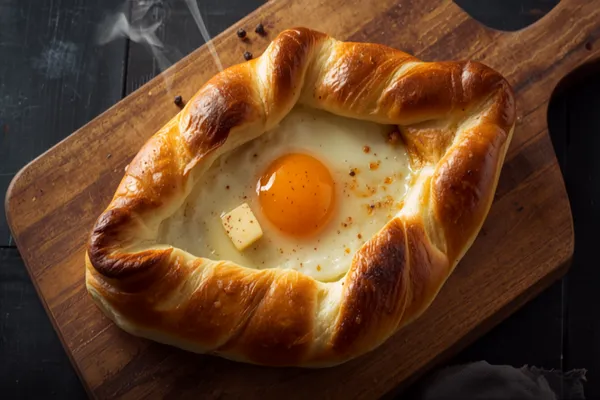
Khachapuri Adjaruli (Georgian Cheese Boat Bread)
The boat-shaped Georgian cheese bread of the Black Sea coast: a chewy, blistered crust cradling molten salty cheese, finished at the table with a raw yolk and a knob of butter stirred through. Tear, dip, repeat.
Ukraine — the Poltava and Kyiv regions and the wider black-earth belt · Ukrainian
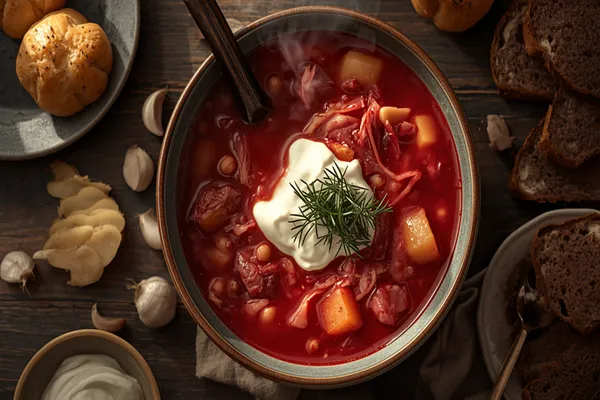
Ukrainian Borscht (Борщ)
The UNESCO-listed soup of the Ukrainian black-earth belt — pork-rib broth, cabbage, potato and beetroot cooked so its colour stays ruby rather than brick, finished with garlic-and-salo tovchanka and a spoonful of smetana. Served with pampushky, and always better the next day.
Burgundy · French
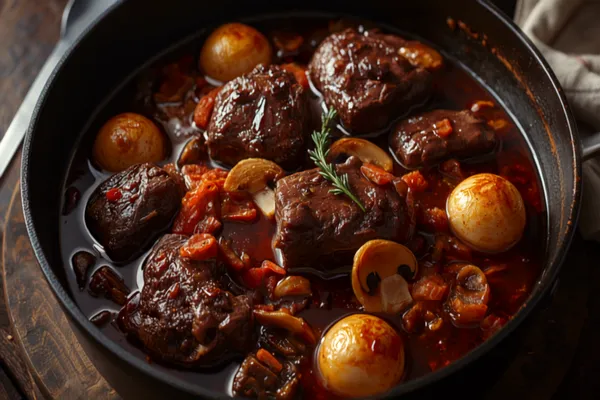
Boeuf Bourguignon (Burgundy Beef Braised in Red Wine)
The great beef stew of Burgundy: chunks of beef braised slowly in red wine with bacon lardons, pearl onions, and mushrooms until the sauce turns deep and glossy. A weekend project that rewards patience with one of France's most satisfying dishes.
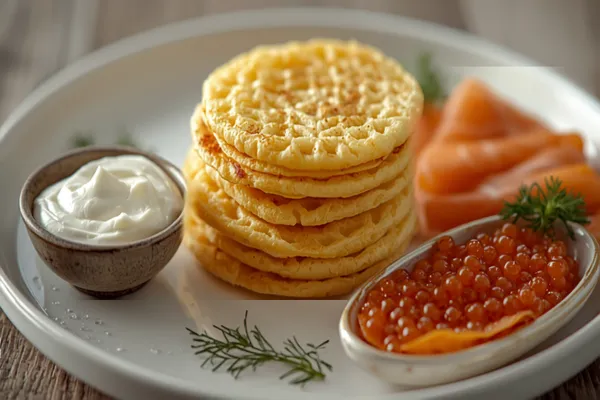
Russia · Russian
Russian Blini (Yeasted Buckwheat Pancakes)
The pancakes at the heart of Maslenitsa, Russia's butter-rich farewell to winter: thin, lacy, yeast-raised rounds with a faint tang, served in stacks with butter, sour cream, jam, or — for a feast — smoked salmon and caviar.
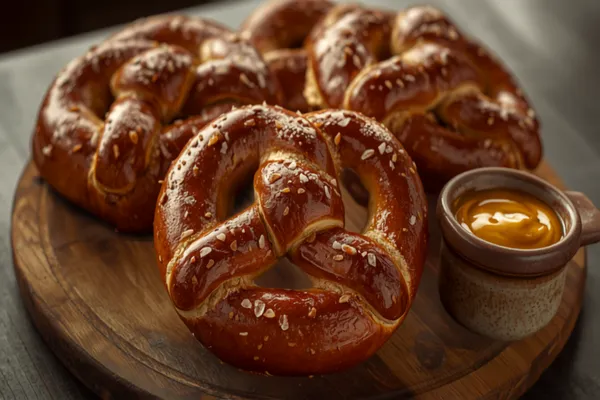
Bavaria · German
Bavarian Soft Pretzels (Brezn)
The mahogany-brown, lye-dipped soft pretzel of the Munich beer garden: a chewy, glossy crust giving way to a soft crumb, scattered with coarse salt. The Oktoberfest classic, made at home with a safe baking-soda bath.
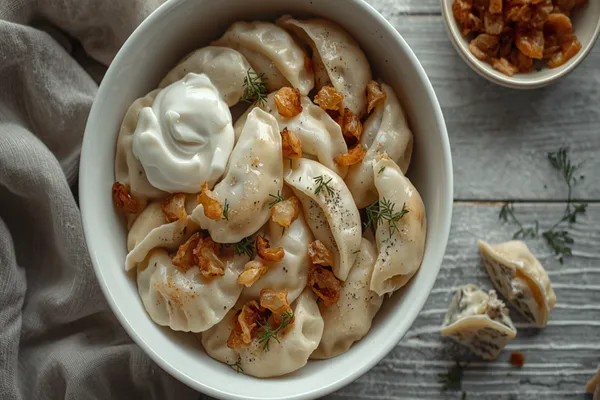
Poland — eaten nationwide, but named for Ruś (Red Ruthenia), the historic borderland now split between south-eastern Poland and western Ukraine · Polish
Pierogi Ruskie (Polish Potato and Twaróg Dumplings)
Poland's most-loved pierogi: a hot-water dough rolled thin enough to see through, wrapped around floury potato, tangy twaróg curd cheese and onions fried slowly to deep gold — boiled, buttered, and eaten under a spoonful of sour cream.