Tamil Nadu / Karnataka / South India · Indian
Idli (Soft Steamed South Indian Rice Cakes)
The gentlest of South Indian breakfasts: pillowy, fermented rice-and-lentil cakes, steamed until cloud-soft and eaten with sambar and chutney. Light, gut-friendly, and the comfort food of the south.
Published June 28, 2026
Cultural context
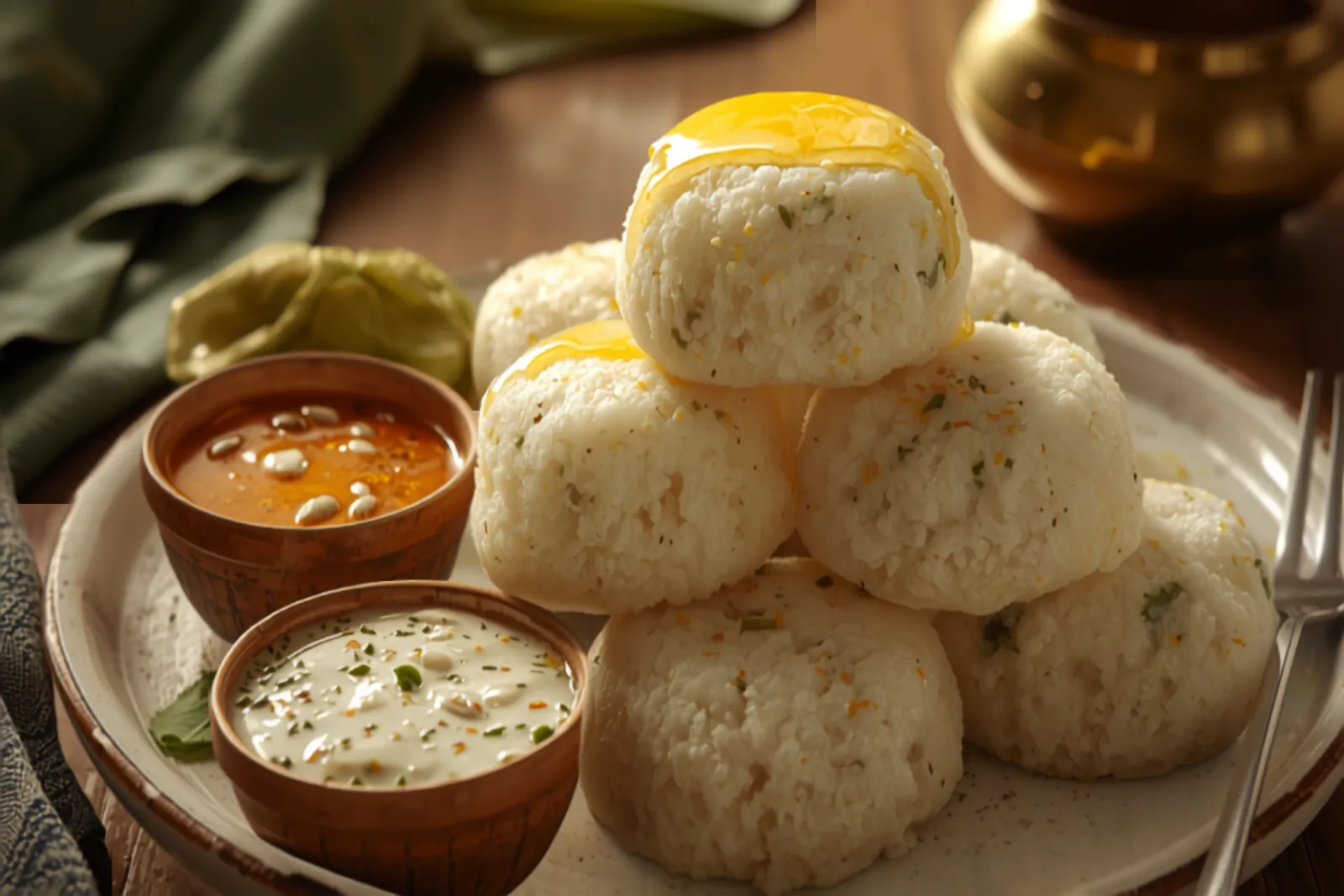
Idli is the everyday breakfast of South India — steamed cakes of fermented rice and urad dal, naturally light and easy to digest. Its fermented, steamed form is ancient; today it's eaten from Chennai to Bengaluru with sambar and chutney, and is one of the healthiest staples in the Indian repertoire.
Idli is the gentlest thing South India makes for breakfast: soft, white, faintly tangy cakes of fermented rice and lentils, steamed until they’re cloud-light and eaten with sambar and chutney. It is everyday comfort across Tamil Nadu, Karnataka, and the wider south — and, because it’s steamed and fermented, one of the healthiest staples in all of Indian cooking.
Fermentation makes the idli
Like its cousin the dosa, an idli is only as good as its batter. Rice and urad dal are soaked, ground separately, combined, and left to ferment overnight until risen and bubbly. That wild fermentation does two jobs: it leavens the batter so the idlis steam up spongy, and it builds the gentle sourness that defines the flavour. Grind the dal until it’s light and airy, and keep the batter somewhere warm enough to rise.
Soft is the whole goal
A great idli is pillowy, never dense. The keys: a well-fermented batter, not over-salted; a batter that’s thick but not stiff; and a gentle steam rather than a hard boil. A little soaked poha ground into the batter is a common trick for extra softness.
Eat them hot
Idlis are at their best straight from the steamer, with sambar and coconut chutney, maybe a drizzle of ghee or a dusting of idli podi. For more South Indian breakfasts, try medu vada or browse the full recipe collection.
Ingredients
For the batter
- 2 cups idli rice (parboiled rice) Parboiled idli rice gives the softest, fluffiest idlis. Soak separately from the dal.
- 1/2 cup urad dal (skinned split black gram) The protein that ferments and gives lift; whole skinless urad is ideal.
- 1/4 tsp fenugreek seeds (methi) Soaked with the dal; aids fermentation and softness.
- 1/2 cup thick poha (flattened rice), optional Soaked and ground in; a common trick for extra-soft idlis.
- salt and water as needed
Method
Tap a step’s number to check it off as you go.
-
Soak the rice in one bowl and the urad dal with fenugreek in another for at least 6 hours.
Why: Soaking separately lets you grind each correctly — the dal must whip up light and fluffy, the rice to a slightly coarse paste.
-
Grind the dal to a smooth, airy batter, then the rice (with soaked poha if using) to a slightly grainy one. Combine, add salt, and mix well by hand.
Why: Mixing by hand is traditionally said to aid fermentation; the dal provides the wild leavening, the rice the body.
-
Ferment, covered, in a warm place for 8–12 hours until risen, bubbly, and pleasantly sour.
Why: Fermentation leavens the batter and creates the light, spongy texture and tang — the heart of a good idli. In a cold kitchen, use the oven with the light on.
-
Grease idli moulds, pour in batter to fill each well, and steam over boiling water for 10–12 minutes until a skewer comes out clean.
Why: Gentle steam (not a hard boil) cooks idlis through while keeping them moist and fluffy; overfilling the moulds makes them dense.
-
Rest 2 minutes, then unmould with a wet spoon and serve hot.
Why: A short rest lets them firm slightly so they release cleanly without tearing.
A quick, anonymous tap — no review needed.
Variations
- Rava idli
A quicker, no-ferment version made with semolina and yogurt, leavened with Eno — ready in minutes.
- Masala / podi idli
Toss steamed mini-idlis with idli podi (spice powder) and ghee for a popular snack version.
- Oats / millet idli
Replace part of the rice with oats or millet for a higher-fibre idli.
Serving & Storage
Serve hot with sambar and coconut chutney — the classic trio. A drizzle of ghee or a sprinkle of idli podi is the everyday touch.
Pairs with: Sambar, Coconut chutney, Idli podi with ghee, Filter coffee.
Storage: Batter keeps 3–4 days refrigerated (it sours further). Steamed idlis are best fresh but keep a day; re-steam to revive.
Nutrition
Per serving (3 idlis)
- Calories
- 180
- Protein
- 6 g
- Carbs
- 37 g
- Fat
- 1 g
- Fiber
- 3 g
- Sugar
- 1 g
- Sodium
- 320 mg
Notable micronutrients: Folate, Iron, B vitamins
Estimated using standard ingredient data. Values vary with brands and substitutions.
Frequently Asked Questions
Why are my idlis hard or dense?
Usually under-fermentation (too cold), a batter that's too thick or over-salted, or grinding the urad dal without enough air. Ferment somewhere warm until the batter has clearly risen, and grind the dal until light and fluffy.
What rice is best for idli?
Parboiled idli rice gives the softest results. A common ratio is 2:1 (or up to 4:1) rice to urad dal. Adding a little soaked poha or fenugreek helps softness and fermentation.
Are idlis healthy?
Very — they're steamed (no oil), fermented (easier to digest, with beneficial bacteria), and naturally vegan and gluten-free. They're among the lightest, most gut-friendly staples in Indian cooking.
What to drink with this
All drinks →Hand-picked pours to match this dish.
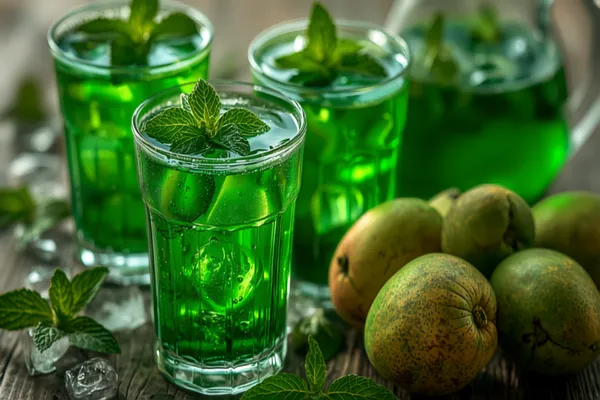
North & West India (peak-summer drink across the subcontinent) · Indian
Aam Panna (Raw Green Mango Summer Cooler)
India's tangy, jade-green raw-mango cooler — roasted or boiled green mangoes blended with cumin, black salt and mint. The traditional heat-stroke remedy that tastes like summer.
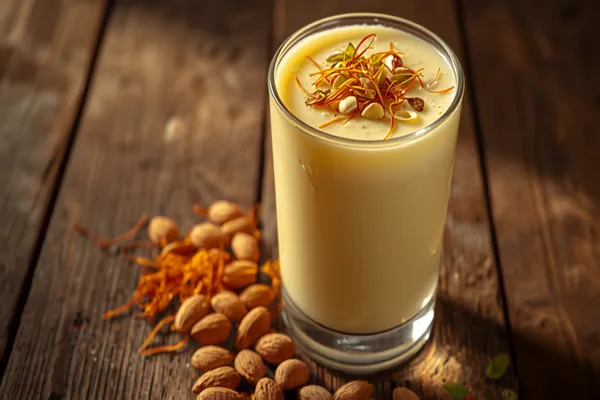
Pan-Indian (North & West India) · Indian
Badam Milk (Saffron Almond Milk)
Milk simmered with a paste of soaked almonds, saffron, cardamom and a whisper of nutmeg — India's rich, fragrant almond drink. Comforting served warm in winter, reviving served chilled in summer, festive any time.
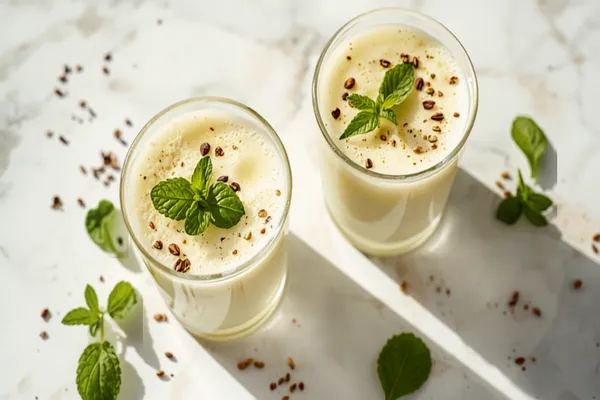
Pan-Indian (Gujarat & West India especially) · Indian
Chaas (Spiced Indian Buttermilk / Masala Chaas)
Whisked yogurt thinned with water and seasoned with cumin, green chilli, ginger and curry leaves — India's cooling, savoury buttermilk. A salty-tangy digestive that beats the heat and settles a heavy meal in two minutes.
From our kitchen community
Ratings & Reviews
My Rating
Tap a star to rate — no sign-in, no form needed.
My Review
0 Ratings
🥣 0 home cooks made it!
Be the first to rate Idli (Soft Steamed South Indian Rice Cakes).
Related Recipes
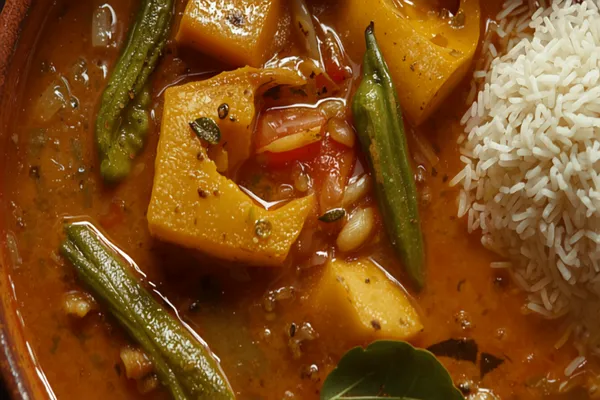
Tamil Nadu / South India · Indian
Sambar (South Indian Lentil and Vegetable Stew)
The everyday backbone of a South Indian meal: toor dal simmered with vegetables and tamarind, seasoned with a freshly ground sambar powder and a sizzling tempering. Tangy, savory, and endlessly comforting.
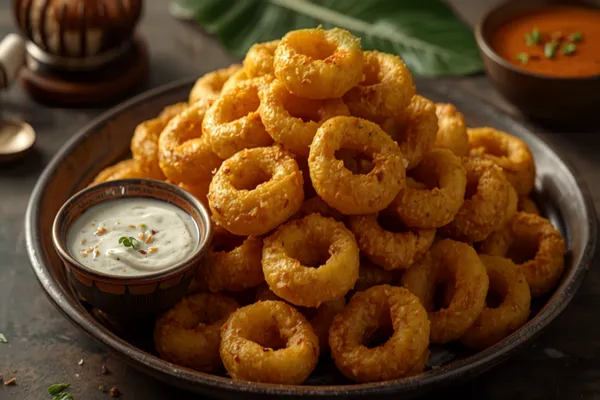
Tamil Nadu / South India · Indian
Medu Vada (South Indian Lentil Doughnuts)
Crisp-outside, fluffy-inside savory doughnuts of ground urad dal, spiced with pepper, ginger, and curry leaves and fried golden. The crunchy counterpart to soft idli on the South Indian breakfast plate.
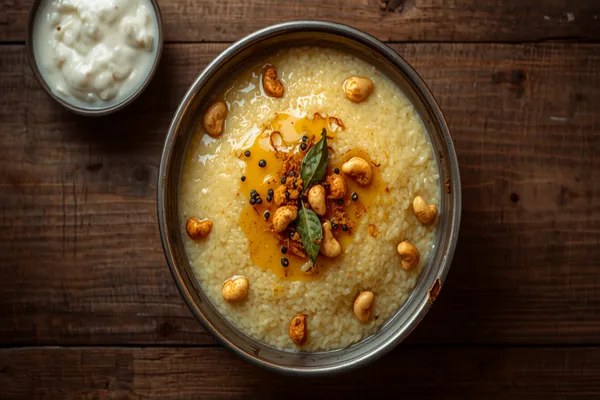
Tamil Nadu · Indian
Ven Pongal (South Indian Rice-and-Dal Breakfast)
The creamy, peppery Tamil breakfast of rice and moong dal cooked soft and finished with a ghee tempering of cashews, cumin, black pepper and curry leaves. Temple comfort food you can make in one pot.
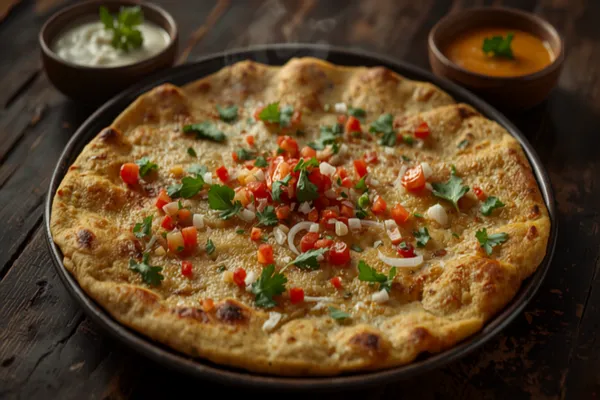
Tamil Nadu / South India · Indian
Uttapam (Onion-Tomato South Indian Savory Pancake)
A thick, savoury South Indian pancake made from fermented rice-and-lentil batter, griddled with onion, tomato, chilli and coriander pressed into the top — crisp at the edges, pillowy in the middle. The forgiving, topping-loaded cousin of the dosa.