Tamil Nadu / South India · Indian
Medu Vada (South Indian Lentil Doughnuts)
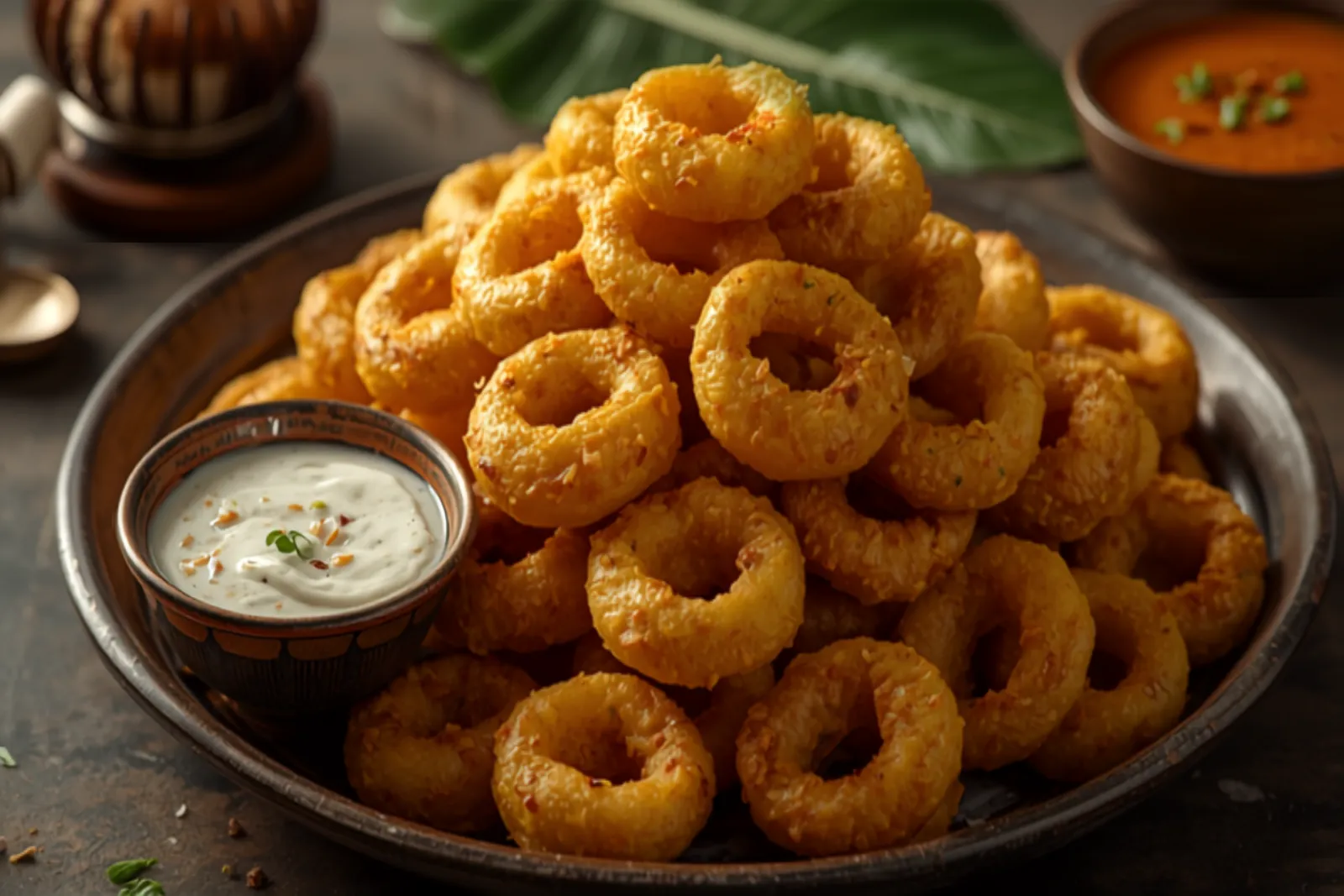
Crisp-outside, fluffy-inside savory doughnuts of ground urad dal, spiced with pepper, ginger, and curry leaves and fried golden. The crunchy counterpart to soft idli on the South Indian breakfast plate.
Published June 28, 2026
Cultural context
Medu vada (uddina vada, ulundu vadai) is the savory fried doughnut of South Indian breakfast and tiffin — 'medu' means soft, for its fluffy interior. Crisp, ring-shaped, and served with sambar and chutney, it's a tiffin-counter staple and a fixture of festival and temple food across the south.
Medu vada is the crunchy half of the South Indian breakfast plate — a savory lentil doughnut, crisp and golden outside, soft and fluffy within (medu means soft). Ground from urad dal and spiked with pepper, ginger, and curry leaves, then fried into its signature ring shape, it’s the natural partner to a soft idli and a fixture at tiffin counters, festivals, and temple kitchens across the south.
The batter must be thick and airy
Everything rests on the batter. Urad dal is soaked and ground thick, with as little water as possible, then whipped to incorporate air — the test is that a small spoonful floats in a cup of water. A loose, watery batter won’t hold its ring shape and won’t turn fluffy. This is the opposite of idli batter, and it should not be fermented.
Shaping the ring
Wet hands are the trick: take a ball of batter, flatten it on your damp palm, poke a hole in the centre, and slide it into the oil. The hole isn’t just for looks — it helps the vada cook through to the middle before the outside over-browns.
Fry at the right heat
Medium-hot oil is the sweet spot: hot enough to crisp and set the outside, gentle enough to cook the centre. Too hot and you get raw middles; too cool and they soak up oil. Serve them the moment they’re drained, with coconut chutney and sambar.
For the rest of the South Indian breakfast spread, see idli and sambar, or browse the full recipe collection.
Ingredients
For the batter
- 1 cup urad dal (skinned split black gram) Soaked, then ground thick with minimal water — the secret to fluffy vadas.
- 1 tsp whole black peppercorns, crushed
- 1 tbsp ginger, finely chopped
- 1 sprig curry leaves, chopped
- 2 green chilies, finely chopped
- salt and a pinch of asafoetida (hing)
To fry
- neutral oil for deep-frying
Method
Tap a step’s number to check it off as you go.
-
Soak the urad dal 4 hours, drain well, and grind to a thick, fluffy batter using as little water as possible.
Why: A stiff, well-aerated batter is everything — too much water and the vadas won't hold their shape or turn fluffy. Grinding incorporates air for the soft interior.
-
Whip the batter by hand for a minute, then fold in the pepper, ginger, curry leaves, chili, salt, and hing.
Why: Whipping aerates the batter further (a spoonful floats in water when ready); adding the aromatics after keeps the batter light.
-
Heat oil to medium-hot. Wet your hand, take a ball of batter, flatten it, and poke a hole in the centre to form a ring.
Why: The hole gives the classic doughnut shape and helps the vada cook evenly through to the middle. Wet hands stop the sticky batter from clinging.
-
Slip the vadas into the oil and fry, turning, until deep golden and crisp all over.
Why: Medium-hot oil cooks the inside through before the outside over-browns; too hot and they're raw within, too cool and they drink oil.
-
Drain and serve hot.
Why: Vadas are crispest the moment they come out; they soften as they sit.
A quick, anonymous tap — no review needed.
Variations
- Thayir vada (dahi vada)
Soak the fried vadas in spiced yogurt for the South Indian curd vada — soft, cooling, and tangy.
- Sambar vada
Dunk the hot vadas in sambar so they soak it up — a tiffin-counter favourite.
- Masala vada (different dish)
For a crunchier chana-dal fritter, try paruppu/masala vada — a coarser, spicier cousin.
Serving & Storage
Serve hot with coconut chutney and sambar, alongside idli for the classic South Indian breakfast plate.
Pairs with: Coconut chutney, Sambar, Idli, Filter coffee.
Storage: Best eaten fresh and hot. The ground batter can wait an hour or two; don't refrigerate it long or it loosens and ferments.
Nutrition
Per serving (3 vadas)
- Calories
- 260
- Protein
- 9 g
- Carbs
- 26 g
- Fat
- 13 g
- Fiber
- 5 g
- Sugar
- 1 g
- Sodium
- 360 mg
Notable micronutrients: Folate, Iron, Magnesium
Estimated using standard ingredient data. Values vary with brands and substitutions.
Frequently Asked Questions
Why do my vadas come out hard or oil-soaked?
Hard vadas usually mean too much water in the batter or under-whipped batter; oil-soaked ones mean the oil was too cool. Grind thick with minimal water, whip in air, and fry in medium-hot oil.
How do I shape medu vada without it sticking?
Keep a bowl of water nearby and wet your hand (or use a piece of wet plastic/banana leaf) each time. Flatten a ball, poke a hole, and slide it off your fingers into the oil.
Can I make the batter in advance?
Grind it close to frying time. Unlike idli batter, vada batter shouldn't ferment — if it sours and loosens, the vadas won't hold their shape or stay fluffy.
What to drink with this
All drinks →Hand-picked pours to match this dish.
North & West India (peak-summer drink across the subcontinent) · Indian
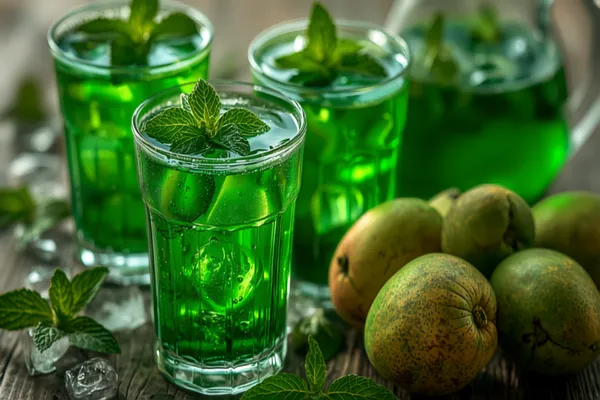
Aam Panna (Raw Green Mango Summer Cooler)
India's tangy, jade-green raw-mango cooler — roasted or boiled green mangoes blended with cumin, black salt and mint. The traditional heat-stroke remedy that tastes like summer.
Pan-Indian (North & West India) · Indian
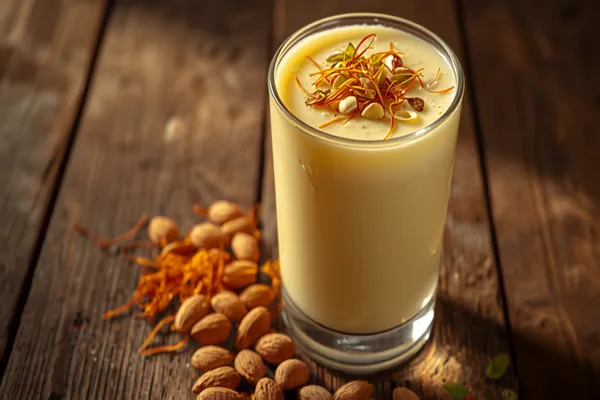
Badam Milk (Saffron Almond Milk)
Milk simmered with a paste of soaked almonds, saffron, cardamom and a whisper of nutmeg — India's rich, fragrant almond drink. Comforting served warm in winter, reviving served chilled in summer, festive any time.
Pan-Indian (Gujarat & West India especially) · Indian
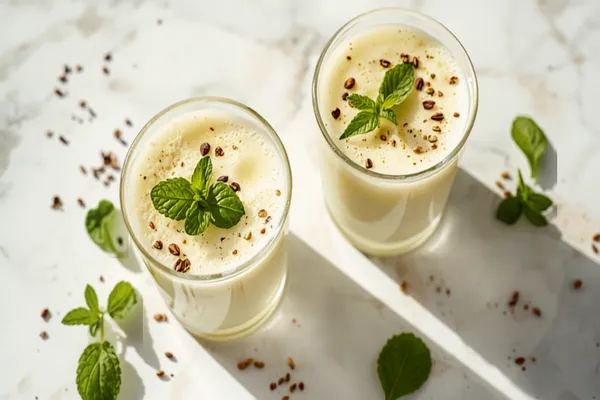
Chaas (Spiced Indian Buttermilk / Masala Chaas)
Whisked yogurt thinned with water and seasoned with cumin, green chilli, ginger and curry leaves — India's cooling, savoury buttermilk. A salty-tangy digestive that beats the heat and settles a heavy meal in two minutes.
From our kitchen community
Ratings & Reviews
My Rating
Tap a star to rate — no sign-in, no form needed.
My Review
0 Ratings
🥣 0 home cooks made it!
Be the first to rate Medu Vada (South Indian Lentil Doughnuts).
Related Recipes
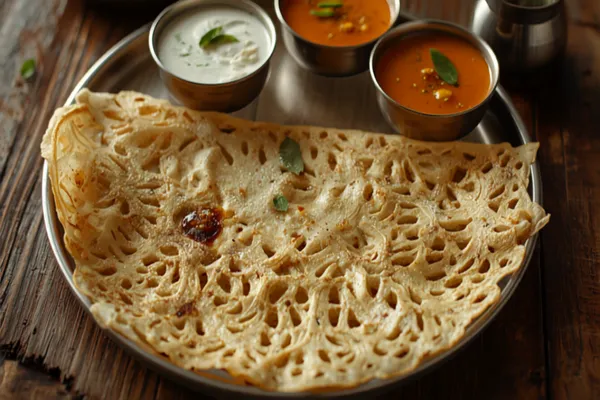
Udupi, Karnataka (South India) · Indian
Rava Dosa (Crispy Lace Semolina Dosa)
The instant, no-ferment dosa — a batter of semolina, rice flour and maida poured thin so it cooks into a golden, lace-holed crisp. Studded with cumin, pepper, green chilli and curry leaves, it's the fastest great dosa you can make.
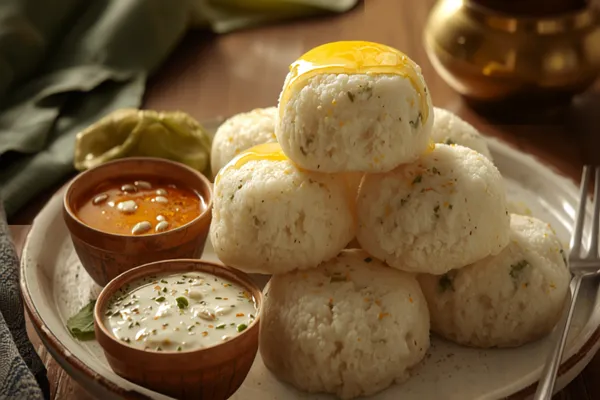
Tamil Nadu / Karnataka / South India · Indian
Idli (Soft Steamed South Indian Rice Cakes)
The gentlest of South Indian breakfasts: pillowy, fermented rice-and-lentil cakes, steamed until cloud-soft and eaten with sambar and chutney. Light, gut-friendly, and the comfort food of the south.
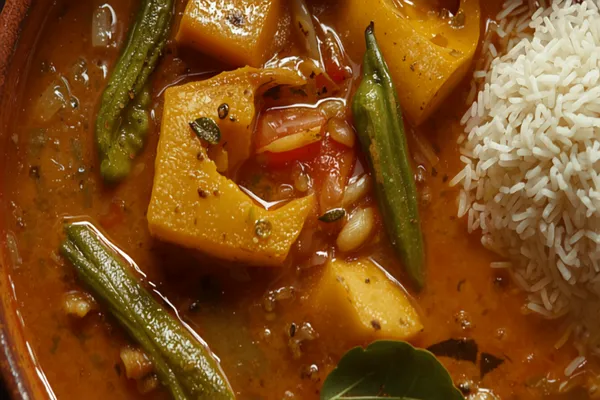
Tamil Nadu / South India · Indian
Sambar (South Indian Lentil and Vegetable Stew)
The everyday backbone of a South Indian meal: toor dal simmered with vegetables and tamarind, seasoned with a freshly ground sambar powder and a sizzling tempering. Tangy, savory, and endlessly comforting.
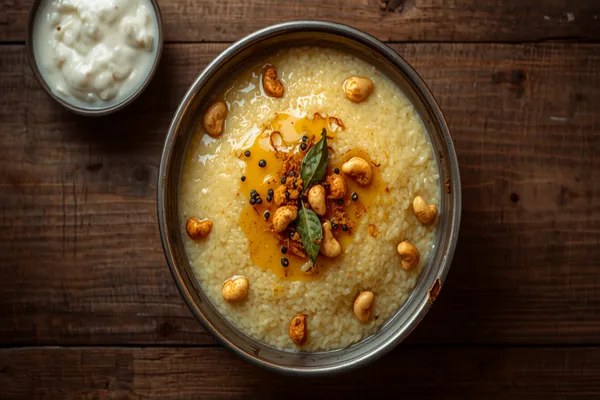
Tamil Nadu · Indian
Ven Pongal (South Indian Rice-and-Dal Breakfast)
The creamy, peppery Tamil breakfast of rice and moong dal cooked soft and finished with a ghee tempering of cashews, cumin, black pepper and curry leaves. Temple comfort food you can make in one pot.
Tamil Nadu / South India · Indian
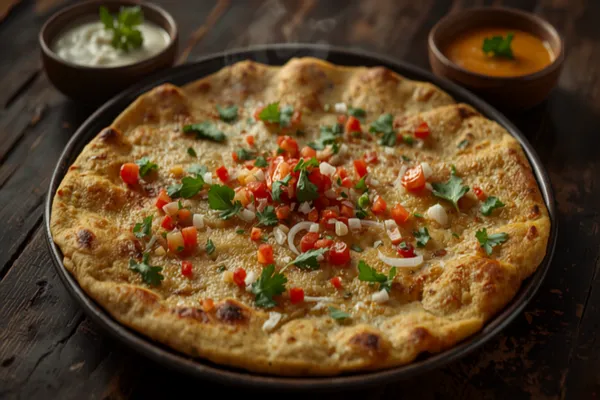
Uttapam (Onion-Tomato South Indian Savory Pancake)
A thick, savoury South Indian pancake made from fermented rice-and-lentil batter, griddled with onion, tomato, chilli and coriander pressed into the top — crisp at the edges, pillowy in the middle. The forgiving, topping-loaded cousin of the dosa.