Tamil Nadu · Indian
Ven Pongal (South Indian Rice-and-Dal Breakfast)
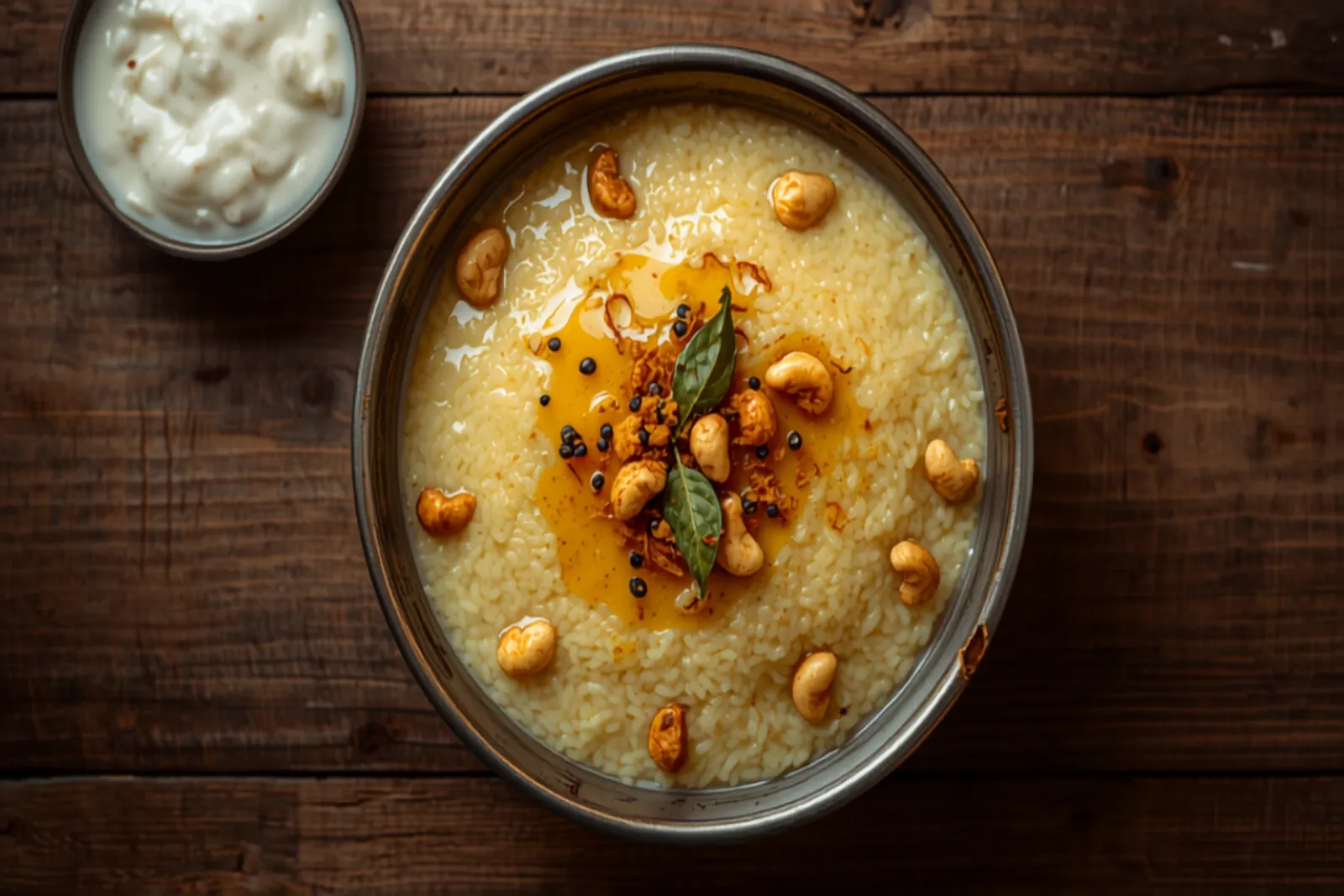
The creamy, peppery Tamil breakfast of rice and moong dal cooked soft and finished with a ghee tempering of cashews, cumin, black pepper and curry leaves. Temple comfort food you can make in one pot.
Published July 4, 2026
Cultural context
Ven pongal (venn = white, pongal = to boil over) is the savory, peppery cousin of the sweet sakkarai pongal. It is everyday temple prasadam and a beloved South Indian breakfast across Tamil Nadu — and, in close variants, Karnataka and Andhra — served long before it became a festival name. The dish shares its root with the mid-January Pongal harvest festival, when new-season rice is deliberately boiled until it spills over as a sign of abundance.
Ven pongal is South India’s great one-pot comfort breakfast: rice and moong dal cooked together until soft and creamy, then finished with a generous ghee tempering of cashews, cumin, cracked black pepper and curry leaves. The name says it plainly — venn means white and pongal means to boil over — and that overflowing pot is the whole idea, a symbol of abundance that ties the everyday dish to the mid-January harvest festival that shares its name.
Temple food, breakfast food
Long before Pongal became a festival on the calendar, ven pongal was — and still is — prasadam ladled out at Tamil temples, its fragrance of ghee and pepper filling the courtyard. That same dish moved onto the breakfast table across Tamil Nadu, with close cousins in Karnataka and Andhra, where it’s often called khara pongal. It’s the food of slow mornings and of anyone feeling under the weather: gentle, warming, and quietly nourishing thanks to the protein-rich moong dal.
The 2:1 ratio and why texture is everything
Pongal lives and dies by texture. The classic ratio is two parts rice to one part moong dal, cooked with enough water to break the grains down into a soft, spoonable mass — closer to a savory porridge than to steamed rice. Roasting the dal first, until it smells nutty, adds a toasty depth and keeps it from dissolving completely. Because pongal stiffens fast as it cools, you always keep it looser than looks right in the pot; a good spoonful should slump, not stand up.
The thalippu is the whole dish
Everything memorable about ven pongal comes from the thalippu — the ghee tempering poured over at the end. Cashews fried golden, cumin and whole-cracked black pepper bloomed in hot ghee, fresh ginger, curry leaves and a pinch of hing: this is the personality of the dish, and it’s why whole peppercorns, never powder, are non-negotiable. Don’t be shy with the ghee, and finish with an extra spoonful at the table.
Serve it hot with coconut chutney and sambar, the way it comes on a South Indian tiffin plate. For more of the region’s morning classics, try soft idli and crisp medu vada, or read our guide to South Indian cooking.
Ingredients
For the pongal
- 1 cup (200 g) raw rice Short- or medium-grain like sona masoori is traditional; it cooks to the soft, sticky texture pongal wants. Avoid firm basmati.
- 1/2 cup (100 g) split yellow moong dal (moong dal) Skinless split mung. A 2:1 rice-to-dal ratio gives a creamy, not heavy, pongal.
- 4.5 cups (1.1 L) water Pongal should be soft and almost porridge-like, so it uses more water than plain rice.
- 1 tsp salt Adjust to taste at the end.
- 1 tbsp cumin seeds
- 1.5 tsp whole black peppercorns Lightly crushed. Whole-cracked pepper — not powder — is the signature heat of ven pongal.
- 1 inch fresh ginger Finely minced or grated.
- 12–15 cashews Fried in the ghee until golden; the crunch is part of the dish.
- 1 sprig fresh curry leaves
- 1/4 tsp asafoetida (hing) Skip or use a gluten-free brand if you're strictly gluten-free — most hing is cut with wheat flour.
- 1–2 dried red chiles (optional) For a little extra warmth; traditional in many Karnataka versions.
For the ghee tempering (thalippu)
- 4 tbsp ghee Generous ghee is what makes pongal taste of a temple kitchen — don't cut it too far. Cold-pressed coconut oil works for a vegan version.
Method
Tap a step’s number to check it off as you go.
-
Dry-roast the moong dal in a heavy pan over medium-low heat for 2–3 minutes, until it smells nutty and turns a shade darker. Then rinse the roasted dal and the rice together until the water runs clear.
Why: Roasting the dal before cooking deepens its flavor and keeps the grains from turning to complete mush, giving pongal a rounder, toastier taste.
-
Combine the rice, dal, water and salt in a pressure cooker and cook for 4–5 whistles (or 12–15 minutes on high in an Instant Pot, natural release). On the stovetop, simmer covered with extra water until everything is very soft, about 25 minutes.
Why: You want the grains broken down and creamy — pongal is meant to be soft and spoonable, not fluffy like pilaf. Cooking rice and dal together lets the starches merge into one silky mass.
-
Mash the cooked mixture lightly with the back of a ladle and stir in a splash of hot water if it has stiffened. It should be loose and porridge-like; it will thicken as it sits.
Why: Pongal firms up quickly off the heat, so you deliberately keep it looser than you think — a spoonful should slump, not hold its shape.
-
Heat the ghee in a small pan. Fry the cashews until golden and lift some out to save for garnish. To the same ghee add cumin, crushed pepper, ginger, curry leaves, hing and the dried chiles; let them sizzle for 30–40 seconds until fragrant.
Why: Blooming whole spices in hot ghee (the thalippu) releases their aromatic oils — this tempering is the whole personality of the dish, so don't rush or scorch it.
-
Pour the sizzling tempering over the pongal, stir it through, and simmer together for 1–2 minutes. Taste for salt and pepper, scatter the reserved cashews on top, and serve hot.
Why: A short simmer lets the ghee and spices soak into the rice rather than just sitting on top, so every spoonful carries the cumin-and-pepper flavor.
A quick, anonymous tap — no review needed.
Variations
- Vegan
Swap the ghee for cold-pressed coconut oil. You lose a little richness but gain a fragrant coconut note that suits the pepper and cumin well.
- Kovil (temple) style
Use extra ghee and cook the pongal looser and softer, with a heavier hand on the pepper. This is the intensely comforting version served as prasadam at Tamil temples.
- Millet pongal
Replace the rice with little millet (samai) or barnyard millet for a lighter, higher-fiber breakfast — a popular modern update that keeps the same tempering.
Serving & Storage
Serve piping hot with coconut chutney and a bowl of sambar, or the tangy tomato-and-lentil gothsu. A dollop of extra ghee on top at the table is traditional and very much encouraged.
Pairs with: Coconut chutney, Sambar, Medu vada, Filter coffee.
Storage: Best fresh, as it stiffens as it cools. Keeps 2 days refrigerated; loosen with hot water and a little ghee when reheating, as the rice and dal drink up liquid overnight.
Nutrition
Per serving (1 bowl (~250 g))
- Calories
- 340
- Protein
- 9 g
- Carbs
- 48 g
- Fat
- 13 g
- Fiber
- 4 g
- Sugar
- 1 g
- Sodium
- 460 mg
Notable micronutrients: Iron, Folate, Magnesium
Estimated using standard ingredient data. Values vary with brands and substitutions.
Frequently Asked Questions
What's the difference between ven pongal and sakkarai pongal?
They share a base of rice and moong dal but go in opposite directions. Ven pongal (khara pongal) is savory — finished with ghee, black pepper, cumin, ginger and cashews. Sakkarai pongal is sweet, cooked with jaggery, cardamom and cashews and made especially for the Pongal harvest festival. When people say just 'pongal' at breakfast, they almost always mean the savory ven pongal.
Which rice is best for pongal?
A soft-cooking short- or medium-grain rice like sona masoori is ideal, because pongal is meant to be creamy and slightly sticky. Long, firm basmati stays separate and fluffy, which is the wrong texture here. If basmati is all you have, cook it with extra water and mash it more.
Can I make ven pongal without a pressure cooker?
Yes. Simmer the rice and dal in a covered pot with about a cup of extra water, stirring now and then, until everything is very soft — roughly 25–30 minutes. Add hot water as needed; the mixture should stay loose and porridge-like.
What to drink with this
All drinks →Hand-picked pours to match this dish.
North & West India (peak-summer drink across the subcontinent) · Indian
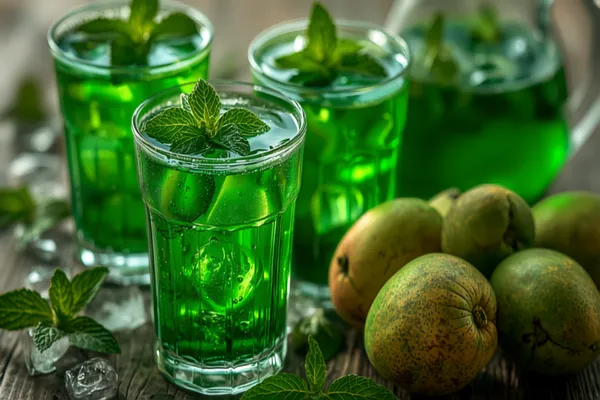
Aam Panna (Raw Green Mango Summer Cooler)
India's tangy, jade-green raw-mango cooler — roasted or boiled green mangoes blended with cumin, black salt and mint. The traditional heat-stroke remedy that tastes like summer.
Pan-Indian (North & West India) · Indian
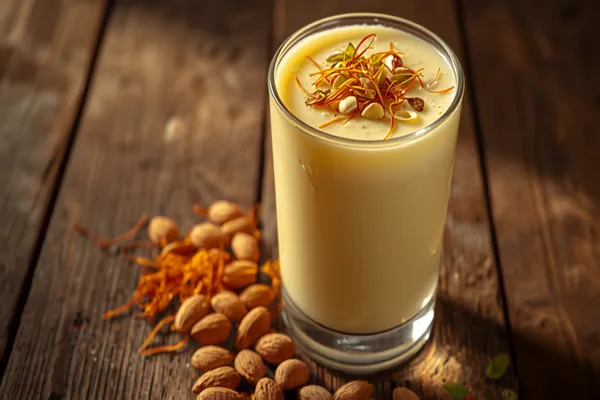
Badam Milk (Saffron Almond Milk)
Milk simmered with a paste of soaked almonds, saffron, cardamom and a whisper of nutmeg — India's rich, fragrant almond drink. Comforting served warm in winter, reviving served chilled in summer, festive any time.
Pan-Indian (Gujarat & West India especially) · Indian
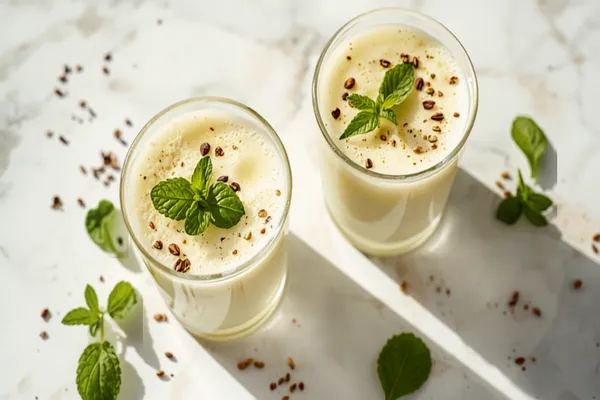
Chaas (Spiced Indian Buttermilk / Masala Chaas)
Whisked yogurt thinned with water and seasoned with cumin, green chilli, ginger and curry leaves — India's cooling, savoury buttermilk. A salty-tangy digestive that beats the heat and settles a heavy meal in two minutes.
From our kitchen community
Ratings & Reviews
My Rating
Tap a star to rate — no sign-in, no form needed.
My Review
0 Ratings
🥣 0 home cooks made it!
Be the first to rate Ven Pongal (South Indian Rice-and-Dal Breakfast).
Related Recipes
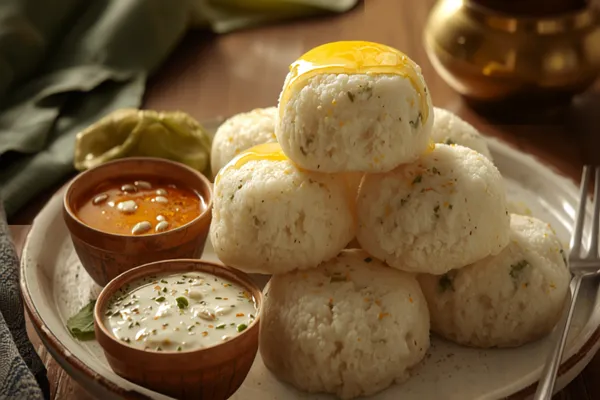
Tamil Nadu / Karnataka / South India · Indian
Idli (Soft Steamed South Indian Rice Cakes)
The gentlest of South Indian breakfasts: pillowy, fermented rice-and-lentil cakes, steamed until cloud-soft and eaten with sambar and chutney. Light, gut-friendly, and the comfort food of the south.
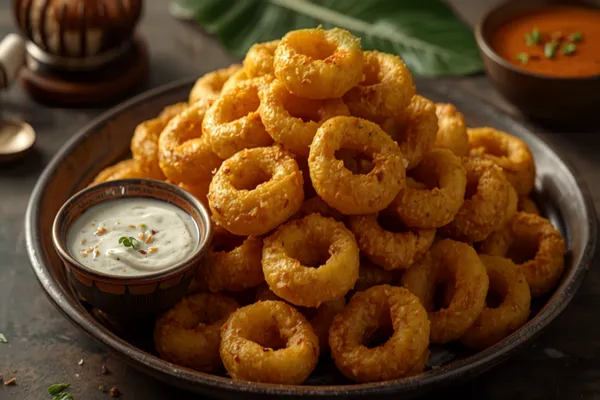
Tamil Nadu / South India · Indian
Medu Vada (South Indian Lentil Doughnuts)
Crisp-outside, fluffy-inside savory doughnuts of ground urad dal, spiced with pepper, ginger, and curry leaves and fried golden. The crunchy counterpart to soft idli on the South Indian breakfast plate.
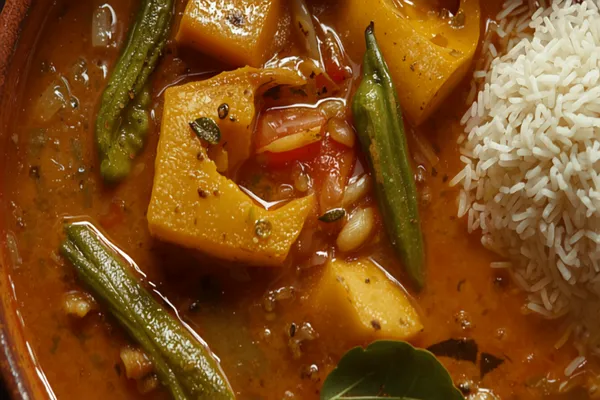
Tamil Nadu / South India · Indian
Sambar (South Indian Lentil and Vegetable Stew)
The everyday backbone of a South Indian meal: toor dal simmered with vegetables and tamarind, seasoned with a freshly ground sambar powder and a sizzling tempering. Tangy, savory, and endlessly comforting.
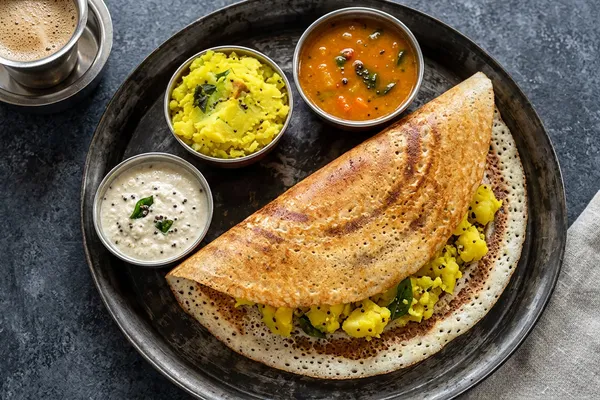
Tamil Nadu / Karnataka / South India · Indian
Masala Dosa (Crispy South Indian Crepe with Spiced Potato)
The South Indian icon: a fermented rice-and-lentil crepe griddled until lacy and golden, wrapped around a turmeric-yellow potato masala, and served with coconut chutney and sambar. A weekend project worth every minute.
Further reading
- Cultural Story · South IndiaA Complete Guide to South Indian CookingSouth India isn't one cuisine but many — Tamil, Kerala, Karnataka, Andhra and Telangana, each with its own grains, spices, and rituals. A guide to the building blocks, the regional differences, and where to start cooking.
- Ingredient Deep DiveThe Indian Spice Pantry: A Beginner's MapYou don't need a hundred spices to cook Indian food — you need a dozen, and the know-how to use them. A practical guide to the essential Indian spices, what each does, and the techniques (tadka, bhuna, dry-roasting) that unlock them.