Kolkata, West Bengal / East India · Indian
Kolkata Kathi Roll (Chicken & Egg Paratha Roll)
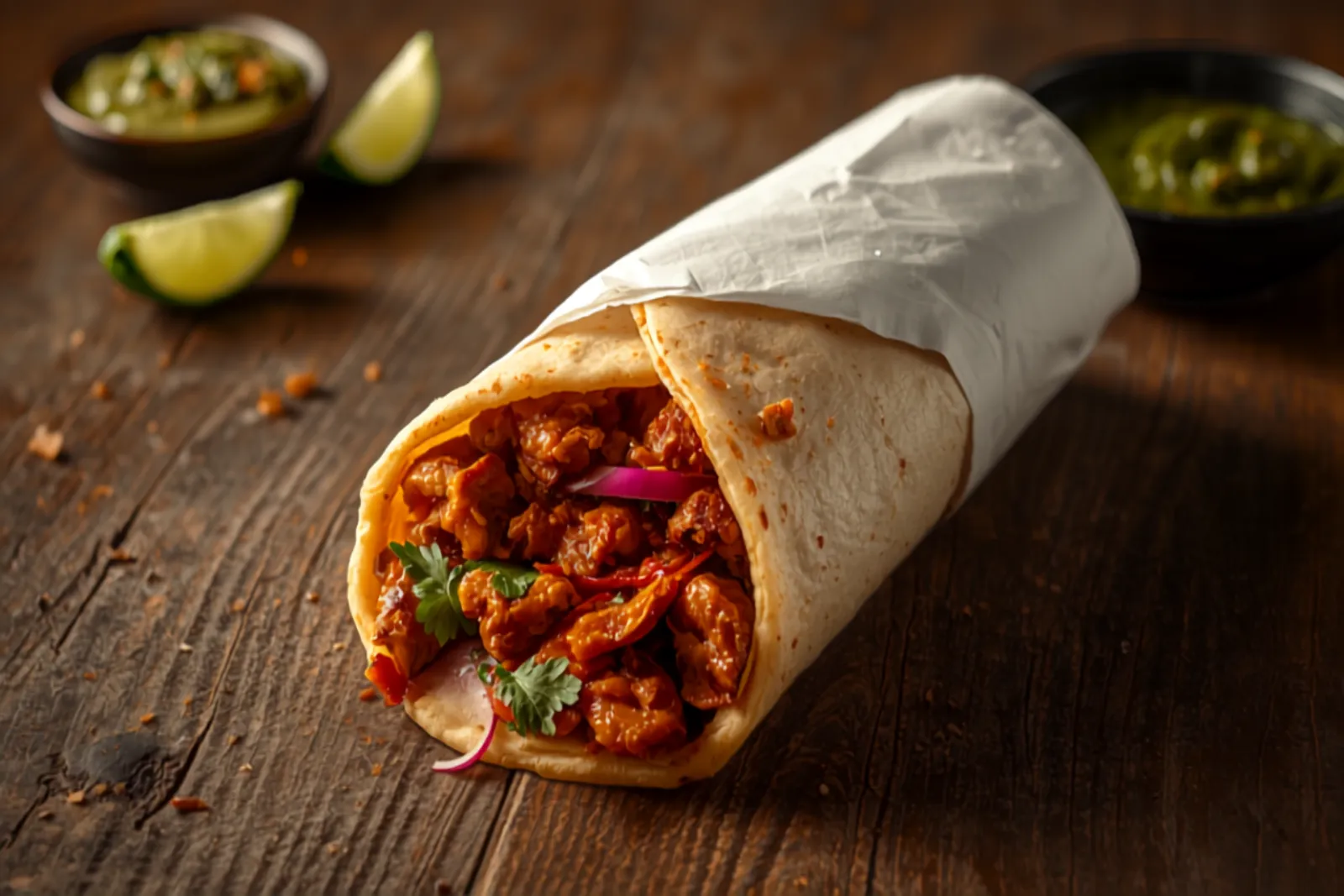
Smoky spiced chicken and a just-set egg rolled into a flaky, twice-cooked paratha with sharp onions and green chutney — Kolkata's legendary street roll, born at Nizam's in the 1930s.
Published August 3, 2026
Cultural context
The kathi roll was born at Nizam's, a Mughlai restaurant founded in 1932 near Kolkata's New Market, which began wrapping its skewer-grilled kebabs in paratha so office-goers could eat them on the move. The name is usually traced to the bamboo skewers — 'kathi' — the kitchen switched to in the 1960s. Today the roll, with its egg-lined paratha and mustard-sharp onions, is Kolkata's defining street food and has travelled from Park Street to food carts in New York.
The kathi roll is Kolkata’s great gift to eating on the move: skewer-charred meat, a just-set egg, and sharp mustard-kissed onions rolled inside a flaky, twice-cooked paratha. It began in 1932 at Nizam’s, a Mughlai restaurant by New Market, where the kitchen started wrapping its kebabs in paratha so customers could eat them without cutlery — and, the story goes, took its name from the bamboo skewers (“kathi”) that replaced iron ones in the 1960s. A proper chicken kathi roll made at home gets you remarkably close to the Park Street original.
The paratha is half the roll
Kolkata’s roll paratha is maida-based and laminated — oiled, coiled and re-rolled so it fries up in flaky layers, then cooked twice on the tawa: dry to set it, then fried to blister it. Skip the lamination and you’ve made a tortilla wrap; do it and the bread stays crisp outside, soft inside, and strong enough to hold a juicy filling.
The egg is the signature
The move that separates a kathi roll from every other wrap: an egg beaten with salt is poured straight onto the hot tawa and the paratha pressed down onto it, so the omelette cooks welded to the bread. Every bite gets that savoury egg lining, and the layer also waterproofs the paratha against the chutney and meat juices.
Char, don’t stew
The filling descends from kebabs grilled over hard heat, so cook the marinated chicken in a screaming-hot pan without crowding it. You want edges that catch and char — that smokiness, plus the lightly pickled onions and a dusting of chaat masala, is the whole personality of the roll.
Kolkata’s food heritage runs deep — try the delicately perfumed Kolkata biryani or the city’s fiery puchka next, and read more in our guide to Bengali cooking.
Ingredients
For the paratha
- 250 g (2 cups) maida (all-purpose flour) Kolkata rolls use a maida paratha, not whole wheat — it's what gives the flaky, slightly chewy wrap.
- 2 tbsp neutral oil or ghee, plus more for the dough and pan
- 1/2 tsp salt
- about 125 ml (1/2 cup) warm water
For the chicken filling
- 450 g (1 lb) boneless chicken thighs, cut into thin strips Thighs stay juicy over high heat; breast dries out by the time it chars.
- 120 g (1/2 cup) thick plain yogurt
- 1 tbsp ginger-garlic paste
- 1 tsp Kashmiri chili powder For deep colour without harsh heat; add cayenne if you want more fire.
- 1/2 tsp turmeric powder
- 1 tsp garam masala
- 1 tbsp lime juice
- 1 tsp salt
For the eggs and assembly
- 4 eggs
- 1 red onion, sliced paper-thin
- 2 green chilies, finely chopped
- 4 tbsp green chutney (mint-coriander) Street stalls also streak on kasundi (Bengali fermented mustard) or a squiggle of ketchup — use what you love.
- 1 tsp chaat masala
- 1 lime, cut into wedges
Method
Tap a step’s number to check it off as you go.
-
Knead the maida, salt, 2 tbsp oil and warm water into a soft, supple dough, about 8 minutes. Rub with oil, cover, and rest 30 minutes.
Why: Resting relaxes the gluten so the paratha rolls thin without springing back — the difference between a tender wrap and a tough one.
-
Meanwhile, toss the chicken with yogurt, ginger-garlic paste, Kashmiri chili, turmeric, garam masala, lime juice and salt. Marinate 30 minutes (or up to overnight, refrigerated).
Why: Yogurt's acidity tenderizes the chicken and helps the spices cling and char rather than burn.
-
Toss the sliced onion with the green chilies, a pinch of salt, half the chaat masala and a squeeze of lime. Set aside to lightly pickle.
Why: This quick laccha-style onion salad wilts just slightly, losing raw harshness while keeping crunch — it's the roll's fresh, acidic counterpoint.
-
Sear the chicken in a very hot, lightly oiled pan or kadai, undisturbed at first, until charred at the edges and cooked through, 8–10 minutes. Don't crowd the pan.
Why: The kathi roll descends from skewer-grilled kebabs — hard, dry heat and a little char are what make the filling taste like the street original rather than a curry.
-
Divide the dough into 4 balls. Roll each thin, coat with oil, dust with flour, then roll into a rope, coil it into a spiral, and roll flat again into a 20 cm round.
Why: Oiling, coiling and re-rolling laminates the dough into layers, so the paratha cooks up flaky instead of flat like a tortilla.
-
Cook each paratha on a hot tawa or skillet: dry on the first side until speckled, then flip, add a spoon of oil, and fry until golden and blistered.
Why: The Kolkata paratha is cooked twice — first dry to set it, then fried — which crisps the outside while the layers inside stay soft.
-
Beat one egg with a pinch of salt. Pour it onto the hot tawa, immediately press the paratha's fried side down onto it, and cook until the egg is set and welded to the bread. Repeat for each roll.
Why: Setting the egg directly onto the paratha — the signature Nizam's move — gives every bite a savoury, omelette-lined interior and keeps the wrap pliable.
-
Place each paratha egg-side up, streak with green chutney, pile a quarter of the chicken down the middle, top with the pickled onions and remaining chaat masala, and finish with a squeeze of lime.
-
Roll tightly, wrap the lower half in parchment or foil, and serve hot.
Why: The paper sleeve isn't just nostalgia — it holds the roll's shape and catches the juices, exactly as the street stalls serve it.
A quick, anonymous tap — no review needed.
Variations
- Egg roll (vegetarian-ish Kolkata classic)
Skip the chicken entirely — a double-egg roll with extra onions, chilies, cucumber and kasundi is its own beloved Kolkata order.
- Paneer kathi roll
Marinate thick batons of paneer in the same yogurt-spice mix and sear hard; a fully vegetarian roll that keeps the smoky character.
- Mutton kathi roll
The Nizam's original — use thin strips of boneless mutton or lamb shoulder, marinate longer (4+ hours), and cook a few minutes more.
Serving & Storage
Serve hot and hand-held, wrapped in paper, with extra green chutney and lime wedges — and a glass of sweet lassi or masala chai to cool the chilies.
Pairs with: Mango lassi, Masala chai, Puchka on the side, Nimbu pani.
Storage: The components hold well separately: cooked chicken keeps 3 days refrigerated, dough 2 days. Assembled rolls are best immediately; re-crisp a leftover roll on a dry tawa rather than a microwave, which turns the paratha leathery.
Nutrition
Per serving (1 roll)
- Calories
- 520
- Protein
- 31 g
- Carbs
- 52 g
- Fat
- 21 g
- Fiber
- 3 g
- Sugar
- 4 g
- Sodium
- 890 mg
Notable micronutrients: Iron, Vitamin B12, Selenium
Estimated using standard ingredient data. Values vary with brands and substitutions.
Frequently Asked Questions
What's the difference between a kathi roll and a frankie?
They're cousins, not twins. The kathi roll is Kolkata's — a flaky maida paratha, usually egg-lined, around kebab-style meat with raw onions and chutney. The frankie is Mumbai's later adaptation, typically a softer roti smeared with masala and a vinegar-chili sprinkle. Recipes online use the names loosely, but the egg-welded paratha is the Kolkata signature.
Can I make the parathas ahead?
Yes — cook them through the dry first side, stack between parchment, and refrigerate up to 2 days. Finish the oil-fry and the egg layer fresh, which takes barely two minutes a roll and is what makes the roll taste stall-fresh.
Is a kathi roll spicy?
As written it's medium — Kashmiri chili is more colour than fire, and the green chilies are the main heat. Cut them back (or deseed) for a mild roll, or add cayenne to the marinade and extra chilies to the onions to eat it the way most Kolkata stalls serve it.
What to drink with this
All drinks →Hand-picked pours to match this dish.
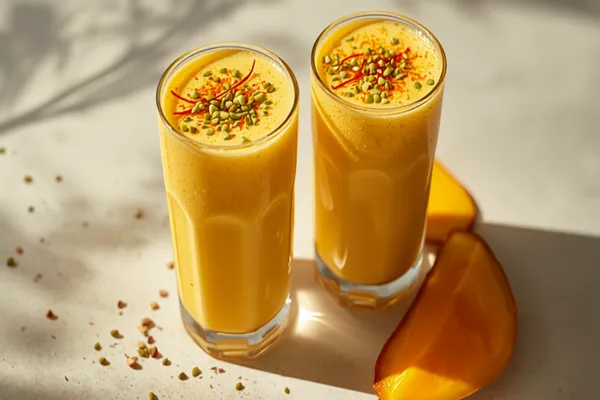
Punjab / North India (lassi heartland) · Indian
Mango Lassi (Yogurt and Mango Drink)
The creamy, cooling mango-and-yogurt drink of North Indian summers and restaurant menus everywhere. Three ingredients, two minutes, and a little cardamom.
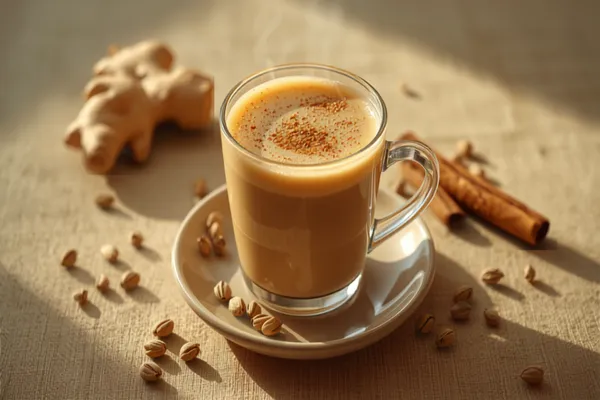
Pan-Indian (the everyday tea of the subcontinent) · Indian
Masala Chai (Spiced Indian Tea)
India's daily ritual in a cup: black tea brewed with milk, sugar and freshly crushed spices. The proper stovetop method, plus how to build your own masala.

North India (shikanji), pan-Indian street drink · Indian
Nimbu Pani (Indian Spiced Lemonade / Shikanji)
India's everyday thirst-quencher: fresh lime, sugar or jaggery, a hit of black salt and roasted cumin, lengthened with water. Sweet, salty, tangy and instantly reviving in the heat.
From our kitchen community
Ratings & Reviews
My Rating
Tap a star to rate — no sign-in, no form needed.
My Review
0 Ratings
🥣 0 home cooks made it!
Be the first to rate Kolkata Kathi Roll (Chicken & Egg Paratha Roll).
Related Recipes
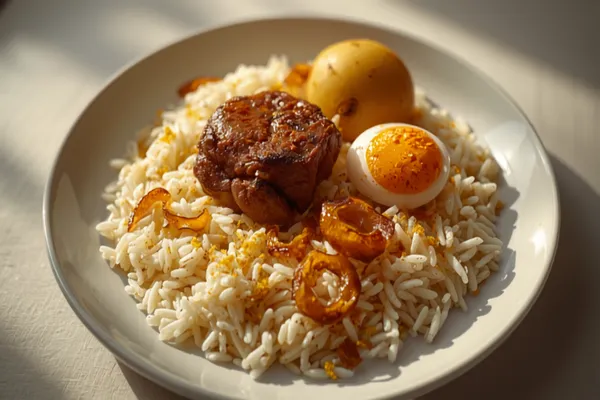
Kolkata, West Bengal / East India · Indian
Kolkata Biryani (Bengali Mutton Biryani with Potato and Egg)
Bengal's elegant, fragrant biryani: lightly spiced mutton and saffron rice layered with a whole potato and a boiled egg — the Awadhi biryani reinvented in Kolkata.
West Bengal / East India (a pan-Indian street food) · Indian
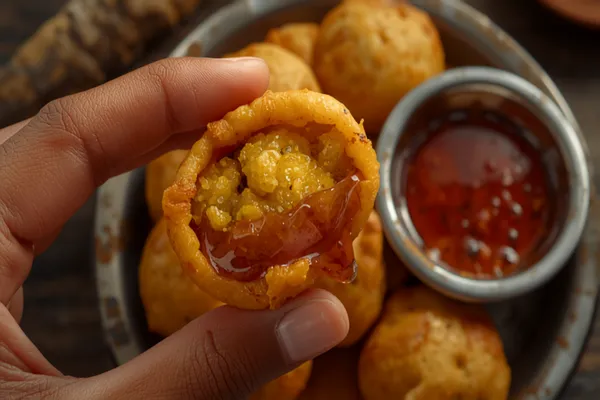
Puchka (Bengali-Style Pani Puri / Golgappa)
Bengal's beloved street snack: crisp hollow puris filled with spiced mashed potato and chickpeas, then dunked in a fiery, tangy tamarind-and-spice water. Sharp, spicy, sour, and eaten one explosive bite at a time.
Lucknow, Awadh (Uttar Pradesh) / North India · Indian
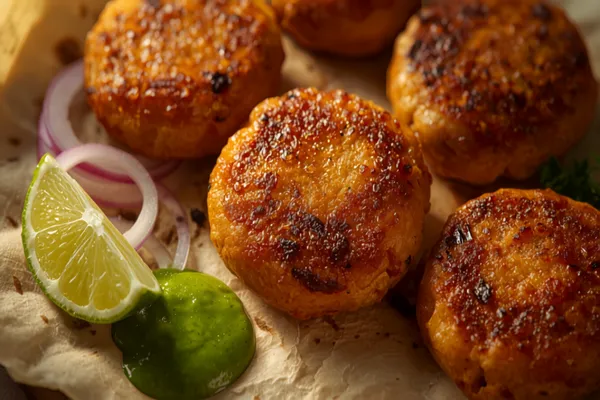
Galouti Kebab (Lucknowi Melt-in-the-Mouth Mince Kebab)
The legendary Awadhi kebab said to be invented for a toothless Nawab: spiced minced meat tenderised with raw papaya and enriched with ghee, fried into soft patties that dissolve on the tongue. Lucknow's edible silk.
Mumbai, Maharashtra / West India · Indian
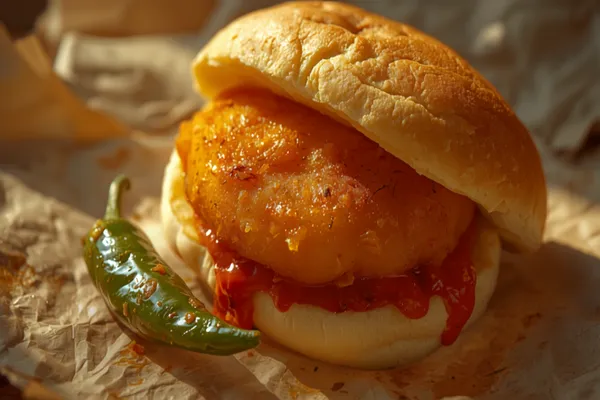
Vada Pav (Mumbai's Spiced Potato Burger)
Mumbai's beloved street snack and unofficial city sandwich: a spiced, deep-fried potato dumpling (batata vada) tucked into a soft pav with dry garlic chutney and a fried green chili. Cheap, fiery, and completely addictive.
Further reading
- Cultural Story · Eastern IndiaA Complete Guide to Bengali and Eastern Indian CookingFrom the fish-and-rice heart of Bengal to Odisha's temple food, Assam's sour-clean dishes, and the smoke-and-ferment cooking of the Northeast — a guide to eastern India's distinct, often gentle, sometimes fiery table.
- Ingredient Deep DiveThe Indian Spice Pantry: A Beginner's MapYou don't need a hundred spices to cook Indian food — you need a dozen, and the know-how to use them. A practical guide to the essential Indian spices, what each does, and the techniques (tadka, bhuna, dry-roasting) that unlock them.