Kolkata, West Bengal / East India · Indian
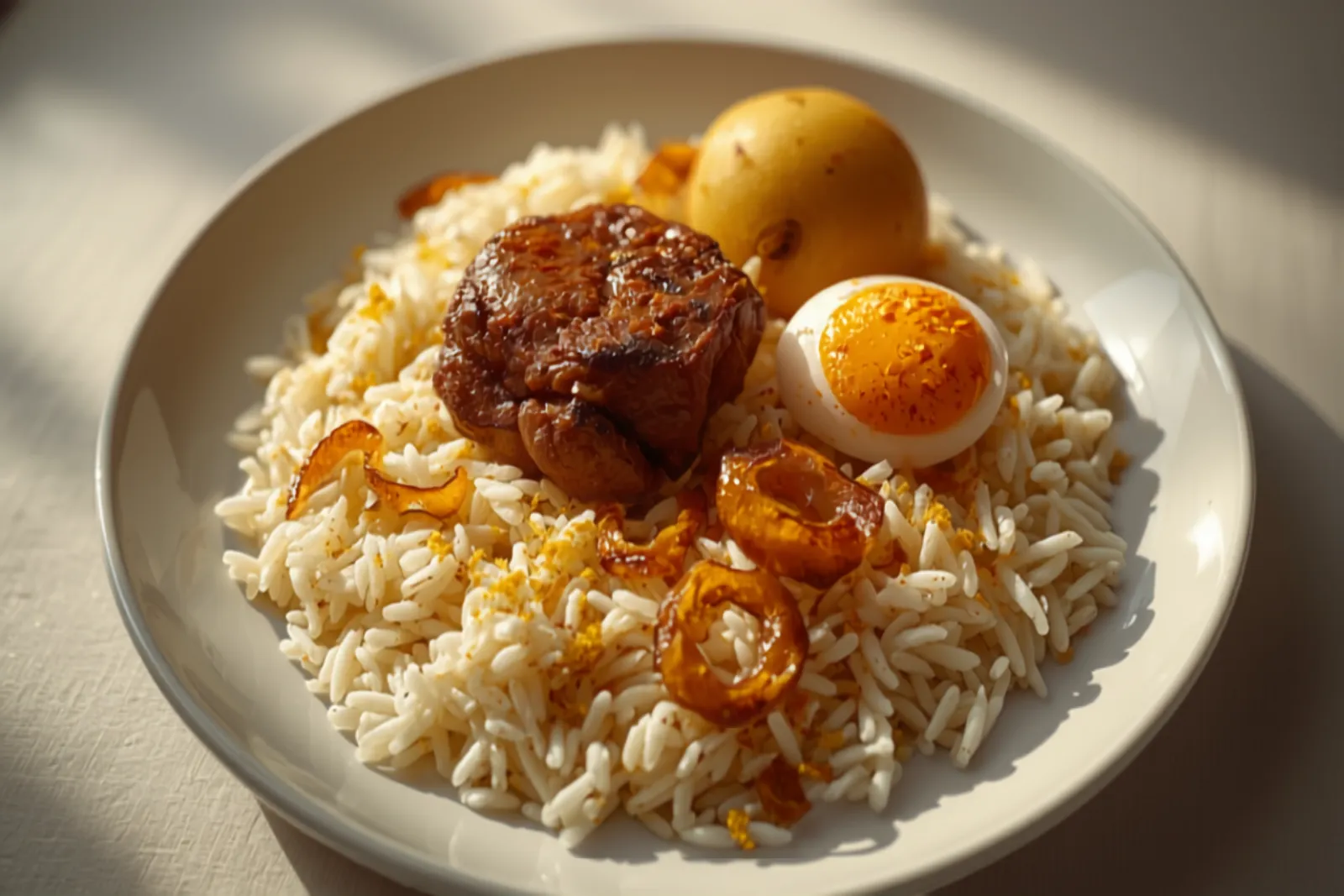
Kolkata Biryani (Bengali Mutton Biryani with Potato and Egg)
Bengal's elegant, fragrant biryani: lightly spiced mutton and saffron rice layered with a whole potato and a boiled egg — the Awadhi biryani reinvented in Kolkata.
Published July 30, 2026
Cultural context
Kolkata biryani traces to 1856, when the exiled Nawab of Awadh, Wajid Ali Shah, was relocated to Metiabruz near Calcutta and brought his royal kitchen with him. As legend has it, leaner times led cooks to stretch the meat with potato — which became the dish's beloved signature, joined by a boiled egg. The result is subtler and more delicately perfumed than the fiery Hyderabadi style.
Kolkata biryani is the most elegant member of the biryani family — lightly spiced mutton and saffron rice layered with a whole golden potato and a boiled egg, all gently perfumed with kewra and rose. It descends from the royal Awadhi kitchen of the exiled Nawab Wajid Ali Shah, who brought his cooks to Metiabruz near Calcutta in 1856. Where Hyderabadi biryani is fiery and robust, this one is all subtlety and fragrance.
The potato that made history
The famous potato has a story: leaner times in the relocated royal kitchen reportedly led cooks to stretch the meat with potato, and Bengalis took to it so completely that a saffron-stained whole potato — and a boiled egg — became the dish’s signature. Par-boil and lightly fry them so they hold their shape and soak up the flavour.
Subtle, not spicy
The mutton is cooked in a light, delicately spiced gravy — mace, nutmeg and cardamom-forward Kolkata biryani masala — never a heavy, chili-laden masala. That restraint is the point of the whole dish.
The dum does the rest
Layer the 70%-cooked rice with the meat, potato and egg, crown it with saffron milk, kewra and fried onions, then seal and cook on dum — the lowest heat — so the rice finishes in perfumed steam. Compare it with the Hyderabadi biryani, and for more of the Bengali table see kosha mangsho and the guide to Bengali cooking.
Ingredients
For the mutton
- 800 g bone-in mutton/goat
- 1/2 cup yogurt
- 2 onions, fried golden (birista)
- 1 tbsp ginger-garlic paste
- whole spices: cardamom, clove, cinnamon, bay; plus 1 tsp Kolkata biryani masala (mace, nutmeg, cardamom-heavy)
- 2 tbsp ghee
For the rice
- 3 cups aged basmati rice, soaked 30 min
- whole spices, salt, 1 tbsp ittar/kewra water Kewra and a drop of rose are the gentle Kolkata perfume.
To layer
- 4 potatoes, par-boiled and lightly fried The famous Kolkata addition — a whole potato per person.
- 4 eggs, boiled
- pinch saffron in warm milk, fried onions, a little ghee
Method
Tap a step’s number to check it off as you go.
-
Marinate the mutton in yogurt, ginger-garlic, fried-onion paste, biryani masala and whole spices for at least an hour, then cook gently in ghee with a little water until nearly tender (a light gravy, not a thick masala).
Why: Kolkata biryani's meat is delicately spiced and lightly gravied, not drowned in heavy masala — the subtlety is the whole character of the dish.
-
Par-boil the potatoes whole, then lightly fry them with a pinch of turmeric and salt until golden. Boil the eggs.
Why: Par-boiling and frying the potato lets it absorb flavour and hold its shape through the layering and dum, turning it into a saffron-stained delicacy.
-
Boil the soaked rice with whole spices and salt until about 70% cooked, then drain.
Why: Under-cooking the rice is essential — it finishes during the dum, so fully cooked rice now would turn mushy in the final steam.
-
Layer rice, mutton with its gravy, potatoes and eggs in a heavy pot; top with saffron milk, kewra water, fried onions and ghee. Seal the lid and cook on dum (lowest heat) for 25–30 minutes.
Why: The sealed, slow dum lets the rice finish in fragrant steam and the flavours marry. Kolkata biryani is defined by this gentle, perfumed final cook rather than aggressive spicing.
A quick, anonymous tap — no review needed.
Variations
- Chicken Kolkata biryani
Use bone-in chicken; reduce the meat cooking time to about 20 minutes.
- Egg biryani
Skip the meat and double the potatoes and eggs for a vegetarian-leaning version.
- Extra perfume
Increase kewra and add a few drops of rose water for the classic Metiabruz fragrance.
Serving & Storage
Serve with each portion getting a piece of mutton, a whole potato and an egg. A Kolkata-style chicken chaap (rich, mild curry), a raita and a salad of onion and cucumber complete the meal.
Pairs with: Chicken chaap, Raita, Onion-cucumber salad, Borhani.
Storage: Keeps 2–3 days refrigerated. Reheat gently with a sprinkle of water and a little ghee, covered, so the rice steams rather than dries. Freezes adequately for a month.
Nutrition
Per serving (1 serving)
- Calories
- 620
- Protein
- 34 g
- Carbs
- 62 g
- Fat
- 26 g
- Fiber
- 3 g
- Sugar
- 4 g
- Sodium
- 720 mg
Notable micronutrients: Protein, Iron, Vitamin B12
Estimated using standard ingredient data. Values vary with brands and substitutions.
Frequently Asked Questions
Why is there a potato in Kolkata biryani?
It's the dish's signature. The story goes that when the Awadhi royal kitchen relocated to Calcutta in the 1850s, leaner budgets led cooks to add potato to stretch the meat. Bengalis embraced it, and a saffron-stained whole potato is now non-negotiable in a Kolkata biryani.
How is Kolkata biryani different from Hyderabadi biryani?
Kolkata biryani is lighter, subtler and more delicately perfumed (kewra, rose, mace), with potato and egg and a paler look. Hyderabadi biryani is spicier and more robust, typically raw-marinated meat cooked kacchi-style with the rice. They reflect two different royal traditions.
What is dum?
Dum is slow steam-cooking in a sealed pot. The partly cooked rice and meat finish together over very low heat, trapping the aromatic steam. It's the technique that makes a biryani a biryani rather than a pilaf.
What to drink with this
All drinks →Hand-picked pours to match this dish.
North & West India (peak-summer drink across the subcontinent) · Indian
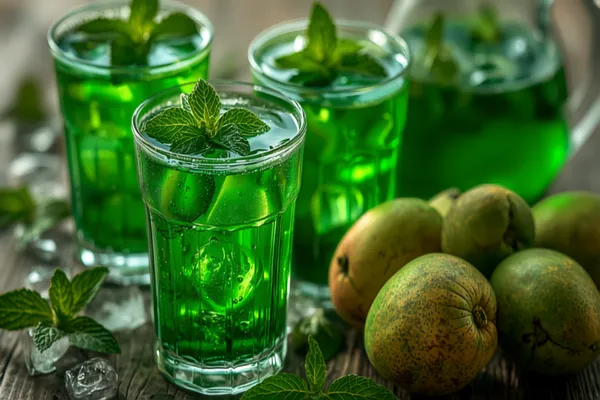
Aam Panna (Raw Green Mango Summer Cooler)
India's tangy, jade-green raw-mango cooler — roasted or boiled green mangoes blended with cumin, black salt and mint. The traditional heat-stroke remedy that tastes like summer.
Pan-Indian (North & West India) · Indian
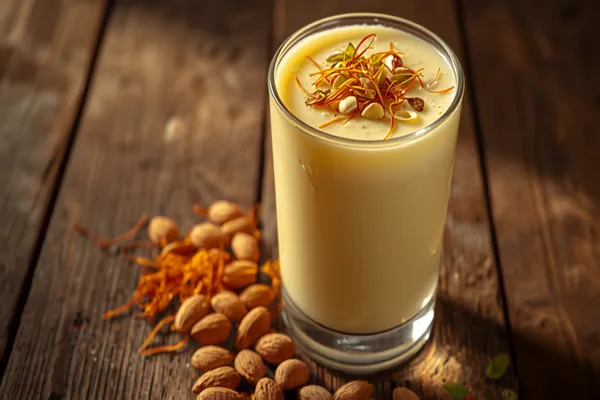
Badam Milk (Saffron Almond Milk)
Milk simmered with a paste of soaked almonds, saffron, cardamom and a whisper of nutmeg — India's rich, fragrant almond drink. Comforting served warm in winter, reviving served chilled in summer, festive any time.
Pan-Indian (Gujarat & West India especially) · Indian
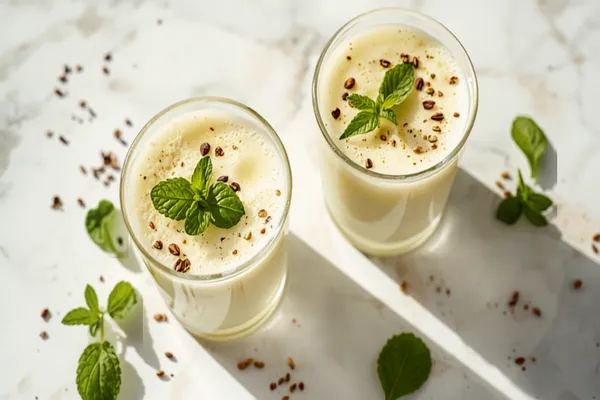
Chaas (Spiced Indian Buttermilk / Masala Chaas)
Whisked yogurt thinned with water and seasoned with cumin, green chilli, ginger and curry leaves — India's cooling, savoury buttermilk. A salty-tangy digestive that beats the heat and settles a heavy meal in two minutes.
From our kitchen community
Ratings & Reviews
My Rating
Tap a star to rate — no sign-in, no form needed.
My Review
0 Ratings
🥣 0 home cooks made it!
Be the first to rate Kolkata Biryani (Bengali Mutton Biryani with Potato and Egg).
Related Recipes
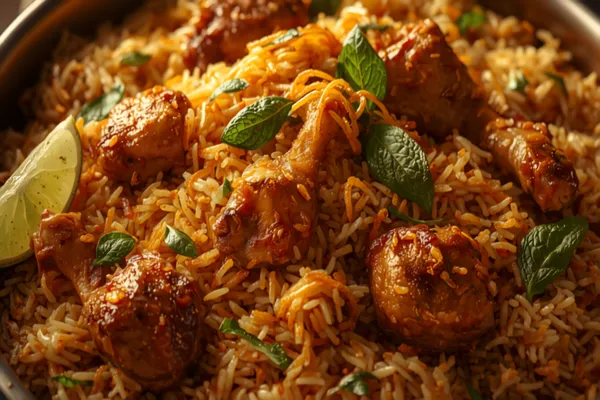
Hyderabad, Telangana / Deccan · Indian
Hyderabadi Chicken Biryani (Dum Biryani)
The jewel of Hyderabad's Deccan kitchens: chicken marinated in yogurt and spice, layered raw with par-cooked basmati, and sealed to cook on slow dum. The kachay gosht method that makes it legendary — and how to get it right at home.
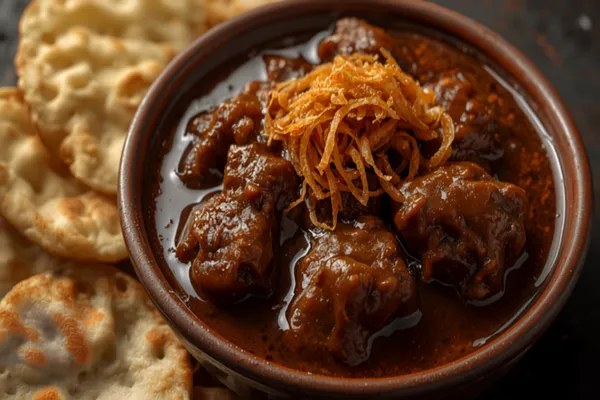
West Bengal / East India · Indian
Kosha Mangsho (Bengali Slow-Cooked Mutton Curry)
Bengal's Sunday-best mutton: goat marinated in yogurt and mustard oil, then slow-cooked with onions and whole spices until the gravy turns dark, thick, and clinging. 'Kosha' means slow-fried — and the patience is the dish.
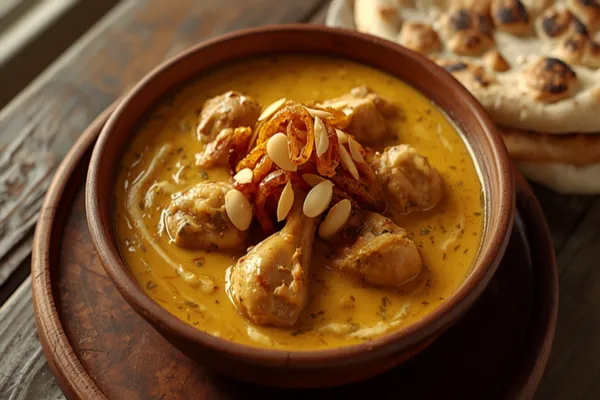
Mughlai (Delhi, Lucknow) / North India · Indian
Chicken Korma (Mughlai Creamy Curry)
A royal Mughlai curry: chicken braised in a mild, fragrant sauce of yogurt, fried onions and nut paste, scented with cardamom and saffron. Rich and aromatic rather than fiery.
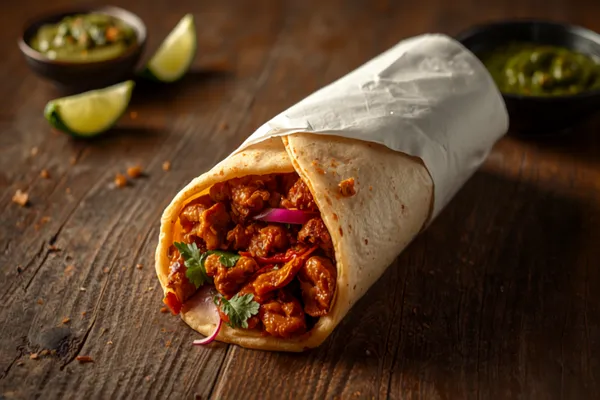
Kolkata, West Bengal / East India · Indian
Kolkata Kathi Roll (Chicken & Egg Paratha Roll)
Smoky spiced chicken and a just-set egg rolled into a flaky, twice-cooked paratha with sharp onions and green chutney — Kolkata's legendary street roll, born at Nizam's in the 1930s.
Further reading
- Cultural Story · Eastern IndiaA Complete Guide to Bengali and Eastern Indian CookingFrom the fish-and-rice heart of Bengal to Odisha's temple food, Assam's sour-clean dishes, and the smoke-and-ferment cooking of the Northeast — a guide to eastern India's distinct, often gentle, sometimes fiery table.
- Ingredient Deep DiveThe Indian Spice Pantry: A Beginner's MapYou don't need a hundred spices to cook Indian food — you need a dozen, and the know-how to use them. A practical guide to the essential Indian spices, what each does, and the techniques (tadka, bhuna, dry-roasting) that unlock them.