Ghana — the evening street stalls of Accra, Kumasi and Cape Coast, with fried-plantain cousins across Nigeria (dodo), Ivory Coast (aloco) and the wider West African coast · Ghanaian & West African
Kelewele (Ghanaian Spiced Fried Plantain)
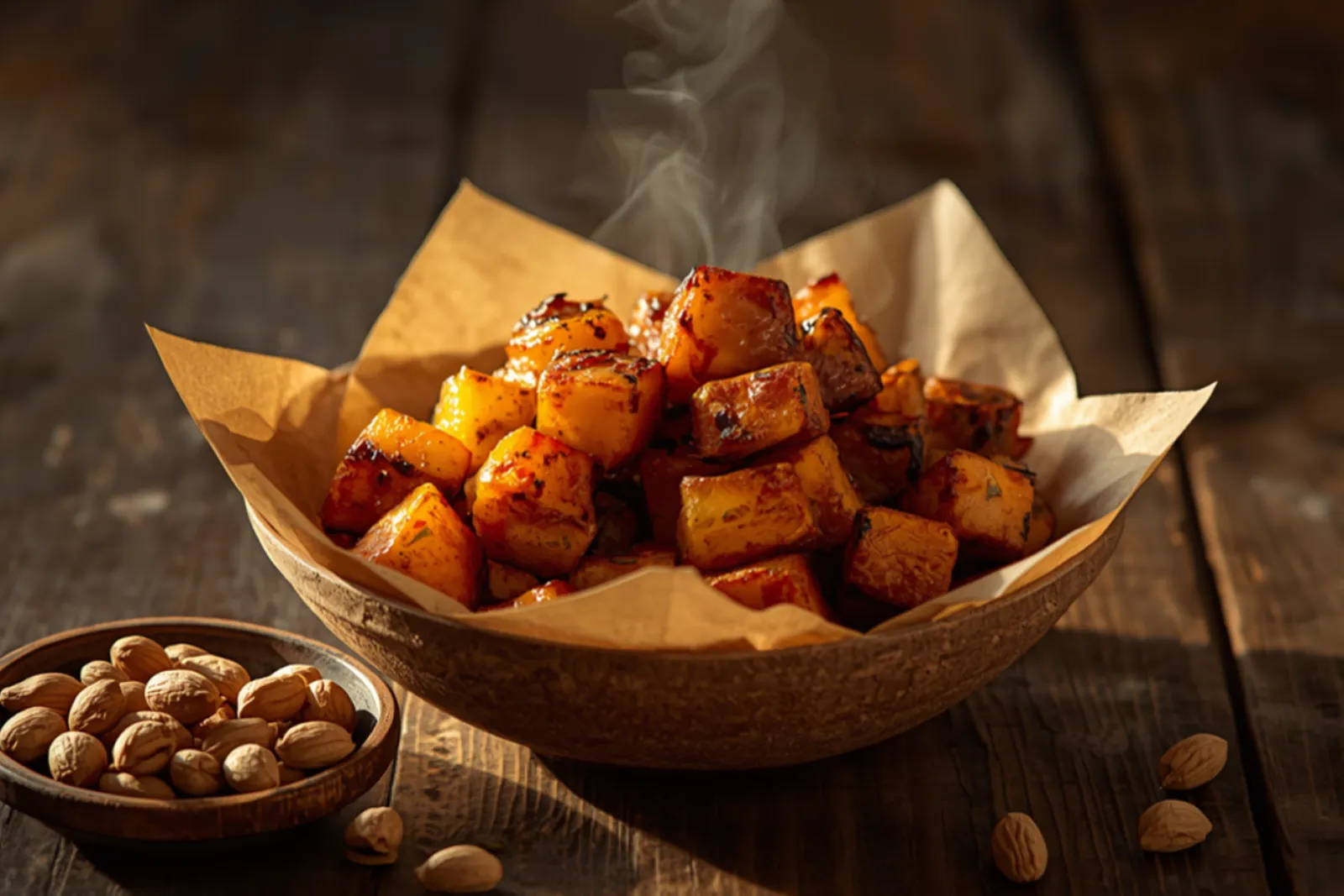
Ghana's best-loved street snack: ripe plantain cubes tossed in fresh ginger, hot pepper, onion and warm spices, then fried until caramelized at the edges and soft as custard inside. Sweet, fiery and impossible to stop eating.
Published October 4, 2026
Cultural context
Kelewele is Ghana's after-dark street food: ripe plantain cut into cubes, marinated in a paste of fresh ginger, hot pepper and spices, and fried in hot oil by vendors who set up at roadsides and junctions once the sun goes down. Every vendor has a private spice blend, but ginger, pepper and salt are the common base, with cloves, aniseed, nutmeg and onion in many versions. It is Ghanaian in this exact form, but fried plantain in many styles is eaten across West Africa and the Caribbean, so it belongs to a shared coastal tradition rather than to one country alone. It is usually eaten with roasted groundnuts (peanuts), and also appears alongside rice-and-beans dishes such as waakye.
Kelewele is Ghana’s spiced fried plantain: ripe cubes tossed in fresh ginger, hot pepper and warm spices, then fried until the edges caramelize and the middle goes soft as custard. It is a street food in the truest sense, cooked to order at roadside stalls in Accra, Kumasi and Cape Coast once the evening begins, sold hot in paper or plastic bags, and eaten on the walk home. The smell of ginger and frying plantain is one of the things people miss most about Ghana when they leave.
Ripeness is the recipe
Everything depends on the plantain. Choose fruit that is yellow with plenty of black freckles, the point at which the starch has turned to sugar. In hot oil that sugar caramelizes into the dark, sticky edges that make kelewele so good, and it sets up a sweet backdrop for the heat. Green plantain makes starchy, savory chips, which is a different (also lovely) snack; it won’t give you kelewele.
Fresh ginger and a spice paste, not a dry rub
The kelewele spice mix is personal. Vendors guard their blends, but fresh ginger, hot pepper and salt are the shared base, with onion, cloves, aniseed and nutmeg in many versions. Mixing them into a wet paste with a spoonful of water coats every cube evenly and keeps the spices from scorching. Letting the cubes rest for ten to fifteen minutes before frying lets the ginger and salt work into the fruit.
Fry it moderately hot, in small batches
Aim for about 170–175°C (340–350°F). Hotter and the sugars burn before the center softens; cooler and the plantain drinks oil. Fry in small batches so the temperature holds, turning the cubes until they are deeply golden with darker edges. Palm oil, the traditional choice, adds color and a savory depth; any neutral oil works.
Eat it hot, with something salty
Kelewele is best straight from the pan, with a handful of roasted groundnuts to cut the sweetness. It also works as a side with rice and beans, grilled chicken or suya. For more of the Ghanaian table, try it after a plate of waakye, or explore the wider region in our world classics guide and the pounded staple fufu.
Ingredients
For the spice paste
- 1 tbsp fresh ginger, finely grated Use fresh root, not powder — the sharp, juicy heat of fresh ginger is the defining flavor of kelewele.
- 1/2 small onion, grated or blitzed to a paste Gives the marinade moisture and a mellow sweetness that balances the pepper.
- 1–2 tsp cayenne pepper, or 1 scotch bonnet / habanero, seeded and minced Ghanaian cooks often use dried hot pepper or fresh shito-style chilli. Start small — the sweetness of ripe plantain makes the heat read stronger than you expect.
- 1/4 tsp ground cloves
- 1/4 tsp aniseed, lightly crushed, or ground anise Optional, but common in street versions and gives the characteristic warm, faintly licorice note.
- 1/4 tsp freshly grated nutmeg
- 3/4 tsp fine salt
- 2 tbsp water
- About 750 ml (3 cups) neutral oil or palm oil, for frying Palm oil is traditional and gives a deep red-gold color and savory flavor; peanut or vegetable oil works well too.
- Roasted peanuts (groundnuts), to serve
For the plantain
- 4 large ripe plantains (yellow with plenty of black freckles) Ripeness matters more than anything else. Fully yellow with black spots means the starch has turned to sugar, which is what caramelizes into those dark, sticky edges. Green plantain will fry up starchy, not sweet.
Method
Tap a step’s number to check it off as you go.
-
Whisk the ginger, onion, cayenne or fresh chilli, cloves, aniseed, nutmeg, salt and water into a loose, pourable paste.
Why: Mixing the spices with a little water spreads them evenly over every cube and helps the paste cling to the plantain instead of burning in the oil.
-
Peel the plantains and cut them into 2 cm (3/4 inch) cubes. Toss them in the paste until every piece is coated, then let them sit for 10–15 minutes.
Why: A short rest lets the ginger and salt draw a little moisture out of the plantain and carry flavor into the surface, so the spices are in the fruit, not just on it.
-
Heat the oil in a deep pan or wok to about 170–175°C (340–350°F). Fry the cubes in small batches, without crowding, for 3–5 minutes, turning occasionally, until deep golden brown with dark caramelized edges.
Why: Moderate heat is the key. Too hot and the sugars and spices scorch before the middle softens; too cool and the plantain soaks up oil and turns greasy. Frying in batches stops the oil temperature from crashing.
-
Lift the kelewele out with a slotted spoon and drain on paper towels for a minute. Eat while hot, with roasted peanuts.
Why: Kelewele is at its best the moment it comes out: crisp at the edges, creamy inside. As it cools the outside softens and the sugars turn sticky. The salty crunch of peanuts is the traditional counterpoint to its sweet heat.
A quick, anonymous tap — no review needed.
Variations
- Oven or air-fryer kelewele
Toss the coated cubes with 2 tablespoons of oil and roast at 220°C (425°F) for 20–25 minutes, turning once, or air-fry at 200°C (400°F) for 10–12 minutes. You lose a little of the deep-fried richness but keep the spice and caramelization.
- Sliced rather than cubed
Cut the plantain into thin diagonal slices for crisper, chip-like pieces that fry faster; common in homes, while street vendors favor cubes.
- Kelewele with beans
Serve over a bowl of red-red (black-eyed pea and palm oil stew) for a classic Ghanaian main course.
Serving & Storage
Eat it hot from a paper cone with a handful of roasted peanuts, or serve as a side with rice and beans, grilled chicken or suya. It is as at home at a casual cookout as it is at the roadside.
Pairs with: Roasted groundnuts, Waakye, Jollof rice, Grilled chicken or fish.
Storage: Best eaten within the hour. Leftovers keep 1 day refrigerated in an airtight container; reheat in a 200°C (400°F) oven or air-fryer for 5–8 minutes to bring back some crispness. Don't microwave — it turns them soggy.
Nutrition
Per serving (About 1 cup (150 g))
- Calories
- 320
- Protein
- 2 g
- Carbs
- 52 g
- Fat
- 13 g
- Fiber
- 3 g
- Sugar
- 22 g
- Sodium
- 310 mg
Notable micronutrients: Potassium, Vitamin C, Vitamin B6
Estimated using standard ingredient data. Values vary with brands and substitutions.
Frequently Asked Questions
What kind of plantain should I use for kelewele?
Ripe plantain: yellow with plenty of black spots, soft but not mushy. The sugars in a ripe plantain caramelize in the hot oil and balance the ginger and chilli. Green plantain is starchy and makes savory chips, not kelewele; fully black plantain can be too sweet and falls apart.
Is kelewele supposed to be very spicy?
It's meant to have a noticeable kick, but you control it. Street vendors often go bold with pepper, but a home cook can start with a pinch of cayenne and add more next time. The ginger gives a clean heat of its own, and the sweetness of the plantain softens the chilli.
Can I make kelewele without deep frying?
Yes. Roasting or air-frying works well and uses far less oil. You'll get good flavor and caramelized edges, though not quite the same crisp-then-creamy contrast as shallow or deep frying.
What is kelewele traditionally eaten with?
Most often with roasted groundnuts (peanuts) as a snack, and sometimes with rice and beans or grilled meat as a side dish. Its sweet-hot flavor pairs well with salty or smoky foods.
What to drink with this
All drinks →Hand-picked pours to match this dish.
North & West India (peak-summer drink across the subcontinent) · Indian
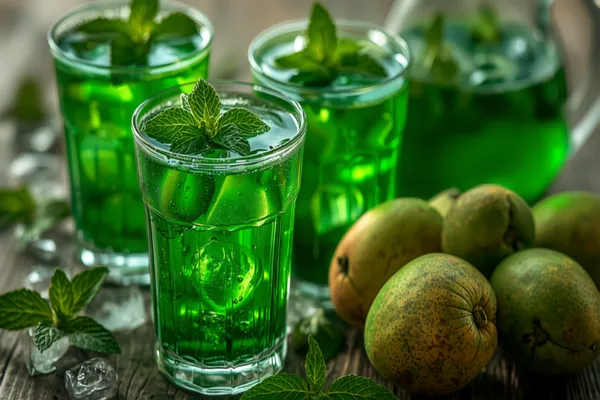
Aam Panna (Raw Green Mango Summer Cooler)
India's tangy, jade-green raw-mango cooler — roasted or boiled green mangoes blended with cumin, black salt and mint. The traditional heat-stroke remedy that tastes like summer.

Mexico (agua fresca tradition) · Mexican
Agua de Jamaica (Hibiscus Iced Tea)
Mexico's ruby-red hibiscus cooler: dried jamaica flowers steeped, sweetened and chilled into a tart, refreshing agua fresca. The right steep, how to control the tartness, and why it's so good for you.
Pan-Indian (North & West India) · Indian
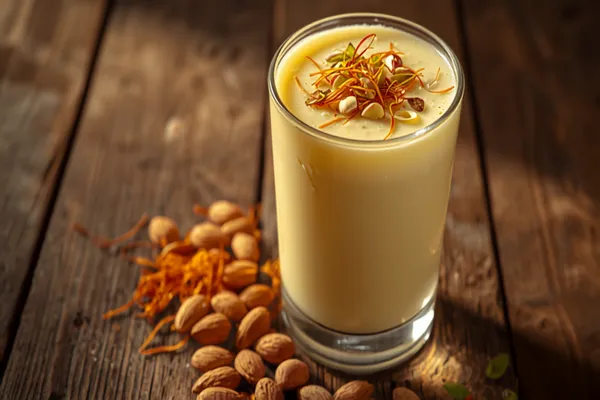
Badam Milk (Saffron Almond Milk)
Milk simmered with a paste of soaked almonds, saffron, cardamom and a whisper of nutmeg — India's rich, fragrant almond drink. Comforting served warm in winter, reviving served chilled in summer, festive any time.
From our kitchen community
Ratings & Reviews
My Rating
Tap a star to rate — no sign-in, no form needed.
My Review
0 Ratings
🥣 0 home cooks made it!
Be the first to rate Kelewele (Ghanaian Spiced Fried Plantain).
Related Recipes

Northern Ghana — Dagbon and the Hausa zongo quarters, now sold at every roadside in Accra and Kumasi · Ghanaian
Waakye (Ghanaian Rice and Beans with Sorghum Leaves)
Ghana's great breakfast: long-grain rice and black-eyed peas simmered with dried red sorghum leaf sheaths until every grain turns burgundy, then loaded with shito, gari, talia and a boiled egg the way the roadside sellers of Accra do it.
Hausaland — northern Nigeria (Kano, Zaria, Sokoto) and across the Sahel into Niger, Chad and northern Cameroon · Nigerian
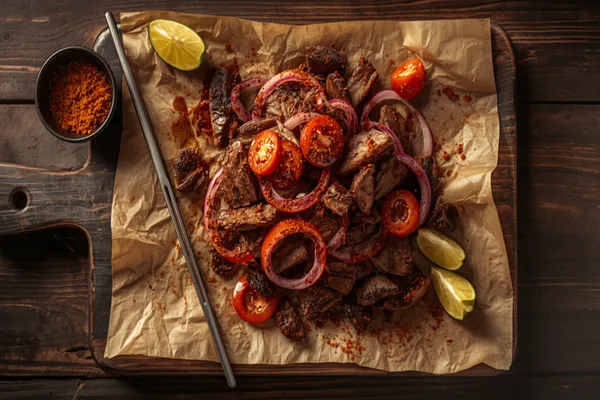
Suya (Tsire) — Hausa Grilled Beef Skewers with Yaji
Nigeria's great night-time street food: beef sliced paper-thin, oiled, buried twice in a dry peanut-and-chilli rub, and grilled fast over charcoal. The secret is that yaji is a dry rub, not a marinade — and that the peanut in it has had its oil pressed out.
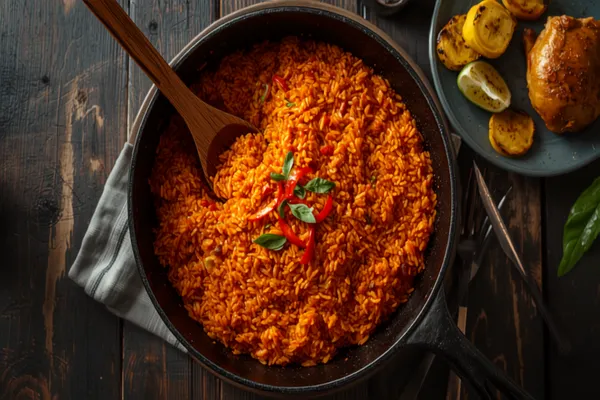
Lagos and south-western Nigeria — part of the wider West African jollof belt · Nigerian
Jollof Rice (Nigerian Party Style)
West Africa's great one-pot rice, cooked the Lagos party way: a long-fried pepper-and-tomato base, parboiled long-grain rice steamed until every grain is stained red, and a deliberately toasted bottom pot for that smoky finish.
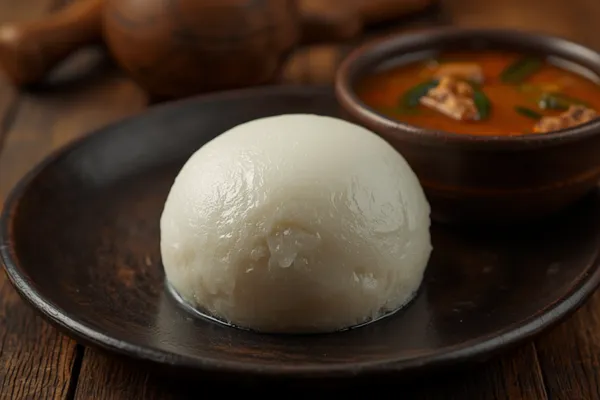
Ghana, among the Akan peoples of the Ashanti, Akuapem, Akyem, Bono and Fante — and, under other names, throughout Nigeria, Ivory Coast, Sierra Leone, Cameroon, Angola and the Congo basin · Ghanaian & West African
Fufu — West Africa's Pounded Cassava & Plantain Swallow
Boiled cassava and green plantain pounded in a mortar until every lump disappears, into the smooth, stretchy dough West and Central Africa tears off by hand and dips into soup. No pineapple, no shortcuts — just the technique that makes fufu fufu.
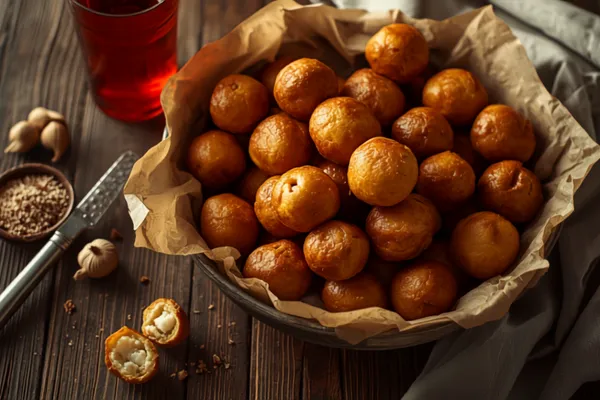
Lagos and southern Nigeria — and, under a dozen other names, from Ghana and Togo through Cameroon to the Congo basin · Nigerian & West African
Puff Puff — West Africa's Yeasted, Nutmeg-Scented Fried Dough
Not a doughnut and not a fritter: puff puff is a wet, live, nutmeg-scented yeast batter squeezed from a fist straight into hot oil, where it blows up into a lacquered golden sphere with a stretchy, honeycombed inside. Nigeria's party snack, and West Africa's under a dozen other names.